Hunting and Trapping Newsletter
The New York State Department of Environmental Conservation sent this bulletin on 10/10/2023 02:00 PM EDT |
| DEC Delivers - Information to keep you connected and informed from the NYS Department of Environmental Conservation |
| View in browser |
Hunting and Trapping Newsletter |
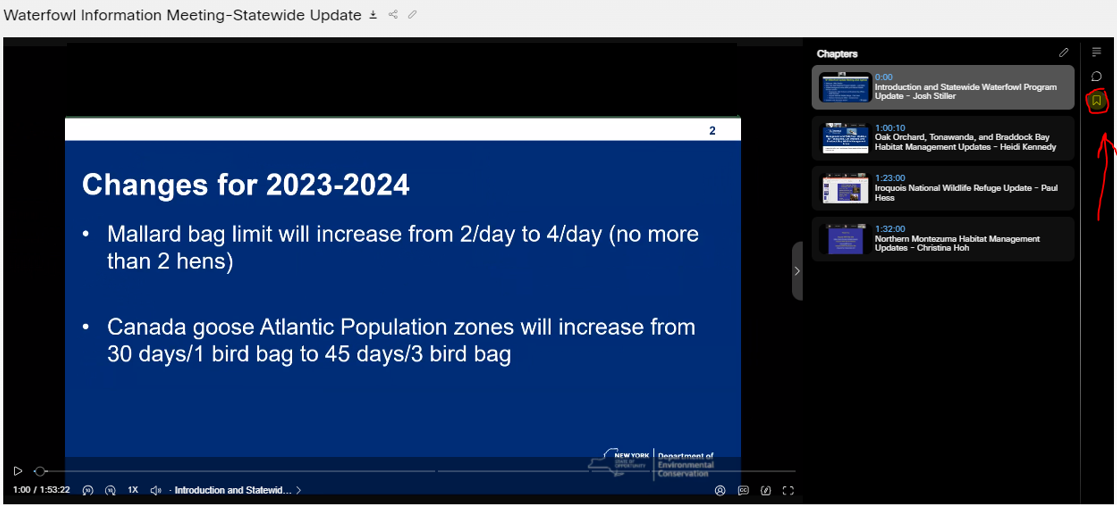
Annual Statewide Waterfowl and Wetland Habitat WebinarEach year, DEC and FWS biologists provide an update on the statewide status of waterfowl, regulations, research, and habitat conditions on important wetland complexes in western NY. View the webinar recording. To make it easier to find the content you’re interested in, we’ve added bookmarks. To find them and skip ahead, click on the symbol circled in red in the picture below on the right side of the recording, then click on the segment of interest.
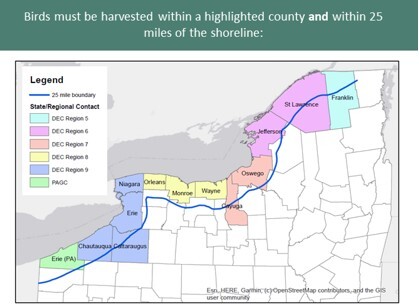
DEC Seeks Great Lakes Waterfowl Hunters to Donate Ducks for Contaminant StudyHelp us update New York and Pennsylvania waterfowl consumption advisories! If you hunt ducks in the Saint Lawrence River, Lake Ontario and embayments, Niagara River, and Lake Erie, or within 25 miles of these waterbodies, please consider donating part of your 2023-2024 bag toward this important effort.
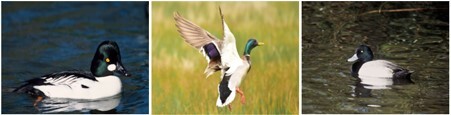
Why contribute? Waterfowl face many threats, one of them being contamination from pollution. These chemicals can affect productivity and survival. Additionally, these contaminants may concern people who harvest and consume waterfowl. Current state consumption advisories are largely based on contaminant studies from the 1980s and 1990s. Updated information can help hunters and their families choose which species to focus on and how often to enjoy meals including waterfowl. Information from this study WILL NOT be used to limit hunting opportunity in the future, regardless of the results. What species are needed? Mallard, American Black Duck, Bufflehead, Common Goldeneye, Scaup (bluebills), Common Merganser, and Red-breasted Merganser. Birds of any age and sex can be contributed. What is being tested? In addition to updating information on legacy contaminants like PCBs, mirex, chlordane, DDT, and mercury, researchers will document PFAS, an emerging contaminant, in waterfowl. Both whole-bird and muscle-only samples will be analyzed. How can I participate? Go hunting and harvest ducks. If you harvest one of the target species, please retain the whole carcass and record the date of harvest, location of harvest, and species. Researchers need the entire bird for analysis. Hunters will be asked to fill out a form for their donation, and birds must be kept frozen until collection is coordinated. For questions or to participate, please reach out to your regional NYSDEC of PAGC contact listed below.
Project contacts by county: NYSDEC Region 5: Franklin NYSDEC Region 6: St. Lawrence, Jefferson NYSDEC Region 7: Oswego, Cayuga NYSDEC Region 8: Wayne, Monroe, Orleans NYSDEC Region 9: Niagara, Erie, Chautauqua, Cattaraugus Pennsylvania (Erie County) DEC Announces Survey to Assess Hunter Views and Activities on Harvesting Antlerless Deer
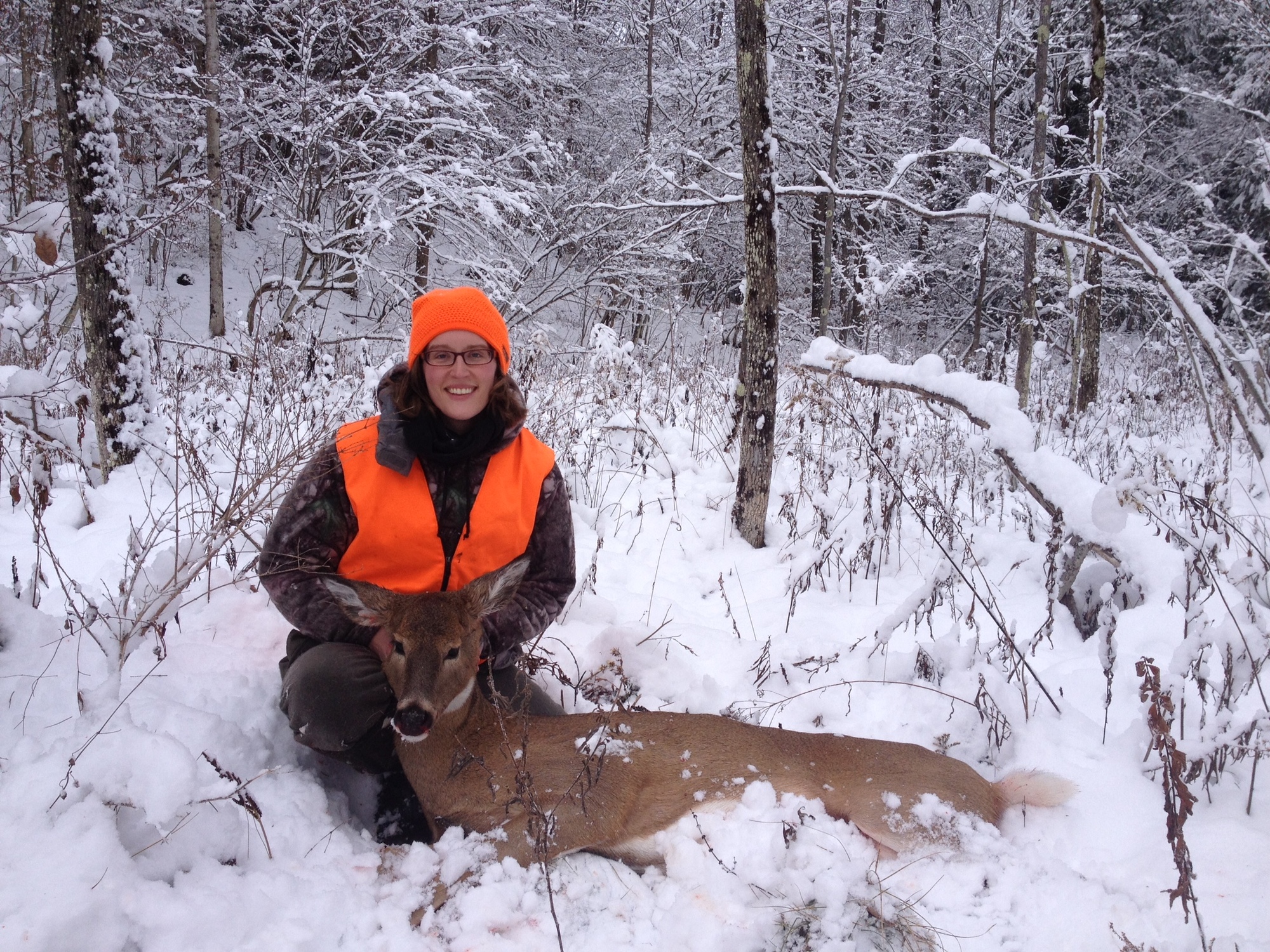
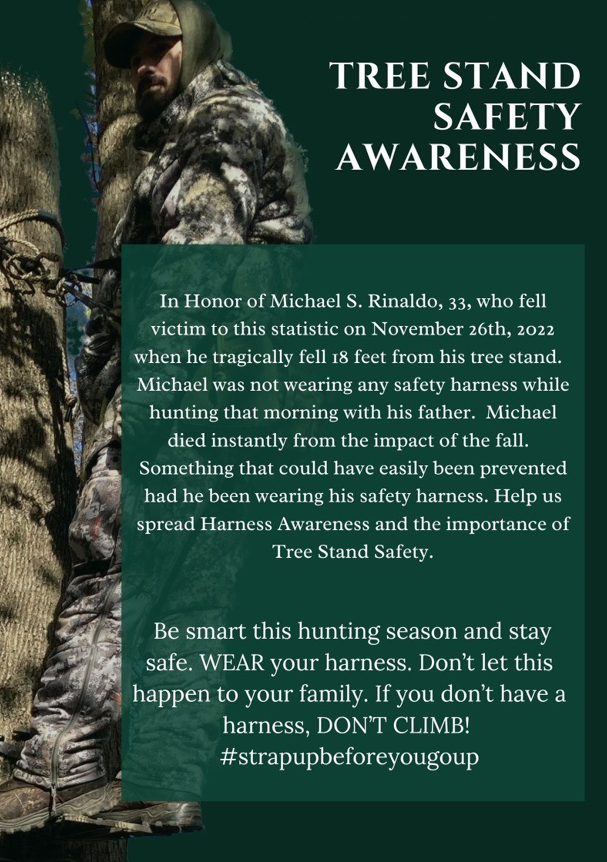
The New York State Department of Environmental Conservation (DEC) manages deer populations through actions that encourage or limit harvest of female deer. This is accomplished by adjusting hunting seasons and/or the number of deer management permits (DMPs) available to hunters in each wildlife management unit (WMU). However, in some areas, hunters are not harvesting enough female deer to manage deer populations effectively. To identify potential mechanisms to increase harvest of female deer, DEC is working with Cornell University’s Center for Conservation Social Sciences to understand the factors that influence hunters’ willingness and ability to harvest antlerless deer. Focus group discussions with several hunter stakeholder groups earlier this year helped inform the topics and strategies that DEC is now exploring through a broader survey of hunters. The survey will be sent to 4,050 randomly selected NY deer hunters over the age of 18 beginning October 11th, 2023. Selected hunters will either receive a hard copy of the survey in the mail or an electronic version of the survey via email. A prenotification postcard from Cornell was sent to half of selected hunters on October 4th, encouraging them to keep an eye out for the survey in their incoming mail/email. The success of the project depends on the generous participation of hunters, and DEC encourages all hunters who receive the survey to complete and return it even if you do not hunt antlerless deer. Survey responses will be analyzed after the 2023-24 deer hunting season, and a summary report of the project will be available on DEC’s website in 2024. DEC does not anticipate any potential changes to hunting regulations, if appropriate, to take effect until the fall of 2025. Hunters play a critical role in helping keep deer populations in balance with available habitat and at levels that are socially acceptable. Help steward New York’s deer herd by harvesting at least one antlerless deer this hunting season and reporting all of your deer harvests. Tree Stand Safety AwarenessSeptember may have just ended, but that doesn’t mean tree stand safety awareness is any less important! Remember, if you don’t have a harness, don’t climb!
|
|
The New York State Department of Environmental Conservation respects your right to privacy and welcomes your feedback | Update preferences or unsubscribe | Learn more about DEC Delivers |
|
Connect with DEC:      
|
|
| Basil Seggos, Commissioner | |