Green Actions and Blue Skies – Air Mail!
The New York State Department of Environmental Conservation sent this bulletin on 09/15/2023 11:09 AM EDT |
| DEC Delivers - Information to keep you connected and informed from the NYS Department of Environmental Conservation |
| View in browser |
This Month's Topics: |
Public & Stakeholder Participation Information
Public & Stakeholder Participation Information:
Air Mail! is the publication to announce public and stakeholder information about air quality topics. All NYS residents are environmental stakeholders – we welcome anyone to join the information sessions and other opportunities posted here. Get There Green! 2023
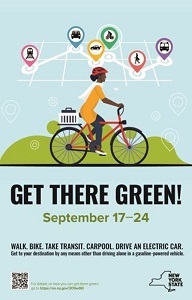
Get There Green! (#GTG23) is a week to promote and celebrate more sustainable modes of transportation. This year, it is taking place September 17 through 24 and coincides with Climate Week NYC. During this week, everyone is encouraged to join in a week of climate action by using more sustainable modes of transportation for as many trips as they can. These include:
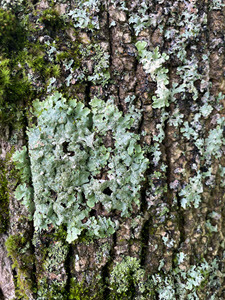
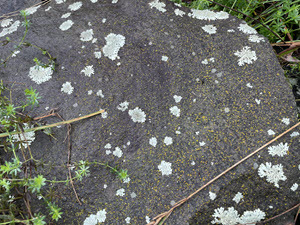
Read more about how to Get There Green! on the DEC website. Also in September, remember to visit our Living the Green Life webpage as we will be featuring more about how to Get There Green! It’s a plant! It’s a moss! No, it’s lichen!While hiking in the woods, you may have noticed lichen on trees and rocks before. Often mistaken as a plant or moss, lichen is a complex symbiotic relationship between fungi and algae. Lichen receives its nutrients from photosynthesis, relying on the atmosphere to survive. They cannot filter what they absorb because they lack roots and protective surfaces. While the algae provides food in the form of sugar from photosynthesis, the fungi provide structure and protection. Lichen is found across the globe, even in some of the most inhabitable locations, including extreme cold and dry conditions. However, dirty air is one condition many types of lichen cannot survive in.
Since different species have different tolerance levels, the National Park Service and the United States Forest Service use lichen as a biomonitor to assess air quality. Sensitive lichen can develop structural changes when exposed to air pollution, including reduced photosynthesis, bleaching, and death. As sensitive lichens die, they may be replaced with more resistant species. Lichen provides many benefits to the environment. As a keystone species, they provide food sources for many animals, such as the endangered spotted owl and northern flying squirrels, supply nesting material, prevent erosion, and clean our air. Lichen also traps particulate matter and absorbs small amounts of certain pollutants such as sulfur, mercury, and nitrogen, and allows algae to survive in adverse conditions and convert carbon dioxide into oxygen through photosynthesis.
Polluted air can significantly decrease lichen biodiversity. However, once the air becomes clean again, sensitive lichen species may return. Since the passage of the Clean Air Act in 1970, we are seeing continuous improvement in air quality in NYS and across the country. The cleaner air in NYS has enabled a lichen species called Usnea (Parmeliaceae) to return to NYC after nearly 200 years of absence. By working to keep our air clean, we can create an environment where lichen can thrive, help all of earth's inhabitants to breathe easier, and enjoy more diverse habitats in our future hikes in the woods. Photo Captions: Lichens grow on many things including trees and rocks. They also clean our air by trapping pollution particles as they grow. Recognition of SustainabilityIn 2022, DEC launched the Statewide Community Air Monitoring Initiative. The initiative collects air pollution data in ten disadvantaged communities to help identify sources contributing to disproportionate burdens and develop strategies to reduce air pollution within these communities. DEC works alongside two companies for this project, Aclima and Google Cloud. The ongoing initiative uses Aclima’s mobile monitoring fleet and Google Cloud’s tool BigQuery to collect billions of air quality and greenhouse gas measurements. DEC will be using the results of this initiative to recommend strategies for reducing emissions of toxic air contaminants, criteria air pollutants, and greenhouse gases in these communities.
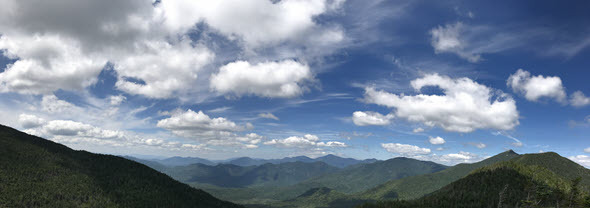
In recognition of the work put into this project, DEC has received the Google Cloud Customer Sustainability Award. The Google Cloud Customer awards were given to eight governmental and educational organizations across the country who are setting new standards for creating meaningful change and leaving positive impacts within their communities. DEC is proud of the recognition of the work put into creating a greener and cleaner environment for all its residents and looks forward to continuing this project. International Day of Clean Air for Blue SkiesTake a step outside and look up. On an average day, you’ll see a vast blue sky. Air pollution can visibly affect our view of the sky, losing its blue to be replaced with haze. All around the globe, we share the sky and the air within it and it’s our responsibility to keep it clean. September 7 marked the annual International Day of Clean Air for Blue Skies. Officially recognized in 2019, this day aims to build a global community of countries and people to tackle air pollution. On each level, changes can be made. Governments can invest in cleaner energy sources. The private sectors can track and reduce the air pollutants from their factory and supply chains or switch to recycled or recyclable materials in products and packaging. As individuals, we can work to conserve our energy while supporting businesses or elected officials to make the same changes. This day reminds us that clean air is something we can all contribute to, whether on a multi-national level or an individual. Be a part of the effort to keep our air clean so we can all enjoy blue skies and clean air.
Helpful Links:
Dates to Remember:
Stay Informed about Your Air QualityNYS' ozone season runs from April through September. DEC publishes ground-level ozone forecasts during ozone season and particulate matter pollution forecasts year-round using a scale called the Air Quality Index (AQI). DEC sends out an air quality alert when there is a high AQI value, which indicates polluted air. Individuals with pre-existing respiratory or cardiovascular conditions, and people who exercise outdoors should take caution during an air quality alert. Find out if an Air Quality Alert is in effect by calling the toll-free Ozone Hotline: 1-800-535-1345. The AQI can be accessed in three ways:
Connect with us at Air Mail!Did you enjoy reading this issue? Perhaps your friends and family would too. Share Air Mail! by using the “Share” button below. If you would like to receive Air Mail! in your own email box, sign up now! We would also like to know what you think. Send your Air Mail! questions and comments to the team at DAR.web@dec.ny.gov. |
|
The New York State Department of Environmental Conservation respects your right to privacy and welcomes your feedback | Update preferences or unsubscribe | Learn more about DEC Delivers |
|
Connect with DEC:      
|
|
| Basil Seggos, Commissioner | |