Catskill Outdoor Recreation Bulletin
The New York State Department of Environmental Conservation sent this bulletin on 08/24/2023 03:04 PM EDT |
| DEC Delivers - Information to keep you connected and informed from the NYS Department of Environmental Conservation |
| View in browser |
Catskill Outdoor Recreation Bulletin |
Catskill Outdoor Recreation BulletinAugust 2023 This bulletin provides only the most recent notices. Check the Catskill Backcountry Information webpage for more detailed information on access, outdoor recreation infrastructure, and conditions. Emergency Situations: If you get lost or injured; keep calm and stay put. If you have cell service, call 911 or the DEC Dispatch, 833-NYS-Rangers (1-833-697-7264). Welcome to the CatskillsThe Welcome to the Catskills webpage is the place to go if you are interested in learning more about the Catskills. It provides information about the Forest Preserve and conservation easement lands, outdoor recreation opportunities, tips for planning, and how to Leave No Trace. Be sure to check out the links for additional information and tips and tricks for recreating safely and minimizing your impacts on natural resources, recreational infrastructure, and other backcountry users in the Catskill Mountains. Catskills Visitor Center
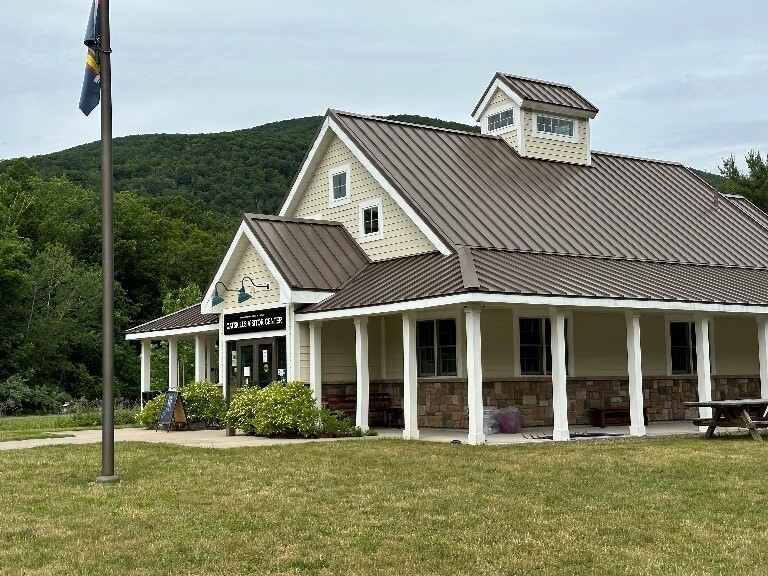
Looking to visit the Catskills? Be sure to stop by the Catskills Visitors Center before your next adventure. Here you can have your questions answered, get trip planning advice, and even pick up maps and local information on places you might want to explore. While you’re there, don’t miss out on climbing the fire tower(yes, there’s a fire tower on site!), hiking the trails, and learning a bit more about the Catskill Mountains through the all new interactive exhibits. Trust us, it is a do not miss location while visiting the region. Contact the Catskills Visitor Center for more information: 845.688.3369 or info@catskillcenter.org. For local trail conditions, visit the Catskills Visitor Center Trail Conditions webpage. General Notices
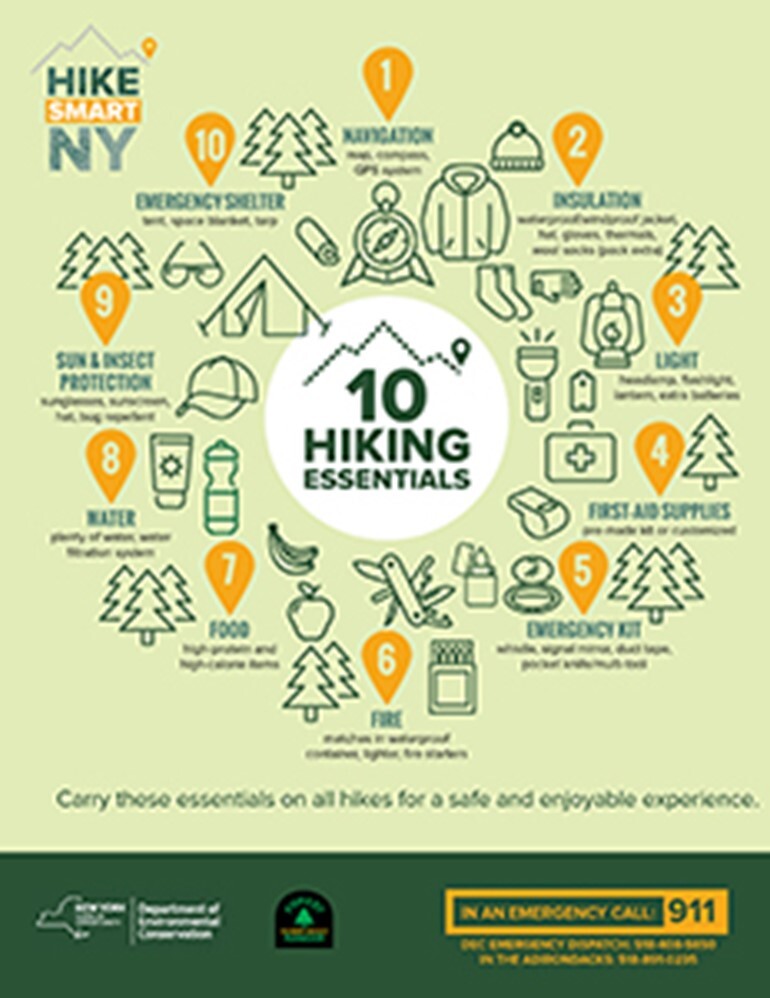
Hike Smart by packing the proper gear. See our recommended packing list (PDF) and safety tips for the summer season. Check the Weather: Check the National Weather Service for current conditions and forecasts for the locations where you plan to recreate. Check both daytime and nighttime temperatures. Expect conditions to be cooler and more exposed on mountain summits. Mountain Summits: Check the National Weather Service to prepare for summit weather conditions. Catskill Region Daytime: High 70’s Thunderstorms: Thunderstorms can pop up even if they are not forecast. Watch for darkening skies, increased winds, lightning flashes, and the rumble of thunder. Avoid summits and other open areas during thunderstorms. As soon as you are first aware of an approaching thunderstorm move to lower elevations and seek shelter. If caught outside in a thunderstorm find a low spot away from tall trees, seek an area of shorter trees, and crouch down away from tree trunks. Make yourself as short as possible by:
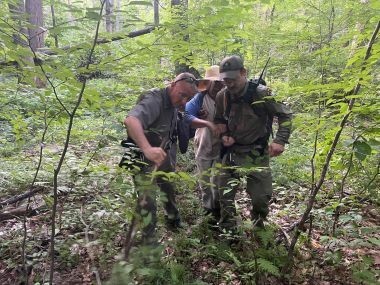
Approximate Time of Sunrise: 6:14AM Approximate Time of Sunset: 7:44PM Fire Towers: Volunteer interpreters hike to the fire towers and open the top cabs for visitors to enjoy the view on Saturdays, Sundays and holiday Mondays from Memorial Day weekend through Indigenous Peoples Day (formerly Columbus Day) weekend. Love Our New York Lands: All New Yorkers and visitors should be able to access, enjoy, and feel welcome on state lands. While enjoying these shared spaces, be respectful of other visitors. Share trails, treat people with kindness, and leave things as you found them for others to enjoy. All of us have a responsibility to protect state lands for future generations. Learn more about how you can Love Our New York Lands. Rattlesnakes: Please keep in mind, Rattlesnakes are often found on the Catskill Peaks. If you encounter a timber rattlesnake, do not panic. Keep a safe distance away of 6ft or more. Let them move along on their own. Do not attempt to catch, collect, or kill the individual. Timber rattlesnakes are not aggressive unless provoked. If an accidental bite occurs, seek medical attention immediately or call 911. To report sightings, or ask questions, contact your Regional Wildlife Office. Stream Crossing & High Water: Hikers should always plan ahead and check the weather before heading out into the mountains. Storms can emerge suddenly causing stream and rivers to rise quickly, becoming impassable due to strong currents. Do your best to avoid getting caught on the wrong side of a stream and turn back at any signs of changing weather conditions. Do not attempt to cross swift-moving streams and rivers. If weather conditions are unfavorable, consider planning your trip for another day. Forest Rangers in ReviewNew York State Department of Environmental Conservation (DEC) Forest Rangers respond to search and rescue incidents statewide. Working with other state agencies, local emergency response organizations, and volunteer search and rescue groups, Forest Rangers locate and extract lost, injured, or distressed people from across New York State. In 2022, DEC Forest Rangers conducted 359 search and rescue missions, extinguished 162 wildfires covering more than 1,300 acres, participated in 53 prescribed fires that served to rejuvenate nearly 900 acres of land, and worked on cases that resulted in hundreds of tickets and arrests.
Town of Olive For additional Forest Rangers in Review stories, visit the press release page on DEC's website. Stay Tick Free!The ticks are out in full force this year. Be sure to follow these recommended tips to stay tick free:
Check out DEC’s website for additional tips for tick prevention. Permit Requirements and Special Regulations for Peekamoose Valley Riparian Corridor and Blue Hole in the Sundown Wild ForestDEC has issued special regulations for the Blue Hole and Peekamoose Valley because of the huge increase in visitors. The purpose of these regulations is to increase public safety and reduce impacts to the environmental resources. Permits are required to visit the Blue Hole, or to camp at the nearby campsites in the Peekamoose Valley. The Special regulations:
*** The following are prohibited at the Blue Hole (limited use will be allowed at the nearby designated camping area only):
Recent NoticesDelaware Wild Forest: In partnership with the DEC, volunteers from the New York-New Jersey Trail Conference will be completing maintenance and repairs to two lean-tos and privies located at Trout Pond. The lean-tos may be unavailable from September 7th through September 10th. Nearby primitive tent sites will still be available.
Stewards in the Catskills: DEC has partnered with several organizations to provide trailhead and mountaintop stewardship throughout the Catskills during the spring, summer, and fall of 2023. Stewards will be provided through partnerships with the New York New Jersey Trail Conference, Catskill Center for Conservation and Development, Catskill Mountainkeeper, Catskill 3500 Club, and the Student Conservation Association. On the ground stewardship is an effective way to provide outreach and education to visitors of the Catskills. Kaaterskill Clove Visitor Use Management: DEC has awarded a Visitor Use Management (VUM) planning contract to Otak, a private consulting firm specializing in research, planning, and design to help develop sustainable recreation solutions in the Kaaterskill Clove area of the Catskill Park. The goal of this planning process is to develop strategies that ensure the popular destination provides positive visitor experiences while continuing to protect the Forest Preserve. The Kaaterskill Clove Visitor Use Management webpage hosts project information, updates, and opportunities to get involved. Peekamoose Blue Hole: Permits are required to visit the Blue Hole, or to camp at the nearby campsites in the Peekamoose Valley from May 15th through September 15th of each year. Permits can be acquired through the Reserve America website. Camping permits may be reserved up to 2 weeks in advance and sites can be reserved for up to 3 nights in a row. Day use permits for the Blue Hole can be reserved up to 1 week in advance and cost $10.00 each. Kaaterskill Wild Forest and Indian Head Wilderness: Please be advised that the Town of Hunter has parking restrictions on Route 23A and Platte Clove Road. Park only at designated DEC parking lots. Come prepared with backup options and move on if the area's parking lot is full. Any illegally parked vehicle may be ticketed and towed to the Town Hall Impound Lot. Leave No TraceTM
Leave No TraceTM principles are guidelines that help to minimize recreation-based impacts. Before heading out on your adventure, take the time to review and familiarize yourself with these principles to help be best prepared, stay safe, and reduce impacts to our natural world.
It's easy to Leave No Trace:
Learn more about how you can Leave No Trace while enjoying your time outdoors by visiting the Leave No TraceTM website. Be on the Lookout for Spotted Lanternfly
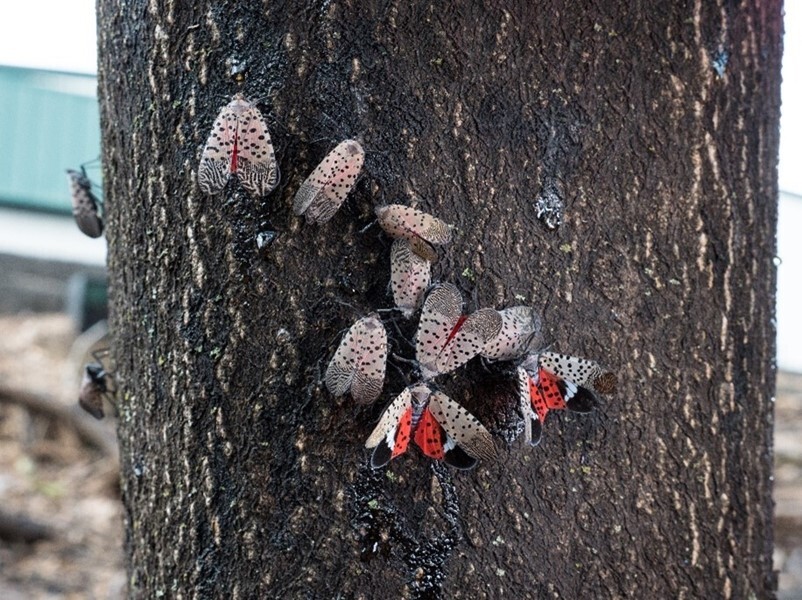
Be on the lookout for the spotted lanternfly (SLF)! Infestations of this invasive insect have been found in New York City, southern New York, western New York, and the Finger Lakes. SLF threaten crops and fruit production by feeding on a plant’s sap. The sticky honeydew that they excrete while feeding can also coat leaves and attract sooty molds. Apples, grapes, hops, walnuts, and other crops are at greatest risk of being negatively impacted. Signs of an SLF infestation include sap oozing from tiny open wounds on tree trunks or plant stems and honeydew build-up under plants, but since other insects leave behind similar signs, it is best to look for SLF egg masses or the more recognizable adults. SLF can lay their eggs on almost any flat surface, including cars, firewood, outdoor furniture, and camping equipment. Egg masses are 1-inch long and brownish-gray, waxy, and mud-like when new. Old egg masses are brown and scaly. Adults are brownish-gray with black spots and have bright red on their hindwings. If you think you’ve found spotted lanternfly:
2023 Catskill Fire Tower Challenge
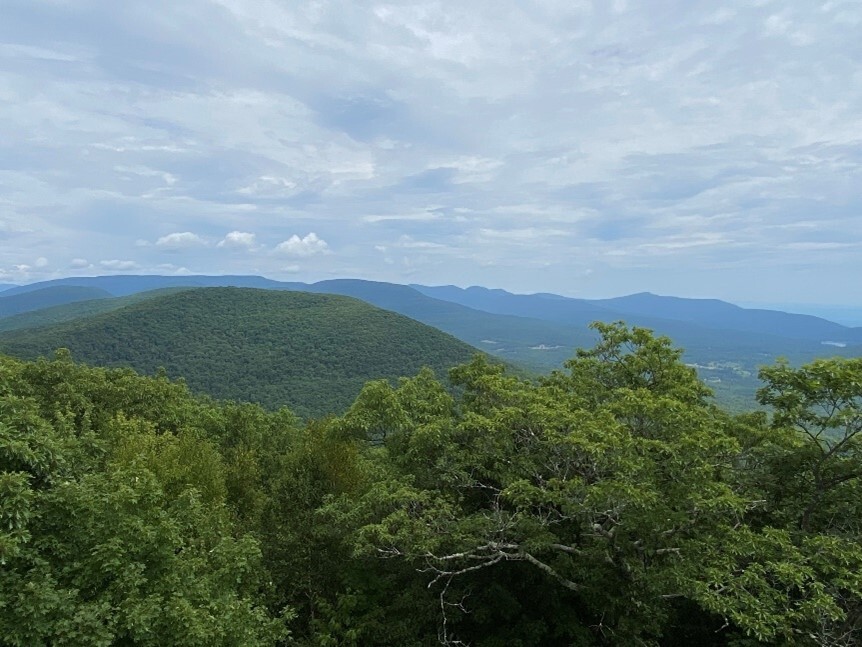
For nearly a century, observers watched the forests of New York State—including the Catskill and Adirondack forest preserves—from more than 100 fire towers perched atop the highest peaks, searching for the dangerous, telltale signs of forest fires. The Catskills Fire Tower Challenge encourages experienced hikers to visit the region’s remaining fire towers located on Balsam Lake Mountain (Hardenburgh), Hunter Mountain (Hunter), Overlook Mountain (Woodstock), Red Hill Mountain (Denning), and Tremper Mountain (Shandaken), along with the Upper Esopus Fire Tower at the Catskills Visitor Center. The Upper Esopus Fire Tower allows visitors who may not otherwise be able to undertake the challenging hike of several miles to experience a fire tower on the high peaks in the Catskills. Visit all six Catskill Fire Towers between January 1, 2023 and December 31, 2023. Once completed, participants submit a log of their completed hikes along with a favorite photo or selfie via a web form or to the designated email inbox: CatskillsChallenge@dec.ny.gov. Entries must be postmarked by Jan. 7, 2024. With DEC giving participants a full year to complete the challenge, hikers can take their time. Hikers are reminded to practice Leave No Trace™ principles and to Love Our New York Lands by recreating safely, sustainably, and hiking in suitable conditions based on weather and experience level. For more information about the fire towers and challenge rules, visit DEC’s website. Tree Species Highlight
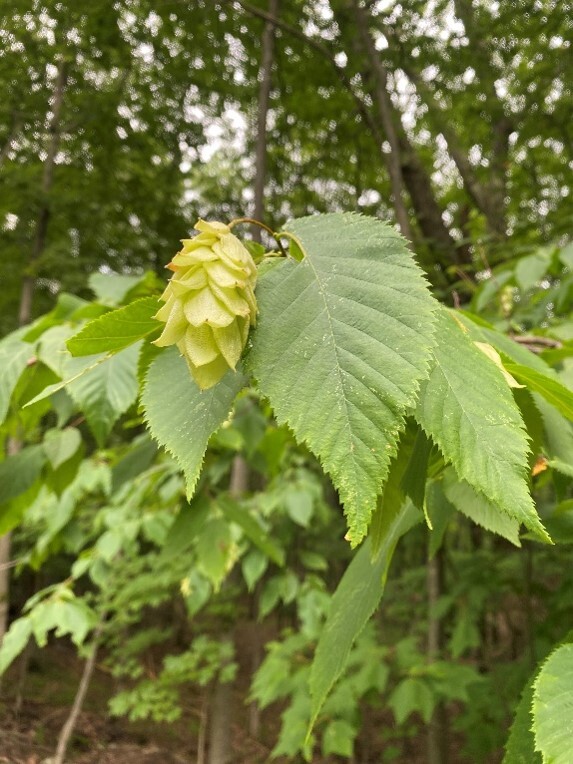
Eastern hophornbeam (Ostrya virginiana) is a small, upland understory tree species with some very distinct features. The hophornbeam can be easily identified in the Catskills during the summertime when it develops a fruit cluster resembling the hops used to make beer. The hop-like appearance of the fruit cluster is where the tree got its common name from. It can be identified year-round by its grayish brown bark which develops into thin vertical strips as the tree ages. It has simple, ovate leaves with finely serrate margins which can feel like sandpaper as they develop. This tree is also commonly known as ironwood due to the very hard wood it produces. While rarely used commercially due to its size, the strong wood can be used for tool handles and fence posts. |


|
The New York State Department of Environmental Conservation respects your right to privacy and welcomes your feedback | Update preferences or unsubscribe | Learn more about DEC Delivers |
|
Connect with DEC:      
|
|
| Basil Seggos, Commissioner | |