
DEC Adirondack Outdoor Recreation Bulletin - August 17, 2023
The New York State Department of Environmental Conservation sent this bulletin on 08/17/2023 03:31 PM EDT |
| DEC Delivers - Information to keep you connected and informed from the NYS Department of Environmental Conservation |
| View in browser |
DEC Adirondack Outdoor Recreation BulletinAugust 17, 2023 |
|||||||||||||||
|
A high-water and muddy trails advisory is in effect until further notice: Recent heavy rains have washed out numerous roads, bridges, and trails. The extent of damage is still being assessed. More thunderstorms bringing potentially heavy rain are forecast throughout the remainder of the week. Users are advised to:
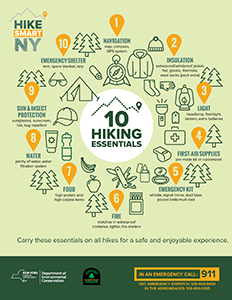
This bulletin provides only the most recent notices. Check the Adirondack Backcountry webpages for more detailed information on access, outdoor recreation infrastructure, and conditions. Emergency Situations: If you get lost or injured; keep calm and stay put. If you have cell service, call 911 or the DEC Forest Ranger Emergency Dispatch, 833-NYS-RANGERS. Welcome to the Adirondacks. The Welcome to the Adirondacks webpage provides information about the Forest Preserve, conservation easement lands, outdoor recreation, and Leave No Trace™. Love Our New York Lands: All New Yorkers and visitors should be able to access, enjoy, and feel welcome on state lands. While enjoying these shared spaces, be respectful of other visitors. Share trails, treat people with kindness, and leave things as you found them for others to enjoy. All of us have a responsibility to protect state lands for future generations. Learn more about how you can Love Our New York Lands. In This Issue
Recent NoticesThe following are only the most recent notices pertaining to public lands in the Adirondacks. Please check the Adirondack Backcountry webpages for a full list of notices, including seasonal road statuses, rock climbing closures, specific trail conditions, and other pertinent information. NEW THIS WEEK
LAST WEEK
Know Before You Go:
Fire Danger (as of 8/17):
Temperatures & Conditions: These are forecast temperatures for base elevations throughout the region. Temperatures in the region will range in the 70’s throughout the weekend. Nighttime lows will remain in the mid to high-50’s. Rain and pop up storms are likely. This will further affect the saturated trails, resulting in further flooding and high water. Pack the appropriate layers and gear in case your trip goes longer than planned or an unexpected overnight occurs. Remember – hypothermia is always a risk in wet conditions, even when it’s warm outside. Be prepared with extra dry layers and keep an eye on the weather. Thunderstorms: Thunderstorms can pop up even if they are not forecast. Watch for darkening skies, increased winds, lightning flashes, and the rumble of thunder. Avoid summits and other open areas during thunderstorms. As soon as you are first aware of an approaching thunderstorm move to lower elevations and seek shelter. If caught outside in a thunderstorm find a low spot away from tall trees, seek an area of shorter trees, and crouch down away from tree trunks. Make yourself as short as possible by:
Incident - Lightning Strike: On Aug. 4 at 1 p.m., while patrolling the Follensby Clear Pond boat launch, Forest Ranger Adams heard sirens approaching and saw a Tupper Lake Volunteer Fire Department Truck pull into the boat launch. A 34-year-old from Pennsylvania and a 44-year-old from Syracuse were camping in a tent at the base of a tree struck by lightning; the lightning hit the pair, as well. Ranger Adams rode with Tupper Lake EMS to the island. Ranger Praczkajlo and Saranac Rescue also responded. Both subjects were able to stand and get onto the boat. The visitors were taken back to the boat launch before being transported to the hospital. One subject is on crutches with swelling to his ankle. The other is experiencing hearing issues. Heat Exhaustion and Heat Stroke occur when your body's cooling mechanisms are overcome by heat, causing a dangerously high body temperature.
Sunrise/Sunset: Sunrise = 6:03 a.m.; Sunset = 7:54 p.m. Make a timeline and stick to it. Pack at least one headlamp (two headlamps recommended) even if you expect to finish your activity before sunset. Mount Colden Trapdike: The trapdike is considered a technical climb and not a hike. Climbers should be prepared with helmets, ropes, and climbing gear to ascend this route. Hikers looking to summit Mount Colden should do so via the hiking routes. Attempting to climb the trapdike unprepared can result in a rescue operation, serious injury, or death. Adirondack Mountain Reserve: Parking reservations will be required May 1 through Oct. 31 for single-day and overnight access to the parking lot, trailheads, and trails located on the privately owned, 7,000-acre AMR property in the town of Keene in the High Peaks region. For a list of frequently asked questions and to register, visit AMR's website. Bear Canisters Required: NYSDEC requires the use of bear-resistant canisters by overnight users in the Eastern High Peaks Wilderness between April 1 and November 30. NYSDEC encourages campers to use bear-resistant canisters throughout the Adirondack backcountry. Bear canisters should be used to store all food, food garbage, toiletries, and other items with a scent. Canisters should be stored a minimum of 100ft from tents, lean-tos, and cooking sites and kept closed whenever they are not being accessed. Learn more about bear canisters and avoiding human-bear conflicts. General NoticesVisit the main Adirondack Backcountry page for more trip-planning resources. Check the Weather: Check the forecast for your destination and pack and plan accordingly. Check the National Weather Service Northern Adirondacks and Southern Adirondacks Mountain Point Forecasts for select summit forecasts. Check both daytime and nighttime temperatures and remember that temperatures will drop as you gain elevation. No Overnight Camping at Trailheads: Overnight camping is not permitted at trailheads or other roadside locations where a camping disc is not present. This includes individuals sleeping in cars, vans, and campers. Campers should seek out designated roadside campsites marked with a "camp here" disc or campgrounds. When camping, always carry out what you carry in and dispose of trash properly. Use designated bathroom facilities, pack out human and pet waste, or dig a cat hole. Hiker Information Stations: Environmental Educators will be stationed at the following locations this weekend to assist with planning, preparation, and answering questions.
Travel: Plan on arriving at your destination early and have several back-up plans in place in case parking at your desired location is full. Check recent notices for road closure announcements. Water Crossings: Water levels are VERY HIGH for this time of year in the Adirondack region. Check the USGS Current Water Data for New York for stream flow of selected waters. Personal Flotation Devices (PFDs aka lifejackets) are strongly recommended. Ticks: Wear light-colored clothing with a tight weave to spot ticks easily. Wear enclosed shoes, long pants, and a long-sleeved shirt. Tuck pant legs into socks or boots and shirt into pants. Check clothes and any exposed skin frequently for ticks while outdoors. Consider using insect repellent. Stay on cleared, well-traveled trails and walk in the center of trails. Avoid dense woods and bushy areas. Additional tips for tick prevention. Safety & Education – The Lightning Position
No one wants to be caught out in the storm, but sometimes in the backcountry, things happen. Do you know what to do if a thunderstorm moves in unexpectedly? To start, it’s important to already be prepared. Thunderstorms can pop up even when they aren’t forecasted. Bring rain layers and keep an eye on the weather. As soon as you’re aware of bad weather approaching, move to lower elevations and seek shelter. It can be hard to resist that final push to the summit, but the mountain isn’t going anywhere anytime soon. If you’re caught outside, find a low spot away from tall trees, crouch down to make yourself as short as possible, and keep your feet together to minimize the effect of any nearby strikes. Tip: Sitting on your pack or a sleeping pad can also insulate you from the ground effect of a lightning strike. Leave No Trace™ - Good Campsites are Found, Not Made
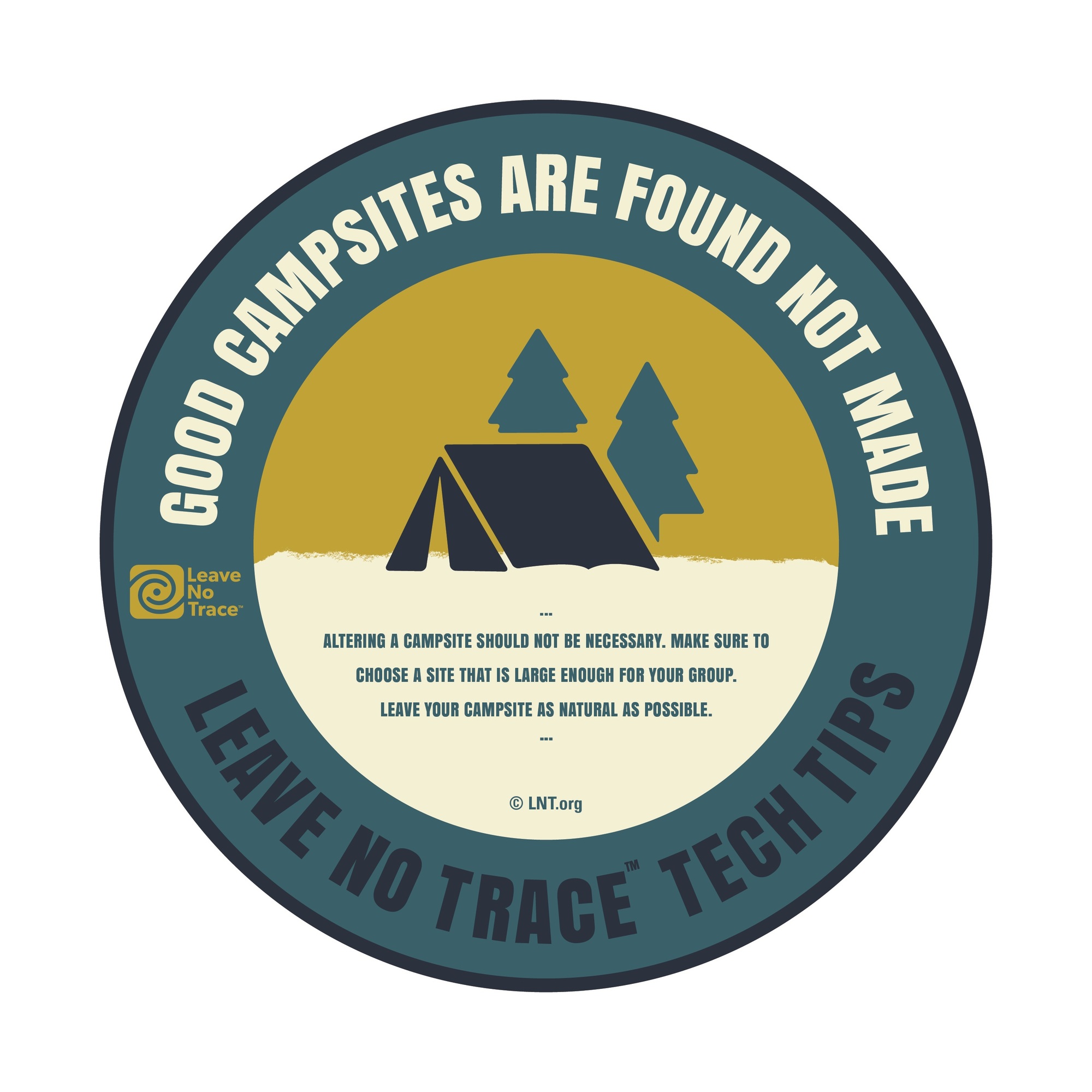
Altering a campsite should not be necessary. Make sure to choose a site that is large enough for your group. Leave your campsite as natural as possible. In the Adirondacks, many tent sites and lean-tos are first-come-first-serve. Be sure you’re within the group size limit, and be courteous to other campers who may show up after you. Follow the Seven Principles of Leave No TraceTM to maintain minimal impact on the environment and the natural resources of the Adirondacks. Use proper trail etiquette to ensure an enjoyable experience for yourself and others and tread lightly!
Environmental Bond Act Listening Sessions and Survey
Overwhelmingly approved by voters last fall, the $4.2 billion Clean Water, Clean Air and Green Jobs Environmental Bond Act prioritizes investments in environmental justice, climate change mitigation, shoreline restoration, flood resilience, water quality, open space conservation, recreational resources, and green jobs. This spring and summer, the public and potential funding applicants can learn more about the Bond Act at a series of educational listening sessions:
Sessions will feature a presentation on the Bond Act and an opportunity for one-on-one discussion with State experts. Meetings are open to the public. Missed out on attending a session near you? Check out the virtual session recordings. We Want to Hear from You! Share your ideas for how the Clean Water, Clean Air and Green Jobs Environmental Bond Act could help your community and environment. Complete a short survey to collect project ideas and other feedback. This survey will provide stakeholders and members of the public a place to share these ideas. The deadline for ideas and comments is September 15. We need your input to help the New York State team select projects and deliver funds while also ensuring a transparent and collaborative process that benefits ALL New Yorkers. |


|
The New York State Department of Environmental Conservation respects your right to privacy and welcomes your feedback | Update preferences or unsubscribe | Learn more about DEC Delivers |
|
Connect with DEC:      
|
|
| Basil Seggos, Commissioner | |