
Wildlife, Fish, and Marine Life Newsletter
The New York State Department of Environmental Conservation sent this bulletin on 08/02/2023 02:00 PM EDT |
| DEC Delivers - Information to keep you connected and informed from the NYS Department of Environmental Conservation |
| View in browser |
Wildlife, Fish & Marine Life Newsletter |
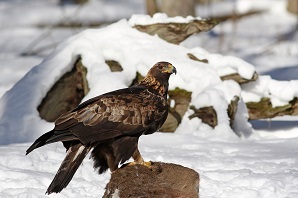
Multi-Year Research Study Aims to Improve Bald and Golden Eagle Conservation Efforts
DEC is seeking hunters to participate in a multi-year study of non-lead ammunition impacts on the state’s eagle conservation efforts. DEC is partnering with the New York Cooperative Fish and Wildlife Research Unit at Cornell University, U.S. Geological Survey, and Conservation Science Global to determine if increasing the use of non-lead ammunition for deer hunting can help reduce bald and golden eagle deaths. Report Shark Sightings in New York
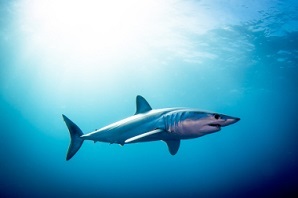
Shark Week may be over, but we’re still celebrating sharks that can be found in New York’s marine waters. Sharks play an important role in the food chain by keeping populations of other fish and marine life in check. Without sharks, a balanced ocean ecosystem can be disrupted and cause negative effects on the entire ocean food web. Shark sightings are a good indicator of a healthy ocean environment. If you’re seeing more sharks, then you’re seeing signs of a healthy marine habitat. If you see a shark, first make sure you stay out of the water and that your surroundings are safe. After you and others are at a safe distance, consider taking a photo and sharing your observation with us through our Shark Spotter digital survey. Photo of shortfin mako shark. State Lands to Explore: Capital District Wildlife Management Area
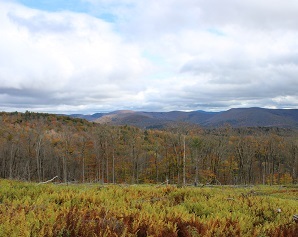
Capital District Wildlife Management Area (WMA) is located in the towns of Berlin and Stephentown. Winter, spring, summer, or fall, if you are craving some Adirondack-like scenery, this 4,000-acre (soon to be 10,000-acre) parcel of woods is the place to go. While touring the many interior access roads (note: not plowed in winter), you may see deer, fisher, or even a moose. In spring, the many streams, bogs, and wetland pools burst with woodland wildflowers, forest warblers, and pond-breeding amphibians. In the summer, the deep conifer greens mix with lighter hardwood emerald greens in a bridge of leaves that closes over the top of the woodland trails. Fall is when this WMA really shines, with bursting colors that amaze around every turn. In the winter, the WMA is silent; the higher elevations here typically see snow far earlier and for much longer than the lower elevations around the Albany area. You can also admire the panoramic vista from 1,750 feet in elevation that looks out across the Cherry Plain towards Butternut Hill, Eagle Rock, and Mt. Greylock. There are seven trails totaling nine miles in length across the entire WMA. If hiking with your dog, remember pets must be leashed on WMAs to protect wildlife, and because there is a healthy population of porcupines in the area. Recreational opportunities at this WMA include hunting, trapping, fishing, birding, photography, cross-country skiing, snowshoeing, and hiking. Birders visiting the WMA are likely to enjoy seeing red-shouldered hawk, barred owl, indigo bunting, wood duck, American redstart, ovenbird, black-throated blue warbler, and Connecticut warbler. Read more about Capital District WMA in the February/March 2023 issue of The Conservationist (PDF). |
|
The New York State Department of Environmental Conservation respects your right to privacy and welcomes your feedback | Update preferences or unsubscribe | Learn more about DEC Delivers |
|
Connect with DEC:      
|
|
| Basil Seggos, Commissioner | |