Hunting and Trapping Newsletter
The New York State Department of Environmental Conservation sent this bulletin on 05/09/2023 10:18 AM EDT |
| DEC Delivers - Information to keep you connected and informed from the NYS Department of Environmental Conservation |
| View in browser |
Hunting and Trapping Newsletter |
|
Prevention and Management of Diseases in Big GameOn May 11th at noon staff from the American Wildlife Conservation Foundation and DEC’s Wildlife Health Unit will co-host a 1-hour webinar on EHD and CWD. Learn from Drs. Krysten Schuler and Patrick Connelly on potential ways to prevent and manage outbreaks of these diseases by registering for the event. Over the past three years areas of the Hudson Valley, Long Island, and eastern shores of Lake Ontario in New York have been impacted by outbreaks of Epizootic Hemorrhagic Disease (EHD), a seasonal but often fatal disease of deer that is spread by biting flies also known as midges. In 2005, DEC successfully eradicated an outbreak of Chronic Wasting Disease (CWD), an always fatal disease of deer spread by misshapen proteins called prions. DEC’s Wildlife Health and Big Game Units continue to conduct extensive monitoring for these and other diseases of deer throughout the state and DEC’s Division of Law Enforcement continues to enforce regulations to help prevent their spread. However, public awareness of these diseases and personal adoption of spread prevention strategies is essential to keeping New York’s deer populations healthy.
Take an In-Person DEC Course
Report your Moose Sightings
Based on the moose sighting data compiled by DEC to date, spring moose sightings typically occur along major roadways in the central Adirondacks during the morning between 6AM-9AM, with a secondary spike in sightings occurring in the evening around 7PM (see map). Moose are crepuscular and are often drawn to the edges of roadways during these times because of the salt that was used during winter road maintenance and the presence of early successional vegetation which moose feed on. Moose are large animals and can be easily spotted from a distance during the day, but it can be much more difficult to pick them out at night. Their dark fur blends in with their nighttime surroundings and they stand much taller than other wildlife making it difficult to see their eyes reflecting from your car’s headlights. In the upcoming weeks, adult females will also begin birthing calves, and their calves from last year will begin venturing off on their own. These juvenile moose often move great distances across the landscape and cross many roads in search of their own home range, making them especially vulnerable as they navigate through unfamiliar areas. It’s important to be extra vigilant and slow down through sections of roadway where moose crossing signs exist in order to avoid a moose-vehicle collision. If you happen to see a moose, enjoy the experience and take photos, but be sure to give it plenty of space. Moose can be very dangerous and should never be approached, fed, or surrounded. DEC recommends not sharing the moose’s location on social media or with other people in the area in order to avoid these situations. Help keep moose healthy and safe by reporting your sightings to DEC.
NEW – Next Step Courses
|
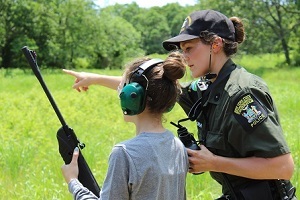 In-person, instructor-led certification courses for hunter education, bowhunter education, and trapper education are now being offered throughout NYS. These free courses are a must for all first-time hunters and trappers planning to go afield this year, but anyone who has an interest in hunting or trapping can take a course as well. Courses fill quickly, so do not delay in registering for a course. Visit DEC's website to
 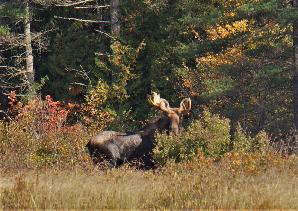 If you are planning a trip to the Adirondacks, there is a chance that you could see a moose. DEC requests that any moose observations be reported through the
 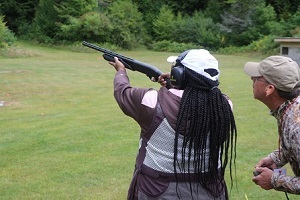 Next Step courses are for those who have completed a hunter education, bowhunter education, or trapper education certification course and want more instruction and hands-on experience in shooting and trapping. These 4-hour courses are taught by certified DEC instructors. There is no certification offered with these courses. Please NOTE: You must be certified in the discipline of the Next Step Course you wish to attend. Certificate number is required for registration.
|
The New York State Department of Environmental Conservation respects your right to privacy and welcomes your feedback | Update preferences or unsubscribe | Learn more about DEC Delivers |
|
Connect with DEC:      
|
|
| Basil Seggos, Commissioner | |