April Invasive Species News
The New York State Department of Environmental Conservation sent this bulletin on 04/07/2023 03:30 PM EDT |
| DEC Delivers - Information to keep you connected and informed from the NYS Department of Environmental Conservation |
| View in browser |
April Invasive Species News |
Forest Management in the Long Island Central Pine Barrens for SPB Prevention
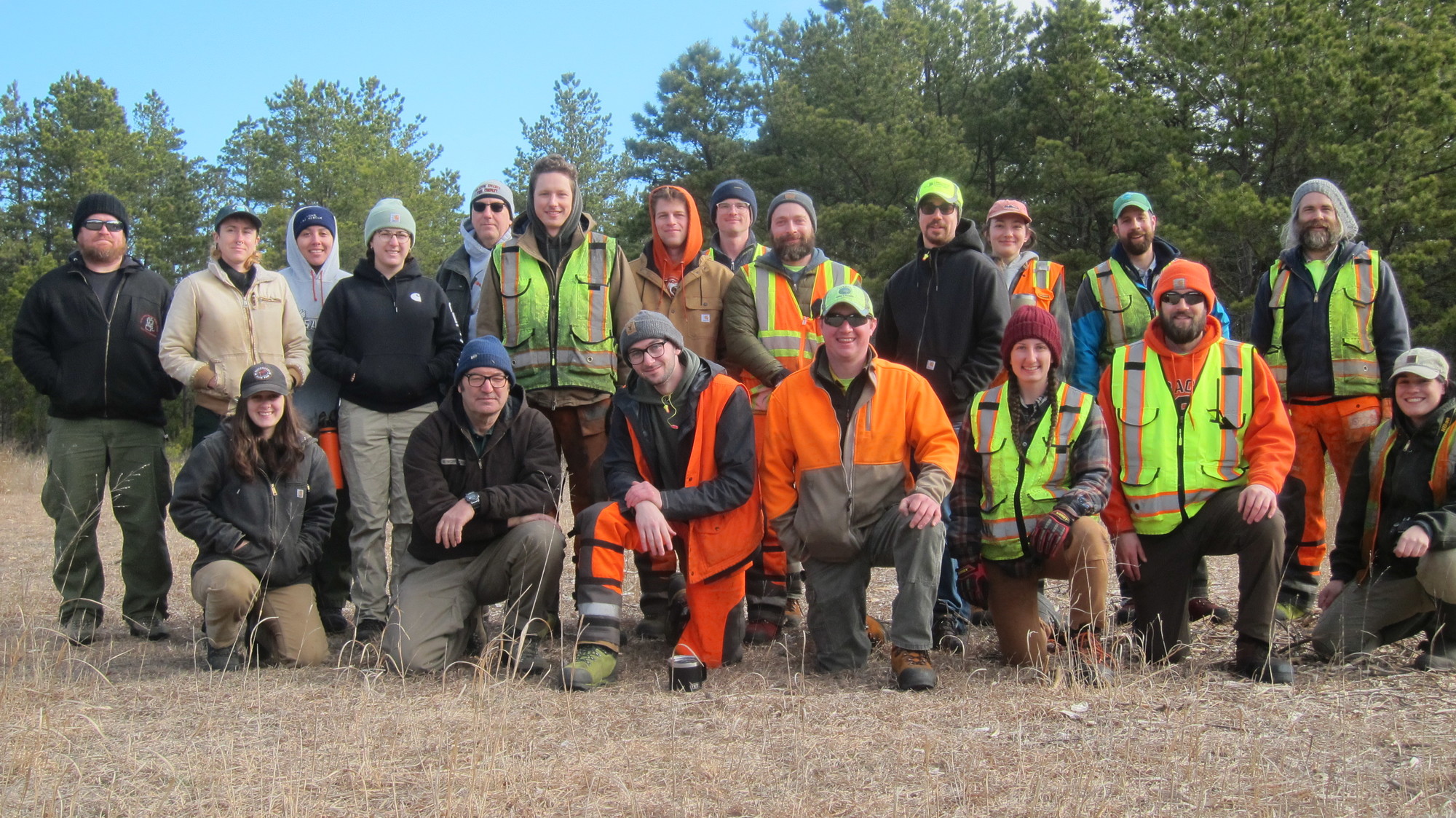
Crews from DEC Lands & Forests and the Central Pine Barrens Commission worked hard last month in the Long Island Central Pine Barrens to prevent the spread of southern pine beetle. Southern pine beetle (SPB) is a bark beetle that infests pine trees, killing a tree within 2-4 months. Since SPB was first found in Long Island in 2014, DEC has been managing the Central Pine Barrens using forest thinning and prescribed fire. How does forest management prevent the spread of SPB?
The Central Pine Barrens is a fire-dependent ecosystem and requires regular low-intensity forest fires to create and maintain a healthy pine barrens system. A historical suppression of natural fire and lack of forest management has caused much of the pine barrens to become densely packed with overcrowded and weakened trees. Crowded forest conditions allow SPB to move from tree to tree easily, infesting large areas and increasing their populations dramatically. Forest thinning and returning fire to the landscape creates a healthy pine barrens ecosystem and makes it difficult for SPB to spread from tree to tree. SPB’s natural range is expanding due to climate change, so suppressing population numbers in Long Island will help slow or prevent the spread to more northern areas of the state. Last March, field crews added 96.5 acres of restored forest to the 150 restored acres from previous years. This will make the forest more resilient against attack from SPB in the future.
Top photo: A crew member cutting a pitch pine tree. Winter Cold Snaps May Assist Hemlock Wooly Adelgid Control
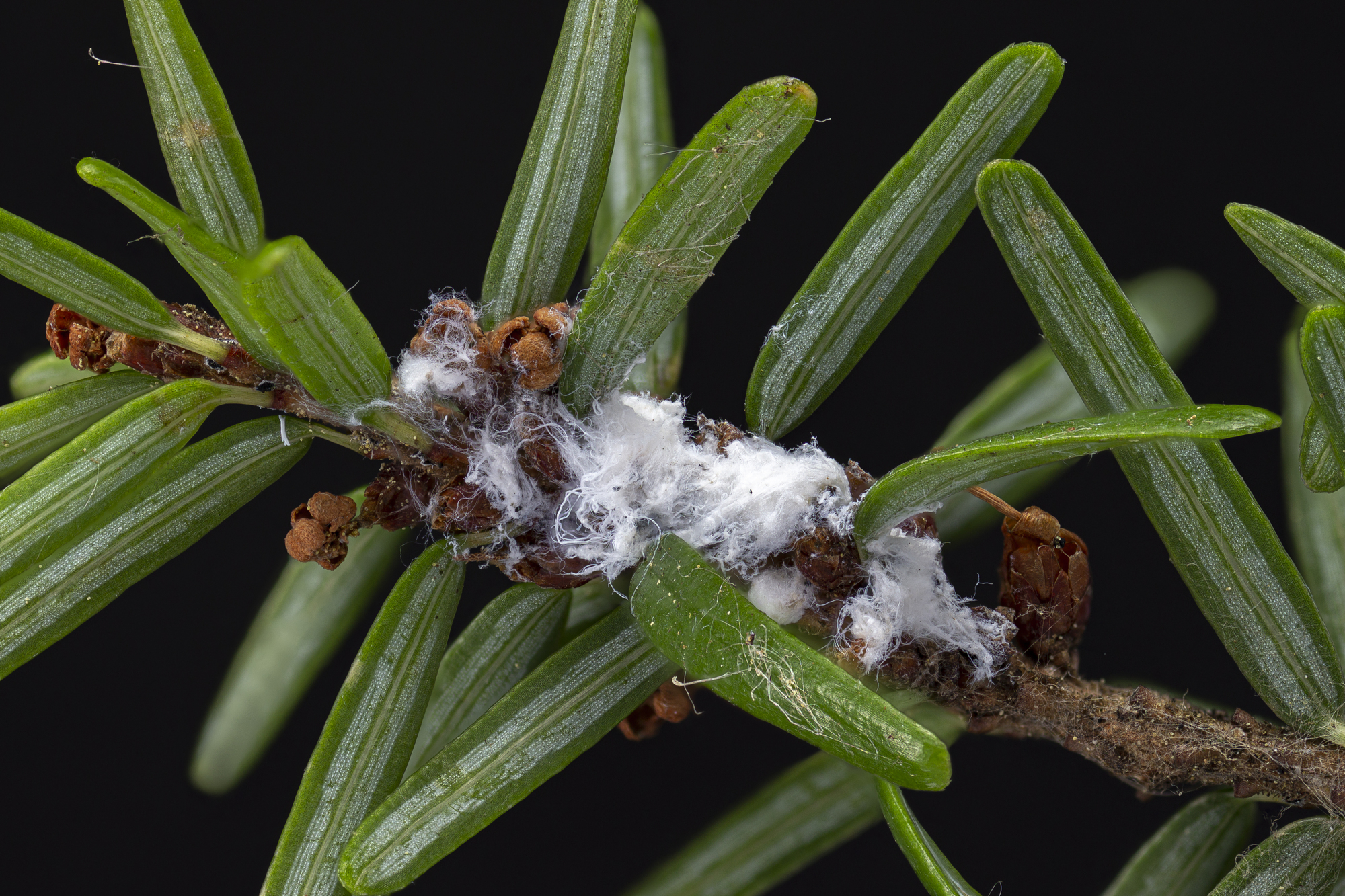
Native to Asia, the hemlock woolly adelgid, or HWA, is an invasive, aphid-like insect that attacks North American hemlocks. Juvenile HWA, known as crawlers, search for suitable sites on the host tree, usually at the base of the needles. HWA remain in the same spot for the rest of their lives, continually feeding and developing into adults. Their feeding severely damages the canopy of the host tree by disrupting the flow of nutrients to its twigs and needles. Tree health declines and mortality usually occurs within 4 to 10 years. DEC's Invasive Species program, in partnership with the NYS Hemlock Initiative, has been monitoring the numbers of HWA crawlers in many parts of the state to see if cold winter temperatures affect HWA mortality. Surveys this past winter were done in the eastern and western parts of New York to count how many HWA crawlers were found alive vs. dead after the several cold snaps we had last winter. Based on early counts, it appears that the cold weather caused 70-90% mortality of HWA crawlers. This is encouraging, as it means that natural environmental factors do play a part in slowing the spread of this invasive species in the northeast. However, climate change could be a concern if we are to expect increasingly warm temperatures in the future. This level of mortality is not enough to eradicate HWA in infested areas, but it can, along with biocontrol efforts, help preserve the life of New York’s hemlocks. Photo: One of the symptoms of an HWA infestation is white fuzzy masses at the base of hemlock needles. |


|
The New York State Department of Environmental Conservation respects your right to privacy and welcomes your feedback | Update preferences or unsubscribe | Learn more about DEC Delivers |
|
Connect with DEC:      
|
|
| Basil Seggos, Commissioner | |