
Saltwater Fishing & Boating Newsletter
The New York State Department of Environmental Conservation sent this bulletin on 03/27/2023 04:06 PM EDT |
| DEC Delivers - Information to keep you connected and informed from the NYS Department of Environmental Conservation |
| View in browser |
Saltwater Fishing & Boating Newsletter |
|
In This Issue:
Seal Season is Here! Keep a Safe Distance Away from SealsDEC is reminding New Yorkers to share the shore with seals. The height of seal season in New York is upon us, and that means there is an increase in the potential for seal and human interactions as well. It is very normal to see a single seal, even quite young, on the beach alone. Seals are at home on land just as much as they are in the water and do not require any assistance from us – except maintaining a safe and legal distance.
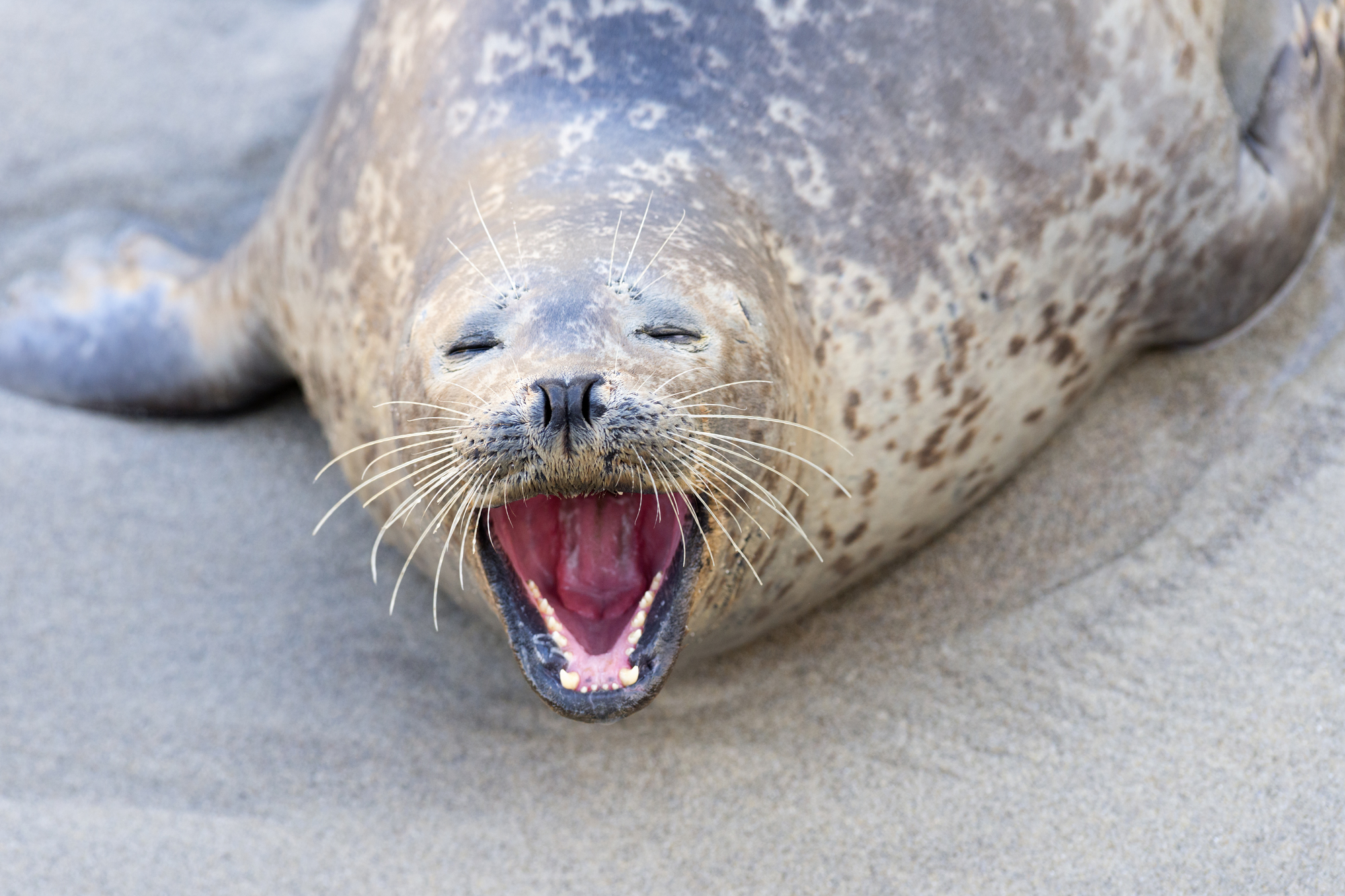
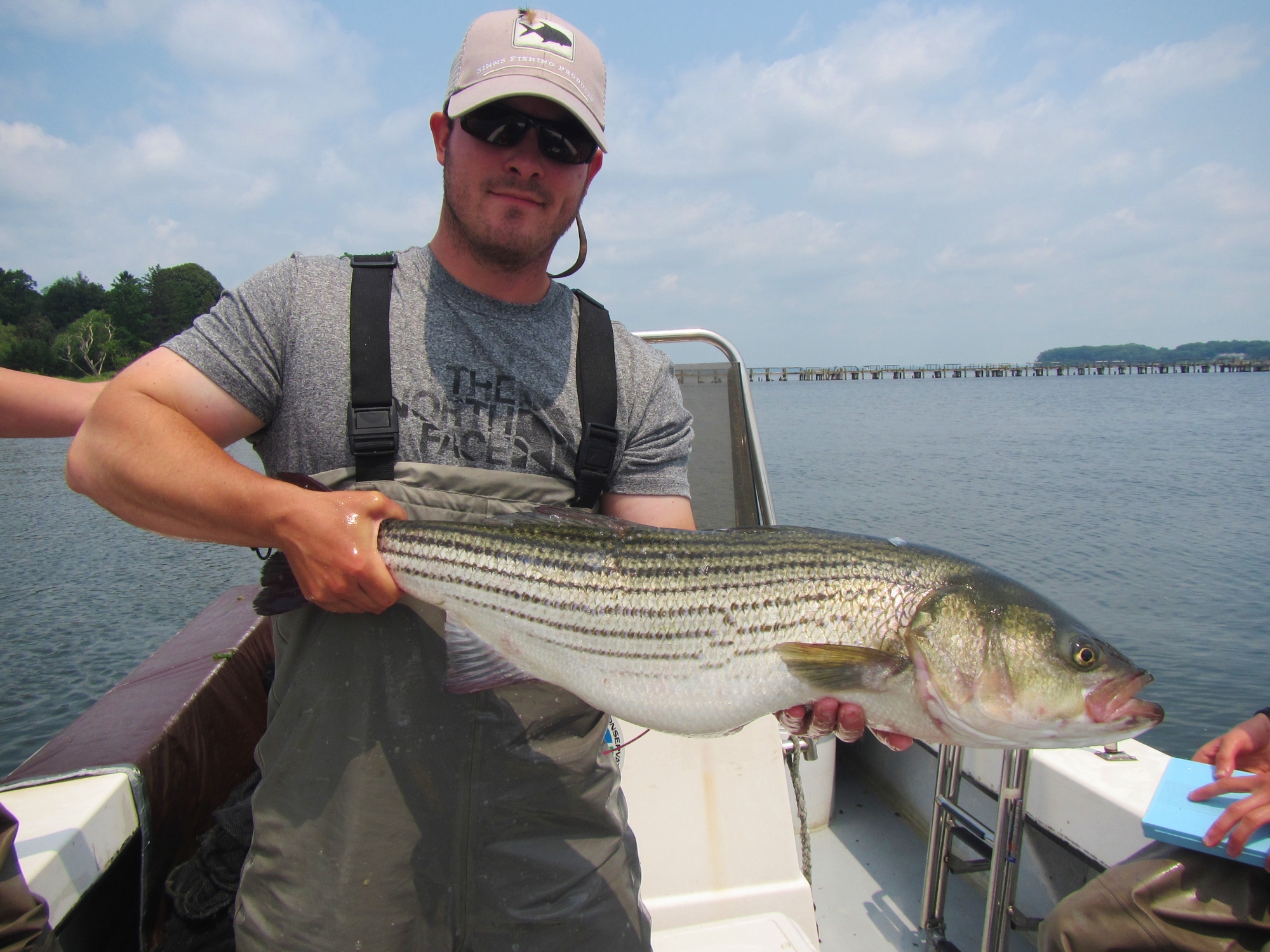
Please always keep at least 50 yards away from seals. Remember, if the seal is aware of your presence, you’re too close. Other signs that a person or pet are too close include raising flippers, yawning, eating sand and/or rocks, and showing their teeth, as the seal pictured here is doing. Seals and other marine mammals are protected by federal and state law. Only federally permitted individuals may handle them. If a seal appears injured or sick, call the 24-hour New York Stranding Hotline at (631) 369-9829. Trained responders will administer any and all care the animal might require. If you observe an individual harassing or endangering protected species like seals, please contact DEC Environmental Conservation Police Officers (ECOs) to report the incident by calling 1-844-DEC-ECOS for 24-hour dispatch or emailing central.dispatch@dec.ny.gov (for non-urgent violations). For urgent violations involving physical interaction, please use the Stranding Hotline. For more information on keeping a safe distance from marine mammals, visit DEC's website. Join the Striped Bass Cooperative Angler ProgramStriped bass is New York's official saltwater fish and is highly sought-after by recreational anglers in New York's marine waters and the Hudson River. DEC is seeking participants to join the Striped Bass Cooperative Angler (SBCA) Program to help biologists understand and maintain a healthy striped bass population. Fishing in the Hudson River The recreational striped bass fishing season in the Hudson River north of the George Washington Bridge is open April 1 through November 30 and the recreational slot limit is 18 to 28 inches (not less than 18 inches nor greater than 28 inches). Anglers who fish for striped bass in the tidal Hudson River should email hudsonangler@dec.ny.gov or visit DEC's website to learn more about the Hudson River Cooperative Anglers Program. Fishing in New York's Marine District In marine waters (south of the George Washington Bridge), the recreational slot limit is 28 - 35 inches (not less than 28 inches nor greater than 35 inches) and the season is open April 15 through December 15. Anglers who fish for striped bass in New York's marine waters should contact sbcaprogram@dec.ny.gov or visit DEC's Striped Bass Cooperative Anglers webpage for more information.
Striped Bass Recreational Fishing Gear Effective March 8, 2023, DEC prohibits the use of gaffs when fishing recreationally for striped bass. Additionally, DEC requires anglers use circle hooks when fishing for striped bass with bait. Visit DEC's website for more best practices for saltwater fishing. Before fishing, DEC encourages anglers to check the Recreational Saltwater Fishing Regulations for the most up-to-date information before going fishing. In New York's Marine and Coastal District, or when fishing in the Hudson River and its tributaries for "migratory fish of the sea," including striped bass, be sure to enroll in the annual no-fee Recreational Marine Fishing Registry. Get hooked on The Fishing Line Whether you’re an avid angler, only just getting into fishing, or wanting to stay in the loop with DEC Fisheries, the Fishing Line newsletter has something for you! Get the latest updates on fisheries management and how it ties into fishing, meet the staff making it happen, learn about survey opportunities, and more. Sign up and get hooked today! ACCSP and NOAA Fisheries Release Plan to Improve Atlantic Recreational Fisheries DataThe Atlantic Coastal Cooperative Statistics Program (ACCSP) and NOAA Fisheries have released a plan to improve recreational fisheries data collection on the Atlantic Coast. The Marine Recreational Information Program (MRIP) Regional Implementation Plan for the Atlantic Coast (PDF) identifies data needs and funding priorities for the next 5 years. The plan aims to provide better data for stock assessment and management, and to support fishing opportunities for generations to come. The ACCSP, which collects, manages, and disseminates Atlantic commercial and recreational fisheries data, coordinates the plan with the help of its partners. The plan includes improvements to the precision and presentation of estimates, comprehensive for-hire data collection, improved recreational fishery discard and release data, expanded biological sampling, and improved in-season monitoring. These improvements will help provide better data for stock assessment and management, which is essential for maintaining sustainable fishing practices and supporting fishing opportunities for generations to come. NOAA Fisheries will use the plan to guide its allocation of resources and to address the data needs of regional fishery stock assessors and managers. For more information on the plan, visit NOAA's website. Recovery Plan for Hudson River American Shad ReleasedDEC has announced the release of the Recovery Plan for Hudson River American Shad (PDF). American shad is an economically and ecologically important migratory fish species that once supported a robust fishery in the Hudson River. Decades of intense fishing pressure coupled with years of low reproduction and non-fishing-related mortality events have further impacted the stock’s resilience and exacerbated declines.
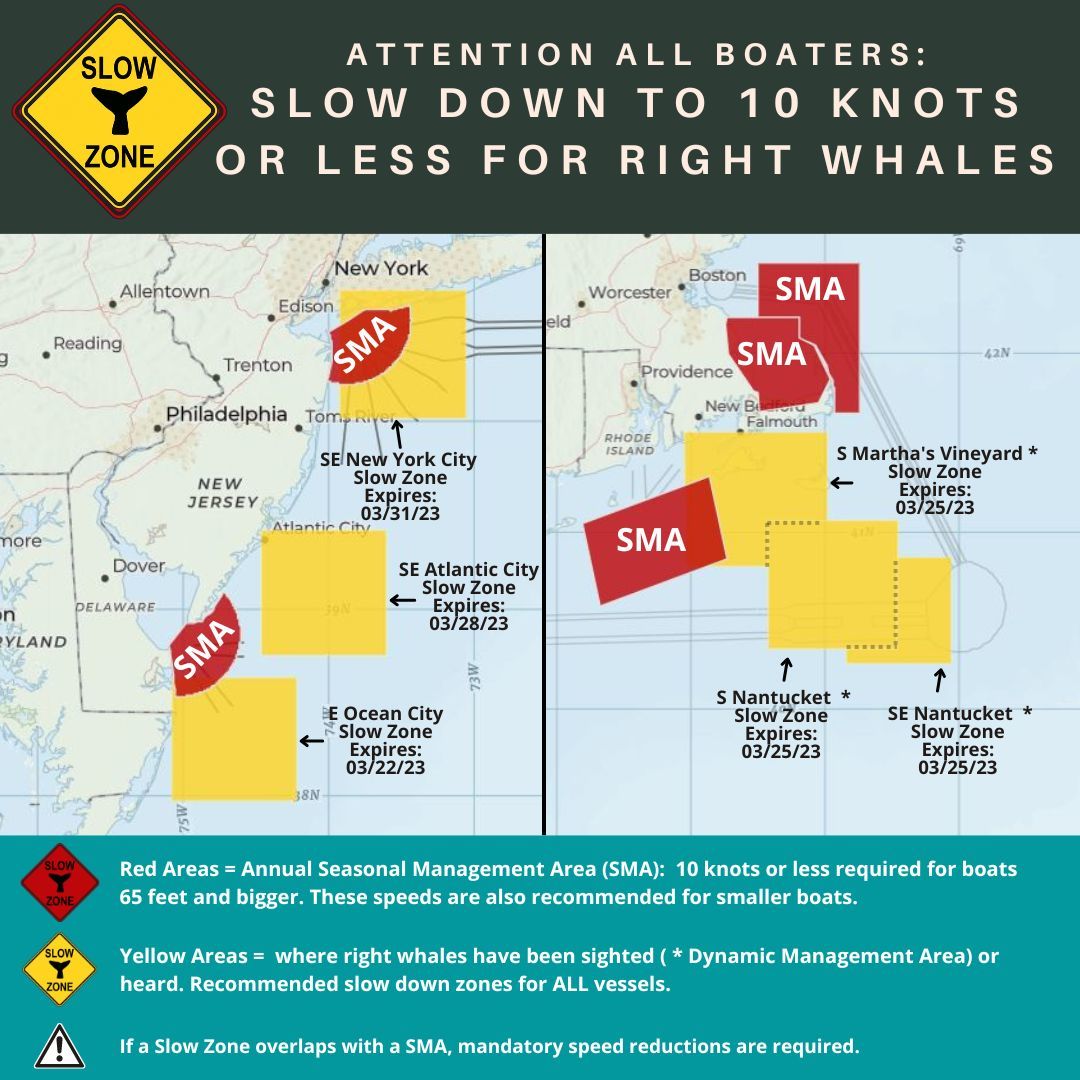
Significant actions have been taken to improve the Hudson River shad stock since the 2010 closure of the New York fisheries for shad, including reduced mortality at industrial water intakes and ocean-bycatch caps. However, conservative management and considerable patience are needed to return the Hudson River shad stock to levels with enough resilience for commercial and recreational harvest. The plan delineates the recovery goals and benchmarks based on decades of annual monitoring data and the most recent American shad stock assessment. With the aim of long-term stock resilience, DEC will continue to gather data, identify challenges, and take management actions that are in line with recovery priorities and are supported by sufficient data. As this plan also outlines, the short-term objective is to reopen the catch-and-release fishery while supporting the long-term recovery objective of returning the stock to 1940s’ levels. For more information about American shad, visit DEC's website. Watch Out for Whales in New York's WatersNOAA Fisheries administers vessel speed reduction zones which include both mandatory (Seasonal Management Areas) and voluntary (Dynamic Management Areas/Slow Zones) speed reduction areas for vessels to reduce the likelihood of deaths and serious injuries to critically endangered North Atlantic right whales that result from collisions with vessels. In the Seasonal Management Areas (SMAs), all vessels 65 feet or longer must travel at 10 knots to reduce the threat of vessel collisions. Dynamic Management Areas (DMAs) are voluntary Slow Zones that are triggered when 3 or more right whales are recorded in an area. In DMAs, all vessels are encouraged to travel less than 10 knots. Boaters from Maine to Virginia, or interested parties, are encouraged to sign up for email or text notifications about the latest Right Whale Slow Zones/DMAs and SMAs. In July 2022, NOAA Fisheries proposed regulations that would broaden the requirements of mandatory speed reduction zones to further protect North Atlantic right whales. In addition to protecting North Atlantic right whales, Slow Zones provide added protection to all large whales and marine mammals. Below are the current SMAs and DMAs in effect:
Environmental Conservation Police on PatrolDEC Division of Law Enforcement enforces the 71 chapters of New York State’s Environmental Conservation Law (ECL), protecting fish and wildlife and preserving environmental quality across New York. In 2022, Environmental Conservation Police Officers (ECOs) and Investigators across the state responded to more than 25,600 calls and worked on cases that resulted in nearly 13,800 tickets or arrests for violations ranging from deer poaching to solid waste dumping, illegal mining, the black market pet trade, and excessive emissions violations. Visit DEC's website for the recent ECOs on Patrol across the state.
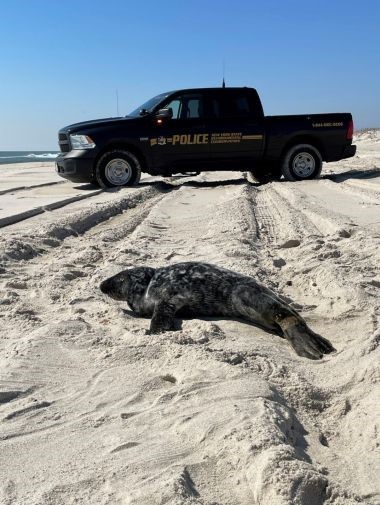
Sunbathing Seal – Suffolk County Photo Caption: ECO ensuring safety of seal sunbathing at Gilgo Beach in Suffolk County
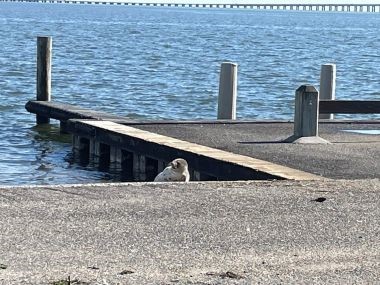
Keep Your Distance – Suffolk County Photo caption: Arctic harp seal on Babylon Village boat ramp Open Public Comment Periods6 NYCRR Parts 10 and 40 - Shad and Cobia This rulemaking is required to maintain New York's consistency with fishery management plans for transboundary and migratory species as required by Environmental Conservation Law (ECL) § 13-0105. This rule making will implement Atlantic States Marine Fisheries Commission (ASMFC) requirements for recreational American Shad and Cobia. Comment period is open through May 8, 2023. Written comments can be submitted to: John Maniscalco 6 NYCRR Part 40 - Marine Fish (Striped Bass) This rulemaking is required to ensure that New York maintains compliance and consistency with requirements of the Atlantic States Marine Fisheries Commission's (ASMFC) Interstate Fishery Management Plan (FMP) for Atlantic striped bass. The FMP requires that states adopt a prohibition on the use of gaffs when recreationally fishing for striped bass. This rulemaking also removes the commercial tag price cap and updates federal reporting requirements. This emergency rulemaking is currently in effect as of March 8, 2023. Comment period is open through May 22, 2023. Written comments can be submitted to: Caitlin Craig Upcoming Fishery MeetingsMid-Atlantic Fishery Management Council April Meeting This is an in-person public meeting with a virtual option, visit MAFMC's website for virtual meeting details. A complete agenda (PDF) for the meeting is available for review. Marine Resources Advisory Council Meeting A link to listen to the meeting will be available before the meeting on DEC's website. |
|
The New York State Department of Environmental Conservation respects your right to privacy and welcomes your feedback | Update preferences or unsubscribe | Learn more about DEC Delivers |
|
Connect with DEC:      
|
|
| Basil Seggos, Commissioner | |