
DEC Adirondack Outdoor Recreation Bulletin - March 16, 2023
The New York State Department of Environmental Conservation sent this bulletin on 03/16/2023 04:52 PM EDT |
| DEC Delivers - Information to keep you connected and informed from the NYS Department of Environmental Conservation |
| View in browser |
DEC Adirondack Outdoor Recreation BulletinMarch 16, 2023 |
|
This bulletin provides only the most recent notices. Check the Adirondack Backcountry webpages for more detailed information on access, outdoor recreation infrastructure, and conditions. Emergency Situations: If you get lost or injured; keep calm and stay put. If you have cell service, call 911 or the DEC Forest Ranger Emergency Dispatch, 833-NYS-RANGERS. Welcome to the Adirondacks. The Welcome to the Adirondacks webpage provides information about the Forest Preserve, conservation easement lands, outdoor recreation, and Leave No Trace™. Love Our NY Lands: All New Yorkers and visitors should be able to access, enjoy, and feel welcome on state lands. While enjoying these shared spaces, be respectful of other visitors. Share trails, treat people with kindness, and leave things as you found them for others to enjoy. All of us have a responsibility to protect State lands for future generations. Learn more about how you can Love Our NY Lands. In This Issue
Recent NoticesThe following are only the most recent notices pertaining to public lands in the Adirondacks. Please check the Adirondack Backcountry webpages for a full list of notices, including seasonal road statuses, rock climbing closures, specific trail conditions, and other pertinent information NEW THIS WEEK High Peaks Wilderness:
Lake George Wild Forest: Shelving Rock Road is closed for spring mud season. On 3/17 the Town of Fort Ann will close the mud gate on Shelving Rock Road, just North of the Hogtown Road intersection. PREVIOUS NOTICES Town of Long Lake: Ice conditions in the Town of Long Lake (Long Lake, Forked Lake) continue to be variable and unreliable. Snowmobilers are advised to stay off the ice. More snowmobiles have broken through the ice in recent days and weeks. General Notices
Visit the main Adirondack Backcountry page for more trip-planning resources. Know Before You Go (03/16):
Check the Weather: Check the forecast for your destination and pack and plan accordingly. Check the National Weather Service Northern Adirondacks and Southern Adirondacks Mountain Point Forecasts for select summit forecasts. Check both daytime and nighttime temperatures and remember that temperatures will drop as you gain elevation. Be Safe in Avalanche Terrain: Backcountry downhill skiers, snowboarders, and all outdoor adventurers who may traverse slides or steep, open terrain should be aware of and prepared for avalanche conditions. If you are planning a trip to avalanche-prone territory, research the route ahead of time and contact a local DEC Forest Ranger for specific safety and conditions information, or contact a local guide. Before going into the backcountry, be equipped with avalanche safety tools and knowledge, such as participation in an avalanche safety course. Learn more about avalanche danger, preparedness, and safety precautions. Seasonal Roads: Many seasonal access roads are closed for the winter. Check the Recent Notices for specific closure announcements and be prepared to turn around and take an alternate route. Snowmobiles: Visitors are advised to plan ahead and check local club, county, and State webpages and resources, including the NYSSA Snowmobile web map, for up-to-date snowmobile trail information. Water Conditions: Water levels range from average to above average for this time of year in the eastern and central portions of the Adirondack region and below average in the western part of the region. Check the USGS Current Water Data for New York for stream flow of selected waters. Personal Flotation Devices (PFDs aka lifejackets) are strongly recommended. Safety & Education
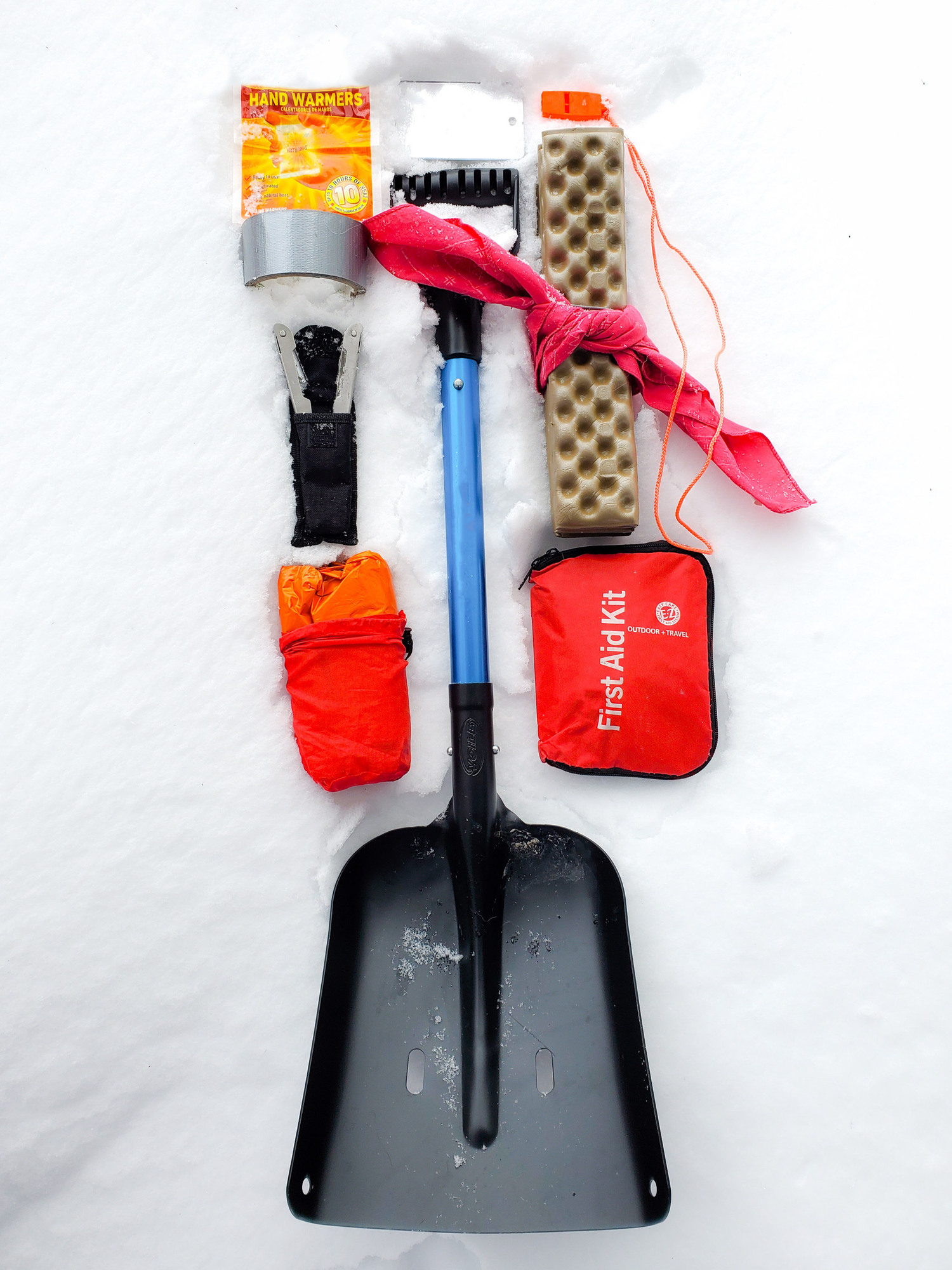
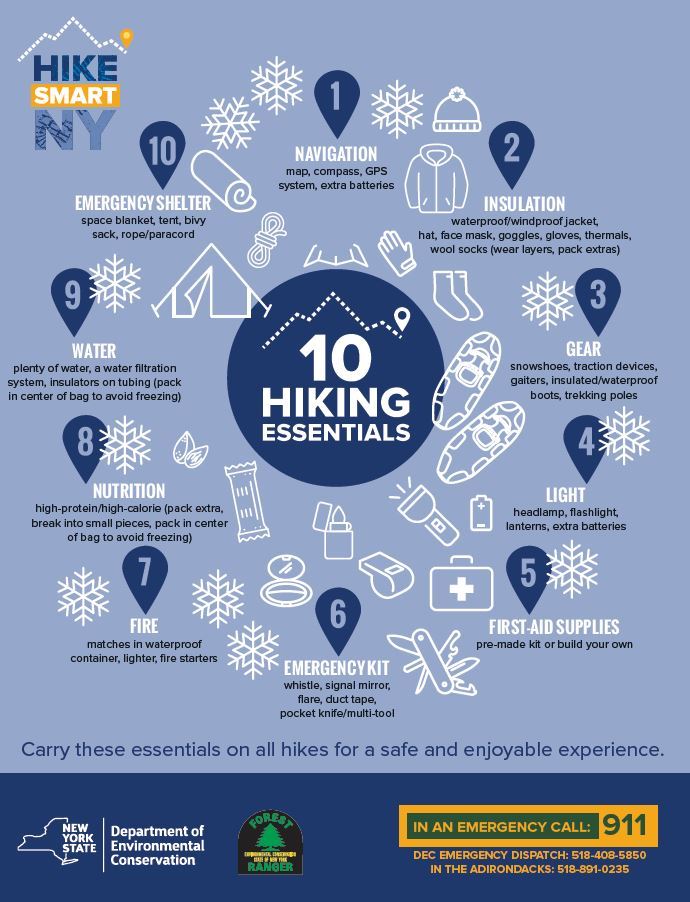
Whether you’re going for a hike, a ski, or out fishing, Hike Smart NY can help you prepare with a list of 10 essentials, guidance on what to wear, and tips for planning your trip with safety and sustainability in mind. Account for Conditions When Planning Your Time A timeline should always be part of your hiking plans. In winter, it’s important to pad your timeline to account for difficult conditions and frequent gear changes. Your timeline should be based on the mileage and difficulty of the trail as well as your average speed. Your timeline should include a start time, turnaround time, and estimated end time. If there are significant milestones along your route, include the time you expect to reach those spots as well. Stick to your turnaround time whether you have reached your final destination or not. Hiking through snow and over ice takes more time and energy than walking on bare trails and requires frequent stops to change gear and adjust clothing layers. Account for this additional time and effort when creating your timeline and keep track of your progress as you go. If you find yourself moving slower than expected, adjust your expectations and your turnaround time to ensure you make it back to the trailhead by your end time. Last but not least, share your timeline with a trusted friend or family member who can alert the appropriate authorities of a potential emergency if you are overdue returning from your hike. Leave No Trace™
Follow the Seven Principles of Leave No Trace to maintain minimal impact on the environment and the natural resources of the Adirondacks. Use proper trail etiquette to ensure an enjoyable experience for yourself and others and tread lightly! Don’t Be Tricked by Packed Trails If you’re hiking on a snow-covered trail, it can sometimes be confusing as to why snowshoes or skis are needed. Snow on trails can feel like a hard, stable surface, especially in the spring when months of compaction have created a packed surface. You might not find yourself sinking as you would in fresh snow. However, it’s still important to wear snowshoes or skis for the moments when you step off that hardened surface. Trailside snow in the spring can take many forms. It might be fluffy and deep after fresh snowfall, or it might be rotten and wet as temperatures warm. Either way, it is rarely as compact as the snow on the trail itself. Even a small step off trail could lead to your foot dropping inches or even feet into the snow creating a posthole. Postholing is dangerous for you and other visitors. These sudden drops can lead to falling and injury. They also create hazards for those who come after you. Wearing snowshoes or skis on trails with more than 8 inches of snow – even when that snow has been packed down – ensures that you will stay afloat even when you step off trail. 2023 DEC Camping Reservation Changes
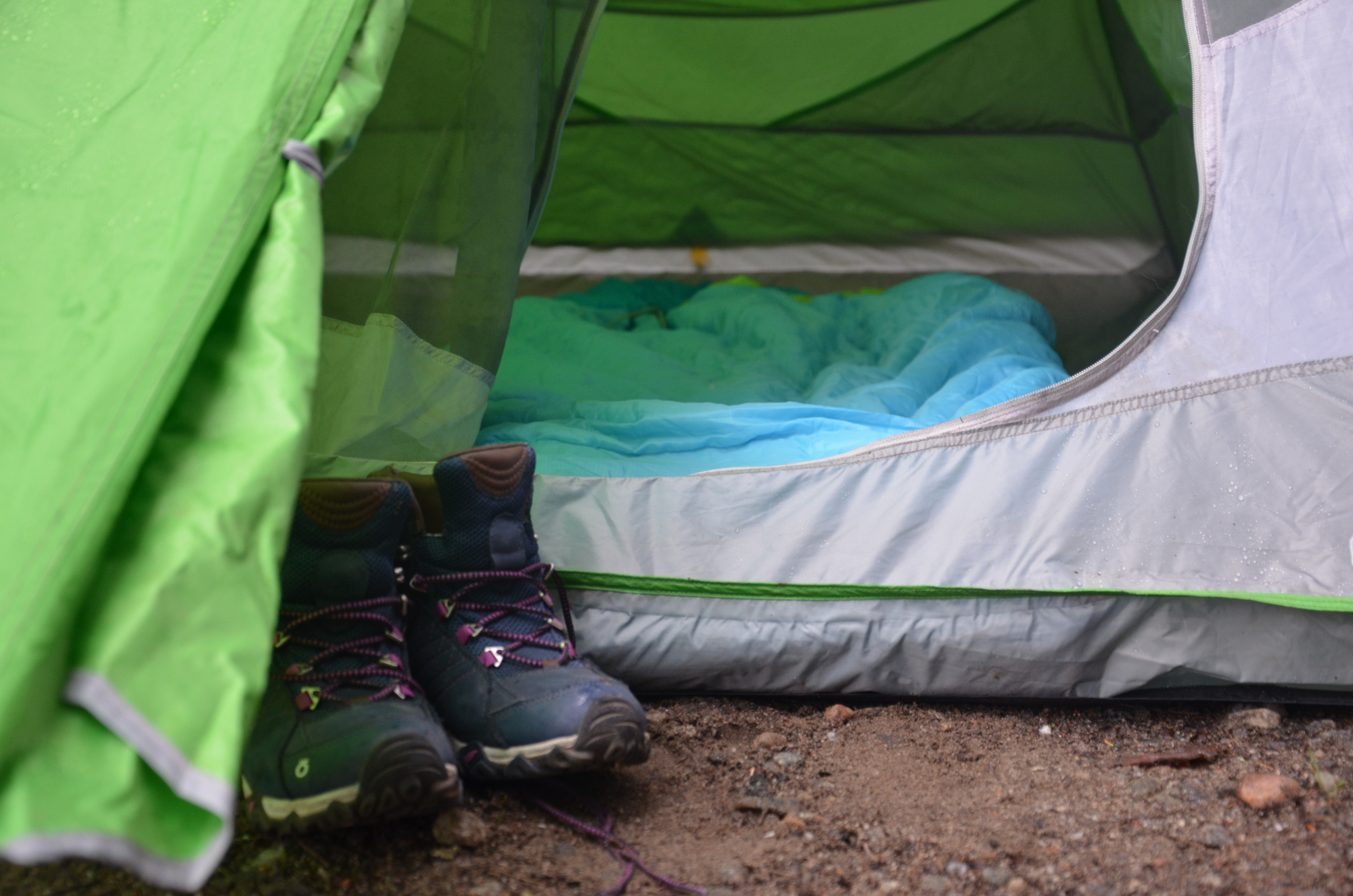
DEC has announced changes to reservations at DEC campgrounds for the upcoming season, including new same-day reservations to help add flexibility and ease to last-minute bookings. The change will afford last-minute campers the security of a reserved campsite at any of DEC's 52 campgrounds and aligns the Forest Preserve-based campgrounds with the reservation window currently employed by the facilities operated by the State Office of Parks, Recreation and Historic Preservation. All New York State campgrounds will now accept reservations as late as the same day. Reservations will be required, and patrons can now book a camping reservation as late as 5 p.m. on the desired day of arrival. The public will also be able to book a one-night stay for the 2023 season at any DEC campground beginning April 7, 2023. This will mean that gaps between reservations will be able to be filled earlier than in the past. For more information on DEC-operated campgrounds, including a list of campgrounds and schedules, visit DEC's website or call DEC's Bureau of Recreation at 518-457-2500. To make reservations at any of DEC's camping facilities, call ReserveAmerica at 1-800-456-CAMP (2267) or visit the ReserveAmerica website. Summer Employment OpportunitiesWould you like to work in New York State's beautiful Adirondack and Catskill Forest Preserves this summer?
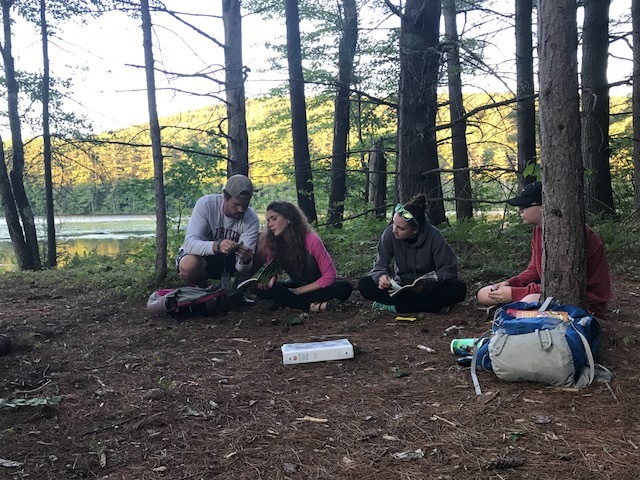
2023 Summer Camps Program We are actively recruiting Directors, Assistant Directors, Waterfront Directors, Cooks, Nurses, EMTs, Counselors, and Camp Aides for the 2023 Summer Camps Program. All positions offer competitive salaries, plus room and board for the summer. Locations of DEC Summer Camps:
DEC Summer Camps combine environmental education, hunter education, and outdoor recreation to create an adventurous experience for youth. Camp staff engage campers in ecological principles such as field, forest, aquatic, wildlife, and human impact and outdoor skills including backpacking, camping, and canoeing. Learn more about the employment opportunities and how you can apply to work at DEC Environmental Education Camps. DEC Campgrounds and Day-use Areas Be a part of a team that helps vacationers enjoy the great outdoors in the Catskill Forest Preserve and Adirondack Park. Positions available include Lifeguard, Maintenance, Security, Supervisor, and more! Some positions start as early as May, but varying start dates can be accommodated based on school and work schedules. For more information on available positions or to apply for a position call 518-457-2500, e-mail campinfo@dec.ny.gov, or visit the Campground Seasonal Employment webpage on DEC's website.
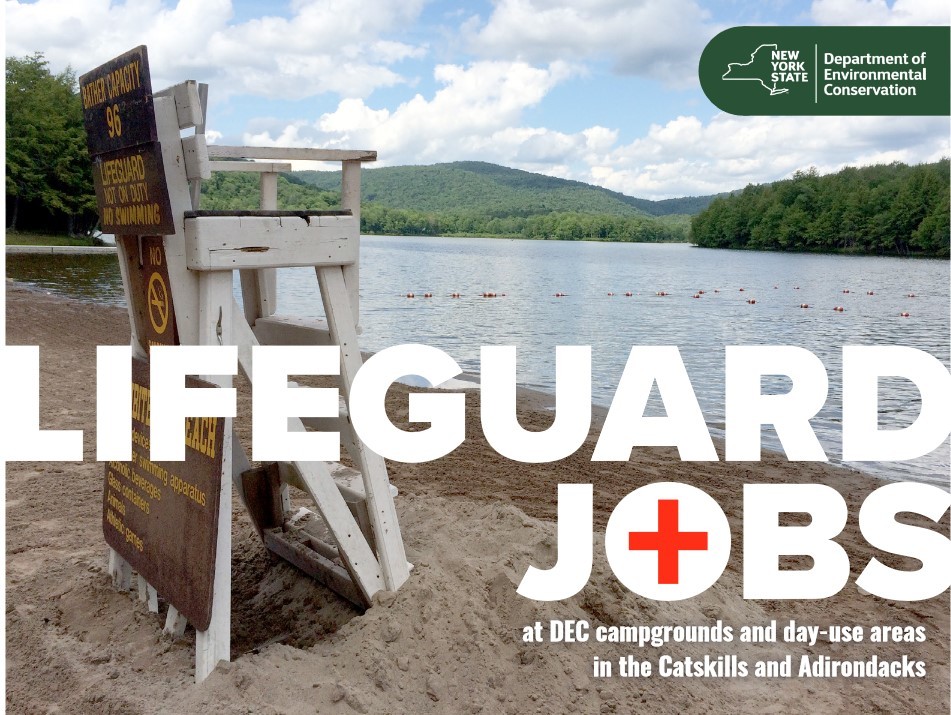
Lifeguard Positions Seasonal lifeguard positions are available at DEC campgrounds. The current hourly starting rate for New York State lifeguards is $20 an hour, and most DEC facilities offer free housing or site accommodations. Candidates who qualify will be considered for employment. The qualifying procedure consists of two parts: a Cardio-Pulmonary Resuscitation (CPR) skills component; and a water skills evaluation. Candidates may attend the qualifying location most convenient to them and the results will be forwarded to their preferred work location. At the time of employment, all DEC lifeguards must:
For more information, updates, or to pre-register, call 518-457-2500 ext. #1, e-mail Info.Lifeguard@dec.ny.gov, or visit the Lifeguard Positions webpage on DEC's website. Take Part in the DEC Informational Kiosk Survey
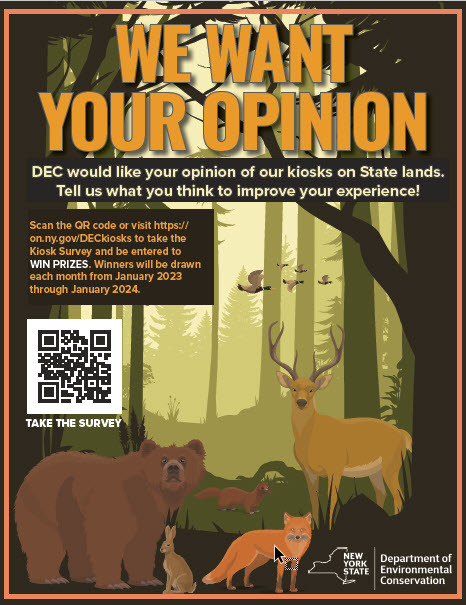
Give us your feedback and win a gift card to a sporting goods store! DEC would like your opinion on our informational kiosks. Kiosks are small, open wooden structures that provide cover for educational/informational signs. These kiosks are located at various state properties such as state forests, wilderness areas, conservation easements, wildlife management areas (WMAs), boat launches, and more. Take our survey to let us know what you think and be entered to win a $50 sporting goods store gift card and a free subscription to the Conservationist magazine! Winners will be announced each month from January 2023 through January 2024. A grand prize winner will be announced in January 2024 and will receive a $200 sporting goods store gift card and a free magazine subscription. By providing input, you can help us improve your outdoor experience! For prize rules and regulations, please visit DEC's website. |

|
The New York State Department of Environmental Conservation respects your right to privacy and welcomes your feedback | Update preferences or unsubscribe | Learn more about DEC Delivers |
|
Connect with DEC:      
|
|
| Basil Seggos, Commissioner | |