
Hunting and Trapping Newsletter
The New York State Department of Environmental Conservation sent this bulletin on 03/02/2023 12:34 PM EST |
| DEC Delivers - Information to keep you connected and informed from the NYS Department of Environmental Conservation |
| View in browser |
Hunting and Trapping Newsletter |
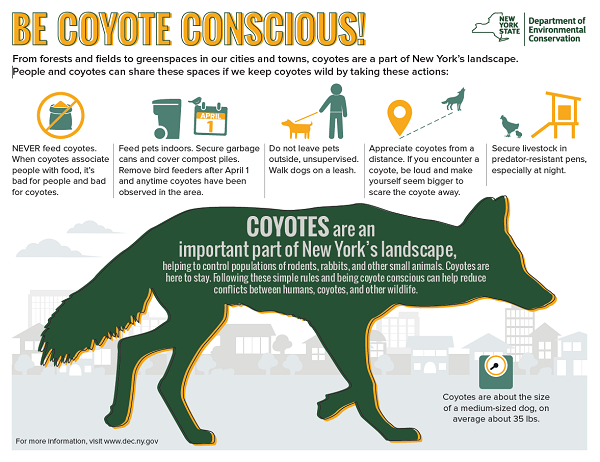
DEC Announces First-Ever Spring Long Island Wild Turkey Hunting SeasonThe New York State Department of Environmental Conservation (DEC) recently announced the dates for the first-ever spring Long Island wild turkey hunting season. The opening of this new season is the result of wild turkey reintroduction efforts DEC initiated in the mid-1990s. In 2009, the first fall-only wild turkey season opened in the region. DEC carefully monitored this new season over the ensuing years and confirmed the Long Island wild turkey population could continue to thrive while under hunting pressure. Long Island proved to be a region where safe and successful hunting of wild turkey is possible, with no hunting safety incidents reported throughout 14 fall seasons. The spring wild turkey season will open on May 1 and run through May 31, consistent with management practices in New York State and the Northeast. Hunters may take no more than 1 bearded turkey per season in WMU 1C. Hunters interested in hunting state lands must register for a lottery that will enable them to make a reservation. Entries must be received by 4:45 PM March 13th, 2023. Additional information on NYS Turkey Hunting Regulations can be found on DEC’s website. Successful hunters will be strongly encouraged to bring harvested birds to the Ridge Hunter Check Station located at 484 Randall Road, Ridge, NY. DEC staff will be recording biological data to help evaluate the season and population structure. Visiting the check station will not be mandatory, but all birds harvested must be reported within 48 hours by phone (1-866-426-3778) or via DEC’s Game Harvest Reporting webpage. For check station hours of operation, visit DEC’s Hunting on Long Island webpage or call the Region 1 Wildlife Office (631-444-0310). Take Actions to Be Coyote ConsciousHave you heard or seen coyotes around recently? New York is currently in the midst of coyote breeding season, which generally runs from January – March. During this time of year, coyotes are especially active as they mate and begin to set up dens for pups that will arrive this spring. They also tend to be more territorial, which can increase the risk of conflicts with people and pets. To minimize this risk, DEC recommends that everyone follow the tips outlined below. If a coyote is exhibiting bold behaviors and shows little or no fear of people, contact your Regional Wildlife Office or, in emergency situations, the local police department. Visit the DEC website for more information on coyotes and preventing conflicts with coyotes.
DEC Now Accepting Applications for the Day-Old Pheasant Chick Program
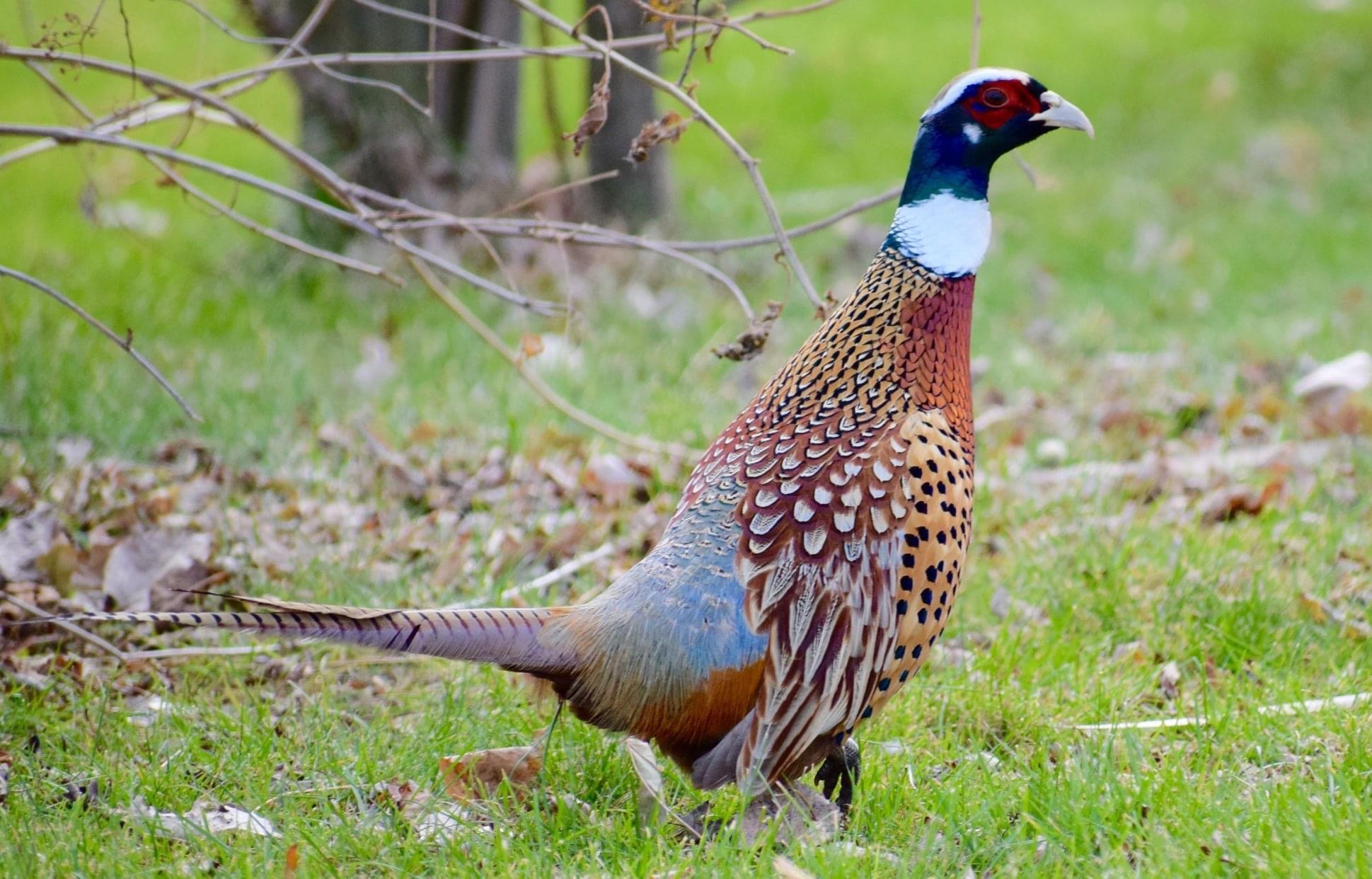
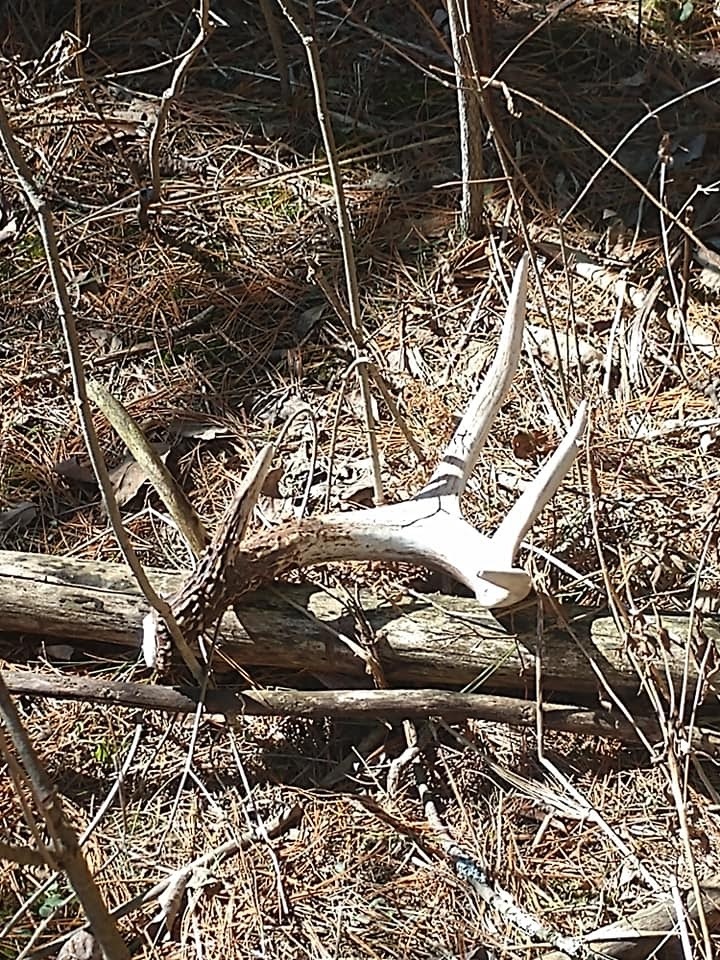
Don’t delay, get your applications in for the Day-Old pheasant chick program by March 25th! Spring is getting closer and with its arrival, the Reynolds Game Farm will soon be hatching and distributing chicks to approved applicants. For over 100 years the program has provided free pheasant chicks to approved applicants that have proper rearing facilities and an approved release site. With over 30,000 chicks distributed in 2022; this program continues to be a great opportunity for youth and adults to learn about pheasant biology and proper pheasant habitat while increasing opportunities for small game hunters and creating viewing opportunities for other New Yorkers. Applications can be found on our Day-Old Chick Program webpage. Schools and educational institutions are encouraged to apply and can reach out to the Reynolds Game Farm for tips and assistance in creating a raise and release program. The application link will close after March 25th so don’t wait to fill out your application today! Anyone with questions about eligibility in the program can contact their regional wildlife office or the Reynolds Game Farm at (607)273-2768. Photo of Ring-necked Pheasant by Kelly Wicks Antler Sheds as Indicators of Deer Health and Habitat QualityThroughout the winter months, whitetail bucks cast off or “shed” their antlers in response to dropping testosterone levels associated with increasing daylight. Many hunters and outdoor enthusiasts search for these shed antlers as collectibles, use them to build lamps or furniture, and determine which bucks made it through the hunting season. As hunters choose to Let Young Bucks Go and Watch Them Grow, shed hunting can also provide clues as to the age structure of bucks that might be around the hunting season.
But did you know that shed antlers can also be used as indicators of deer health and habitat quality? Next time you find a shed antler, take a look at its base or the area where it would have been attached to the buck’s skull, also known as the pedicle seal. If the pedicle seal is level with the burr or concave, it’s a good indication that the buck was under some kind of environmental or physical stress during the previous fall/breeding season. This poor seal can also result in earlier antler shedding. Conversely, if the pedicle seal is deep or there is a large protrusion of bone below the burr, the buck was likely in good physical condition during the breeding season. If most of the shed antlers you find have a flat or concave pedicle seal, it could be an indication of bigger problems. Environmental stress caused by drought, disease outbreaks, or poor habitat quality can all lead to poor pedicle seal development and early antler shedding. It may also be an indication that the deer population has exceeded the carrying capacity of the local habitat and bucks are experiencing nutritional stress. Shed hunting can be a fun family activity and a rewarding reason to get outdoors in the late winter and early spring, but each antler also provides a clue into the health of that individual buck during the previous fall. Start paying attention to pedicle seal depth to better understand the health of bucks in your area, and if you discover that most of the sheds that you find have a shallow pedicle seal depth, consider improving habitat or harvesting more antlerless deer this coming hunting season to better balance deer populations with available habitat. |
|
The New York State Department of Environmental Conservation respects your right to privacy and welcomes your feedback | Update preferences or unsubscribe | Learn more about DEC Delivers |
|
Connect with DEC:      
|
|
| Basil Seggos, Commissioner | |