
Catskill Outdoor Recreation Bulletin
The New York State Department of Environmental Conservation sent this bulletin on 01/25/2023 11:00 AM EST |
| DEC Delivers - Information to keep you connected and informed from the NYS Department of Environmental Conservation |
| View in browser |
Catskill Outdoor Recreation Bulletin |
January 2023This bulletin provides only the most recent notices. Check the Catskill Backcountry Information webpage for more detailed information on access, outdoor recreation infrastructure, and conditions. Emergency Situations: If you get lost or injured; keep calm and stay put. If you have cell service, call 911 or the DEC Dispatch, 833-NYS-Rangers (1-833-697-7264). Hike Smart by packing the proper gear. See our recommended packing list (PDF) and safety tips for the winter season. Welcome to the Catskills
The Welcome to the Catskills webpage is the place to go if you are interested in learning more about the Catskills. It provides information about the Forest Preserve and conservation easement lands, outdoor recreation opportunities, and Leave No TraceTM. Check out the links to additional information and tips for recreating safely and minimizing your impacts on natural resources, recreational infrastructure, and other backcountry users in the Catskill Mountains.
Catskills Visitor CenterThe Catskills Visitor Center is open every day with all new interactive exhibits. Stop by for a visit before your next adventure. Have your questions answered, get trip planning advice, pick up maps and local information, and more! Contact the Catskills Visitor Center for more information: 845-688-3369 or email info@catskillcenter.org. For local trail conditions, visit the Catskills Visitor Center Trail Conditions webpage. Take Part in the DEC Kiosk Survey
Do you visit State Forests, wilderness areas, Wildlife Management Areas, campgrounds, or DEC boat launches? We want to hear what you think about the places you love to visit! When out at one of DEC's properties, take our survey and be entered to win a sporting goods store gift card and a free subscription to the Conservationist magazine! Winners will be announced each month from January 2023 through January 2024. A grand prize winner will be announced in January 2024 and will receive a $200 sporting goods store gift card and a free magazine subscription. By providing input, you can help us improve our signage at trailheads, boat launches, and more so you get the information you want to see! For prize rules and regulations, please visit DEC's website. Love Our NY Lands
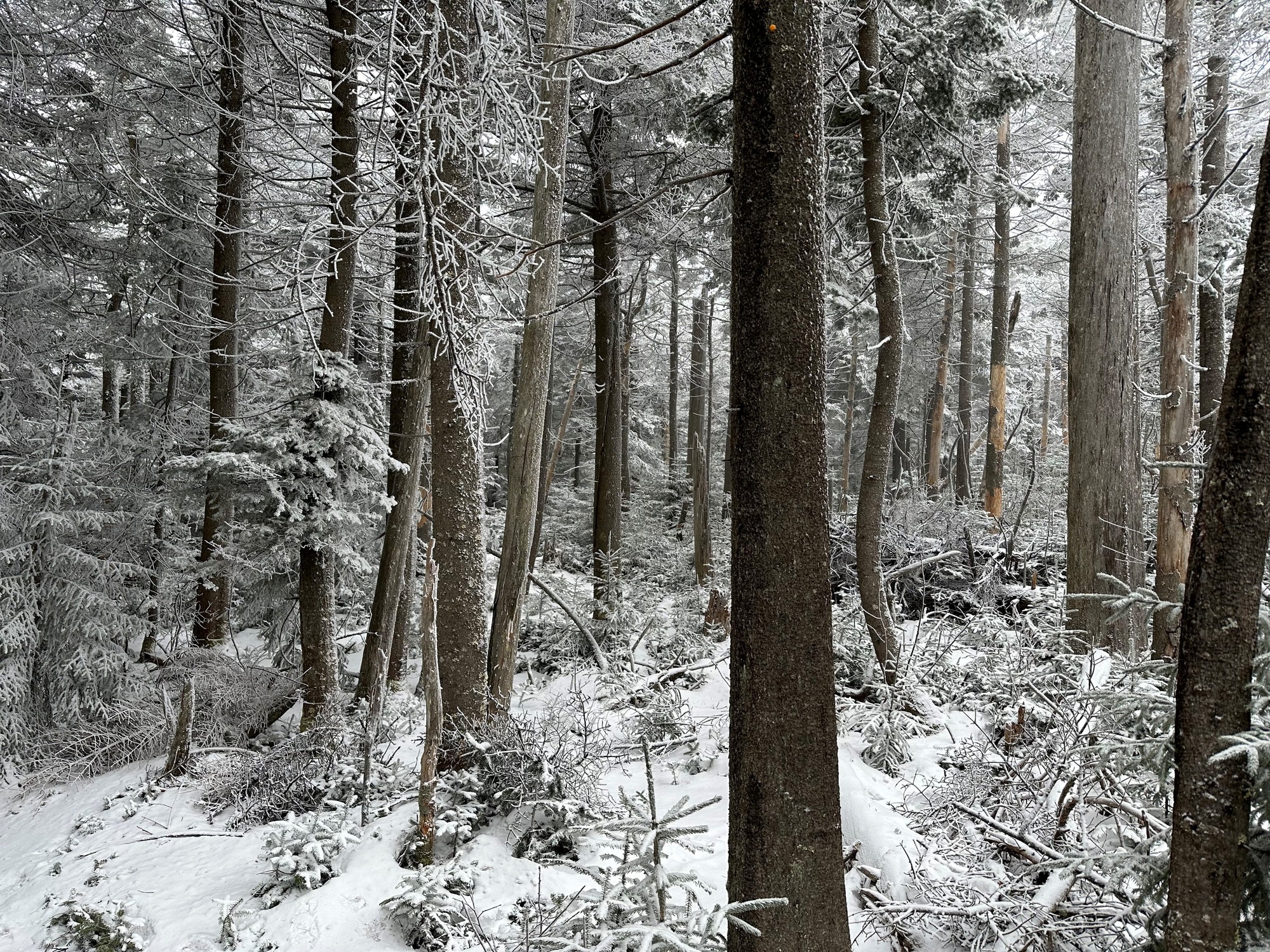
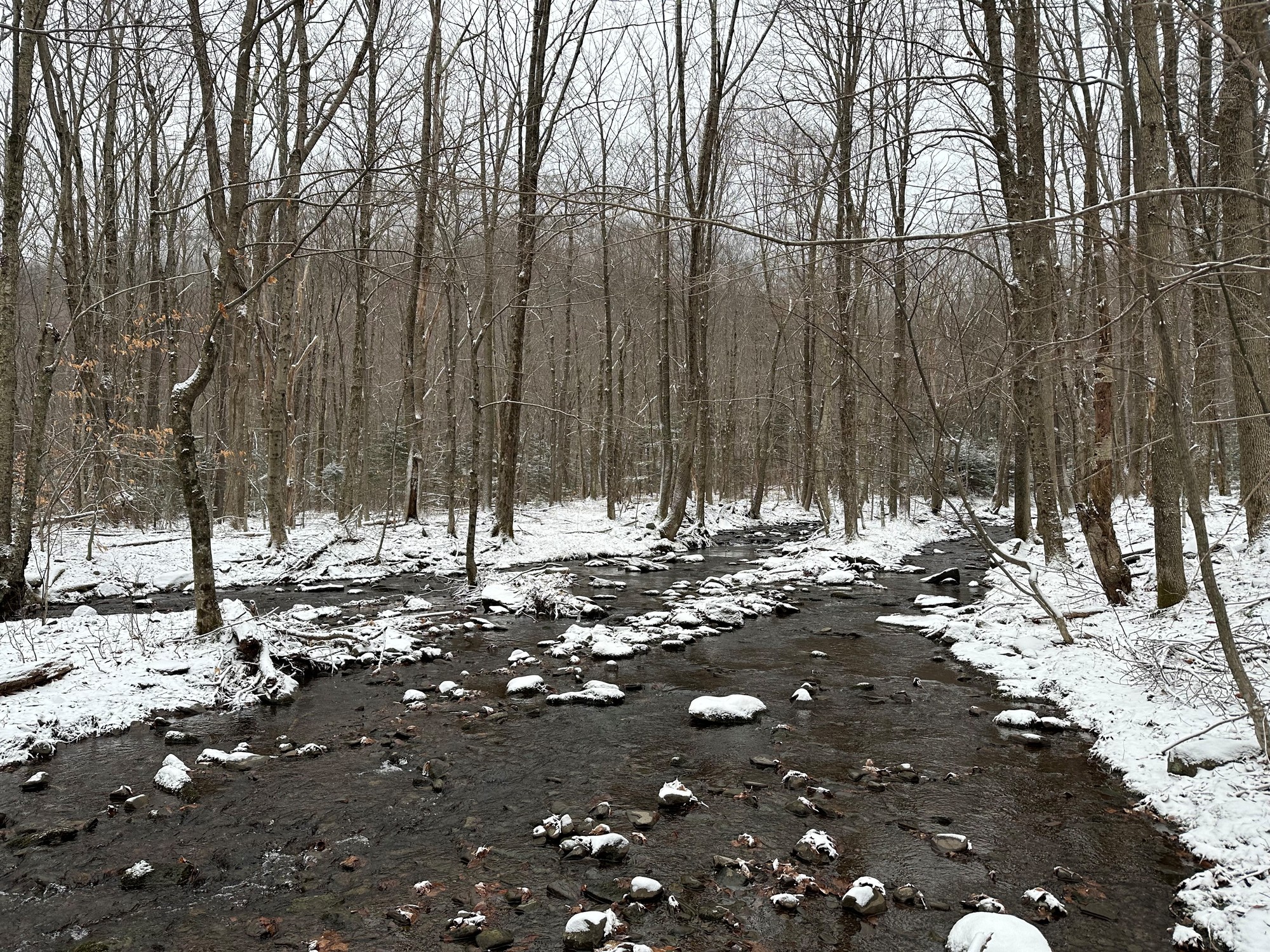
All New Yorkers and visitors should be able to access, enjoy, and feel welcome on state lands. These lands belong to all of us, our families, and our neighbors. While enjoying these shared spaces, be respectful of other visitors. Share trails, treat people with kindness, and leave things as you found them for others to enjoy. All of us have a responsibility to protect State lands for future generations. Learn more about how you can Love Our NY Lands. All New Yorkers and visitors should be able to access, enjoy, and feel welcome on state lands. Check out the How To Love Our New York Lands playlist on DEC’s YouTube Channel! General NoticesCheck the Weather: Check the National Weather Service for current conditions and forecasts for the locations where you plan to recreate. Check both daytime and nighttime temperatures. Expect conditions to be cooler and more exposed on mountain summits. Winter Conditions: Expect 8-12 inches of snow on Catskill trails. Be prepared with warm, waterproof layers, extra layers, and proper gear for snow and ice, including snowshoes and microspikes. Snowshoes are recommended when the snow depth exceeds 8 inches. Before you hit the trail, check out DEC’s Hike Smart NY webpage to learn about winter hiking safety, best practices, preparedness, and the Hiker Responsibility Code. Discover trails less traveled, and visit when trails may not be as busy. Essentials for Winter Hikes
Emergency essentials you should always have in your pack:
Visit DEC's website for more information on Winter Hiking Safety. Mountain Summits: Check the National Weather Service to prepare for summit weather conditions. Expect conditions to be colder on mountain summits. Catskill Region Daytime: Mid 30’s
Water crossings: Never attempt to cross high, fast-moving water, especially following rain or significant snowmelt. If there is precipitation forecast during the day, be mindful of how water crossings might swell between your first crossing and your return trip. Follow ice safety guidelines. Manage your time wisely: Keep in mind, it gets dark early. Be mindful of sunrise and sunset times, and plan accordingly. Start long hikes early to maximize sunlight hours and always bring a headlamp in case you are out longer than expected. Approximate Time of Sunrise: 7:14 AM Approximate Time of Sunset: 5:06 PM Recent NoticesKaaterskill Wild Forest - Expect the trails in the Kaaterskill Falls area to be very icy. Hikers should use extreme caution, especially on icy stone staircases and other rock surfaces. Be prepared with traction devices such as microspikes or crampons. For your safety, avoid hiking near cliff edges and avoid the midpool area if you do not have traction devices. Bluestone Wild Forest at Onteora Lake - the road connecting the upper parking area to the lower parking area is closed annually due to ice and snow. The upper parking area, directly off of State Route 28, will still be available for use. Delaware Wild Forest - The snowmobile bridge on the Campbell Mountain Trail between Route 206 and the Campbell Mountain lean-to has been closed pending replacement. Snowmobile trails will be open for use once trails are covered in ice and snow. Sundown Wild Forest - The section of Dinch Road that leads to the Red Hill Fire Tower Trailhead in the Sundown Wild Forest is seasonally maintained and not plowed throughout the winter. Visitors should note that the Dinch Road Trailhead location is generally inaccessible throughout the winter. Visitors who wish to visit the Red Hill Firetower should consider using the newly constructed trail and parking area on Denning Road. The parking lot was constructed by DEC Operations staff to accommodate up to 10 cars. Snowmobile trails will be opened for use once trails are covered in ice and snow. Seasonal gates allowing access to snowmobile trails will be opened once the trails are sufficiently covered in ice and snow. Peekamoose Blue Hole - Permits are no longer necessary to recreate or camp in the Peekamoose Valley Riparian Corridor. As a reminder, permits are necessary to recreate or camp in the valley from May 15th – September 15th each year. Willowemoc Wild Forest - Snowmobile trails will be opened for use once trails are covered in ice and snow. Seasonal gates allowing access to snowmobile trails will be opened once the trails are sufficiently covered in ice and snow. Balsam Lake Mountain Wild Forest - The eastern 2-mile terminus of Beaverkill Road / Turnwood Road that leads to the Balsam Lake Mountain Trailhead is only seasonally maintained and not plowed throughout the winter. Visitors should note that this trailhead location is generally inaccessible throughout the winter. Seasonal Roads - The following are seasonal roads and are not maintained during winter months:
Graham and Doubletop - Doubletop & Graham mountains and surrounding private lands are no longer available for public use. Local landowners have graciously allowed public access to these mountains and private lands for many years, however; access is no longer being allowed. 2023 Catskill Fire Tower Challenge
For nearly a century, observers watched the forests of New York State--including the Catskill and Adirondack forest preserves-- from more than 100 fire towers perched atop the highest peaks, searching for the dangerous, telltale signs of forest fires. The Catskills Fire Tower Challenge encourages experienced hikers to visit the region's remaining fire towers located on Balsam Lake Mountain (Hardenburgh), Hunter Mountain (Hunter), Overlook Mountain (Woodstock), Red Hill Mountain (Denning), and Tremper Mountain (Shandaken), along with the Upper Esopus Fire Tower at the Catskills Visitor Center. The Upper Esopus Fire Tower allows visitors who may not otherwise be able to undertake the challenging hike of several miles to experience a fire tower on the high peaks in the Catskills. Visit all six Catskill Fire Towers between January 1, 2023, and December 31, 2023. Once completed, participants submit a log of their completed hikes along with a favorite photo or selfie via a web form or to the designated email inbox: CatskillsChallenge@dec.ny.gov. Entries must be postmarked by Jan. 7, 2024. With DEC giving participants a full year to complete the challenge, hikers can take their time. Hikers are reminded to practice Leave No Trace™ principles and to Love Our NY Lands by recreating safely, sustainably, and hiking in suitable conditions based on weather and experience level. For more information about the fire towers and challenge rules, visit DEC's website. Leave No Trace
Check out these tips on how to Leave No TraceTM while enjoying your time outdoors this winter. Learn to Layer: Base layer, mid layer, and an exterior layer. Base layers of moisture-wicking fabric will keep your skin dry, mid/insulating layers such as wool or fleece will help keep you warm, and an exterior layer like a waterproof or water-resistant shell will prevent moisture or wind from penetrating the inner layers. Remember to avoid cotton fabrics as they hold moisture and take a long time to dry. Remember that layers will help keep you warm and help you to regulate your body temperature while spending time in the mountains. Pack it in, Pack it out: Anything you carry out into nature with you, should be carried out with you. If you see trash on the trail, pack it out. Help leave our natural spaces better than you found them. |


|
The New York State Department of Environmental Conservation respects your right to privacy and welcomes your feedback | Update preferences or unsubscribe | Learn more about DEC Delivers |
|
Connect with DEC:      
|
|
| Basil Seggos, Commissioner | |