
DEC Adirondack Outdoor Recreation Bulletin - January 19, 2023
The New York State Department of Environmental Conservation sent this bulletin on 01/19/2023 04:23 PM EST |
| DEC Delivers - Information to keep you connected and informed from the NYS Department of Environmental Conservation |
| Share or view as a web page || Update preferences or unsubscribe |
DEC Adirondack Outdoor Recreation BulletinJanuary 19, 2023 |
|
This bulletin provides only the most recent notices. Check the Adirondack Backcountry webpages for more detailed information on access, outdoor recreation infrastructure, and conditions. Emergency Situations: If you get lost or injured; keep calm and stay put. If you have cell service, call 911 or the DEC Forest Ranger Emergency Dispatch, 833-NYS-RANGERS. Welcome to the Adirondacks. The Welcome to the Adirondacks webpage provides information about the Forest Preserve, conservation easement lands, outdoor recreation, and Leave No Trace™. Love Our NY Lands: All New Yorkers and visitors should be able to access, enjoy, and feel welcome on state lands. While enjoying these shared spaces, be respectful of other visitors. Share trails, treat people with kindness, and leave things as you found them for others to enjoy. All of us have a responsibility to protect State lands for future generations. Learn more about how you can Love Our NY Lands. In This Issue
Recent NoticesThe following are only the most recent notices pertaining to public lands in the Adirondacks. Please check the Adirondack Backcountry webpages for a full list of notices, including seasonal road statuses, rock climbing closures, specific trail conditions, and other pertinent information NEW THIS WEEK High Peaks Wilderness: Snow Report (01/19): The following report describes conditions as of Thursday, 01/19. Changing weather may affect conditions. There is 13.8in. of snow at the Colden Caretaker Cabin and several feet of snow at higher elevations. Conditions now require snowshoes to be worn in the Eastern High Peaks Wilderness. Microspikes and crampons are also needed for traction on ice. Avalanche Lake and Lake Colden have low quality ice coverage, with soft sections and areas of running water. Conditions on ski trails range from moderate to poor. Independence River Wild Forest (Stillwater Reservoir, Big Moose & Three Lakes Conservation Easement Tracts): The Three Lakes Trail (Pollack Swamp Road) has been temporarily rerouted near Big Moose Road to avoid timber harvesting. Please follow reroute signage. Perkins Clearing/Speculator Tree Farm Conservation Easement Tracts: The Village ski trail beginning at the ballpark has experienced some flooding due to unusually high water and beaver activity. A good amount of the trail is accessible but suggested parking is now on Elm Lake Road, near the gate into the Speculator Tree Farm Tract. LAST WEEK Kushaqua Conservation Easement: Logging is in progress in the vicinity of the Mountain Pond Road. The road is being used as a haul road and is closed to ALL motorized use for the duration of the operation. Non-motorized users of the road should use extreme caution and expect to encounter log trucks. Lake George Wild Forest: Tails in the Bolton Area including Cat Mountain and Tongue Mountain have blowdown from recent storms. The bridge across Northwest Bay Swamp on the Tongue Mountain Blue Trail is damaged but can be used with caution. Trails continue to have mixed conditions. Town of Newcomb: The Goodnow Mountain Trail will be closed from January 10, 2023, through March 15, 2023 (subject to change) to accommodate an on-going timber harvest taking place in the vicinity. During that time, the public will not be allowed to access the Goodnow Mountain trailhead, trail or fire tower. General Notices
Visit the main Adirondack Backcountry page for more trip-planning resources. Know Before You Go (01/19):
Check the Weather: Check the forecast for your destination and pack and plan accordingly. Check the National Weather Service Northern Adirondacks and Southern Adirondacks Mountain Point Forecasts for select summit forecasts. Check both daytime and nighttime temperatures and remember that temperatures will drop as you gain elevation. Be Safe in Avalanche Terrain: Backcountry downhill skiers, snowboarders, and all outdoor adventurers who may traverse slides or steep, open terrain should be aware of and prepared for avalanche conditions. If you are planning a trip to avalanche-prone territory, research the route ahead of time and contact a local DEC Forest Ranger for specific safety and conditions information, or contact a local guide. Before going into the backcountry, be equipped with avalanche safety tools and knowledge, such as participation in an avalanche safety course. Learn more about avalanche danger, preparedness, and safety precautions. Seasonal Roads: Many seasonal access roads are closed for the winter. Check the Recent Notices for specific closure announcements and be prepared to turn around and take an alternate route. Snowmobiles: Visitors are advised to plan ahead and check local club, county, and State webpages and resources, including the NYSSA Snowmobile web map, for up-to-date snowmobile trail information. Water Conditions: Water levels throughout the Adirondack region are above average to high for this time of year. Check the USGS Current Water Data for New York for stream flow of selected waters. Personal Flotation Devices (PFDs aka lifejackets) are strongly recommended. Safety & Education
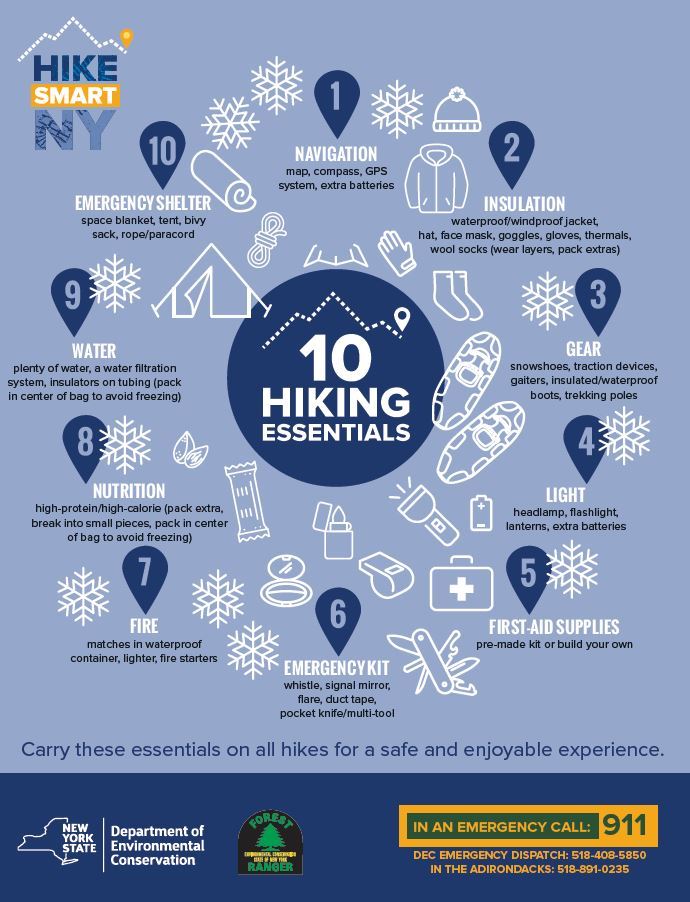
Whether you’re going for a hike, a ski, or out fishing, Hike Smart NY can help you prepare with a list of 10 essentials, guidance on what to wear, and tips for planning your trip with safety and sustainability in mind. Ice Safety Tips Much of New York is experiencing a milder than usual winter, leading to unsafe ice conditions on many waters. Whether you’re headed out ice fishing, enjoying skating on an Adirondack pond, or crossing a water body while skiing, snowshoeing, or snowmobiling, it’s important to be extremely cautious when venturing out on ice. Follow these ice safety tips:
For more tips and information on ice safety, watch DEC’s How To Stay Safe on Ice video. Leave No Trace
Follow the Seven Principles of Leave No Trace to maintain minimal impact on the environment and the natural resources of the Adirondacks. Use proper trail etiquette to ensure an enjoyable experience for yourself and others and tread lightly! Tips for Leave No Trace Winter Camping Principle 2 reminds us to camp on durable surfaces. Luckily for winter campers, snow is considered a durable surface once it is at least 6-8 inches deep. But there is more to minimum impact camping than the surface where we set our tent, so follow these additional tips for Leave No Trace winter camping: Stick to designated campsites – It’s not just about the impact of your tent’s footprint. Activity around your tent site can affect vegetation, nearby water sources, and animal behavior. The smaller our footprint, the smaller our impact on the ecosystems we’re staying in. Take down all snow structures – Digging snow caves and making snowmen is fun, but for some people, evidence of previous campers can detract from their wilderness experience. Taking down any snow structures you’ve built will leave your site as you found it for the next visitors to enjoy. Minimize your cooking and campfire impact – Just like in warmer months, using stoves and packing out our food waste helps minimize our campfire and our cooking impacts. Be sure to pack out your food scraps, too. Food scraps added to an animal’s stores could end up spoiling their stash, leaving them to fend for food in harsh winter conditions Recreation Highlight: Tread Lightly! This Winter
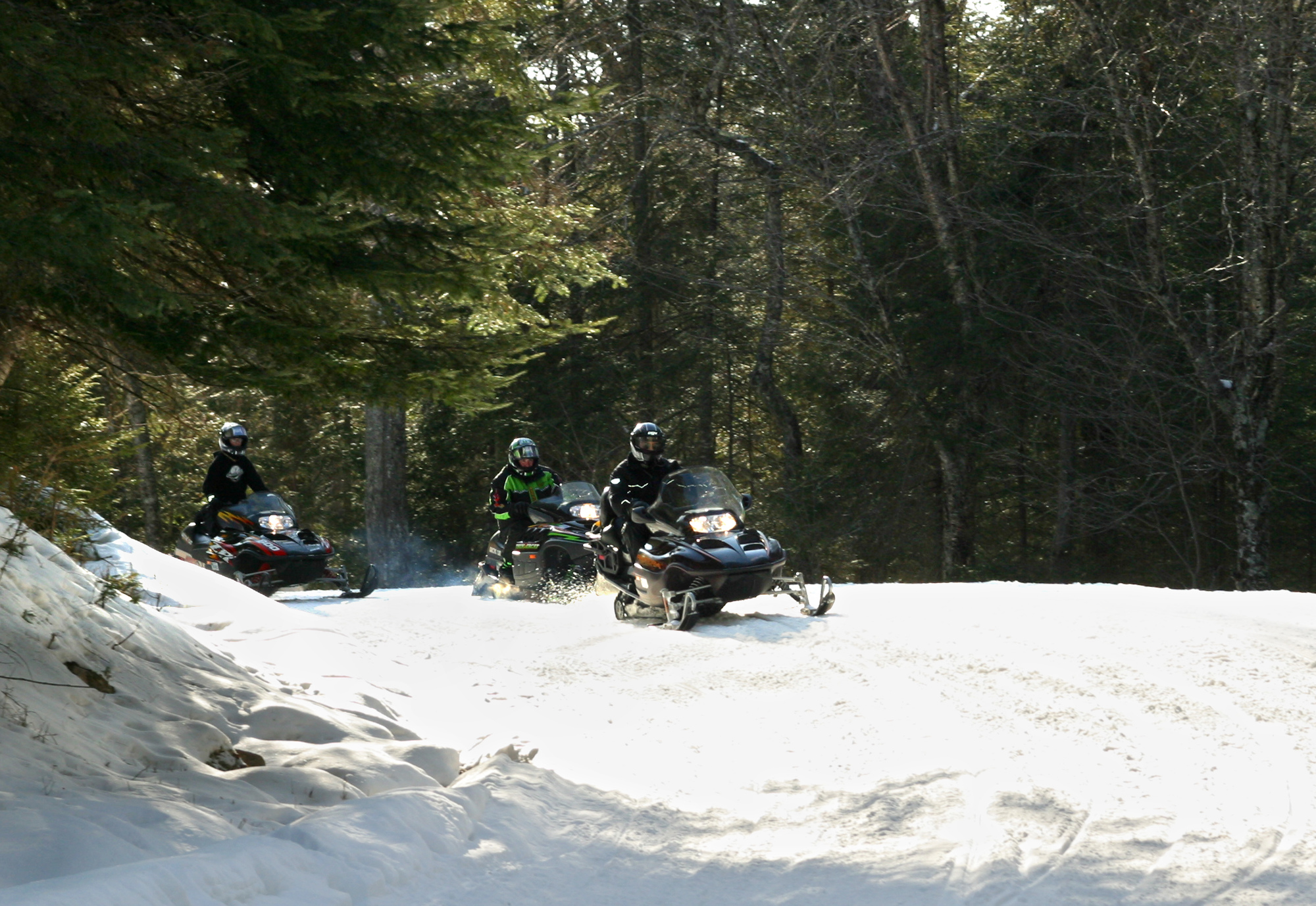
Tread Lightly! is a national initiative that promotes outdoor ethics and education, particularly for motorized outdoor activities, and they’ve got some great advice on safety and sustainability for snowmobilers. Before you hit the trails, check out Tread Lightly!’s guide to what you should “Know Before You Snow”. Here are a few key takeaways: Safety: Check trail and weather conditions before you go, wear the proper winter and safety gear, buddy up, share your plans, and avoid riding on frozen lakes and waterways. Minimize Your Impact: Avoid riding in areas of low snow coverage, follow local rules and regulations, pack out what you pack in, and be aware and respectful of wildlife. Respect the Rights of Others: Share the snow, only cross private property with permission, ride in a single file and keep to the right unless you’re passing, and prevent unnecessary noise. Check out more of Tread Lightly!’s tips on sharing the snow. Take Part in the DEC Informational Kiosk Survey
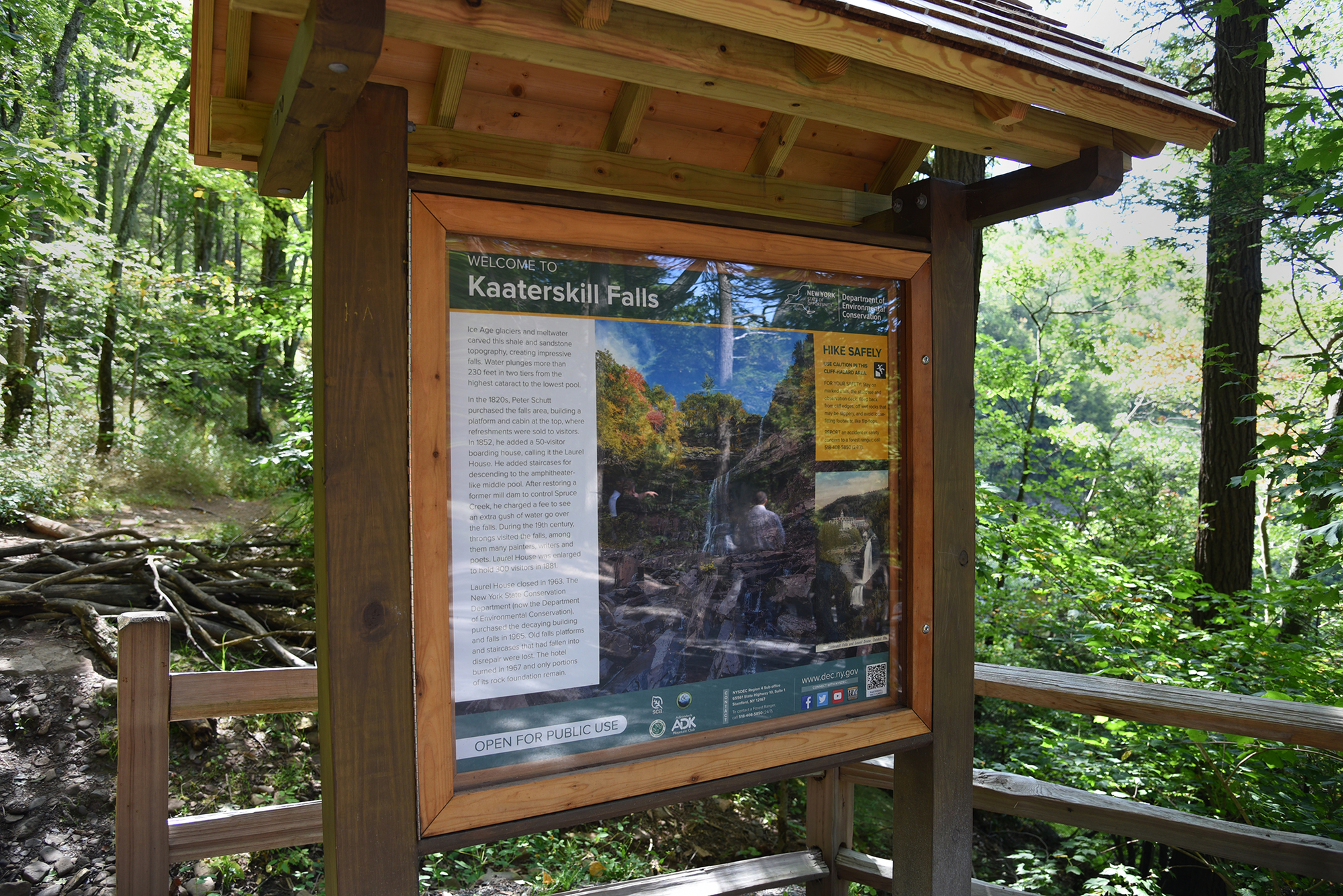
Give us your feedback and win a gift card to a sporting goods store! DEC would like your opinion on our informational kiosks. Kiosks are small, open wooden structures that provide cover for educational/informational signs. These kiosks are located at various state properties such as state forests, wilderness areas, conservation easements, wildlife management areas (WMAs), boat launches, and more. Take our survey to let us know what you think and be entered to win a $50 sporting goods store gift card and a free subscription to the Conservationist magazine! Winners will be announced each month from January 2023 through January 2024. A grand prize winner will be announced in January 2024 and will receive a $200 sporting goods store gift card and a free magazine subscription. By providing input, you can help us improve your outdoor experience! For prize rules and regulations, please visit DEC's website. |
|
The New York State Department of Environmental Conservation respects your right to privacy and welcomes your feedback | Update preferences or unsubscribe | Learn more about DEC Delivers |
|
Connect with DEC:     
|
|
| Basil Seggos, Commissioner | |