|
 This bulletin provides only the most recent notices. Check the Adirondack Backcountry webpages for more detailed information on access, outdoor recreation infrastructure, and conditions. This bulletin provides only the most recent notices. Check the Adirondack Backcountry webpages for more detailed information on access, outdoor recreation infrastructure, and conditions.
Emergency Situations: If you get lost or injured; keep calm and stay put. If you have cell service, call 911 or the DEC Forest Ranger Emergency Dispatch, 833-NYS-RANGERS.
Welcome to the Adirondacks. The Welcome to the Adirondacks webpage provides information about the Forest Preserve, conservation easement lands, outdoor recreation, and Leave No Trace™.
Love Our NY Lands: All New Yorkers and visitors should be able to access, enjoy, and feel welcome on state lands. While enjoying these shared spaces, be respectful of other visitors. Share trails, treat people with kindness, and leave things as you found them for others to enjoy. All of us have a responsibility to protect State lands for future generations. Learn more about how you can Love Our NY Lands.
In This Issue
- Recreation Highlights: Special Weather Warning
- Region 5 Children’s Holiday Party Postponed
- Recent Notices
- General Notices
- Safety & Education: What’s a Posthole?
- Leave No Trace: A Leave No Trace Guide to Pooping Outside in the Snow
- Save the Date for First Day Hikes
Recreation Highlights: Special Weather Warning
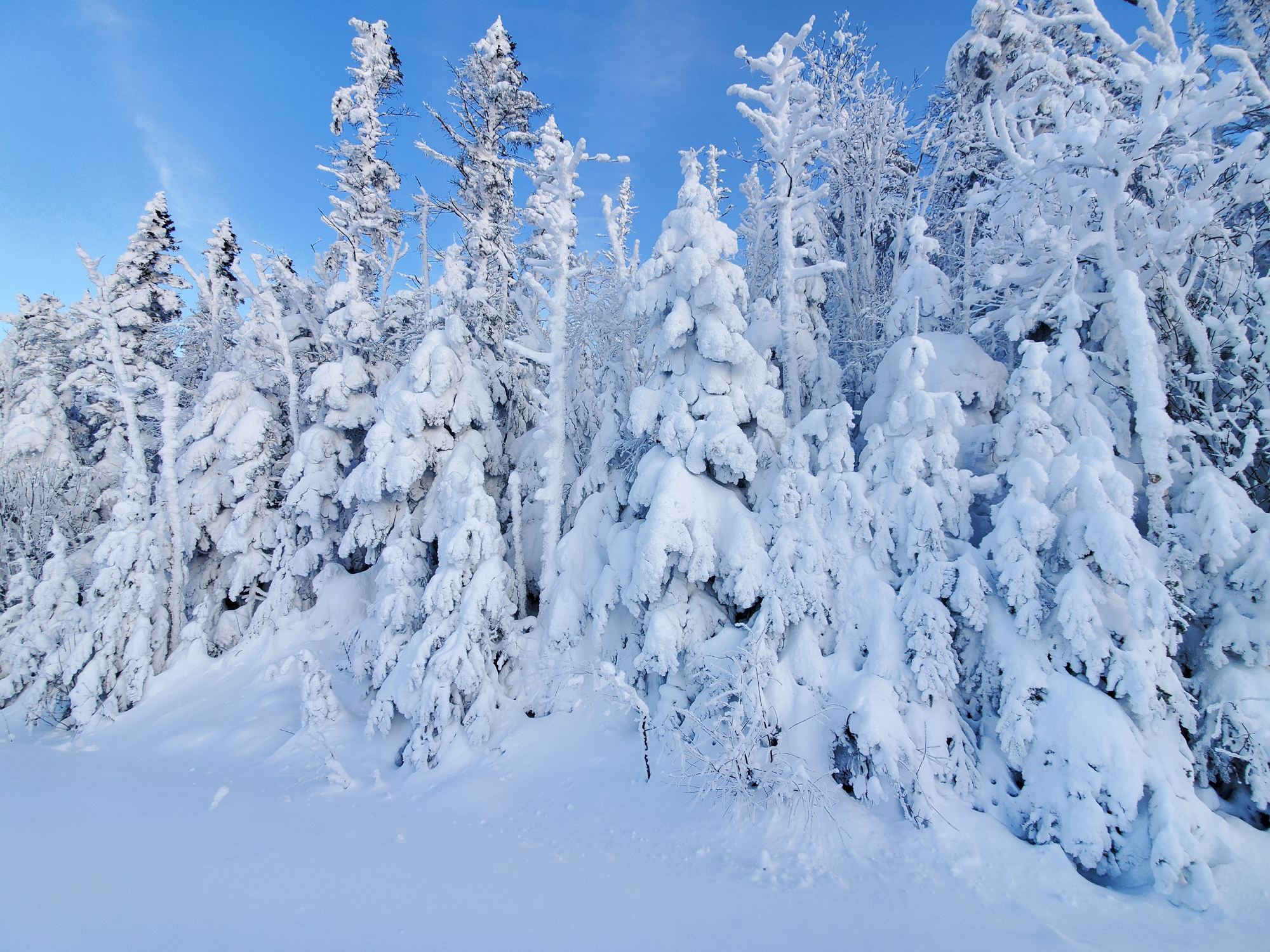 Winter Storm Warnings are in effect throughout the Adirondack region from Thursday afternoon, Dec. 15 through Saturday, Dec. 17. Heavy snow is expected, with accumulations of up to 18 inches or more in some areas. Travel will be difficult, road conditions may be hazardous, and power outages are possible. Winter Storm Warnings are in effect throughout the Adirondack region from Thursday afternoon, Dec. 15 through Saturday, Dec. 17. Heavy snow is expected, with accumulations of up to 18 inches or more in some areas. Travel will be difficult, road conditions may be hazardous, and power outages are possible.
DEC Environmental Conservation Police Officers, Forest Rangers, Emergency Management staff and regional staff are on alert, monitoring the developing situation and actively patrolling areas and infrastructure impacted by severe weather. DEC is coordinating resource deployment with agency partners and all available assets are positioned to assist with any emergency response.
DEC advises backcountry users to be aware of and prepared for winter conditions. Winter hiking and skiing safety and preparedness are extremely important no matter your physical ability or destination. Properly preparing for winter conditions is essential for a safe, enjoyable experience. Check the Hike Smart NY 10 Essentials for a baseline packing list and review winter hiking safety.
During and immediately following periods of heavy snowfall, avoid open, exposed areas like bare summits and use extreme caution when traveling on or near open slopes. Snow squalls can obliterate vision and create slippery surfaces, and avalanches are possible in areas of steep, unstable terrain. Snow depths will range greatly depending on your location and elevation. Be prepared with proper traction devices, snowshoes or skis, and trekking poles for added balance. Visitors to the High Peaks Wilderness are reminded that snowshoes or skis are required to be worn where snow depths exceed 8 inches.
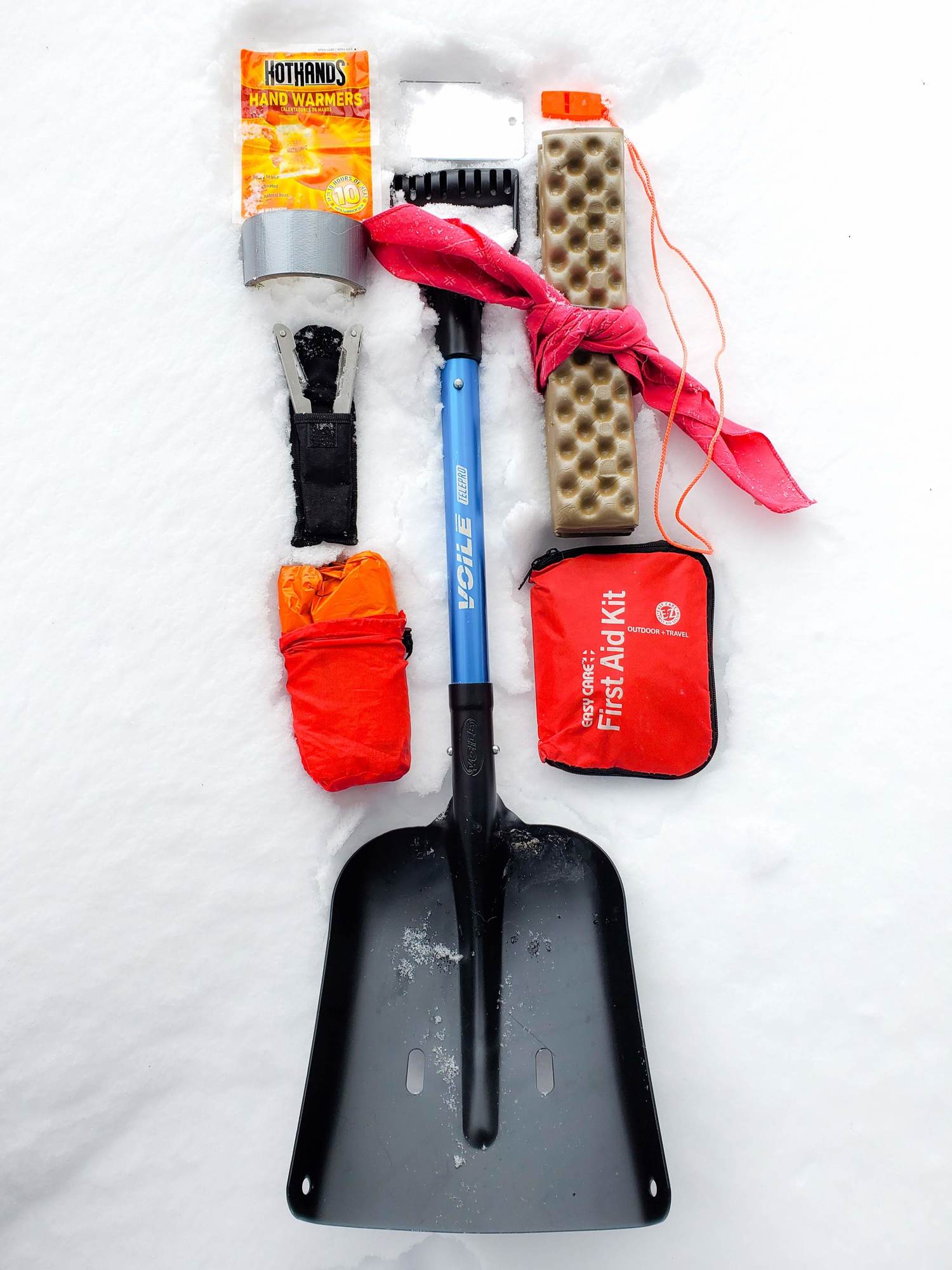
Even day trippers should be prepared to spend a night in the elements. This will help prevent hypothermia should you become lost or injured. Even successful search and rescue operations can take hours, and in winter conditions hypothermia can set in quickly. Bring extra layers, a space blanket, hand and foot warmers, an emergency shelter, and tools to start an emergency fire. Know the signs and symptoms of both hypothermia and frostbite as well as how to avoid them.
Backcountry visitors should follow these safety guidelines this weekend and always:
- Check weather before entering the woods. If extreme cold is predicted or the weather is poor, postpone the trip.
- Be aware of weather conditions at all times and if the weather worsens, head out of the woods.
- Dress properly in layers of clothing made of wool, fleece, and other materials that wick moisture (not cotton), including a wool or fleece hat, gloves or mittens, wind/rain resistant outerwear, and winter boots.
- Carry a day pack with the following: ice axe, food and water, extra clothing, map and compass, first-aid kit, flashlight/headlamp, sunglasses, sunblock protection, ensolite pads, stove and extra fuel, and bivy sack or space blankets. Hypothermia can kill even when temperatures are above freezing. A tiny emergency "space blanket" can save your life.
- Carry plenty of food and water. Eat, drink, and rest often. Being tired, hungry, or dehydrated makes outdoor adventurers more susceptible to hypothermia.
- Know the terrain and physical capabilities. Remember that it takes more time and energy to travel through snow.
- Never travel alone and always inform someone of the intended route and return time.
Region 5 Children’s Holiday Party Postponed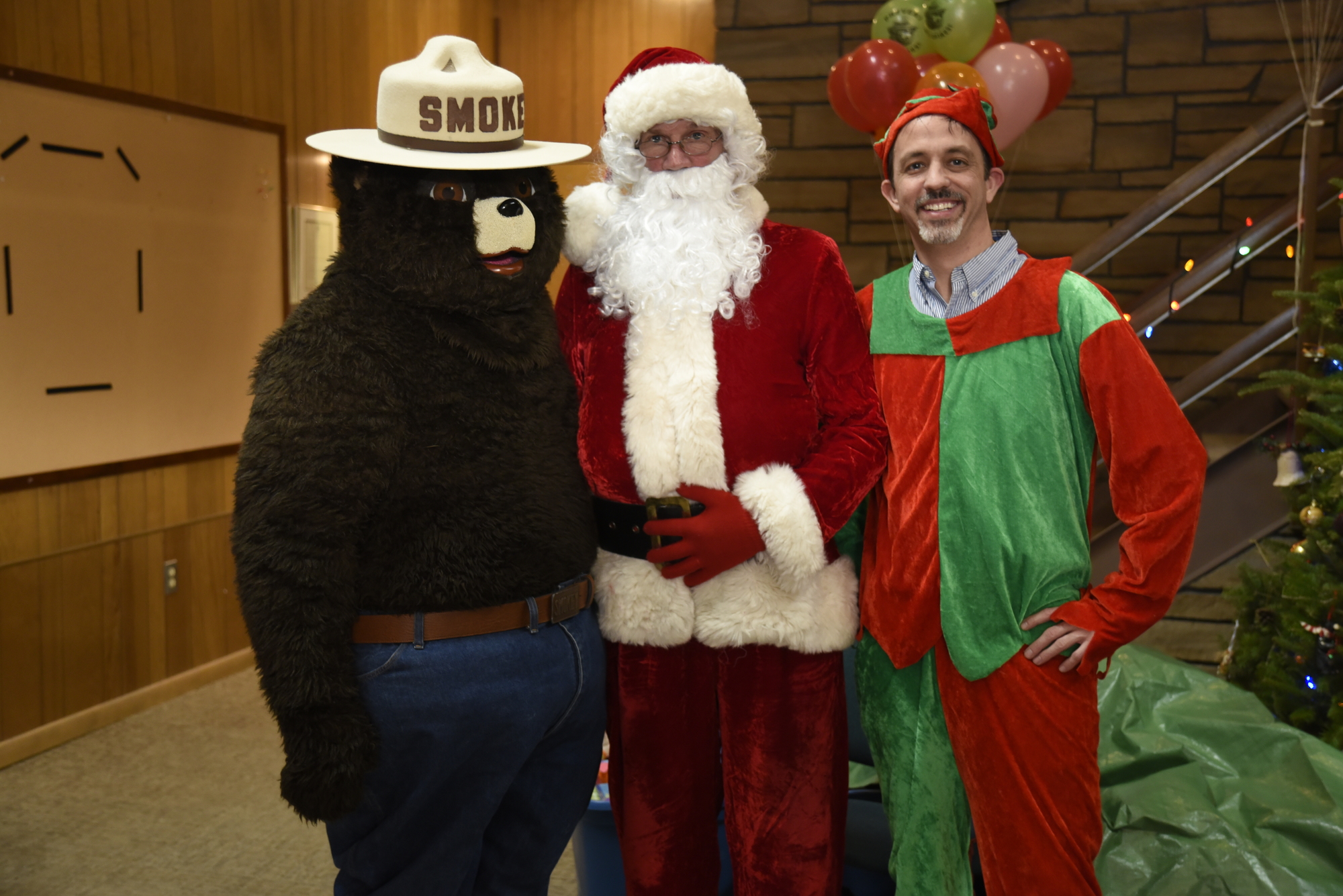
DEC’s Region 5 Children’s Holiday Party at the regional headquarters in Ray Brook has been rescheduled from Friday, Dec. 16 to Monday, Dec. 19, from 2:30 to 4 p.m. in anticipation of the incoming snowstorm. Significant snowfall between Thursday night and Saturday could create hazardous driving conditions. The decision to postpone was made out of an abundance of caution for visiting families and their children.
At Monday’s event, attendees can meet Santa and Smokey Bear, enjoy complimentary refreshments, and participate in a variety of activities including face painting and coloring. The DEC Region 5 headquarters are located at 1115 NY Route 86, Ray Brook, NY 12977. The event will take place in the building’s lobby and main conference room. Please park in the lot directly in front of the building and enter through the front doors. The event is free and open to all members of the public. No RSVP is required.
Recent Notices
The following are only the most recent notices pertaining to public lands in the Adirondacks. Please check the Adirondack Backcountry webpages for a full list of notices, including seasonal road statuses, rock climbing closures, specific trail conditions, and other pertinent information
NEW THIS WEEK
High Peaks Wilderness Snow Report (12/15): PLEASE NOTE: The following report describes conditions as of noon on Thursday, 12/15. Heavy snow expected Thursday night through Saturday will completely change conditions in the High Peaks Wilderness. Please see the special weather warning above for more information. There is currently minimal snow at the Colden Caretaker Cabin. Higher summits also have minimal snow coverage. Trails in general are messy and slippery due to thin ice coverage. Microspikes are needed. Ski trails are not in good condition at this time. Lakes have thin ice and are not currently crossable.
Adirondack Rail Trail: A section of trail between Tupper Lake and Lake Clear will be closed tomorrow, Dec. 16, to allow for maintenance on two culverts in the vicinity of Rollins Pond. Work is only anticipated to last the day, with the section of trail re-opening for the weekend. Please find further updates on the Adirondack Rail Trail webpage.
Ferris Lake Wild Forest: Powley Road is closed to motor vehicle traffic for the winter. The gates will open for snowmobile season when adequate snowpack accumulates.
Silver Lake Wilderness: West River Road, which provides access to the Whitehouse trailhead of the Northville Placid Trail, will remain unmaintained and unplowed for the winter season.
Independence River Wild Forest (Stillwater Reservoir, Big Moose & Three Lakes Conservation Easement Tracts):
- Water has been turned off at the Otter Creek Assembly Area.
-
Otter Creek Horse Trails: Horses are not permitted on designated snowmobile trails that are covered with ice or snow.
Moose River Plains Complex: The Bug Lake and 7th Lake Mountain trail gates are open for the season. As of Thursday, snow conditions are poor, though more snow is forecast.
Essex Chain Lakes Complex & Blue Mountain Wild Forest: Gates are now closed on Deer Pond Road, Cornell Road, Camp Six Road, and Chain Lakes Road North.
Camp Santanoni Historic Area: Newcomb Lake Road is now skiable.
Lake George Wild Forest: The Dacy Clearing gate in Shelving Rock is now closed. It will reopen when there is sufficient snowpack for snowmobiles.
LAST WEEK
Pine Lake Primitive Area: Seasonal gates on Chain of Lakes Rd. have been closed for the season
O’Neil Flow Easement: Township 19 Rd. has been closed for the season
Speculator Tree Farm Perkins Clearing: All conservation easement roads are very icy. Please use a 4-wheel drive vehicle and caution.
Essex Chain Lakes Complex: The gates are now closed on Chain Lakes Road South for the winter season.
General Notices
 Visit the main Adirondack Backcountry page for more trip-planning resources. Visit the main Adirondack Backcountry page for more trip-planning resources.
Know Before You Go (12/15):
-
Temperatures & Conditions: Temperatures in the High Peaks region call for highs in the low-30’s and nighttime lows in the low-20’s throughout the weekend. These temperatures are estimates for base elevations. Always anticipate colder, more extreme conditions at high elevations. Significant snowfall – as much as 18 inches – is expected between Thursday night and Saturday, with additional snow showers expected throughout the weekend. Consider postponing hikes during periods of heavy snow and avoid exposed areas on treeless summits and open slopes. Carry extra layers, cold weather gear, and be prepared to adapt to changing conditions. Microspikes or crampons and snowshoes will be necessary. If you find yourself unprepared for the conditions, or weather worsens, turn back to the trailhead.
-
Water crossings: Never attempt to cross high, fast-moving water, especially following rain or storms. If there is precipitation forecast during the day, be mindful of how water crossings might swell between your first crossing and your return trip. Do not trust ice to hold your weight, especially over moving water.
-
Sunrise/Sunset: Sunrise = 7:25 a.m.; Sunset = 4:18 p.m. Make a timeline and stick to it. Pack a headlamp even if you expect to finish your activity before sunset.
-
Travel: Plan on arriving at your destination early and have several back-up plans in place in case parking at your desired location is full. Some seasonal roads may be closed for the winter season. Check recent notices for road closure announcements.
Check the Weather: Check the forecast for your destination and pack and plan accordingly. Check the National Weather Service Northern Adirondacks and Southern Adirondacks Mountain Point Forecasts for select summit forecasts. Check both daytime and nighttime temperatures and remember that temperatures will drop as you gain elevation.
Seasonal Roads: Due to recent snow, some seasonal access roads are beginning to close. Check the Recent Notices for closure announcements and be prepared to turn around and take an alternate route.
Snowmobiles: Visitors are advised to plan ahead and check local club, county, and State webpages and resources, including the NYSSA Snowmobile web map, for up-to-date snowmobile trail information.
Water Conditions: Water levels throughout the Adirondack region are average or above average for this time of year. Check the USGS Current Water Data for New York for stream flow of selected waters. Personal Flotation Devices (PFDs aka lifejackets) are strongly recommended.
Safety & Education
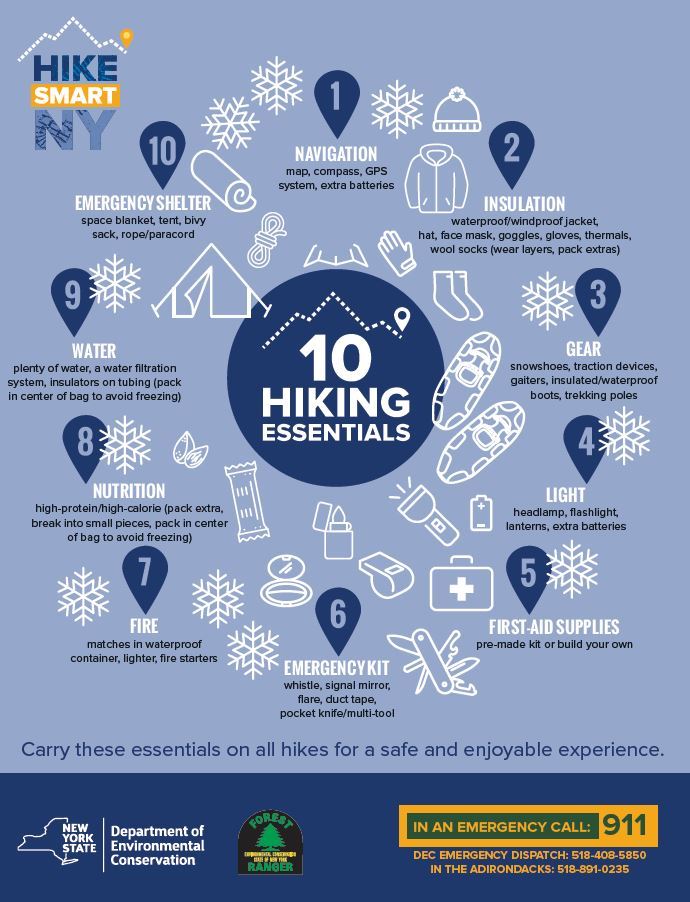 Whether you’re going for a hike, a ski, or out fishing, Hike Smart NY can help you prepare with a list of 10 essentials, guidance on what to wear, and tips for planning your trip with safety and sustainability in mind. Whether you’re going for a hike, a ski, or out fishing, Hike Smart NY can help you prepare with a list of 10 essentials, guidance on what to wear, and tips for planning your trip with safety and sustainability in mind.
What’s a Posthole?
You may have heard the word “posthole” mentioned in conversations about snowy trails. You may have even postholed yourself when walking down one. But you may still be asking yourself, “what is a posthole, why are they dangerous, and most importantly, how can we avoid them?”
What is a posthole? Simply put, a posthole is a hole in the snow caused by a person walking in deep snow without snowshoes or skis.
Why are they dangerous? Often, postholes are an inconvenience. They disrupt the tread of the trail for snowshoers and skiers and can make other user’s outdoor experience less enjoyable.
Postholes can also cause real risk to those recreating around them. Skiers may not see a posthole and tip their ski into it, causing them to crash. Hikers and snowshoers could step in one and injure themselves. Postholes are even dangerous for those creating them, as the sudden plunge into the snow can cause injuries to the leg, knee, or hip.
How do we avoid creating postholes? Having the proper gear is key to avoiding postholing. Snowshoes or skis spread our weight over a greater surface area, allowing us to float on the surface of the snow without falling through. Fun fact: snowshoes or skis are required to be worn in the High Peaks Wilderness any time the snow is deeper than eight inches.
Leave No Trace
 Follow the Seven Principles of Leave No Trace to maintain minimal impact on the environment and the natural resources of the Adirondacks. Use proper trail etiquette to ensure an enjoyable experience for yourself and others and tread lightly! Follow the Seven Principles of Leave No Trace to maintain minimal impact on the environment and the natural resources of the Adirondacks. Use proper trail etiquette to ensure an enjoyable experience for yourself and others and tread lightly!
A Leave No Trace Guide to Pooping Outside in the Snow
You’ve mastered the art of the cat hole, but now the ground is frozen and covered in snow. Your trowel is no match for these winter conditions, so what do you do when you need to go number two?
When you can’t dig a cat hole, make an effort to go before you go. Use designated toilets at home, at trailheads and along the trail. Toilets and outhouses aren’t always available, though, so be prepared to pack your waste out with you just in case. This could mean using a W.A.G. bag (Waste Alleviation and Gelling) or a discreet bag you bring from home.
For more information on these and other options for disposing of waste this winter, check out Leave No Trace’s Guide to Pooping Outside in the Snow.
First Day Hikes
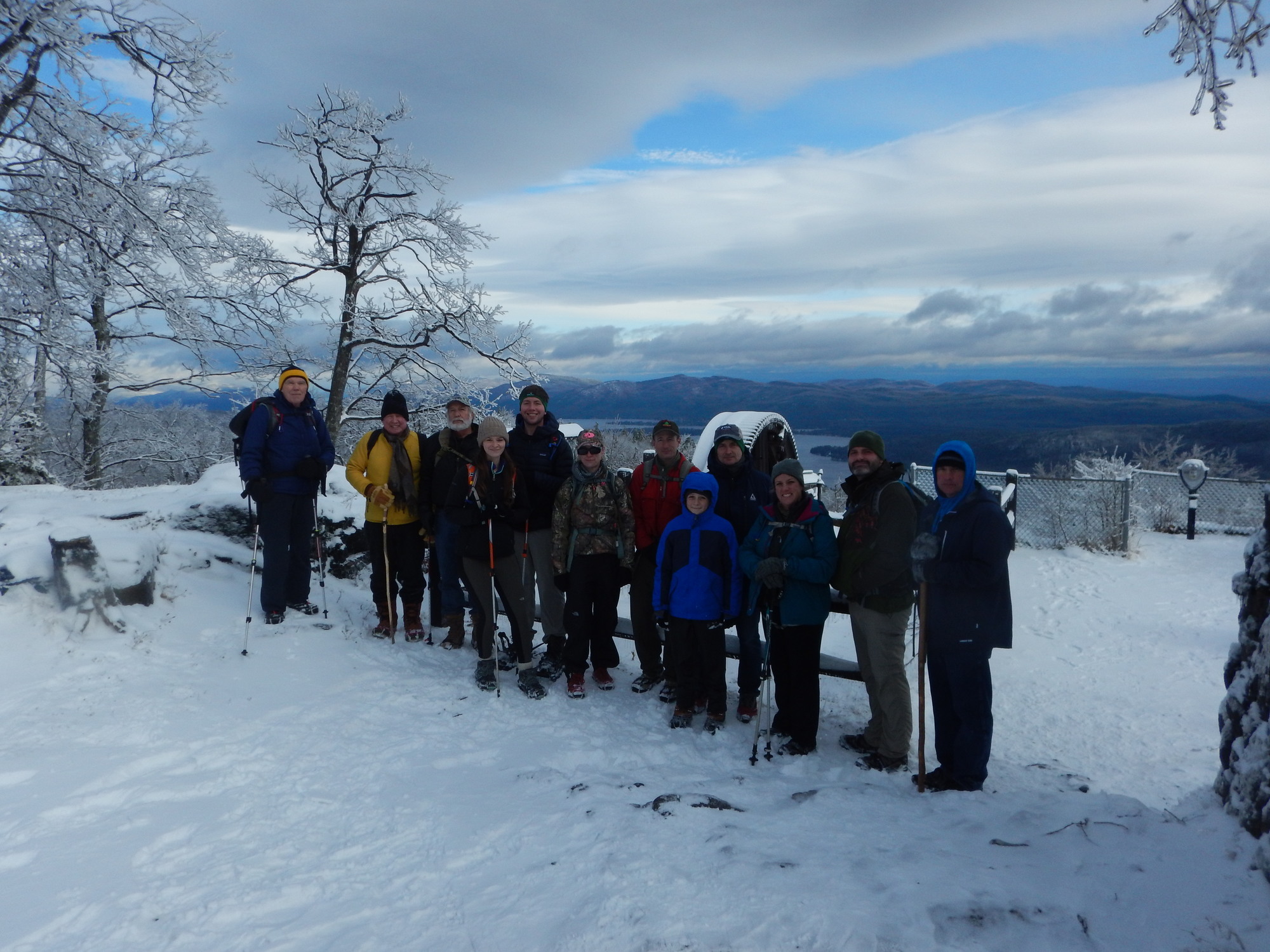 Celebrate the new year in the outdoors with a First Day Hike at one of the many events across the state and nation. DEC, State Parks, and the Canal Corporation invite New Yorkers to kick off 2023 by participating in one of the many hikes being held at state parks, historic sites, wildlife areas, trails, and public lands across the Empire State on January 1st. Celebrate the new year in the outdoors with a First Day Hike at one of the many events across the state and nation. DEC, State Parks, and the Canal Corporation invite New Yorkers to kick off 2023 by participating in one of the many hikes being held at state parks, historic sites, wildlife areas, trails, and public lands across the Empire State on January 1st.
For more information on First Day Hike locations and how to sign up, visit DEC’s website.
|