Wildlife, Fish, and Marine Life Newsletter
The New York State Department of Environmental Conservation sent this bulletin on 12/06/2022 03:17 PM EST |
| DEC Delivers - Information to keep you connected and informed from the NYS Department of Environmental Conservation |
| Share or view as a web page || Update preferences or unsubscribe |
Wildlife, Fish & Marine Life Newsletter |
Feed Wild Birds Safely and Responsibly
If you are drawing wild birds into your yard with feeders, try these tips to keep birds safe:
Photo of evening grosbeaks by Katherine Yard. Watchable Wildlife: Harbor Seals
If you suspect a seal is sick or injured, please call the New York Stranding Hotline at 631-369-9829 to report the animal. Photo by U.S. Fish & Wildlife Service. Purchase a $5 Habitat and Access Stamp to Help Improve Fish and Wildlife Habitat
A donation of $5 is all that is required to help invest in the future of New York's outdoor recreational opportunities! Conservationist Magazine -- Holiday Special
Enjoy reading about New York's environment and conservation? Consider a subscription to the New York State Conservationist -- DEC’s magazine with interesting articles and stunning photography. Check out the Holiday Subscription Special which runs until December 31st. You can subscribe, renew, or give a gift. Buy now and pay later. You will be billed and only checks or money orders are accepted at this time. Conservationist makes a great gift to yourself or another outdoor enthusiast! |
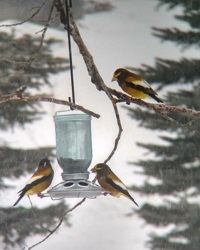 For many birdwatchers in New York, November 30th is an important date: the day that backyard bird feeders can go back up. To avoid conflicts with bears, DEC highly recommends
 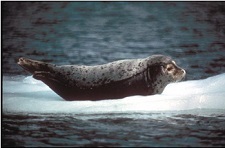 New York’s most abundant seal is the
 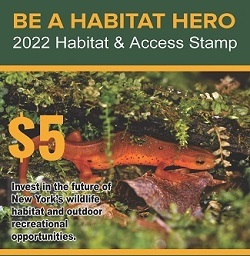 Consider purchasing a $5.00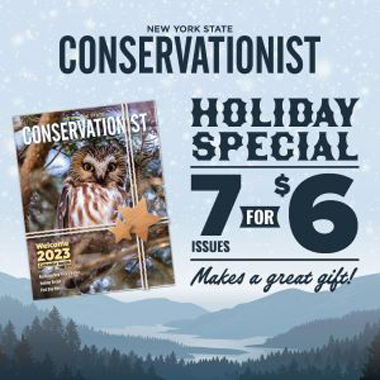
|
The New York State Department of Environmental Conservation respects your right to privacy and welcomes your feedback | Update preferences or unsubscribe | Learn more about DEC Delivers |
|
Connect with DEC:     
|
|
| Basil Seggos, Commissioner | |