MakingWaves - Grants for Dam Repairs; CWA Permit Compliance; Poster Contest; Long Island's Water Quality; Bay Park Project; Lake Ontario; 1,4 Dioxane Law
The New York State Department of Environmental Conservation sent this bulletin on 12/02/2022 09:26 AM EST |
| DEC Delivers - Information to keep you connected and informed from the NYS Department of Environmental Conservation |
| Share or view as a web page || Update preferences or unsubscribe |
MakingWaves - News From the Division of Water |
In This Issue:
Grants Available to Support High Hazard Dam RepairsDEC Commissioner Basil Seggos has announced $564,925 in grant funding is now available to assist eligible dam owners with infrastructure repair costs. Funding is provided through the Federal Emergency Management Agency's (FEMA) High Hazard Potential Dam grant program. DEC is accepting applications for grants to assist with technical, planning, design, and other pre-construction activities associated with the rehabilitation of eligible dams classified as High Hazard dams. New York State's High Hazard dam classification refers to the potential for damage upon a dam's failure, not its likelihood of failure. A High Hazard (or Class C) dam is classified where failure may result in widespread or serious damage. New York State has 425 Class C dams. The Request for Applications is available online through the New York State Grants Gateway. Apply by February 10, 2023. Learn more about the classification of dams and dam safety on DEC's Dam Safety webpage. Major Improvement in Clean Water Act Permit ComplianceThe U.S. Environmental Protection Agency (EPA) has announced that the nation has achieved major improvement in compliance with the Clean Water Act permits over the past five-year period. EPA led a collaborative effort that reduced the overall significant noncompliance (SNC) rate from over 20% to 9%. New York, which started with a substantially lower SNC rate than the national average, saw the SNC rate decrease 45% from 14.3% in 2018 to 7.8% today, which is still below the national average. In EPA's announcement, DEC Commissioner Basil Seggos said, “New York continues to be a leader in national compliance ...... sharing our expertise in overseeing thousands of facilities to help make meaningful progress in improving water quality, holding polluters accountable, and benefitting communities across New York State and the U.S.” DEC shared its approaches used for over a decade to address reporting SNC issues, such as New York's Discharge Monitoring Expedited Enforcement Program, so that these methods could be implemented in other states. Learn more about EPA's National Compliance Initiative on EPA's website and New York's permit compliance programs on DEC's website. Create a Watershed Super Hero Poster Contest
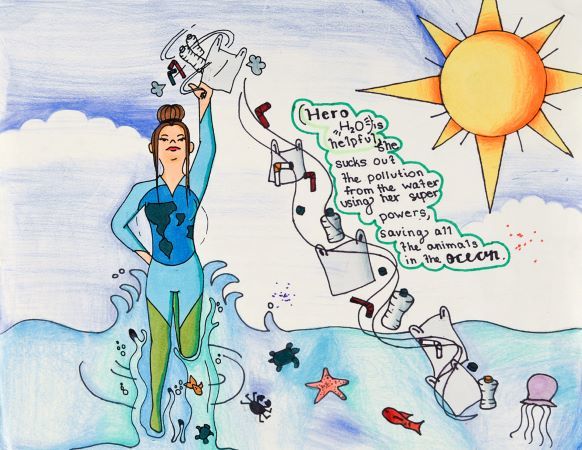
Photo: 2022 Top Winner - Sudan Belnavis from Valley Stream South High School DEC and the New York Water Environment Association (NYWEA) are sponsoring a "Create a Watershed Super Hero" poster contest open to all middle school students. Fourteen winners will have the honor of having their artwork in a 2024 calendar distributed across New York State. The deadline for submitting posters is January 6, 2023. Find contest details on DEC's Create a Watershed Super Hero Poster Contest webpage. Improving Long Island's Water QualityGovernor Kathy Hochul and the Long Island Sound Study has announced an initial $2.25 million in new federal funding provided by the Bipartisan Infrastructure Law to improve the water quality of Long Island's north shore, in addition to the finalization of the Nassau County Nine Key Element Plan for Nitrogen. Building on major scientific pollution-reduction plans and State clean water infrastructure grants under the framework of the Long Island Nitrogen Action Plan, the two efforts will bring added resources to advance the restoration and protection of Long Island's drinking water and bays. Public Information Session for the Bay Park Conveyance ProjectDEC and the Nassau County Department of Public Works (NCDPW) are hosting a virtual public information session with the design-build team, Western Bays Constructors (WBC), on Wednesday, December 7 2022, at 6:00 p.m. via Zoom. WBC will provide information on upcoming construction activities. The project team will be available to answer questions. The Project will reduce nitrogen in the Western Bays of Long Island by conveying treated water from the South Shore Water Reclamation Facility (previously known as the Bay Park Sewage Treatment Plant) to the Cedar Creek Water Pollution Control Plant’s ocean outfall, which discharges and diffuses treated water three miles offshore in the Atlantic Ocean. Since the open ocean has higher tidal mixing capabilities, nitrogen will not build up in the ocean like it does in the Western Bays. As a result, communities near the Western Bays will experience improved water quality, revitalized shellfish habitat and restored vital marshlands that protect communities from wave action and coastal surge. Visit the Bay Park Conveyance Project website for project details and meeting information. Reflections on Lake Ontario Water Quality Progress: Public Input MeetingsAs part of its responsibilities under the Great Lakes Water Quality Agreement, the International Joint Commission (IJC) seeks public input on the Canadian and US governments' 2022 Progress Report of the Parties (PROP). IJC is hosting a series of virtual meetings to receive public comment on the PROP.
1,4 Dioxane Law UpdateEffective December 31, 2022, personal care and household cleansing products containing 1,4-dioxane in concentrations greater than two parts per million (ppm) cannot be sold or offered for sale in New York State. In addition, cosmetic products containing 1,4-dioxane in concentrations greater than ten ppm cannot be sold or offered for sale in New York State. The law allows a manufacturer to apply for a one-year waiver from compliance, up to two times. DEC is developing regulations to implement the law and will keep interested stakeholders informed as the rulemaking progresses. Updates will continue to be announced in MakingWaves. Visit DEC's 1,4-Dioxane Limits webpage for more information about the law and waiver process. |
|
The New York State Department of Environmental Conservation respects your right to privacy and welcomes your feedback | Update preferences or unsubscribe | Learn more about DEC Delivers |
|
Connect with DEC:     
|
|
| Basil Seggos, Commissioner | |