
DEC Adirondack Outdoor Recreation Bulletin - October 27, 2022
The New York State Department of Environmental Conservation sent this bulletin on 10/27/2022 06:00 PM EDT |
| DEC Delivers - Information to keep you connected and informed from the NYS Department of Environmental Conservation |
| Share or view as a web page || Update preferences or unsubscribe |
DEC Adirondack Outdoor Recreation Bulletin
|
|
This bulletin provides only the most recent notices. Check the Adirondack Backcountry Information webpages for more detailed information on access, outdoor recreation infrastructure, and conditions.
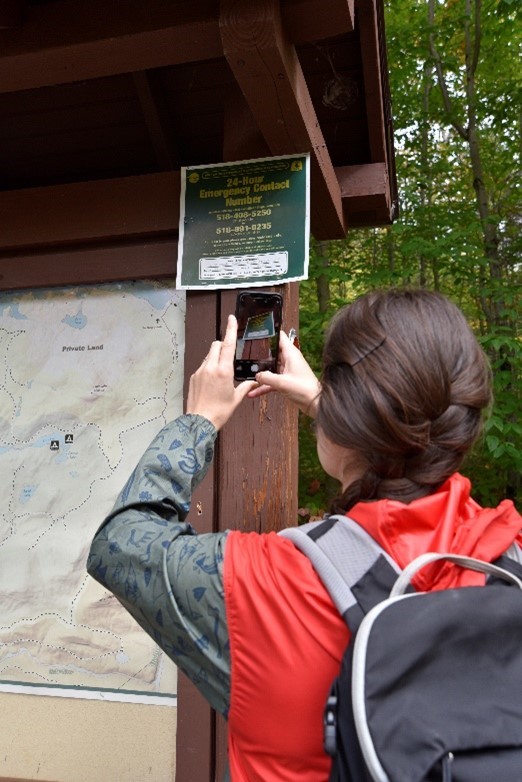
Emergency Situations: If you get lost or injured; keep calm and stay put. If you have cell service, call 911 or the DEC Forest Ranger Emergency Dispatch, 833-NYS-RANGERS. Welcome to the Adirondacks. The Welcome to the Adirondacks webpage provides information about the Forest Preserve, conservation easement lands, outdoor recreation, and Leave No Trace™. Love Our NY Lands: All New Yorkers and visitors should be able to access, enjoy, and feel welcome on state lands. While enjoying these shared spaces, be respectful of other visitors. Share trails, treat people with kindness, and leave things as you found them for others to enjoy. All of us have a responsibility to protect State lands for future generations. Learn more about how you can Love Our NY Lands. @NYSDECAlerts: @NYSDECAlerts on Twitter provides real-time updates from DEC-managed lands across New York State. In This Issue
Recent NoticesThe following are only the most recent notices pertaining to public lands in the Adirondacks. Please check the Adirondack Backcountry Information webpages for a full list of notices, including seasonal road statuses, rock climbing closures, specific trail conditions, and other pertinent information NEW THIS WEEK Moose River Plains Wild Forest:
Adirondack Rail Trail: DEC anticipates upcoming work and maintenance on sections of the future Adirondack Rail Trail that will require closures. Details will be provided on the rail trail webpage as they become available. Please respect posted signage and barricades in work areas and email Info.R5@dec.ny.gov with questions. LAST WEEK Boreas Ponds Tract: A temporary bridge was installed over the LaBier Flow Dam on Gulf Brook Road in the Boreas Ponds Tract, restoring access to the Four Corners Parking Area at the terminus of Gulf Brook Road for pedestrians and motorists. High Peaks Wilderness: Per the conservation easement agreement with Elk Lake Lodge, the Gate at Clear Pond is closed to Public Motor Vehicles and will not open until after mud season in May of 2023. Hikers will need to park at the Upper Elk Lake Road Parking Lot on the west side of the Elk Lake Road approximately 2.3 miles south of the Elk Lake Parking Lot and Trailhead. From the evening of October 21 until the morning of December 5, no hikers may enter the Elk Lake Conservation Easement. Blue Ridge Wilderness: The bridge that crosses the Cascade Pond outlet is damaged and unstable. Hikers should be prepared to ford the outlet or cross elsewhere. General Notices
Visit the main Adirondack Backcountry Information page for more trip-planning resources. Know Before You Go (10/27):
Check the Weather: Check the forecast for your destination and pack and plan accordingly. Check the National Weather Service Northern Adirondacks and Southern Adirondacks Mountain Point Forecasts for select summit forecasts. Check both daytime and nighttime temperatures and remember that temperatures will drop as you gain elevation. Fire Danger: As of 10/27, fire danger is moderate in the Adirondacks. Please use caution, follow local guidelines, and avoid open fires if possible. Check the fire rating map. Water Conditions: Water levels throughout the Adirondack region are average for this time of year. Check the USGS Current Water Data for New York for stream flow of selected waters. Personal Flotation Devices (PFDs aka lifejackets) are strongly recommended. Hiker Information Stations & Hiker Shuttles: Hiker Information Stations and Hiker Shuttle Systems have concluded operations for the 2022 season. Thank you to all who visited a station or took a shuttle to your trailhead destination. No Overnight Camping at Trailheads: Please note that overnight camping is not permitted at trailheads or other roadside locations where a camping disc is not present. This includes individuals sleeping in cars, vans, and campers. Campers should seek out designated roadside campsites marked with a camp here disc or campgrounds. Ticks: Wear light-colored clothing with a tight weave to spot ticks easily. Wear enclosed shoes, long pants, and a long-sleeved shirt. Tuck pant legs into socks or boots and shirt into pants. Check clothes and any exposed skin frequently for ticks while outdoors. Consider using insect repellent. Stay on cleared, well-traveled trails and walk in the center of trails. Avoid dense woods and bushy areas. Additional tips for tick prevention. Bear Canisters Required: NYSDEC requires the use of bear-resistant canisters by overnight users in the Eastern High Peaks Wilderness between April 1 and November 30. NYSDEC encourages campers to use bear-resistant canisters throughout the Adirondack backcountry. Bear canisters should be used to store all food, food garbage, toiletries, and other items with a scent. Canisters should be stored a minimum of 100ft from tents, lean-tos and cooking sites and kept closed whenever they are not being accessed. Learn more about bear canisters and avoiding human-bear conflicts. Adirondack Mountain Reserve: Parking reservations will be required May 1 through Oct. 31 for single-day and overnight access to the parking lot, trailheads, and trails located on the privately owned, 7,000-acre AMR property in the town of Keene in the High Peaks region. For a list of frequently asked questions and to register, visit AMR's website. Safety & Education
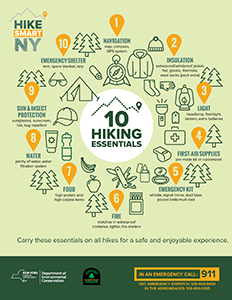
Fall is here! Whether you’re going for a hike, a bike, a paddle, or fishing, Hike Smart NY can help you prepare with a list of 10 essentials, guidance on what to wear, and tips for planning your trip with safety and sustainability in mind. How To: Prepare for Fall Hikes Fall weather and trail conditions can vary drastically. Though the peak of fall foliage season is behind us, preparing properly for hikes this season remains just as important. Dwindling daylight hours, changing weather, and winter conditions at high elevations are all important factors to consider when planning your next outing this season. To help you remember it all, check out NYS DEC’s new video on preparing for fall hikes to learn more about how you can stay safe and have fun on the trail. Leave No Trace
Follow the Seven Principles of Leave No Trace to maintain minimal impact on the environment and the natural resources of the Adirondacks. Use proper trail etiquette to ensure an enjoyable experience for yourself and others and tread lightly! Stick with the Stove Use a camp stove for cooking at your campsite. Stoves are faster and easier to cook on than campfires and will create less impact at your tent site. When it’s time to use that camp stove, be sure to make the “Camping Triangle” and try to find a comfortable space to cook at least 100 feet from where you plan to sleep that night. If possible, reserve fires for emergencies only. If you do choose to have a fire, be sure to follow local guidelines and try to minimize your campfire impact as much as possible. Recreation Highlight: Day Hikes for the Fall Season
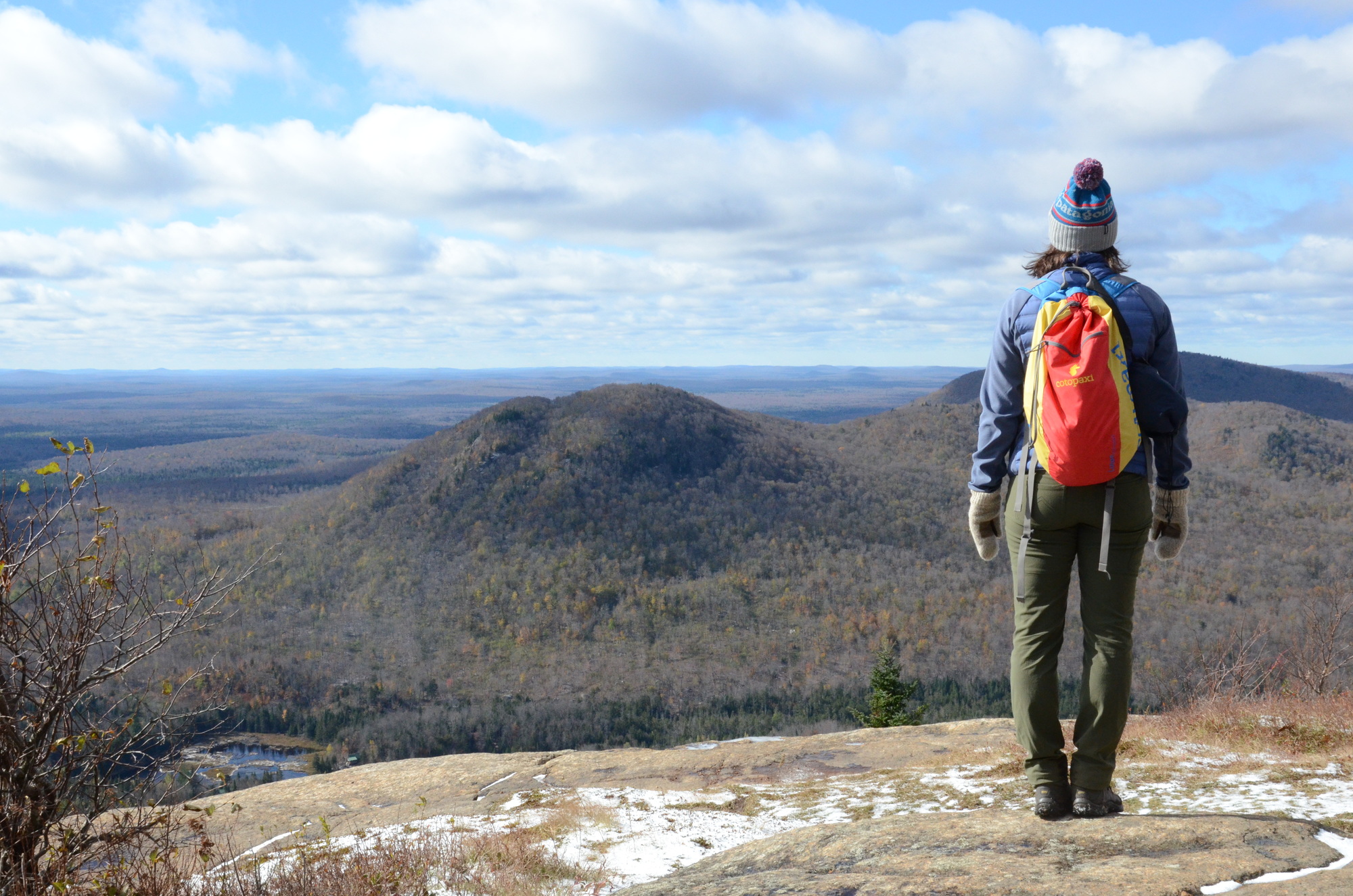
Weather changes quickly in the mountains, particularly in the shoulder seasons. As fall continues, and winter conditions appear at higher elevations, hikes that may have been in your comfort zone during the summer months may seem more daunting. The good news is that you don’t need to pick the biggest and boldest hike around to have a great time outdoors. Many moderate objectives offer incredible views from lower elevation peaks, ponds, and trail systems. How can you find a day hike that’s right for you? The Adirondack Day Hikes webpage offers a list of great adventures to choose from ranging in character, distance, and difficulty. Be sure to choose a hike that you’re sure you can complete within the short daylight hours this season. Here are a few of our favorites: Belfry Mountain: The fire tower trail extends 0.3 miles from the trailhead and climbs 120 feet on a service road to a fire tower on the summit. This is one of the easiest hikes to an Adirondack fire tower. The tower is open to the public and provides spectacular views of the Lake Champlain basin and Vermont. It's also a popular location to observe bird migrations through the Champlain Valley. Clements Pond: This backcountry pond is reached by a 1.5-mile trail which ascends about 650 feet before dropping down to this scenic waterfront with nearby Clement Mountain rising 900 feet above it. Ledge Mountain Overlook Trail (Vista Trail): This trail extends 1.1 miles and ascends 310 feet from the trailhead to the top of a ridge with a scenic overlook of the West Canada Creek Valley. |


|
The New York State Department of Environmental Conservation respects your right to privacy and welcomes your feedback | Update preferences or unsubscribe | Learn more about DEC Delivers |
|
Connect with DEC:     
|
|
| Basil Seggos, Commissioner | |