October's Forests, Plants, and Land Conservation News
The New York State Department of Environmental Conservation sent this bulletin on 10/14/2022 01:30 PM EDT |
| DEC Delivers - Information to keep you connected and informed from the NYS Department of Environmental Conservation |
| Share or view as a web page || Update preferences or unsubscribe |
Forests, Plants, and Land Conservation News |
This Month's Topics:
October is National Firewood Month: Help Protect New York’s Trees by Following the NYS Firewood Regulations
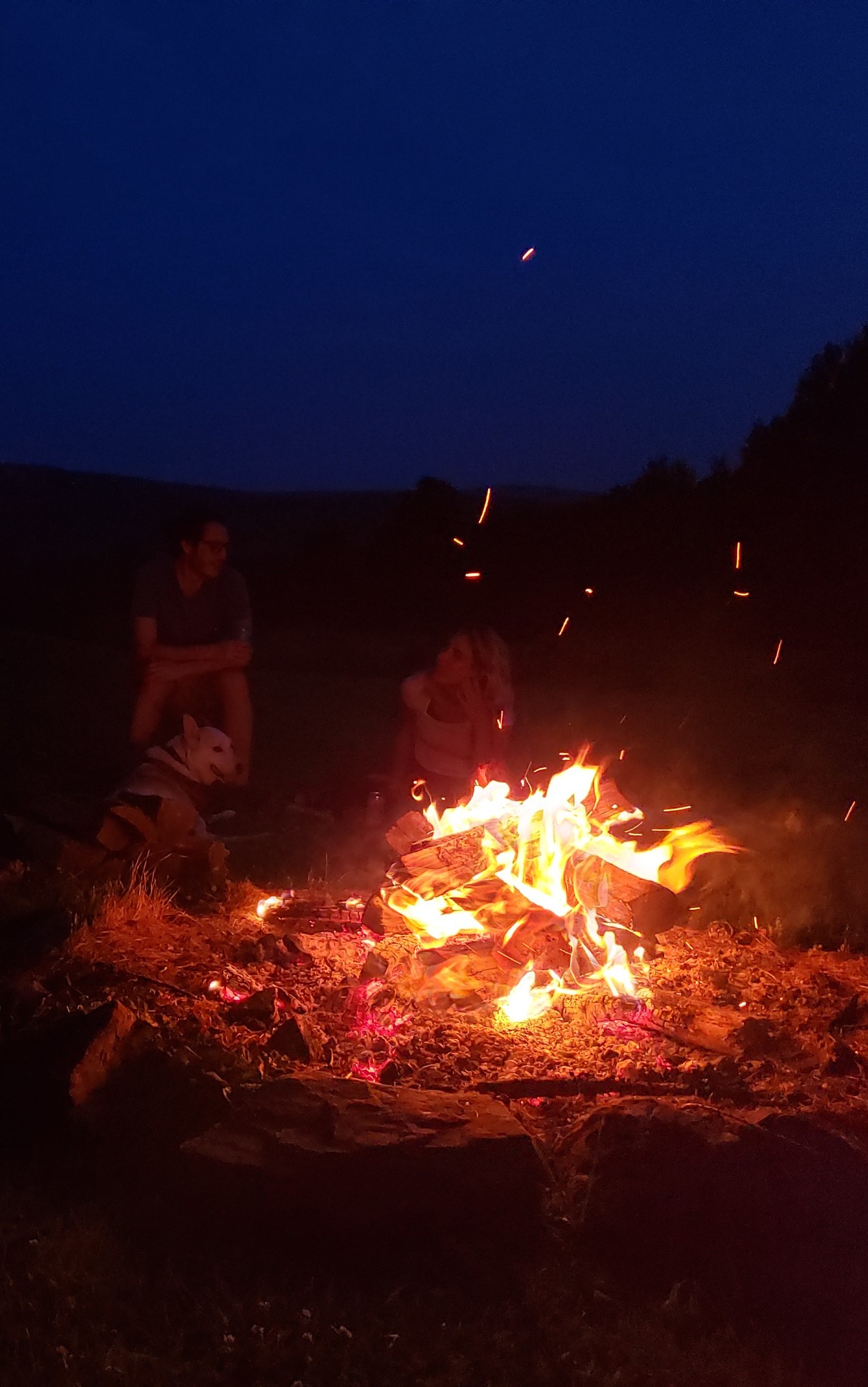
’Tis the season for hot cider, falling leaves, crisp weather, and cozy sweaters. Nothing is better on a fall evening than enjoying a toasty campfire with a s’more or two. While enjoying a campfire in your yard, at a campground, or at a gathering with family and friends, remember to follow the NYS firewood regulation while making your fire; use wood from a source of origin 50 linear miles or less from your destination, or use heat-treated firewood. Firewood can hide invasive species, like Asian longhorned beetle or spotted lanternfly, as well as tree diseases such as oak wilt. You could accidentally transport forest pests or diseases to new locations. The movement of firewood may be one of the major ways the emerald ash borer was able to infest most counties in New York in only 10-15 years. See our webpage to learn more about how you can protect NY’s trees by following the NYS firewood regulation - and thank you for doing your part! Pictured: Family enjoying an evening campfire
Teamwork on the Trails
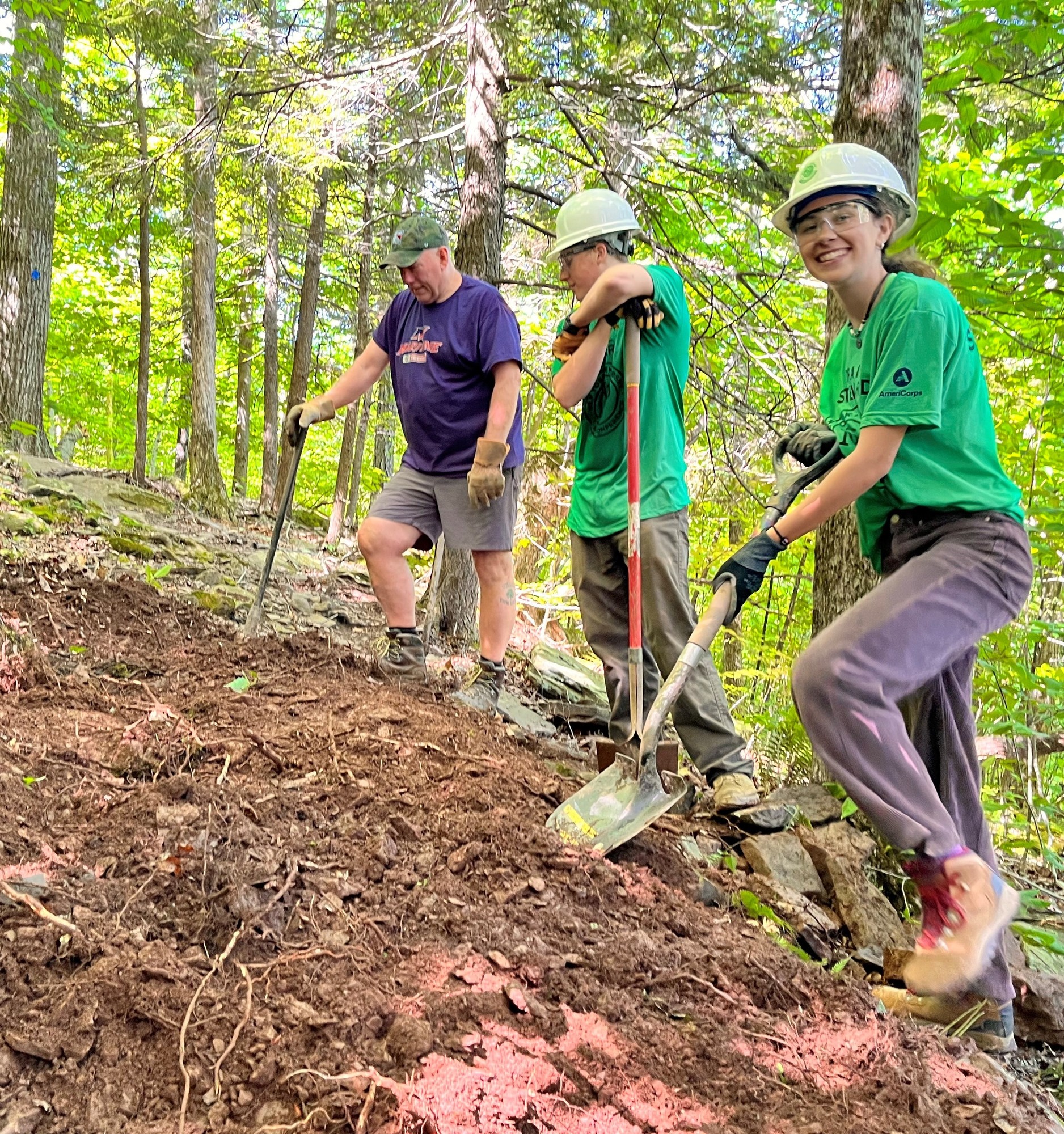
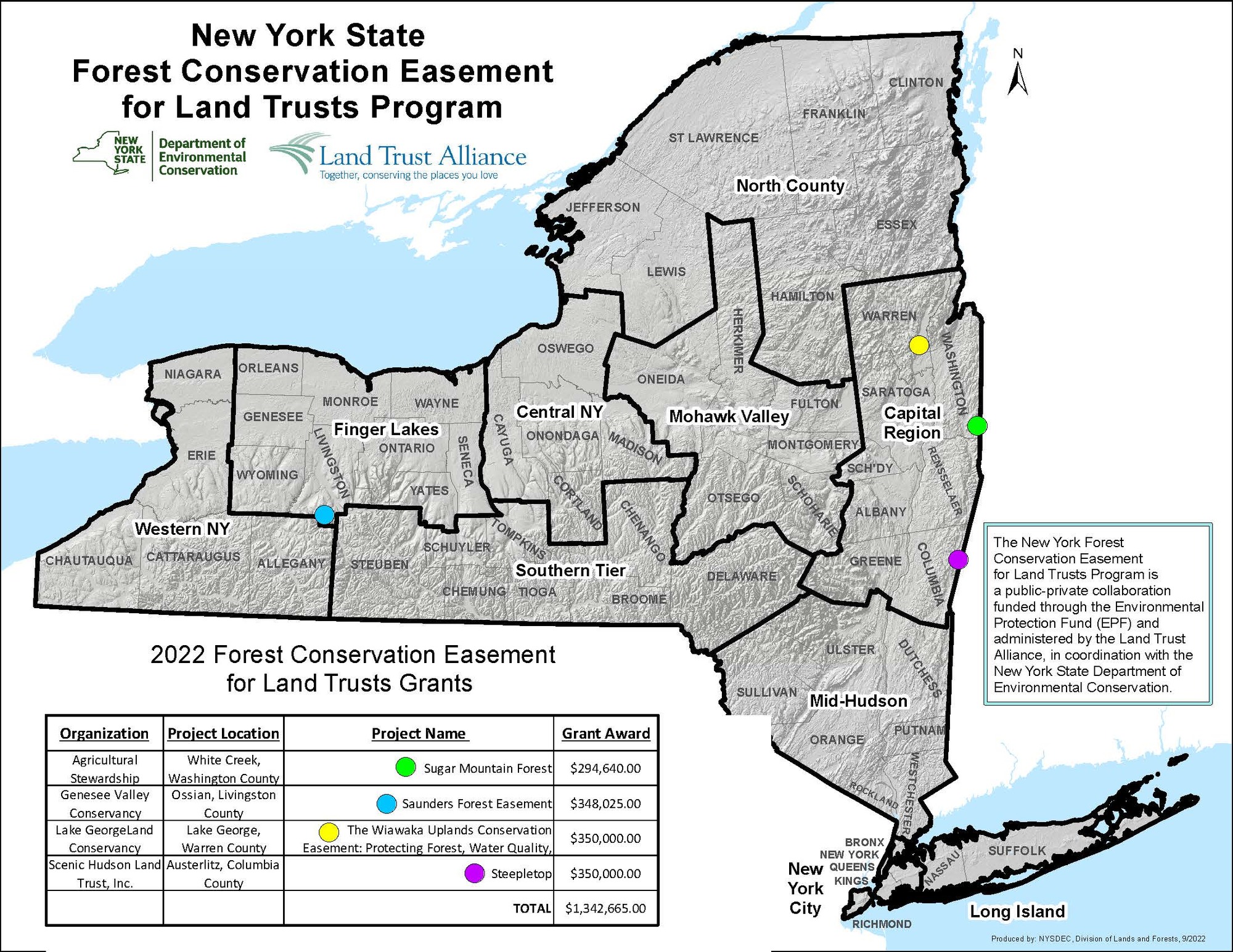
Did you know that DEC’s Division of Lands and Forests manages nearly five million acres of State land? It’s a big task but we get by with a little help from our friends. DEC contracts with partner organizations and outdoor professionals to maintain DEC lands so that they may be enjoyed safely and sustainably by the millions of visitors who explore them each year. Wondering what sort of projects these partners and professionals have completed so far? Visit our Trail Contract Reports webpage to see mid-summer reports and final season reports from some of our partners, with more to come soon! Pictured: NY-NJ Trail Conference Catskill Trail Stewards doing trail maintenance on the Long Path near the Lane Street trailhead in Phoenicia DEC Announces Nearly $1.35 Million in First Round of Grants Supporting Land Trust Forest Conservation EasementsThe NYSDEC in partnership with the Land Trust Alliance recently awarded nearly $1.35 million in grant funds to four lands trusts to help protect and preserve local forests from development and combat climate change. Protecting forests from potential development and establishing new forested areas helps preserve biodiversity and safeguard the ecosystem benefits forests provide, such as stormwater mitigation, temperature regulation, carbon sequestration, and climate resiliency. The funds were made available through the Forest Conservation Easement for Land Trusts (FCELT) Grant Program, which helps increase the pace of forest land conservation to keep forests as forests and continue to help combat climate change. Funding was awarded to:
For more information about the recent grant award recipients and details about the grant, read the press release or visit DEC’s website.
Image: Map of locations of the 2022 NYS Forest Conservation Easement for Land Trust Program’s grant recipients NYS Awarded $60 Million in Federal Funds to Advance Smart Climate Practices in New York Farms and Forests
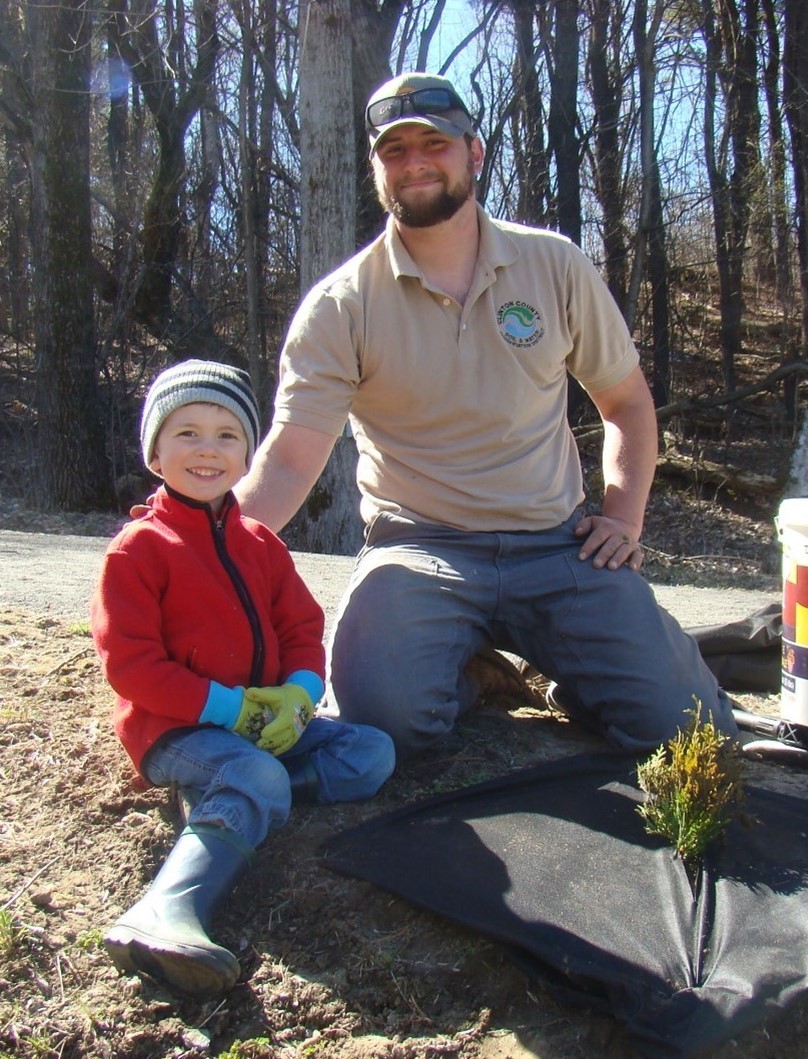
A new initiative, NYS Connects: Climate Smart Farms and Forests Project, has been awarded a $60 million grant from the U.S. Department of Agriculture Partnerships for Climate-Smart Commodities funding opportunity. This initiative, which is led in collaboration by NYSDEC and the Department of Agriculture and Markets, will help farmers and forest landowners implement climate smart practices on their lands through future rounds of programs like Regenerate NY and Climate Resilient Farming. Additionally, the initiative will identify and reduce social and behavioral barriers to implementing climate smart practices and will build connections between landowners and companies with a growing demand for commodities produced using climate smart strategies. Implementation of climate smart practices will increase carbon sequestration and storage, reduce carbon dioxide emissions, and increase climate resilience on natural and working lands across the state. Climate smart practices include tree planting, invasive species control, deer exclusion in forests, manure management, water management, and soil health projects on farms. For more details about the grant, read the press release. Pictured: Two proud tree planters next to a newly planted seedling Hemlock Woolly Adelgid Treated at Birdseye Hollow State Forest
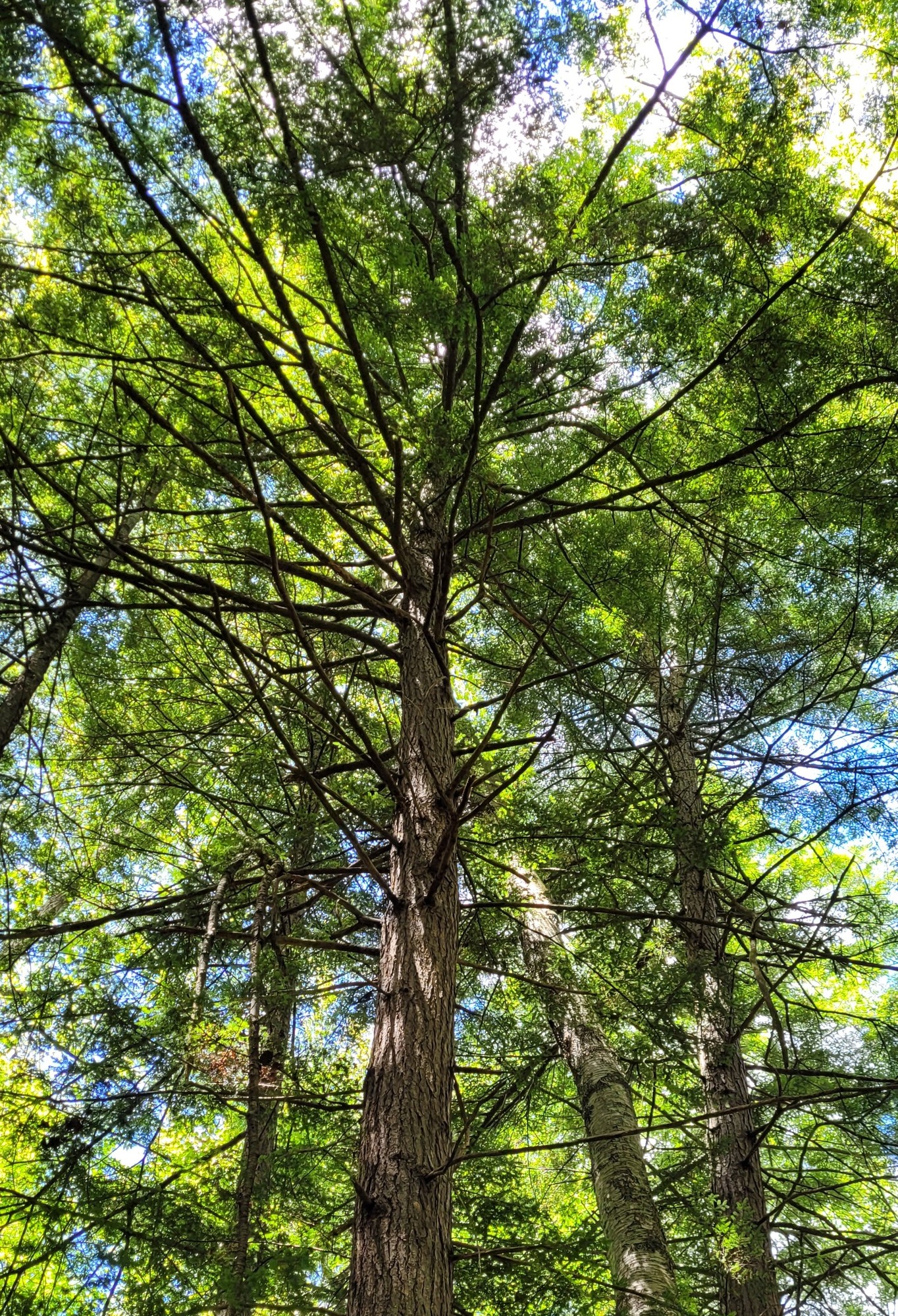
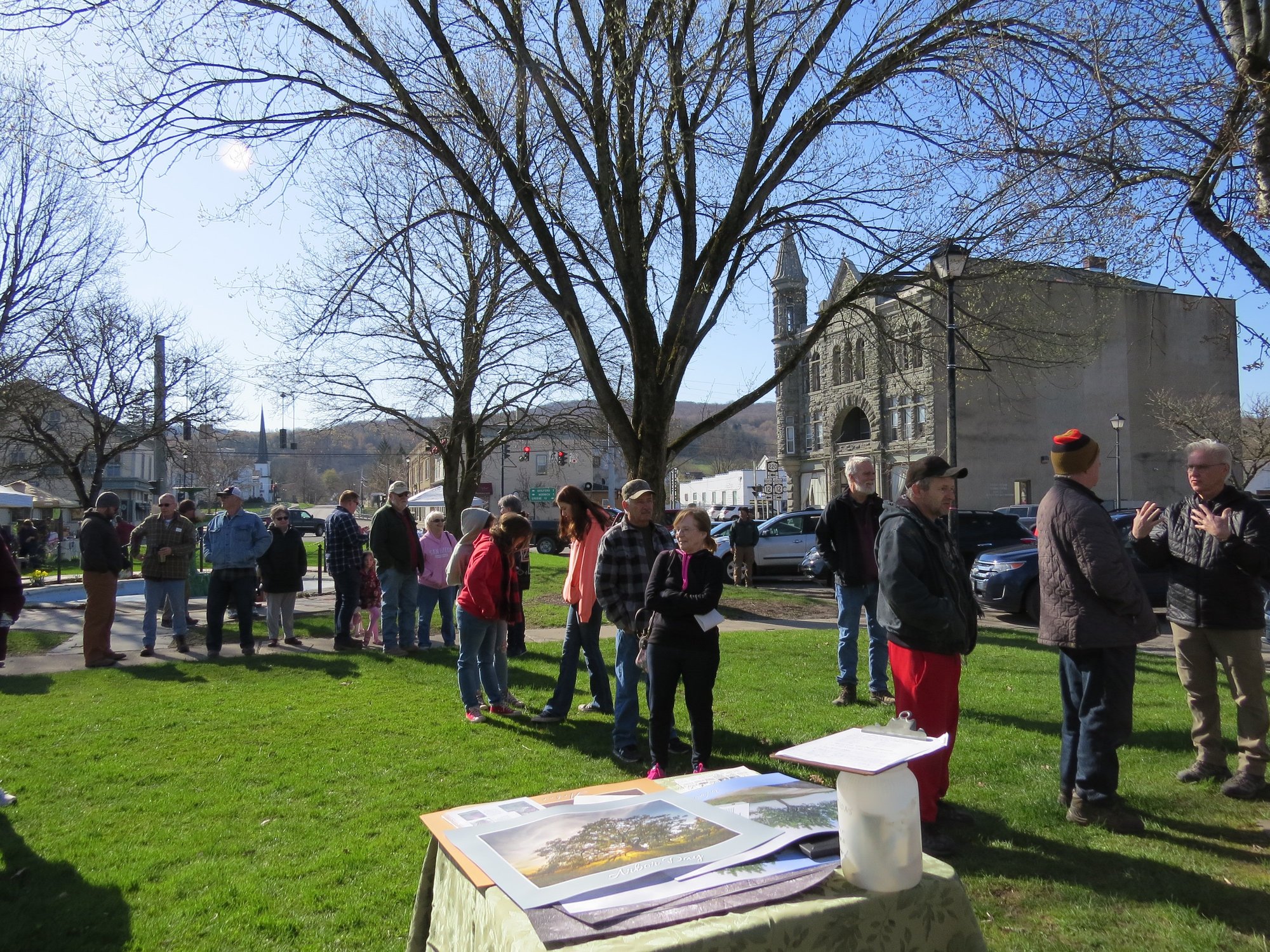
DEC recently treated eastern hemlock trees for hemlock woolly adelgid (HWA), an invasive aphid-like insect that attacks hemlock, at Birdseye Hollow State Forest in Steuben County. At 1.5 mm, these minute insects are hard to see unless the white woolly covering on their egg sacs is visible. Look for these tiny cotton-ball like masses on the underside of hemlock branches, right at the base of the needles. HWA was first detected in the area in 2018. The HWA treatments to protect hemlock trees at Birdseye Hollow State Forest were made possible through a partnership with the NYS Hemlock Initiative. The trees were treated with insecticides (PDF) to protect them from HWA for the next few years while long-term protection is developed using biological control agents, such as insects that prey up the HWA. The hemlocks in Birdseye Hollow were selected for treatment because they are larger, mostly healthy trees nearby, but not in, a wetland and stream complex that provides important habitat. Treatment for HWA will continue at Birdseye Hollow throughout the fall and additional hemlocks have been treated at Hemlock-Canadice and McCarthy Hill State Forests. To learn more about HWA and how you can help, visit the DEC website. Pictured: Eastern hemlock tree that was treated for HWA in Birdseye Hollow State Forest, Steuben County Urban and Community Forestry CornerUpcoming Events Grant Information Session: “Replanting in Disadvantaged Communities After Ash Tree Loss” (Virtual) – November 9 from 9:00 a.m. – 11:00 a.m. *Disadvantaged communities maps can be found in the DECinfo Locator, under Public Involvement. Check the first two boxes for PEJAs and DACs. (Please note that this is a unique UCF grant opportunity not to be confused with the ongoing rounds of DEC UCF grants, which the next round will be released in early 2023.) “Superstorm Sandy: 10 Years Later” ReLeaf Workshop (in-person workshop) – November 18 from 9:00 a.m. – 12:30 p.m. Community Spotlight The Village of Oxford in Central NY celebrated Arbor Day this past spring with a free tree giveaway. Residents lined up to receive their saplings and arbor day posters and hear a proclamation read as part of the celebration. 2022 will be Oxford’s 30th year as a Tree City USA.
Pictured: Arbor Day celebration in the Village of Oxford in April 2022 Tree City USA News The application portal is now open! If your community completed the requirements to obtain Tree City USA status this year, make sure to get your application in by December 16th. Visit the portal to apply now. Arbor Day Artwork Poster Contest The annual Arbor Day poster contest is now open; submissions are due by the end of the year on 12/31/2022. To submit your photo or artwork, visit our poster page for complete contest rules. Please note that the artist information form must be included with your submission. Annual Student Arbor Day Poster Contest Expanded to Include More Education Programs
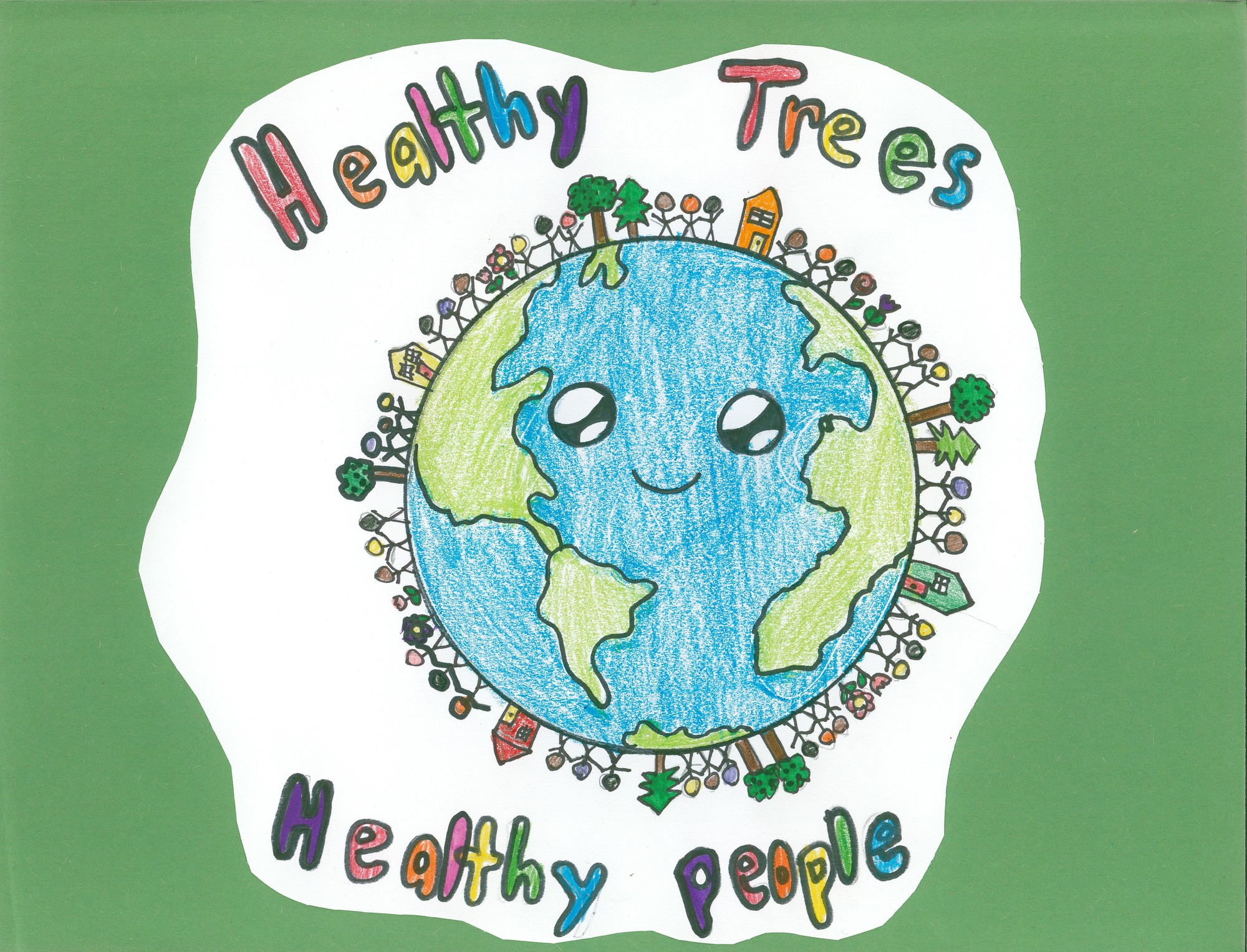
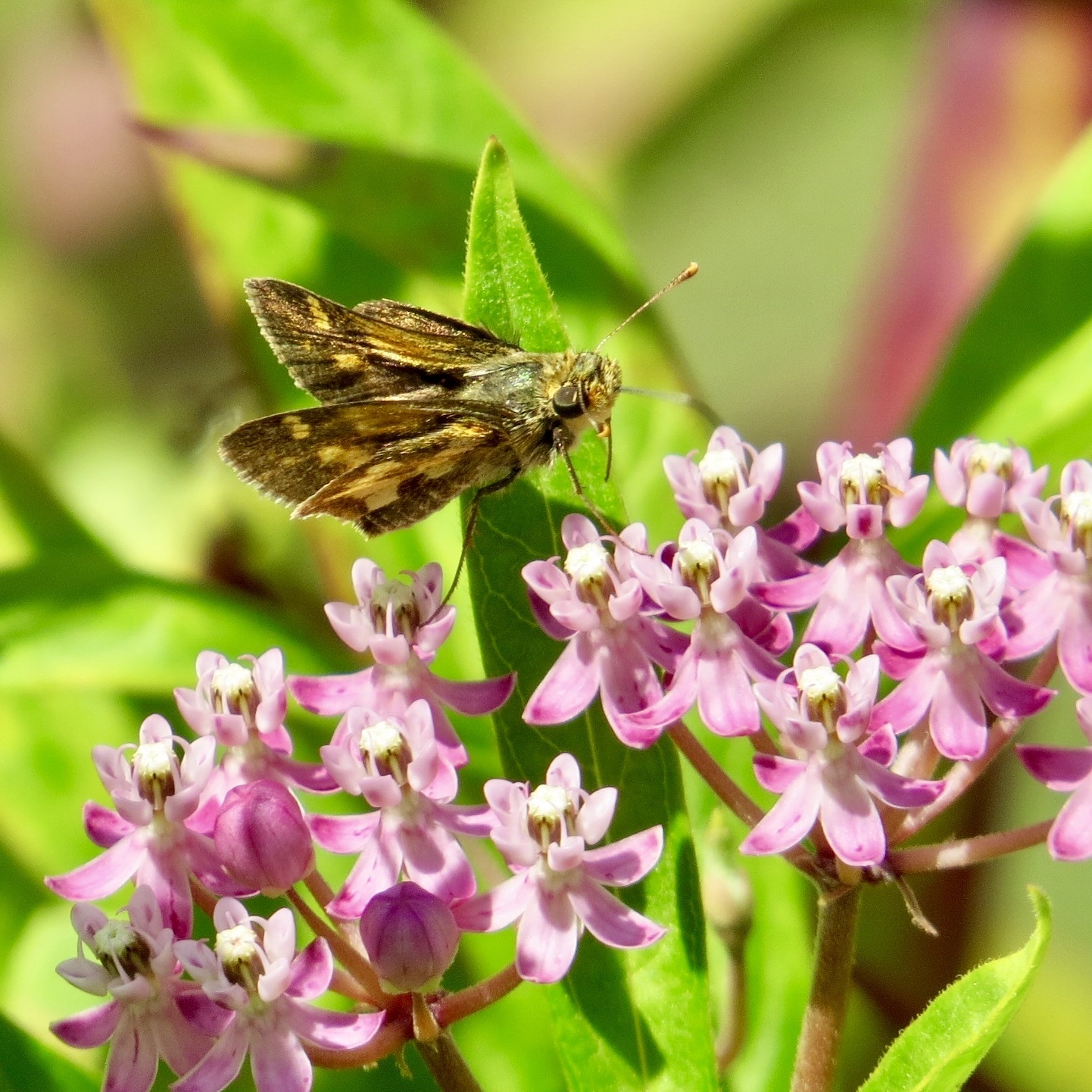
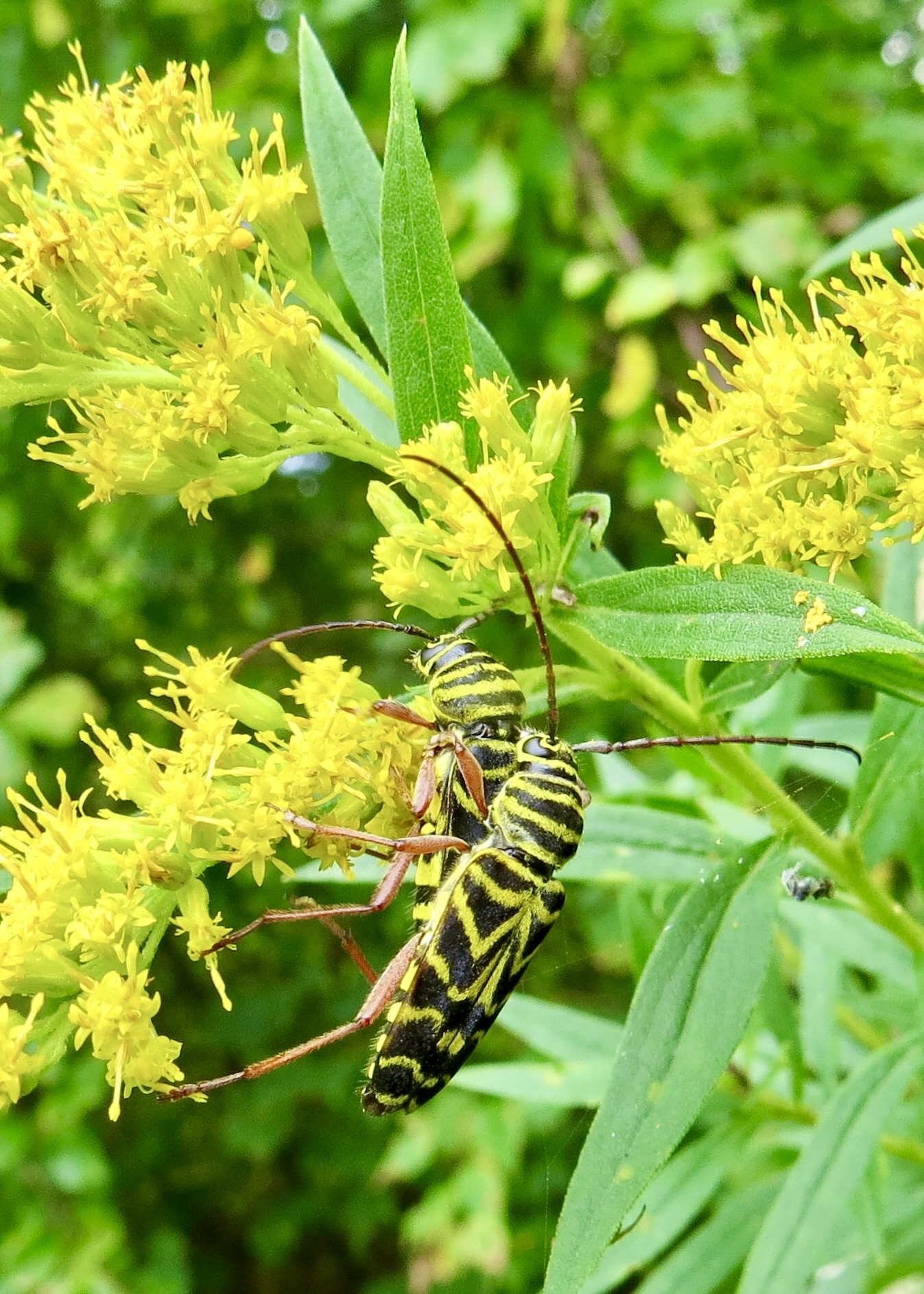
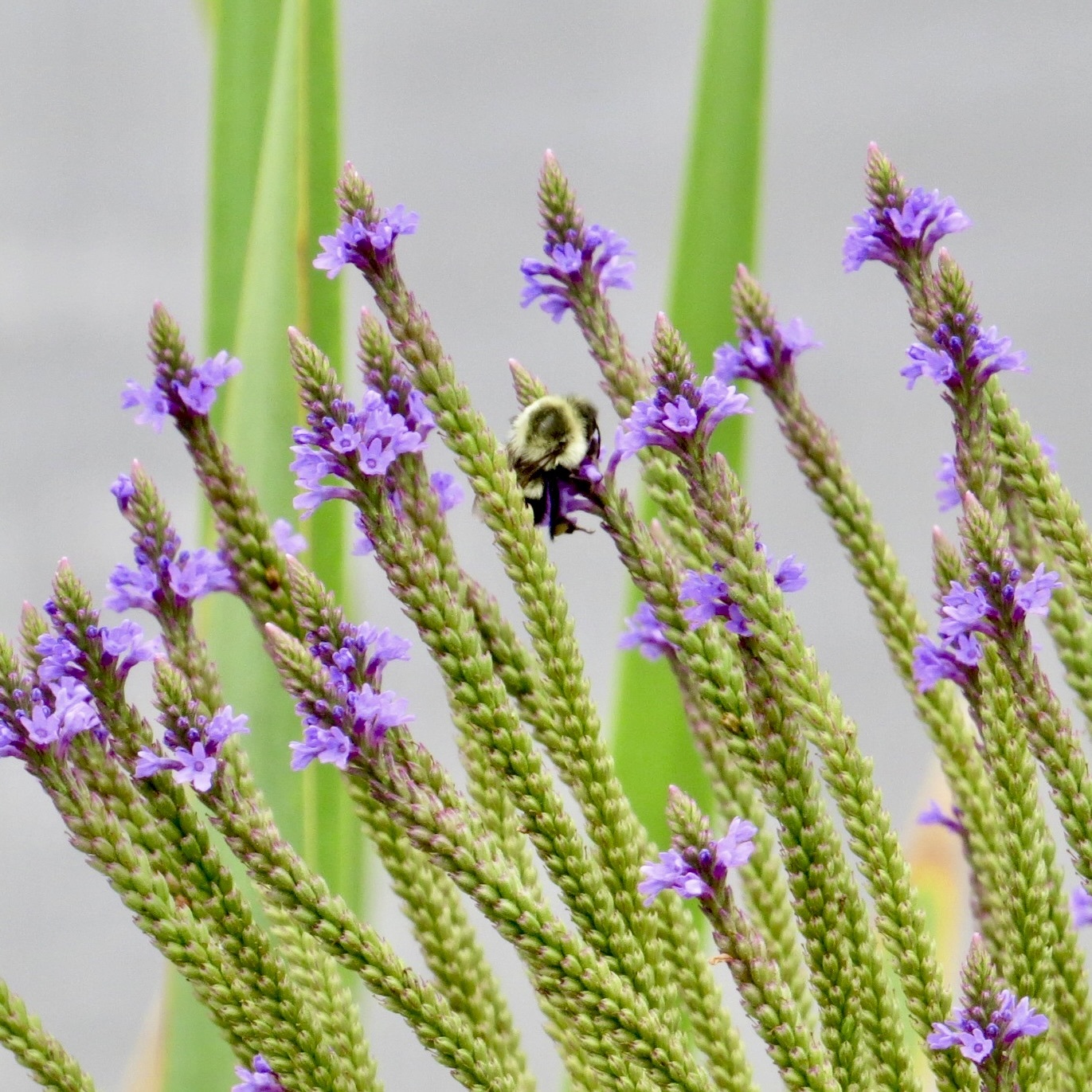
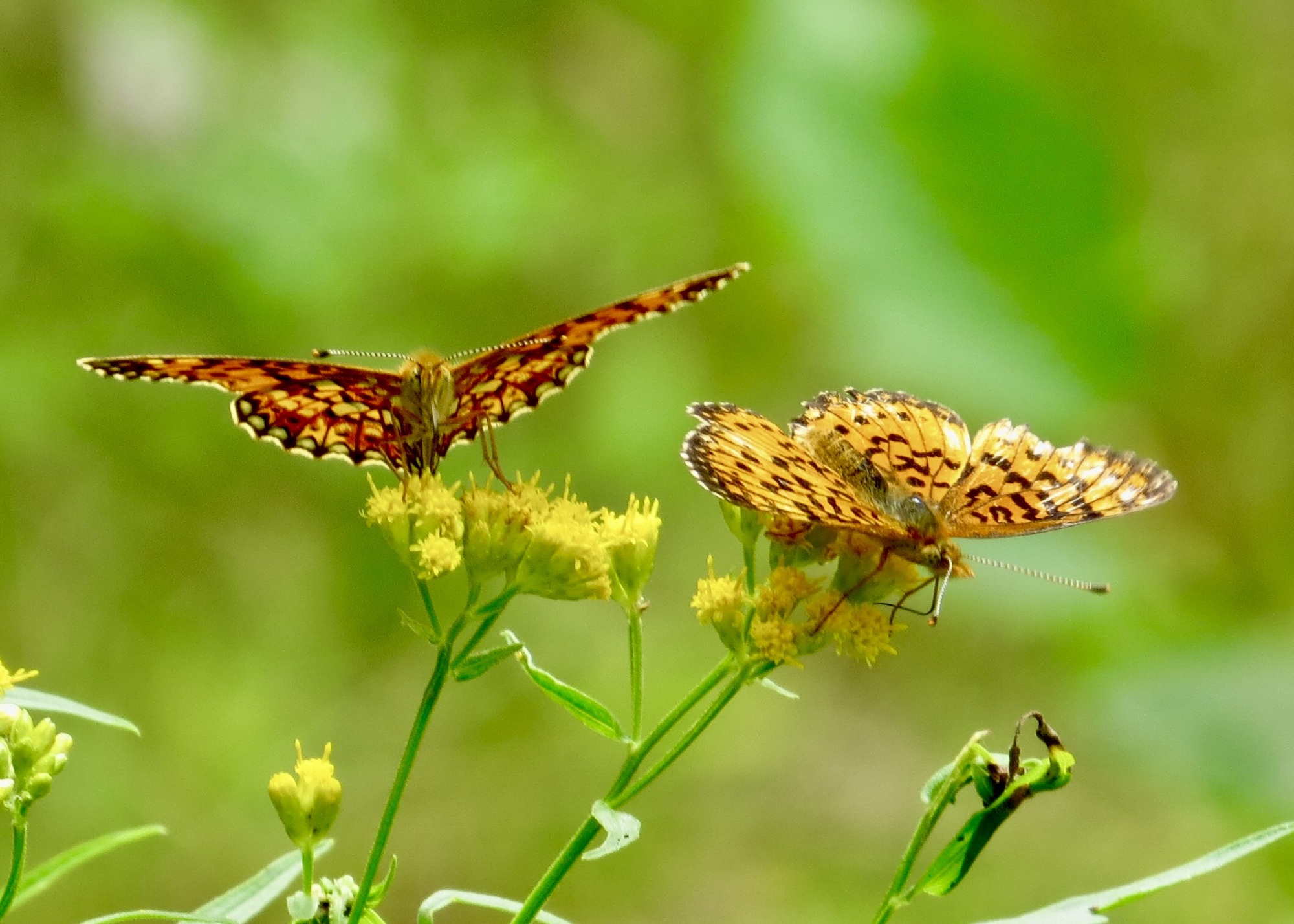
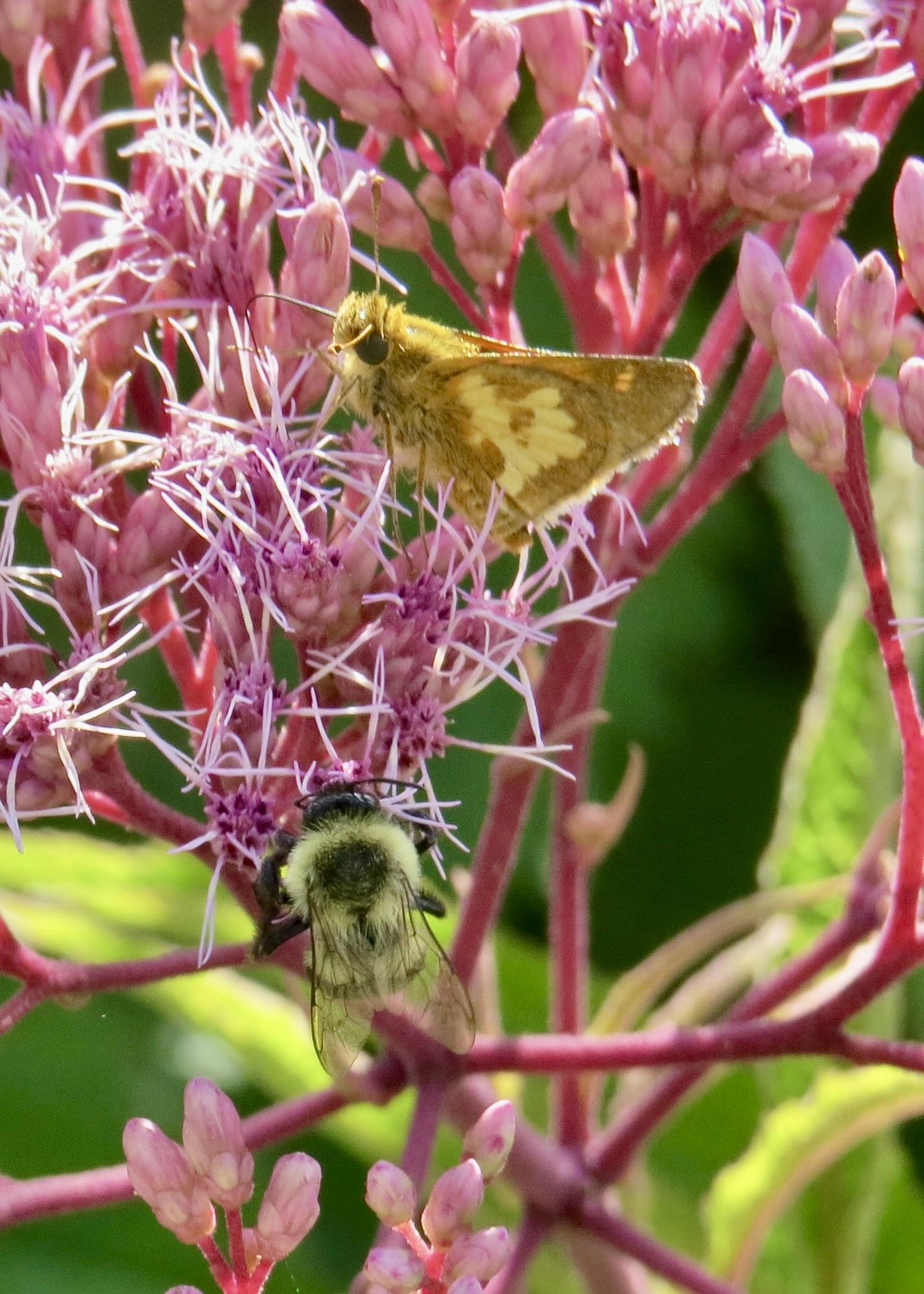
The DEC Urban and Community Forestry Program (UCF) has adopted a new format to its Arbor Day School Poster Contest program to make it more inclusive and flexible for educators. We are providing tree-focused lesson plans and other resources on DEC’s Education website that educators can use to host their own poster contest within their classroom or educational program at any time of year. We will send educators complimentary art supplies such as crayons, pencils, paints, markers, and paper, and each participating student will receive a tree identification booklet. The program was previously limited to 4th and 5th grade classrooms but has been expanded to include all grades and a variety of educational programs including afterschool, homeschool, and other children’s programs. Teachers are invited to share their students’ Arbor Day posters by sending us pictures to share on DEC’s social media to celebrate participants’ artwork. For more information, please visit the program's webpage or email arborday@dec.ny.gov. Image: Artwork by Cecilia Fedeson, last year’s student Arbor Day poster contest winner What We’re Reading If you’ve ever felt a sense of calmness being outdoors in the woods, you’ve experienced one of the benefits of forest bathing. Learn more in this article on forest bathing in NYC’s Central Park. Native Flowers in the Fall: A Gift to Native Insects and a Treat for the Human EyeFall is a season rich with outdoor colors and sounds. Walking through your local park or forest, you may hear the buzz of busy bees, the crunch of crisp leaves, and the gentle rustling of flowers and seeds on drying stalks in the wind. Many of our native flowers, trees, and shrubs pop with color in the fall and attract both pollinators and gardeners alike. In addition to their beauty, these native plants support a diversity of insects that are essential to the survival of species in New York State’s many ecosystems. Check out DEC's list with images of native flowers, shrubs, trees, and vines (PDF) for examples of what to plant in your own backyard for a pop of color and to help native insects. Examples of native plants and pollinators are pictured below, courtesy of DEC Natural Resource Planner Sara Hart.
|
|
The New York State Department of Environmental Conservation respects your right to privacy and welcomes your feedback | Update preferences or unsubscribe | Learn more about DEC Delivers |
|
Connect with DEC:     
|
|
| Basil Seggos, Commissioner | |