Shellfishing Newsletter
The New York State Department of Environmental Conservation sent this bulletin on 07/01/2022 10:00 AM EDT |
| DEC Delivers - Information to keep you connected and informed from the NYS Department of Environmental Conservation |
| Share or view as a web page || Update preferences or unsubscribe |
Shellfishing Newsletter |
|
In This Issue:
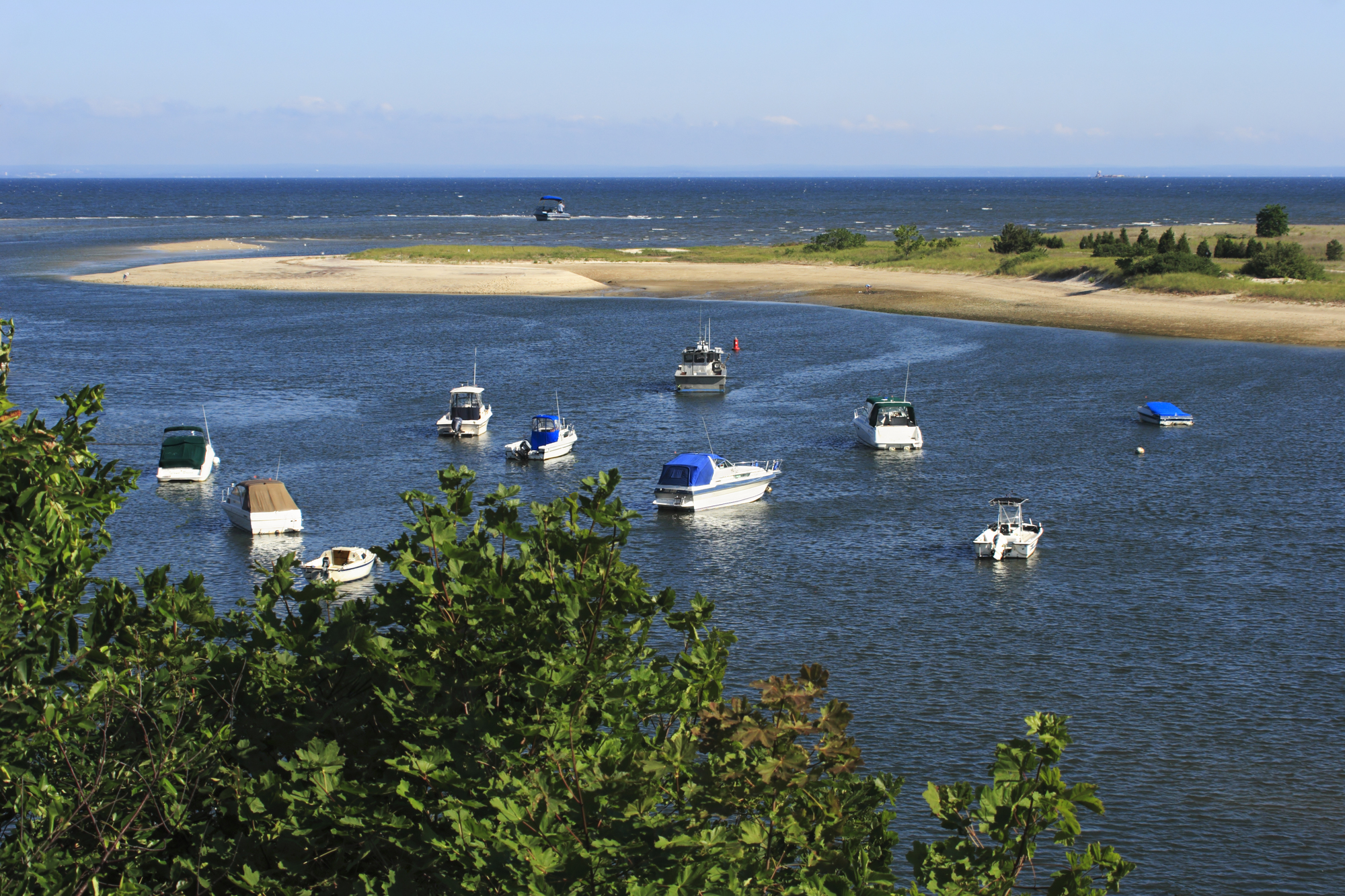
Annual Temporary Shellfish Closure During Holiday WeekendDEC is temporarily closing three shellfishing areas on the North Shore of Long Island during the upcoming Fourth of July holiday period. DEC imposes these closures during busy holidays to protect public health from potentially contaminated shellfish associated with increased boating activity in shellfishing waters. Boaters are reminded to use pump-out facilities to help protect water quality. DEC will designate the following areas on the North Shore of Long Island as closed to the harvest of shellfish beginning at sunrise on Friday, July 1:
Shellfish harvesting is expected to resume in these areas on Thursday, July 7. If poor weather causes fewer boaters to visit these areas, DEC may rescind the closure and reopen the areas to harvesting prior to July 7. A recorded message advising the public about temporary closures of any shellfishing areas in New York State is accessible 24 hours a day by calling (631) 444-0480. The recorded message also advises harvesters when such areas have reopened. Information, including maps showing the affected areas, is available on DEC's website. Regulatory Changes to Shellfish Harvest Areas ClassificationsDEC conducts year-round water quality sampling to determine shellfish harvest area classifications annually. Shellfish may only be harvested from open (certified) waters that meet New York State's strict bacteriological standards for shellfish harvesting and are in compliance with the National Shellfish Sanitation Program (NSSP). A summary of recent changes that went into effect on June 27, 2022, can be found on DEC's website. The complete text of the rulemaking is also available on DEC's website. DEC continues to monitor water quality throughout New York's marine waters to protect the public health of shellfish consumers and provide harvesting opportunities for commercial and recreational shellfish harvesters as water quality conditions warrant. Responsible Boaters Use Pump-Outs and Watch for Marine LifeNew York's marine waters offer abundant recreational opportunities for boaters, swimmers, surfers, anglers, divers, and wildlife watchers. DEC is calling on marine recreational boaters to act responsibly while enjoying New York’s marine waters this summer! Always Use Boat Pump-OutsBoaters should be aware that most of New York's marine waters are designated as no-discharge zones. A no-discharge zone is a designated body of water where the discharge of treated or untreated boat sewage is prohibited. For a complete list of no-discharge zones visit EPA's website. For details on town pump-out facilities and locations, visit their websites below. Nassau County
Suffolk County
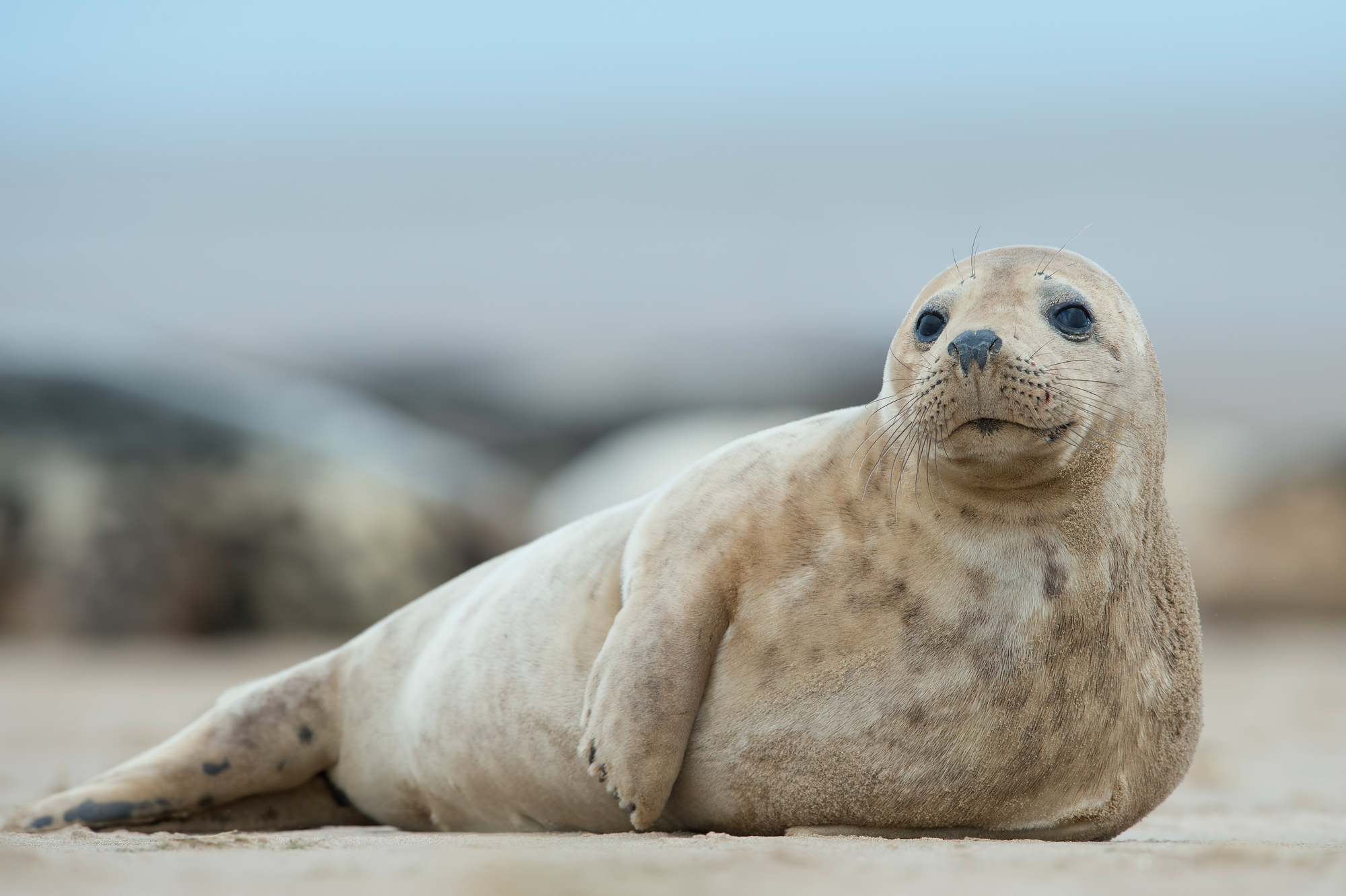
Watch for Marine LifeNew York's ocean waters are home to various kinds of marine life, including large whales and dolphins! Whales and dolphins are protected under the Marine Mammal Protection Act, and boaters must remain at a distance from marine life for everyone's safety:
If a marine mammal or sea turtle approaches you, remember to idle your engine and not re-engage power until the animal has cleared your path. Attempting to leave the area may interrupt natural behaviors such as feeding, nursing, resting, and traveling, or could result in a vessel strike causing harm to the animal and/or boat. Report all sightings of marine mammals or sea turtles to DEC by using our Flipper Files digital survey. If you suspect a marine mammal or sea turtle is sick or injured, call the New York Stranding Hotline at 631-369-9829 to report the animal. Learn more about the different types of Marine Mammals in New York and for more information on marine wildlife viewing safety visit NOAA's Marine Life Viewing Guidelines. New York Shellfish Restoration Council Meeting SummaryThe Shellfish Restoration Council has been established to support and guide shellfish restoration efforts throughout the state's marine waters. The council is tasked with providing recommendations on the management and monitoring of restoration efforts, identifying future restoration initiatives, and coordinating training and education programs throughout our marine and coastal district. Shellfish Restoration Council met virtually on June 7, 2022, to provide updates on New York shellfish restoration projects and on the development of a comprehensive, science-based, and stakeholder-driven state shellfish restoration plan. Review the June 2022 meeting documents using the links below:
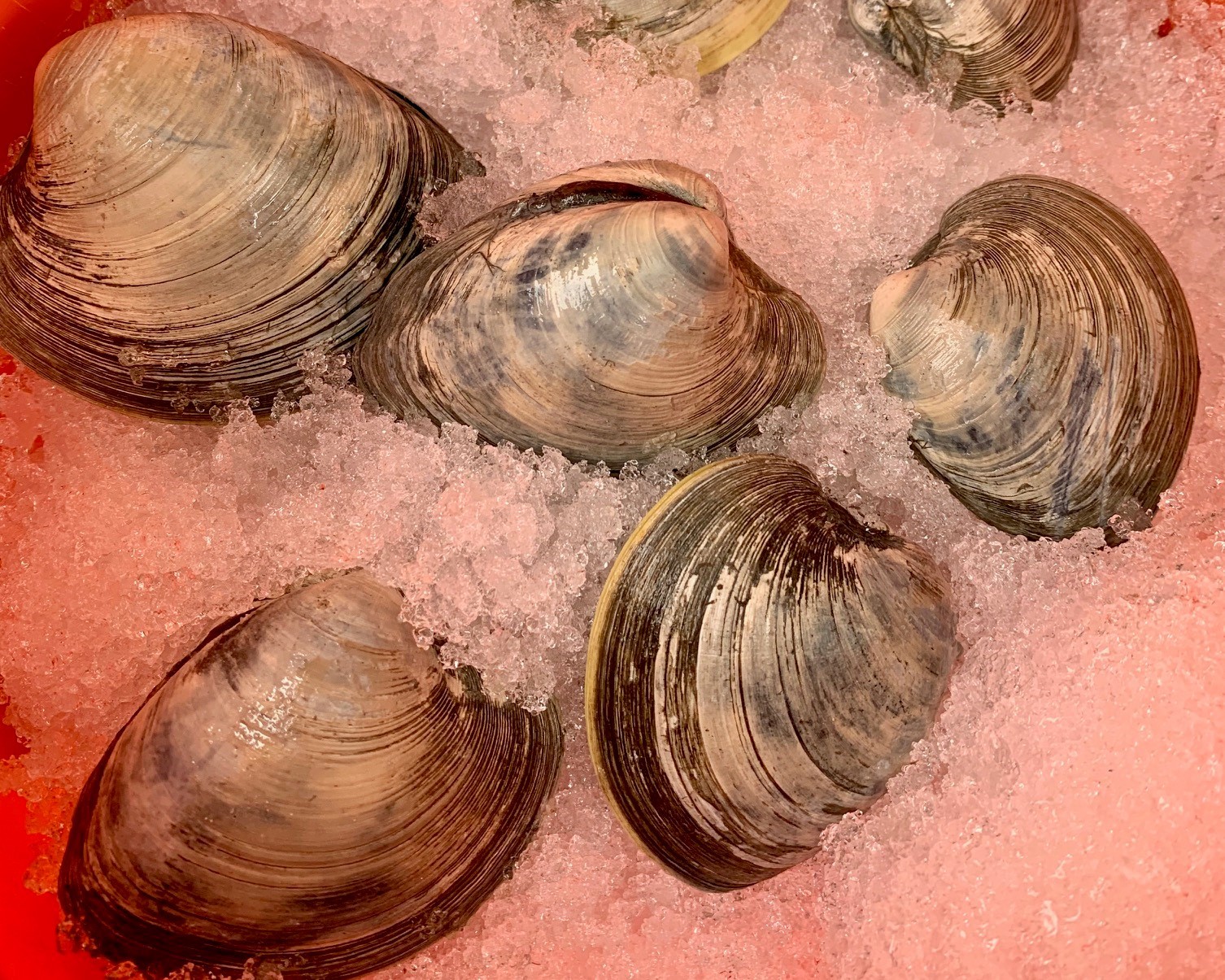
For past meeting information and details on future events, please visit DEC's website. During Warm Weather, Keep Your Shellfish CoolFrom May 1 through October 31, DEC's Vibrio Control Plan promotes proper postharvest handling of shellfish to ensure they are kept cool to protect the public health of shellfish consumers. To ensure the safety of shellfish for consumers, follow the guidance below:
Before shellfishing, use the Public Shellfish Mapper to know where shellfish harvesting areas are open: on.ny.gov/shellfishmapper This interactive mapper shows regulatory closures, temporary closures, conditional harvesting programs, shellfish harvest zones, aquaculture lease sites, and water sampling stations. This map is for reference only. Please review our official regulations for the legal descriptions of the closures. Make sure to also check Shellfish Harvest Limits, and contact the town you're harvesting from for information about local regulations and permits, |
|
The New York State Department of Environmental Conservation respects your right to privacy and welcomes your feedback | Update preferences or unsubscribe | Learn more about DEC Delivers |
|
Connect with DEC:     
|
|
| Basil Seggos, Commissioner | |