Hunting and Trapping Newsletter
The New York State Department of Environmental Conservation sent this bulletin on 07/06/2022 09:00 AM EDT |
| DEC Delivers - Information to keep you connected and informed from the NYS Department of Environmental Conservation |
| Share or view as a web page || Update preferences or unsubscribe |
Hunting and Trapping Newsletter |
Tracking Resident Canada Geese
DEC Encourages New Yorkers to Take Steps to Live Responsibly with Black Bears
In the summer, people see bears more frequently. Bears are active, dispersing to new habitat, searching for mates, and foraging for food to gain the fat needed for next winter. Meanwhile, people are also more active outdoors and recreating in areas that may be shared with bears. With this increased activity comes a greater potential for human-bear conflicts, especially when bears find food near people. New Yorkers living in bear country, which includes much of upstate New York, are asked to take a few simple steps this summer to protect their communities and bears from harm:
For more information, please watch DEC’s video on “Bears In The Backyard” or visit DEC's webpage on reducing human-bear conflicts. |
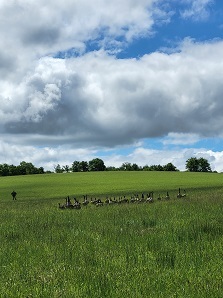 Banding ducks and geese has been a central part of managing these species since the early 1900s that continues to be extremely important. Each year, DEC biologists, technicians, partner agencies/universities and volunteers from around New York State band over 3,500 Canada geese and nearly 8,000 migratory game birds (e.g. geese, ducks, woodcock, and rails). These banding programs are vital to understanding population dynamics, movements, and reproduction. Last year we made a video on how and why we band Canada geese.
 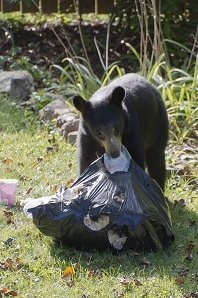 DEC encourages New Yorkers to take a few simple precautions to avoid conflicts with bears. By taking these steps, you can reduce the potential for conflicts with bears and other wildlife in your backyard.
|
The New York State Department of Environmental Conservation respects your right to privacy and welcomes your feedback | Update preferences or unsubscribe | Learn more about DEC Delivers |
|
Connect with DEC:     
|
|
| Basil Seggos, Commissioner | |