
DEC Adirondack Outdoor Recreation Bulletin - June 16, 2022
The New York State Department of Environmental Conservation sent this bulletin on 06/16/2022 04:55 PM EDT |
| DEC Delivers - Information to keep you connected and informed from the NYS Department of Environmental Conservation |
| Share or view as a web page || Update preferences or unsubscribe |
DEC Adirondack Outdoor Recreation BulletinJune 16, 2022 |
|
This bulletin provides only the most recent notices. Check the Adirondack Backcountry Information webpages for more detailed information on access, outdoor recreation infrastructure, and conditions. Emergency Situations: If you get lost or injured; keep calm and stay put. If you have cell service, call 911 or the DEC Forest Ranger Emergency Dispatch, 833-NYS-RANGERS. Welcome to the Adirondacks. The Welcome to the Adirondacks webpage is the place to go if you are interested in learning more about the Adirondacks. It provides information about the Forest Preserve, conservation easement lands, outdoor recreation, and Leave No TraceTM. Love Our NY Lands: All New Yorkers and visitors should be able to access, enjoy, and feel welcome on state lands. These lands belong to all of us, our families, and our neighbors. While enjoying these shared spaces, be respectful of other visitors. Share trails, treat people with kindness, and leave things as you found them for others to enjoy. All of us have a responsibility to protect State lands for future generations. Learn more about how you can Love Our NY Lands. @NYSDECAlerts: @NYSDECAlerts on Twitter provides real-time updates from DEC-managed lands across New York State. Recreation Highlight: Hike, Bike, Run, or Climb Through History at Mt. Van Hoevenberg Olympic Sports Complex
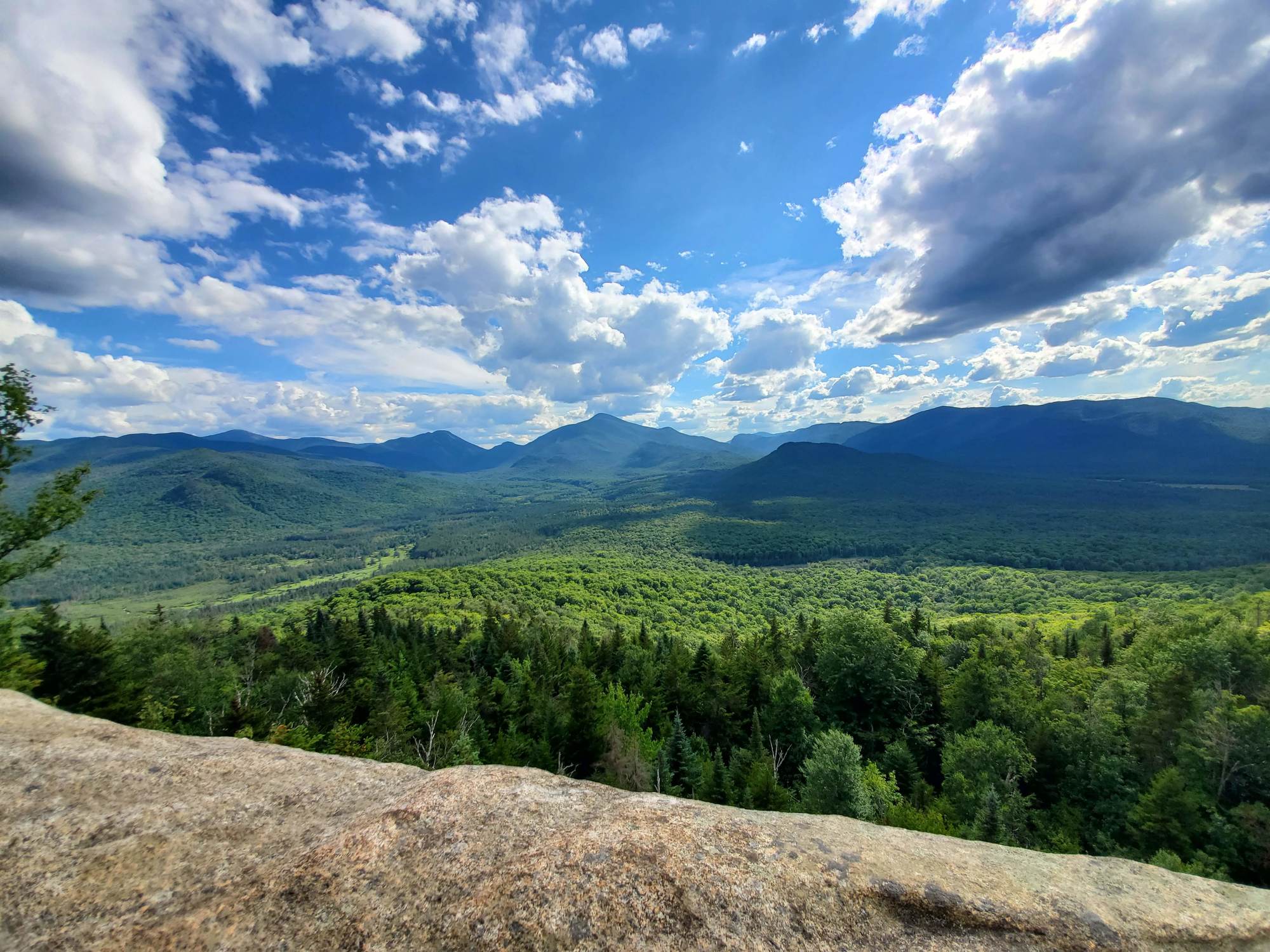
The Mount Van Hoevenberg Olympic Sports Complex is a world class facility with an incredible Olympic legacy where something is always going on. The now state-of-the-art combined bobsled and skeleton track, the foundation and epicenter of the complex, originally dates to 1930. It was constructed for the 1932 Olympic Winter Games, right alongside the expanse of trail systems used for cross country skiing and biathlon competitions. The venue was used again for the 1980 Olympic Games and continues to be used today as a World Class competition venue and visitor attraction. Mt. Van Hoevenberg is also home to the Mt. Van Hoevenberg East Trail (MVHE). The new sustainable hiking trail starts in the heart of the Mt. Van Hoevenberg complex and ends on a mountainside overlook with incredible views of the High Peaks Wilderness. The trail is almost 2 miles round-trip with relatively mild grades. It was expertly designed to withstand the test of time while also being pleasant to walk. Perfect for hikers of all ages and experience levels, the MVHE trail is ideal for visitors seeking a spectacular High Peaks view without the challenge of climbing a peak over 4,000 feet. Mt. Van Hoevenberg also offers indoor rock climbing, 50 km of trails for mountain biking and running, and North America’s longest mountain coaster. A unique and inspiring destination, Mt. Van Hoevenberg combines historic legacy, outdoor recreation, and world-class sports to create an Adirondack experience that offers something for every visitor. Learn more at mtvanhoevenberg.com. Hiker Information Stations
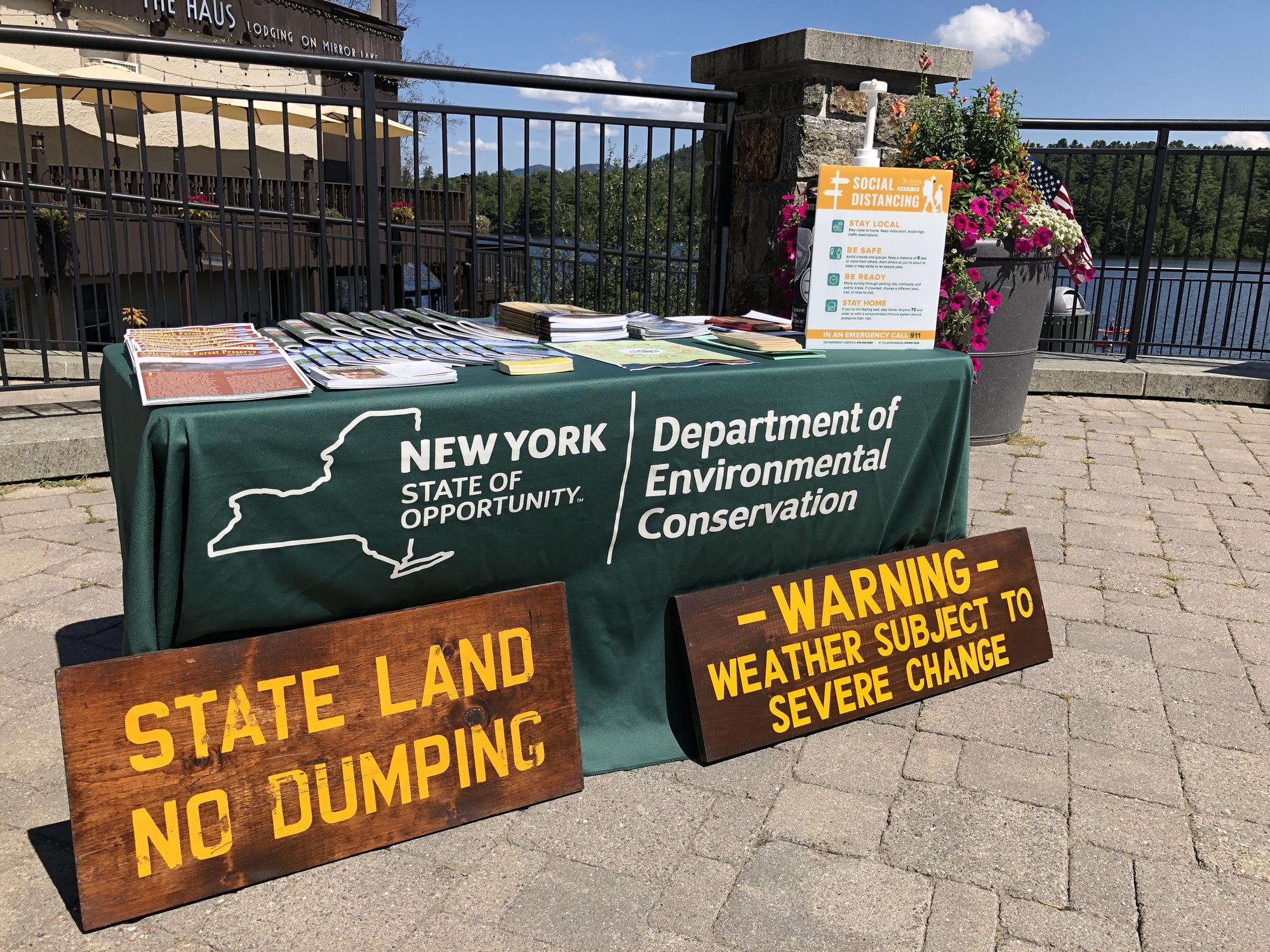
DEC’s Adirondack Hiker Information Stations are operating every weekend now until Columbus Day providing education and information to hikers and other recreationists.
Recent NoticesThe following are the most recent notices pertaining to public lands in the Adirondacks. Please check the Adirondack Backcountry Information webpages for comprehensive and up-to-date information on seasonal road statuses, rock climbing closures, specific trail conditions, and other pertinent information. NEW THIS WEEK: Ferris Lake Wild Forest: Powley Road is open. All washouts have been repaired. Speculator Tree Farm and Perkins Clearing: All roads and campsites are now open to the public. Old Military Road has been repaired and the Pillsbury Mountain Fire Tower parking area is open. Flatrock Mountain Conservation Easement: The area south of Flatrock Mountain, including the gated logging road, will be temporarily closed to public access for timber harvesting by the landowner. LAST WEEK: Muddy Trails Advisory: DEC has lifted the Muddy Trails Advisory for trails above 2,500 feet in elevation. Some trails may still be muddy, especially at higher elevations. Please help reduce trail widening and erosion by walking through mud instead of around it. Saranac Lakes Wild Forest: The access road to Saint Germain and Meadow Ponds has been repaired and is open. General Notices
Visit the main Adirondack Backcountry Information page for more trip-planning resources, including travel information, weather resources, and seasonally-specific information about Adirondack recreation. Know Before You Go (06/16): Be prepared for cooler temperatures this weekend. Daytime highs on Saturday are only expected to reach the mid-50s in places, with Sunday highs creeping into the mid-60s. Temperatures on mountain summits will be significantly colder, with high elevations approaching freezing. Dress in layers and bring rain gear. Take caution as stream, river, and other water crossings may swell following rain. Continue to pack bug spray, bug nets, and other methods of protecting from bites, as well as sun protection. Plan on arriving at your destination early and have several back-up plans in place in case parking at your desired location is full. Check the Weather: Check the forecast for your destination and pack and plan accordingly. Check the National Weather Service Northern Adirondacks and Southern Adirondacks Mountain Point Forecasts for select summit forecasts. Check both daytime and nighttime temperatures and remember that temperatures will drop as you gain elevation. Fire Danger: Check the fire rating map. Water Conditions: Water levels throughout the Adirondack region are generally average for this time of year, with select waterways measuring slightly above or slightly below average. Check the USGS Current Water Data for New York for stream flow of selected waters. Personal Flotation Devices (PFDs aka lifejackets) are strongly recommended to be worn. Hiking with Dogs: Dogs hiking in warm temperatures are at risk of experiencing heat exhaustion and death. If your dog does collapse, quickly move to create shade for the dog and cool their feet and stomach – this is the most effective way to help an overheated dog. The best way to protect your pet is to leave them at home. Ticks: Wear light-colored clothing with a tight weave to spot ticks easily. Wear enclosed shoes, long pants, and a long-sleeved shirt. Tuck pant legs into socks or boots and shirt into pants. Check clothes and any exposed skin frequently for ticks while outdoors. Consider using insect repellent. Stay on cleared, well-traveled trails and walk in the center of trails. Avoid dense woods and bushy areas. Additional tips for tick prevention. Bear Canisters Required: NYSDEC requires the use of bear-resistant canisters by overnight users in the Eastern High Peaks Wilderness between April 1 and November 30. NYSDEC encourages campers to use bear-resistant canisters throughout the Adirondack backcountry. Bear canisters should be used to store all food, food garbage, toiletries, and other items with a scent. Canisters should be stored a minimum of 100ft from tents, lean-tos, and cooking sites and kept closed whenever they are not being accessed. Learn more about bear canisters and avoiding human-bear conflicts. Adirondack Rock Climbing Closures: DEC closes certain rock climbing routes in the Adirondacks to protect nesting peregrine falcons. For a full list of closures, visit Adirondack Rock Climbing Route Closures. Once peregrine nest sites are determined, climbing routes that will not disturb nesting will be reopened. Routes that remain closed will reopen after the young have fledged. Thank you for your cooperation. For more information please contact the Bureau of Wildlife at (518) 623-1240. Adirondack Mountain Reserve: Parking reservations will be required May 1 through Oct. 31 for single-day and overnight access to the parking lot, trailheads, and trails located on the privately owned, 7,000-acre AMR property in the town of Keene in the High Peaks region. For a list of frequently asked questions and to register, visit AMR's website. Safety & Education
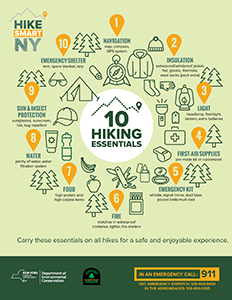
Spring is in full swing. Whether you’re going for a hike, a bike, a paddle, or fishing, Hike Smart NY can help you prepare with a list of 10 essentials, guidance on what to wear, and tips for planning your trip with safety and sustainability in mind. Hypothermia: A Year-Round Risk Hypothermia during warm weather months happens more often than one may think. Hypothermia occurs when your body’s core temperature drops. Signs of hypothermia include:
Hypothermia can happen to anyone not prepared both physically and with the proper gear, including plenty of water and food. It may be a warm day, but when you begin to sweat and the temperature decreases as you gain elevation, your body temperature can drop quickly. This combined with dehydration can make you more susceptible to hypothermia. To avoid hypothermia:
Leave No Trace™
Follow the Seven Principles of Leave No Trace to maintain minimal impact on the environment and the natural resources of the Adirondacks. Use proper trail etiquette to ensure an enjoyable experience for yourself and others and tread lightly! Protect Rare Species The Adirondacks are home to rare and unique plant species that can only be found on our highest peaks. Of the six-million Adirondack acres, only 40 contain this elusive alpine vegetation. Alpine vegetation comes in all shapes, sizes, and colors, from vibrant purple flowers speckling the mountain to small clumps of grass poking out between the rocks. Located on the summits of 19 separate mountains, these species can only be found in the Adirondacks, making them very special and important to protect. The plants found in our alpine areas are amazing, but they’re also extremely fragile. Here are some helpful tips you can use to help conserve Adirondack alpine vegetation:
|


|
The New York State Department of Environmental Conservation respects your right to privacy and welcomes your feedback | Update preferences or unsubscribe | Learn more about DEC Delivers |
|
Connect with DEC:     
|
|
| Basil Seggos, Commissioner | |