Hunting and Trapping Newsletter
The New York State Department of Environmental Conservation sent this bulletin on 06/08/2022 12:00 PM EDT |
| DEC Delivers - Information to keep you connected and informed from the NYS Department of Environmental Conservation |
| Share or view as a web page || Update preferences or unsubscribe |
Hunting and Trapping Newsletter |
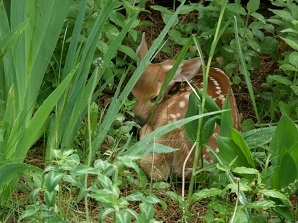
It’s Fawning Season
Most fawns in New York are born in late May or early June, and the first few months are a critical period for survival. Fawn survival is heavily influenced by habitat quality, and those fawns that have good hiding cover and quality forage have the odds in their favor. You can improve habitat for fawns on your lands by promoting native forbs in fields and forests.
Employing these simple practices can help fawns survive into adulthood. After all, healthy fawns have a better chance of becoming healthy adults and improve our opportunity to Let Young Bucks Go and Watch Them Grow! Photo courtesy of A. Jacobson Nesting Season in Full Swing
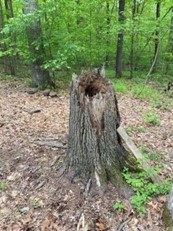
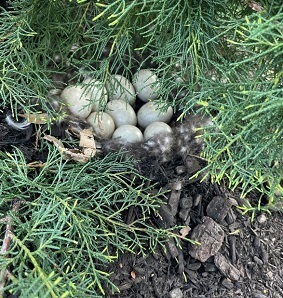
Throughout northeastern North America, ducks are setting up nests and hatching out ducklings. DEC is in year 1 of a 4-year effort to better understand mallard movements and how they affect their breeding success. More than 250 female mallards were fitted with transmitters and DEC and partners are monitoring their nesting attempts and success. Mallards are one of the most adaptable duck species in the world. Although most people associate waterfowl with nesting near water, mallards and most dabbling ducks are actually upland nesting birds. In the central part of the country, they commonly nest in short grass prairie near small potholes. In the east, we don’t have a lot of that type of habitat, therefore they have to be more adaptable. They will commonly nest in everything from flower beds to hay fields, to a hollowed-out tree!
When ducks or other birds end up in front yards or gardens, DEC often gets phone calls from concerned people about what to do with the nest. As protected migratory birds, the best course of action is usually to leave the bird alone until she finishes nesting. Ducks take about 25-29 days for their eggs to hatch, so the hen shouldn’t be there for more than a few weeks. Unlike song birds that stay in the nest for several weeks until the young birds can fly, ducks leave the nest within about 24 hours and will walk their brood to a nearby waterbody. Sometimes a hen will move her brood up to 4 or 5 miles across land! For more information on the eastern mallard research project, or to follow along with migration, please visit Atlantic Flyway Waterfowl Tracking Studies website. Living with Wildlife
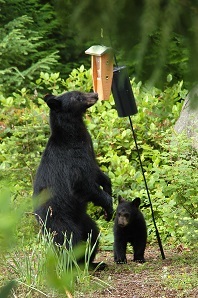
Being able to observe wildlife close to home is a treasured experience for many people, but sometimes wildlife can get too close or even cause property damage. Woodchucks in the garden, squirrels or other critters in the attic, bears rummaging through garbage and tearing down bird feeders, and skunks under the shed are but a few of the problems people may encounter. There are steps you can take to enjoy wildlife from a distance and reduce the chance that conflicts occur:
Successful Beyond BOW, Bowhunting 101 Workshop
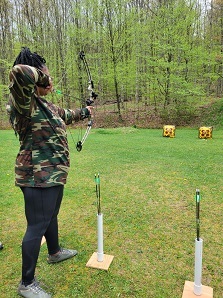
Becoming an Outdoors-Woman (BOW) programs teach women a wide range of outdoor skills and foster community at each of the workshops. We hosted a successful Beyond BOW, Bowhunting 101 workshop May 13-15th at Camp Amahami in the Catskills. Twenty-six women traveled to join us for hands-on classes to learn bow shooting skills, including learning to shoot instinctively, shooting compound bows with sites and releases, shooting crossbows, safely using tree stands and shooting from them, and participating in a 3-D shoot in the woods, in addition to learning tracking and blood trailing. Nineteen of the participants earned their NYS Bowhunter Education Certification during the workshop. All participants were able to try something new and discover many ways to have outdoor fun. For more information on BOW in New York and upcoming workshops, visit DEC's website. |
|
The New York State Department of Environmental Conservation respects your right to privacy and welcomes your feedback | Update preferences or unsubscribe | Learn more about DEC Delivers |
|
Connect with DEC:     
|
|
| Basil Seggos, Commissioner | |