Shellfishing Newsletter
The New York State Department of Environmental Conservation sent this bulletin on 04/26/2022 01:30 PM EDT |
| DEC Delivers - Information to keep you connected and informed from the NYS Department of Environmental Conservation |
| Share or view as a web page || Update preferences or unsubscribe |
Shellfishing Newsletter |
In This Issue:
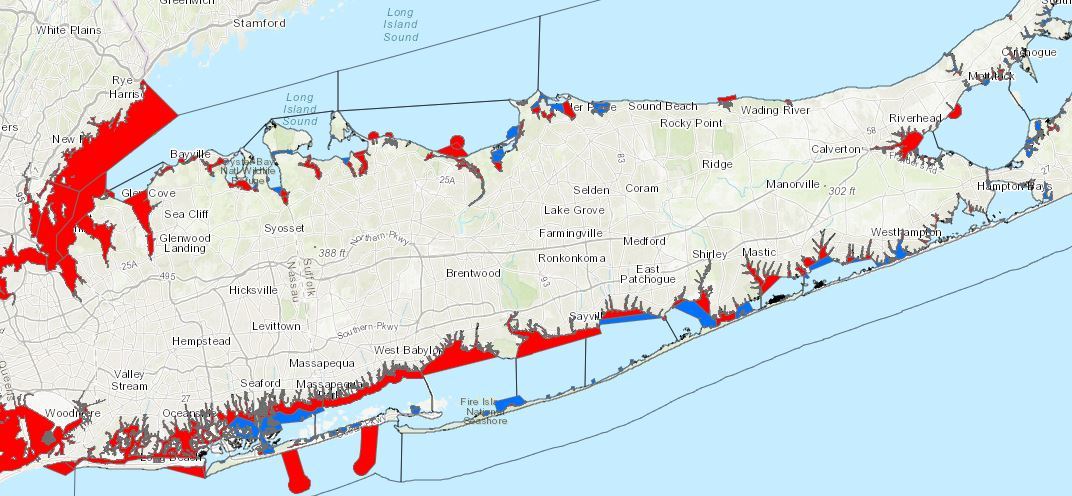
Going Shellfishing? Try Using DEC's Public Shellfish MapperBefore going shellfishing, use the DEC Public Shellfish Mapper to know where shellfish harvesting areas are open. This interactive map shows regulatory closures, temporary closures, conditional harvesting programs, shellfish harvest zones, aquaculture lease sites, and water sampling stations.
While using the interactive map from a mobile device, turn the location services on and the map will show your location in relation to harvest areas and areas closed to harvest. This map is for reference only. Please review our official regulations for the legal descriptions of the closures. Make sure to also check DEC’s Shellfish Harvest Limits, and contact the town you're harvesting from for information about local regulations and permits. Keep Shellfish Cooled and Shaded Starting May 1
DEC's Vibrio Control Plan promotes proper postharvest handling of shellfish, during the warm weather months between May 1 through October 31 to ensure shellfish are kept cool after harvesting to protect the public health of shellfish consumers. To ensure the safety of shellfish for consumers, follow the guidance below:
Visit the Shellfish Safety webpage to learn more about safe shellfish consumption and handling. 2022 Long Island Sound Seaweed Bioextraction SymposiumJoin the 2022 Long Island Sound Seaweed Bioextraction Symposium being held virtually from 1:00 p.m. to 5:00 p.m. on May 18 and 19, 2022. The symposium will include presentations from leaders in the field of seaweed and seaweed bioextraction. During the two sessions, you will explore the current technical, economic, social, and regulatory aspects of bioextraction. There will also be opportunities for discussion among presenters and attendees throughout the event. Find a detailed agenda and register for the event on the Long Island Sound Seaweed Bioextraction Symposium webpage. Learn more about bioextraction on the Long Island Sound Study's Nutrient Bioextraction Initiative webpage. The symposium is being hosted by the Long Island Sound Study, New England Water Pollution Control Commission, and DEC. Commercial Shellfish Harvester Certification TrainingCommercial shellfish diggers are required to hold DEC permits to conduct harvesting activities. DEC has implemented a new online Shellfish Harvester Certification Training which replaces the previous harvester training certification that has expired for all existing permit holders. A Shellfish Digger Permit will not be issued if you fail to complete the training prior to submitting your application. The goal of the training is to ensure all New York State shellfish harvesters are informed of current sanitary control measures in place for shellfish harvested and sold as food. For questions about the training contact DiggerTraining@dec.ny.gov or call (631) 449-9037. |
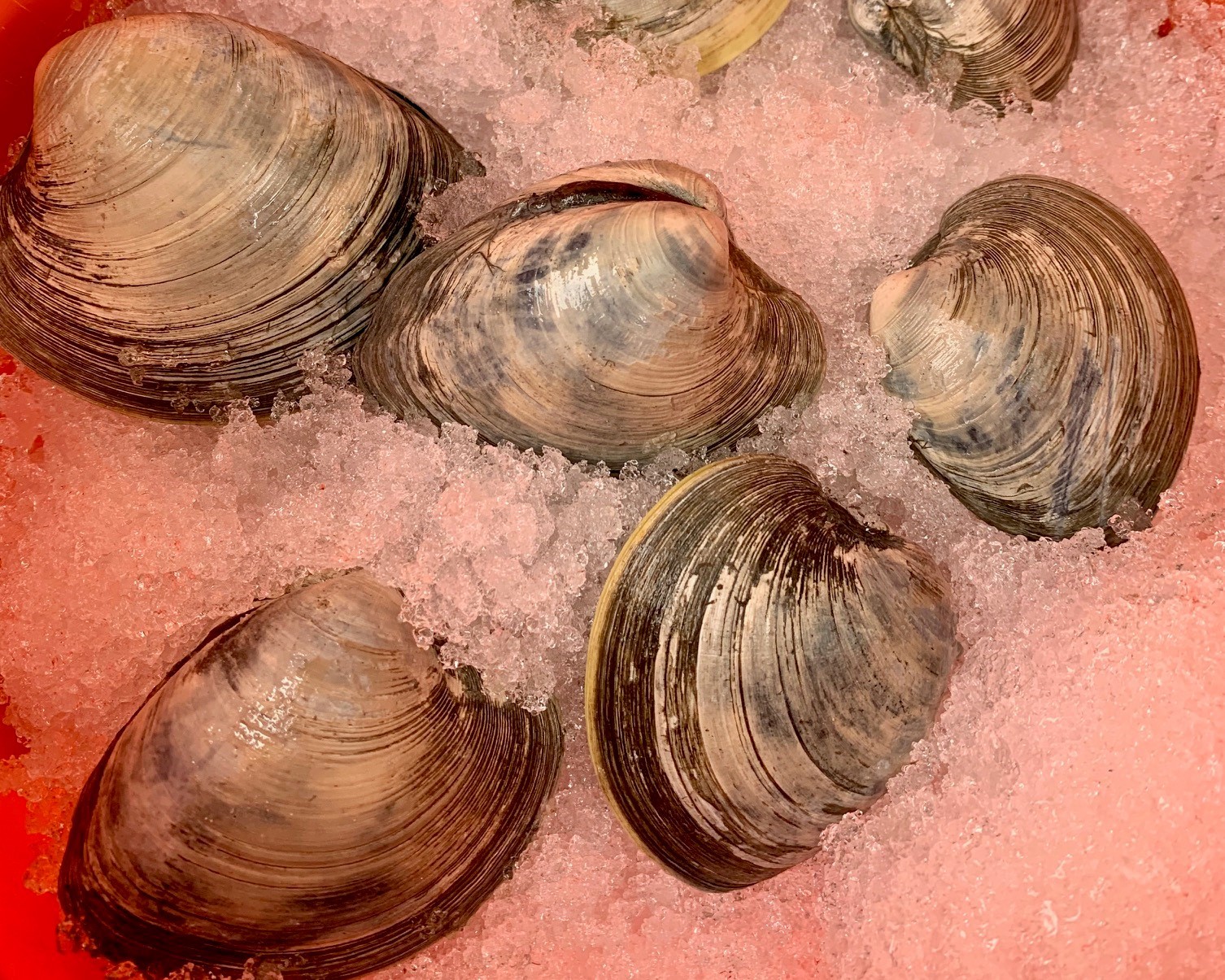 Clams, oysters, and other bivalve shellfish are filter feeders, which means they feed on plankton and microorganisms they strain from the water. As temperatures rise, naturally occurring bacteria found in New York’s marine waters can potentially grow to unsafe levels in shellfish. A common bacteria that is found in our coastal waters is Vibrio parahaemolyticus (Vp), which generally thrives during warm water conditions and can rapidly increase in shellfish during warm air temperatures.
|
The New York State Department of Environmental Conservation respects your right to privacy and welcomes your feedback | Update preferences or unsubscribe | Learn more about DEC Delivers |
|
Connect with DEC:    
|
|
| Basil Seggos, Commissioner | |