
Hunting and Trapping Newsletter
The New York State Department of Environmental Conservation sent this bulletin on 04/27/2022 10:00 AM EDT |
| DEC Delivers - Information to keep you connected and informed from the NYS Department of Environmental Conservation |
| Share or view as a web page || Update preferences or unsubscribe |
Hunting and Trapping Newsletter |
Spring Turkey Season Opens May 1!
Turkey hunting is a safe activity and will continue getting safer each year as long as you remember to point your gun in a safe direction; treat every gun as if it were loaded; be sure of your target and beyond; and keep your finger off the trigger until ready to shoot. Remember, stalking stinks! Sit with your back against a tree or other object wider than your shoulders and call birds to you. DEC also encourages all hunters to wear blaze orange or blaze pink when moving between hunting spots to make themselves more visible to other hunters. A blaze orange or blaze pink vest or other material can be hung in a nearby tree when you are set up and calling birds so other hunters are alerted to your presence. Spring turkey harvest in New York averages about 19,000 birds and varies based on the number of participants and turkey productivity in the previous few springs. This spring, DEC biologists expect hunters to take more turkeys than last year. Hunters prefer to take toms (2 or more years old) over younger male “jakes,” so typically wildlife managers see a two-year lag between summer productivity and spring take. Overall, turkey populations are lower now than a few years ago due to below-average reproductive success in two of the last three years; however, the good news is that improved turkey productivity in 2020 will mean a greater proportion of toms available to hunters this spring compared to last year. Important Details for the Spring Turkey Season:
For more information about turkey hunting in New York, see the 2021-22 Hunting and Trapping Regulations Guide or visit the Turkey Hunting pages of DEC's website. Photo courtesy of K. Moss Citizen Science Opportunity: DEC Seeks Turkey Hunters for Ruffed Grouse Drumming Survey
Photo courtesy of J. Major Tracking Timberdoodles
Photo courtesy of M. Noome Highly Pathogenic Avian Influenza Detected in New York Wild BirdsHighly Pathogenic Avian Influenza (HPAI) virus has been found in multiple wild bird species in several areas of New York State. No known HPAI human infections are documented in the U.S., and according to the U.S. Centers for Disease Control and Prevention, these recent cases of HPAI do not present an immediate public health concern. Avian influenza (AI) is caused by an influenza virus carried by free-flying wild birds such as ducks, geese, gulls, and shorebirds. Generally, influenza viruses can infect some wildlife species without causing signs of disease, but new strains can emerge that cause illness with high mortality in both wild birds and domestic poultry. These strains are designated as highly pathogenic, or HPAI. HPAI outbreaks in wild birds are often cyclical and tied to migration when birds are concentrated in large numbers. As birds spread out on the landscape during the nesting season, disease transmission is expected to decrease. While the risk of a person becoming infected is low, individuals can protect themselves by only harvesting game that appears to be healthy and properly cooking any game meat being eaten to an internal temperature of 165° F, which kills the virus. If handling wild birds, particularly waterfowl, gulls, and raptors, individuals should follow precautions such as using personal protective equipment like masks, gloves, and eye protection, and washing hands thoroughly. To assist DEC's efforts to track HPAI in wildlife and provide an early warning to the State Department of Agriculture and Markets and local poultry or game bird operations, please report any suspicious deaths of species listed above to your local DEC regional office. Read DEC's press release for more information regarding the HPAI outbreak. |
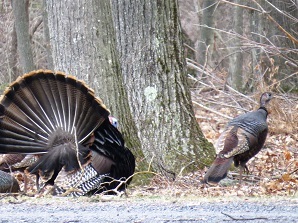 Spring turkey season opens on Sunday, May 1, in all of upstate New York north of the Bronx-Westchester County boundary. Licensed hunters are also required to have a turkey permit.
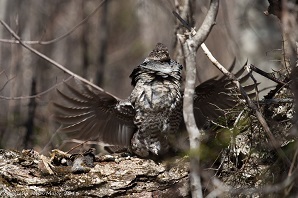 Turkey hunters in pursuit of a weary gobbler can help DEC track the distribution and abundance of ruffed grouse. During the spring breeding season, male grouse are “drumming,” beating their wings in the hope of attracting a mate. Turkey hunters can record the number of ruffed grouse they hear drumming while afield to help monitor this game bird. To
 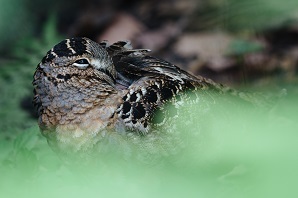 Since 2018 the NYSDEC has been a partner in the
 |
The New York State Department of Environmental Conservation respects your right to privacy and welcomes your feedback | Update preferences or unsubscribe | Learn more about DEC Delivers |
|
Connect with DEC:    
|
|
| Basil Seggos, Commissioner | |