Saltwater Fishing & Boating Newsletter
The New York State Department of Environmental Conservation sent this bulletin on 04/08/2022 10:30 AM EDT |
| DEC Delivers - Information to keep you connected and informed from the NYS Department of Environmental Conservation |
| Share or view as a web page || Update preferences or unsubscribe |
Saltwater Fishing & Boating Newsletter |
In This Issue:
Join the Striped Bass Cooperative Angler ProgramStriped bass is New York's official saltwater fish and is highly sought-after by recreational anglers in New York's marine waters and the Hudson River. DEC is seeking participants to join the Striped Bass Cooperative Angler (SBCA) Program to help biologists understand and maintain a healthy striped bass population. Striped Bass Fishing in The Hudson River The recreational striped bass fishing season in the Hudson River north of the George Washington Bridge is open April 1 through Nov. 30 and the recreational slot limit is 18 to 28 inches (not less than 18 inches nor greater than 28 inches). Anglers who fish for striped bass in the tidal Hudson River should email hudsonangler@dec.ny.gov or visit DEC's website to learn more about the Hudson River Cooperative Anglers Program. Striped Bass Fishing in New York's Marine District 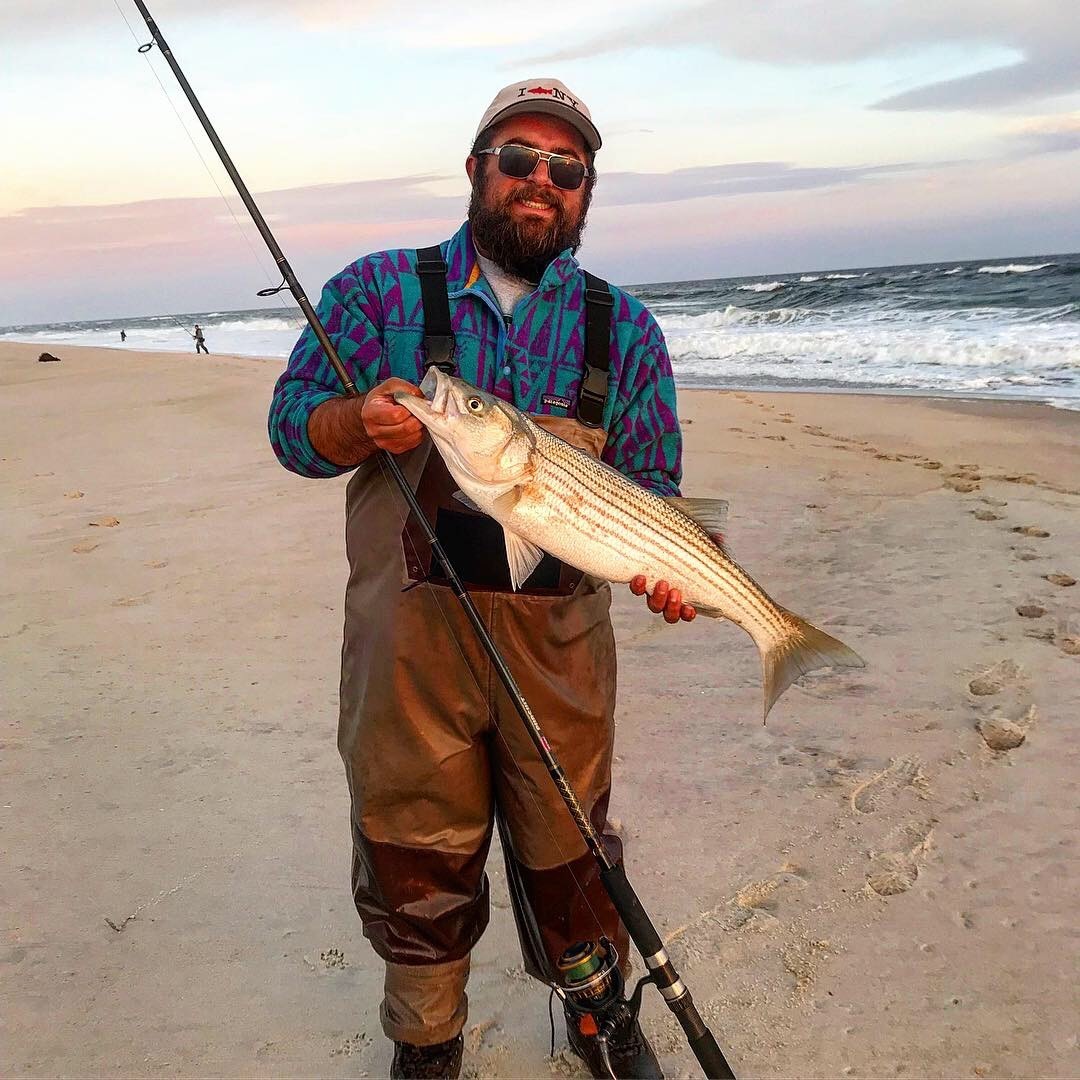
In marine waters (south of the George Washington Bridge), the recreational slot limit is 28 - 35 inches (not less than 28 inches nor greater than 35 inches) and the season is open April 15 through Dec. 15. Anglers who fish for striped bass in New York's marine waters should contact the Diadromous Fish Unit at sbcaprogram@dec.ny.gov or visit DEC's Striped Bass Cooperative Anglers. DEC requires anglers to use circle hooks when fishing for striped bass with bait. When using a circle hook and a fish bites, do not pull up on the rod immediately. Instead, point the rod tip at the fish and reel quickly. When the line comes tight, keep reeling for 5-10 seconds before raising the rod tip. When the rod is bent, turn the reel handle slow and steady to bring in the fish. Visit DEC's website for more tips on Best Practices for Saltwater Fishing. Before fishing, DEC encourages anglers to check the Recreational Saltwater Fishing Regulations for the most up-to-date information before going fishing. In New York's Marine and Coastal District, or when fishing in the Hudson River and its tributaries for "migratory fish of the sea," including striped bass, be sure to enroll in the annual no-fee Recreational Marine Fishing Registry. To enroll, go to DEC's website. Atlantic Striped Bass Draft Amendment 7 Public Comment PeriodDEC is seeking public input on the development of Draft Amendment 7 to the Interstate Fishery Management Plan (FMP) for Atlantic Striped Bass (PDF) through the Atlantic States Marine Fisheries Commission (ASMFC). The Draft Amendment proposes new options to the FMP to help rebuild the stock and significantly update the management program. DEC encourages New Yorkers to review proposed changes and provide comments to ASMFC until 11:59 p.m. (EDT) on April 15. Comments should be sent to Emilie Franke, FMP Coordinator, 1050 N. Highland Street, Suite 200 A-N, Arlington, Virginia 22201; by fax to 703.842.0741; or email comments to comments@asmfc.org (Subject line: Draft Amendment 7). A recording of the hearing presentation is available on ASMFC’s YouTube page. For more information, visit ASMFC’s website. Funding Available to Improve Water Quality and Bolster ResiliencyDEC announced that $1 million in grant funding is available to help communities in eastern New York watersheds improve water quality, increase flood resiliency, and conserve natural resources. The Tributary Restoration and Resiliency grants, supported by the State's Environmental Protection Fund, will fund projects in the Hudson River Estuary, Jamaica Bay, Long Island Sound, Peconic Estuary, and South Shore Estuary Reserve watersheds.
General information about these grants is available on DEC's website at the Grants Program and Funding Opportunities for the Hudson River Estuary and New York Ocean Action Plan webpages. Completed grant applications must be submitted by May 4, 2022 at 3 p.m. through the New York State Grants Gateway, an online grants management system that streamlines the way grants are administered by the State of New York. Questions about the grants application process may be directed to Susan Pepe, Estuary Grants Manager, NYSDEC, 625 Broadway, Albany, NY 12233-3506; HREPgrants@dec.ny.gov. Upcoming Fishery MeetingsASMFC & MAFMC Draft Addendum to Summer Flounder, Scup, and Black Sea Bass FMP and Bluefish FMP Harvest Control Rule for Recreational Management
ASMFC is hosting numerous webinars to review Draft Addenda and accept public comments. Written comments will be accepted until April 22, 2022 at 11:59 p.m. (EDT) and should be sent to Dustin Colson Leaning, FMP Coordinator, at 1050 N. Highland St., Suite 200 A-N, Arlington, Virginia 22201; 703.842.0740 (fax) or at comments@asmfc.org (Subject line: Harvest Control Rule). For more information, visit ASMFC's website. Training Session for Electronic Vessel Trip Reporting (eVTR) Cornell Cooperative Extention of Suffolk County Marine is offering training on two electronic reporting methods (NOAA's Fish Online and eTRIPS/mobile). Learn how to submit VTRs using these applications on your smartphone or tablet. This class covers mandatory federal reporting requirements and optional NY state reporting methods.
For more information please contact: Kristin Gerbino, 631-786-2760 or kk334@cornell.edu Marine Resources Advisory Council Meeting
A link to listen to the meeting is available on DEC's website. A complete agenda for the meeting can be found on Marine Resources Advisory Council's website. |
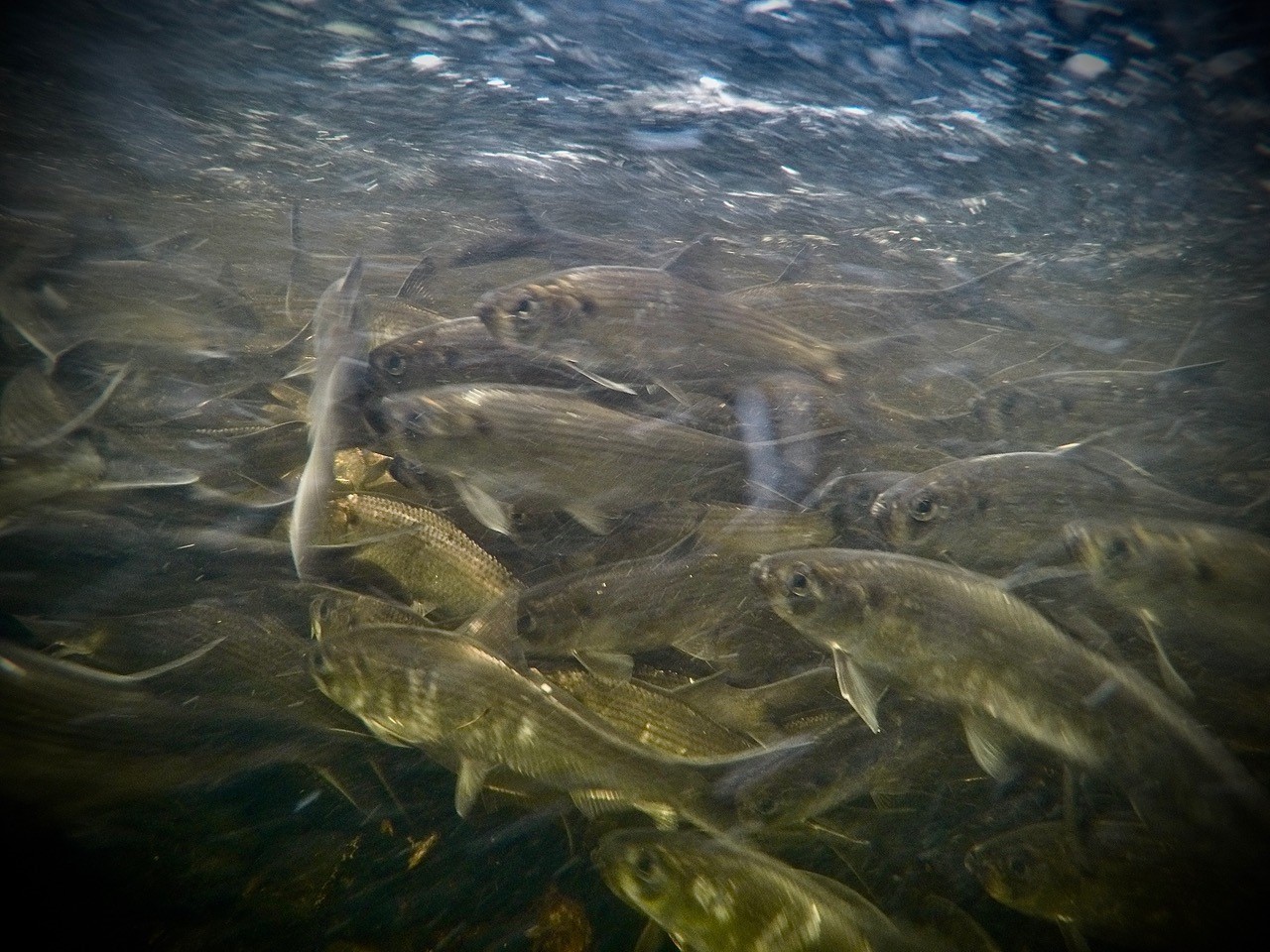 The grants support local efforts to restore aquatic habitat connectivity for American eel and river herring by removing dams and installing fish passages in tributary streams of New York estuaries and helping communities with existing and projected impacts of flooding along tributaries of the Hudson River and marine estuaries. DEC's 2022 Request for Applications for Tributary Restoration and Resiliency is available online through the
 |
The New York State Department of Environmental Conservation respects your right to privacy and welcomes your feedback | Update preferences or unsubscribe | Learn more about DEC Delivers |
|
Connect with DEC:    
|
|
| Basil Seggos, Commissioner | |