
DEC Adirondack Outdoor Recreation Bulletin - March 31, 2022
The New York State Department of Environmental Conservation sent this bulletin on 03/31/2022 04:42 PM EDT |
| DEC Delivers - Information to keep you connected and informed from the NYS Department of Environmental Conservation |
| Share or view as a web page || Update preferences or unsubscribe |
DEC Adirondack Outdoor Recreation BulletinMarch 31, 2022 |
|
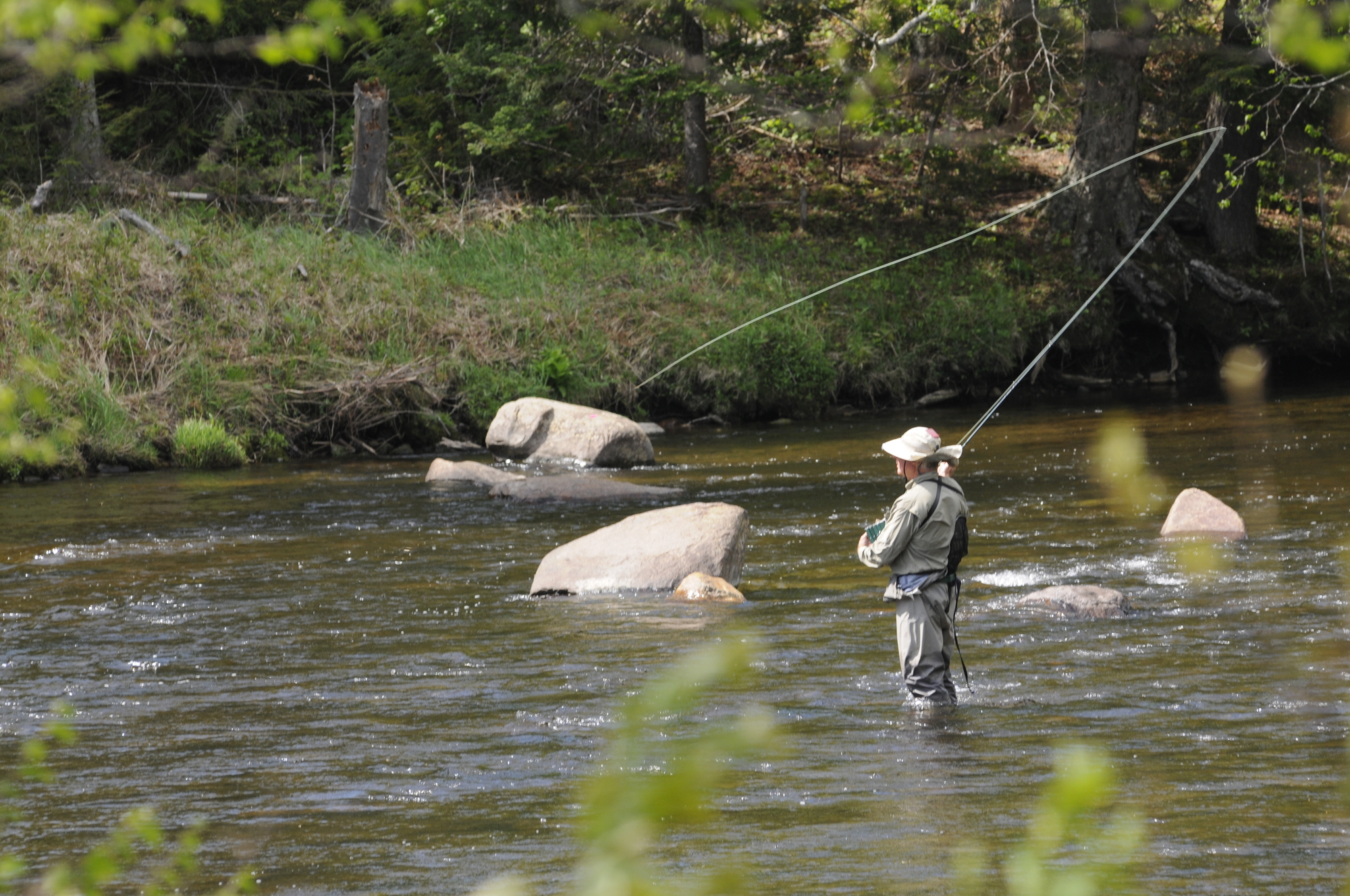
This bulletin provides only the most recent notices. Check the Adirondack Backcountry Information webpages for more detailed information on access, outdoor recreation infrastructure, and conditions. Emergency Situations: If you get lost or injured; keep calm and stay put. If you have cell service, call 911 or the DEC Forest Ranger Emergency Dispatch, 833-NYS-RANGERS. Welcome to the Adirondacks. The Welcome to the Adirondacks webpage is the place to go if you are interested in learning more about the Adirondacks. It provides information about the Forest Preserve, conservation easement lands, outdoor recreation, and Leave No Trace. Love Our NY Lands: All New Yorkers and visitors should be able to access, enjoy, and feel welcome on state lands. These lands belong to all of us, our families, and our neighbors. While enjoying these shared spaces, be respectful of other visitors. Share trails, treat people with kindness, and leave things as you found them for others to enjoy. All of us have a responsibility to protect State lands for future generations. Learn more about how you can Love Our NY Lands. Recreation Highlight: DEC Advises of Avalanche Risk in AdirondacksTrout Fishing For decades, April 1 was the traditional “opening day” of trout fishing season. This year, the date marks the opening of the harvest season for trout because year-round fishing was made available on most streams with the implementation of an Oct. 16 – March 31 artificial lures-only catch-and-release season. Trout Stocking DEC stocking trucks have already begun hitting the roadways and trout stocking is in full swing with 1,872,105 catchable brown, rainbow, and brook trout stocked in ponds and streams across the State this spring. Stocked-Extended streams (listed in the Trout Streams section of the regulations guide) will receive fish every other week for two months to enhance season-long opportunities for angler success. Most streams will also receive a seeding of larger stocked trout. The Spring trout stocking lists includes the week of stocking for trout streams. Additionally, DEC recognizes some fisheries rely on stocked fish to reach a certain size before they can be harvested. Find locations where these put-grow-and-take stockings of brook trout, lake trout and Atlantic salmon take place. New Fishing Regulations DEC recently announced the adoption of new freshwater fishing regulations that will take effect on April 1. Of particular interest to trout anglers is a new statewide regulation for rainbow trout, brown trout, and splake. The regulation creates consistency with inland trout regulations and expands opportunities for year-round fishing. View the complete compilation of changes and an assessment of public comment associated with the rulemaking. Trout Stream Fishing Opportunities Last year, DEC launched an interactive Trout Stream Fishing Map to provide anglers with one-stop-shopping for information about stocking, fishing access, season dates, and regulations on DECinfo Locator. Anglers can view trout stream reaches color-coded by management category and fishing access associated with those reaches. These layers will allow trout stream anglers to plan their trips and find their preferred trout stream fishing experiences. View the Trout Stream Fishing Map and User Guide. Check out this valuable resource when planning your next fishing trip. 2022 Freshwater Fishing Regulations Guide The new guide with recently adopted regulation changes is posted on DEC's website. Hard copies of the guide are currently being produced, and guides are anticipated to be available at license issuing agents by the second week of April. You can also request hard copies by emailing FWFish@dec.ny.gov. Measuring 5 ½ x 8 ½ inches, the new guide allows anglers to keep a copy in their glovebox or tacklebox. Recent NoticesThe following are the most recent notices pertaining to public lands in the Adirondacks. Please check the Adirondack Backcountry Information webpages for comprehensive and up-to-date information on seasonal road statuses, rock climbing closures, specific trail conditions, and other pertinent information. New: High Peaks Wilderness:
Last Week: Saranac Lakes Wild Forest: All snowmobile trails are closed. Debar Mountain Wild Forest: All snowmobile trails are closed. Wilmington Wild Forest: The Wilmington Snowmobile Trail is now closed. Sargent Ponds Wild Forest: All snowmobile trails are closed. Lake George Wild Forest:
Adirondack Rail Trail: The trail is now closed to snowmobile use for the season. Region 6 is closing all mud gates to snowmobile trails and seasonal access roads on Forest Preserve, State Forest, and Conservation Easement lands due to spring thaw and muddy conditions. Kushaqua and Sable Highlands Easements: Mud locks will be in place by April 1st to protect the integrity of the roads until further notice. Watson's East Triangle Wild Forest (Croghan & Oswegatchie Conservation Easement Tracts): All mud gates in Watson’s East Triangle Wild Forest as well as those on the Croghan Tract and Oswegatchie Conservation Easement will be shut starting the week of 3/21/2022. Roads will be reopened when they are dry and firm enough to support motor vehicle traffic. Independence River Wild Forest (Stillwater Reservoir, Big Moose & Three Lakes Conservation Easement Tracts): DEC staff will begin shutting mud gates in the Independence River Wild Forest the week of 3/28/2022. Roads will be reopened when they are dry and firm enough to support motor vehicle traffic. All snowmobile gates on Macomb State Forest, Taylor Pond Campground, and Taylor Pond Wild Forest have been closed for the season. Ferris Lake Wild Forest: Powley Road is closed for mud season until further notice. Moose River Plains Wild Forest:
Silver Lake Wilderness: West River Rd. that provides access to Whitehouse/Northville Placid Trail is closed for mud season until further notice. All snowmobile trails in the town of Newcomb are closed (C8A & C7B) Essex Chain Lakes: All mud gates are closed. Vanderwhacker Mountain Wild Forest: The Campsite Road gate is closed for mud season. General Notices
Visit the main Adirondack Backcountry Information page for more trip-planning resources, including travel information, weather resources, and seasonally-specific information about Adirondack recreation. Hike Smart NY can help you prepare with a list of 10 essentials, guidance on what to wear, and tips for planning your trip with safety and sustainability in mind Check the Weather: Check the forecast for your destination and pack and plan accordingly. Check the National Weather Service Northern Adirondacks and Southern Adirondacks Mountain Point Forecasts for select summit forecasts. Check both daytime and nighttime temperatures and remember that temperatures will drop as you gain elevation. Check wind chill temperatures and prepare for colder, windier summits. Spring Conditions: Be prepared for a mix of winter and spring conditions. Snow and ice are still present throughout the region, but warmer temps have brought high waters and muddy trails in low elevations. Be prepared with warm, waterproof layers, extra layers, and proper gear for snow and ice, including snowshoes, microspikes and crampons. In the High Peaks Wilderness, snowshoes or skis are still required to be worn where snow depths exceed 8 inches. Remember that conditions will change as you gain elevation, and cold, wet weather poses a significant risk of hypothermia. Avalanche Advisory: Backcountry downhill skiers, snowboarders, and all outdoor adventurers who may traverse slides or steep, open terrain should be aware of and prepared for avalanche conditions. If you are planning a trip to avalanche-prone territory, research the route ahead of time and contact a local DEC Forest Ranger for specific safety and conditions information, or contact a local guide. Before going into the backcountry, be equipped with avalanche safety tools and knowledge, such as participation in an avalanche safety course. Additional information on avalanche danger, preparedness, and safety precautions is available on DEC's website.
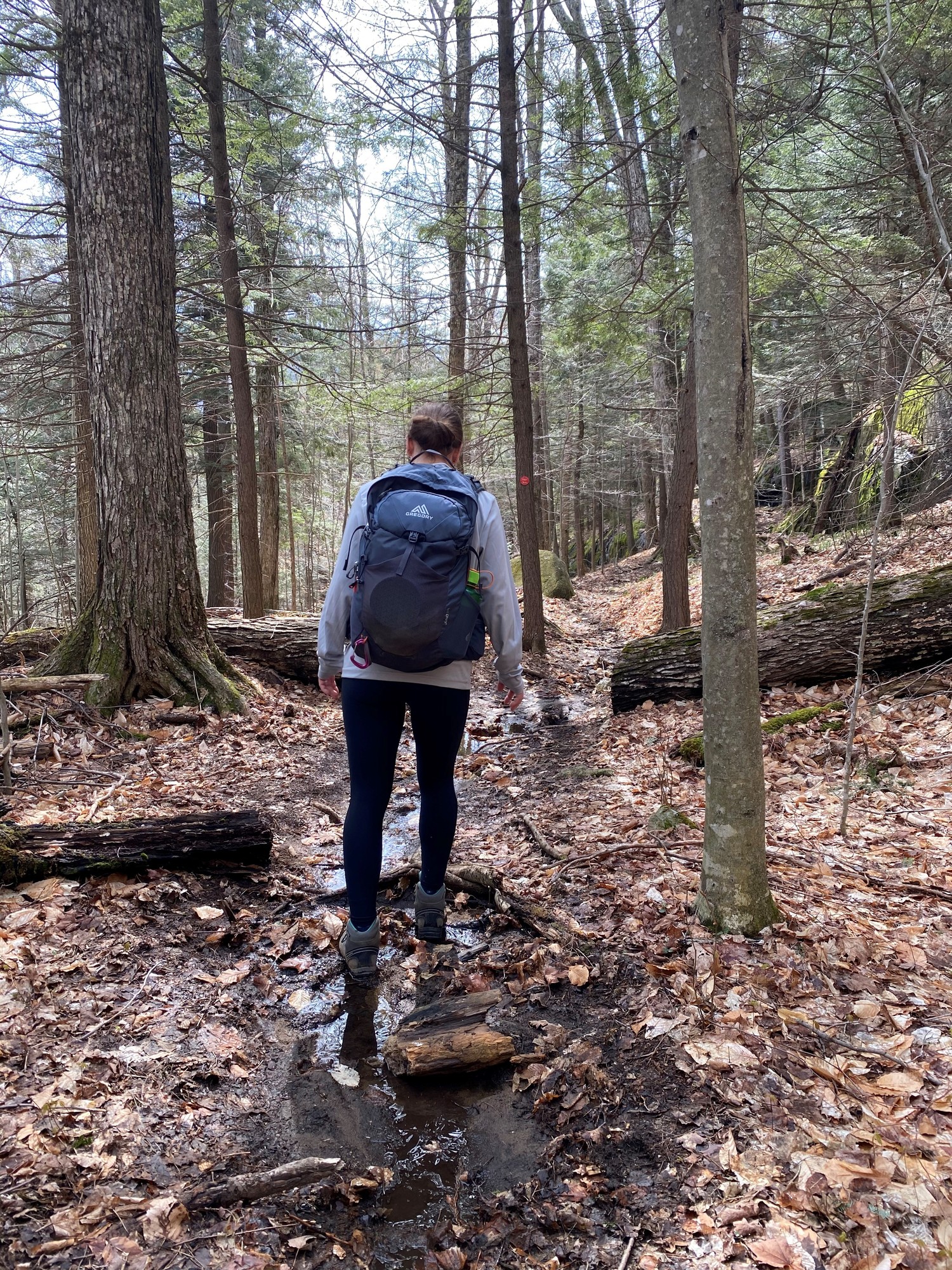
Muddy Trails & Monorails: As snow begins to melt on lower elevation trails, be prepared for mud and monorails. Monorails are thin strips of hardpacked snow and ice in the center of trails, surrounded by minimal or no snow on the sides. Monorails can create difficult walking conditions. Microspikes and trekking poles can assist with traction and balance. Where trails are muddy, walk directly through mud instead of around it to help minimize trail widening and trailside damage. Seasonal Roads: Most seasonal access roads are closed for spring mud season. Where seasonal access roads are open to public motor vehicles, the use of four-wheel drive vehicles is strongly recommended. Pack & Prepare: Spring hiking can be lots of fun, but it can also be dangerous if you're not prepared. Preparation for a spring hike can look a lot like preparing for a winter hike. Take a moment to watch DEC’s How To Pack and Prepare for a Winter Hike video for a review of what gear to pack and the steps to take as you plan your hike. Layer Up: Temperatures can change significantly depending on your location, the time of day and your elevation. Stay safe and warm by wearing non-cotton, moisture-wicking base layers, insulating layers, and waterproof, windproof outer layers. Wear a hat, mittens or gloves, and a buff. Gaiters can help keep your lower legs warm and prevent snow from getting in your boots. Bring additional layers. Wear sturdy waterproof boots that are already broken in. Learn more about layering for cold weather by watching DEC’s How To video. Leave No Trace
Follow the Seven Principles of Leave No Trace to maintain minimal impact on the environment and the natural resources of the Adirondacks. Use proper trail etiquette to ensure an enjoyable experience for yourself and others and tread lightly! Recreation tips to minimize impacts on trails this spring: Muddy trails – Soil at high elevations and on steep sloping trails is thin and extremely susceptible to erosion. When boots slip and slide on wet trails it pushes soils off the trail, eroding that area significantly and compromising the stability of the trail. Trailside vegetation can be easily damaged or destroyed when boots erode the ground around or under them. Same goes with bike tires on mountain bike trails. Alpine vegetation is very fragile vegetation that is only found on the summits of high elevation mountains. It is easily damaged or destroyed when walked on. Avoid sloping or high elevation trails during this sensitive time. Find low elevation trails or durable multi-use recreation trails to explore this spring. Monorails - As snow next to trails melts, compacted ice in the center creates "monorails." Use crampons and other traction devices for walking directly on the monorail to avoid post-holing in trailside snow or trampling vegetation. As the snowpack continues to melt it becomes soft and rotten. Carry and wear snowshoes to avoid sinking to your knees, thighs, or even hips on or off trails. Wildlife – Spring brings wildlife back to life in nature. Bears come out of hibernation and are looking for food. Other animals are sourcing much needed fresh vegetation. This can sometimes mean wildlife end up closer to trails. This can be a stressful time for animals after long frigid winters.
Environmental Educators needed!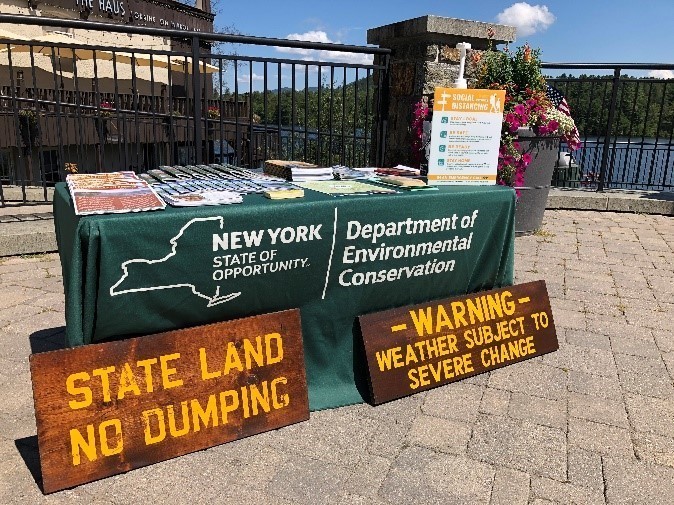
Join our Region 5 Outreach team in educating on safe and sustainable recreation in the High Peaks. Your role as an educator is vital in protecting the Adirondack’s natural resources while enhancing the safety, experience, and wellbeing of our communities and visitors.
Region 5 Seasonal Job Fair
Looking for a fulfilling seasonal position in the Adirondacks this summer? Region 5 is hiring many seasonal positions across all departments!
|

|
The New York State Department of Environmental Conservation respects your right to privacy and welcomes your feedback | Update preferences or unsubscribe | Learn more about DEC Delivers |
|
Connect with DEC:    
|
|
| Basil Seggos, Commissioner | |