News and Events for Allegany, Chautauqua, Cattaraugus, Erie, Niagara and Wyoming Counties (Region 9)
The New York State Department of Environmental Conservation sent this bulletin on 03/31/2022 05:00 PM EDT |
| DEC Delivers - Information to keep you connected and informed from the NYS Department of Environmental Conservation |
| Share or view as a web page || Update preferences or unsubscribe |
News and Events for Allegany, Chautauqua, Cattaraugus, Erie, Niagara and Wyoming Counties (Region 9) |
In This Issue:
In-Person Hunter Education Courses Available NowDEC works closely with thousands of dedicated DEC-certified instructors statewide to provide Hunter Education courses free of charge. DEC's online registration system makes it easy to view a list of all available courses within the student's proximity to course locations. Students can register from any device - smartphone, tablet, or computer - 24 hours a day, seven days a week. To locate a nearby hunter education course, visit DEC's website. Classes fill quickly, so do not delay in registering for a course. Some local courses are available this March and April at the Springville Field & Stream, Bison City Rod & Gun Club, Limestone Sportsmen Club, and many more. First Public Meeting Held for Cattaraugus Creek Watershed Integrated Watershed Action PlanDEC’s Great Lakes Program held a virtual public meeting in March for the Cattaraugus Creek Watershed Integrated Watershed Action Plan (IWAP). The IWAP is a new and exciting pilot opportunity that will create goals, indicators, strategies, and actions at the watershed-scale to maintain ecosystem health and resilience for families and communities into the future. Check out the website, including the presentation (PDF) from the meeting, which includes the background and draft goals, as well as expected outcomes for the IWAP. The draft Cattaraugus Creek Watershed goal themes include:
You can share your feedback, ideas, and experiences related to the draft goals found in the public meeting presentation slides, by emailing the project team at CattCreek@ramboll.com. Greater Niagara Segment of NYS Birding Trail Now Open
From the awe-inspiring Niagara River Corridor, which is part of a designated globally important migratory bird area designated by the National Audubon Society, to Reinstein Woods Nature Preserve’s 292-acres of forests, ponds, and wetlands, the Greater Niagara region offers multiple opportunities to observe migratory birds. In the summer and fall, take the Discover Niagara shuttle to Fort Niagara State Park, Stella Niagara Preserve, Art Park, and multiple locations along the Niagara River Corridor. Visit Tifft Nature Preserve and Buffalo Outer Harbor State Park on the southern tip of the Niagara River to take in views of Lake Erie and observe over 200 bird species. Knox Farm State Park is a premier destination for grassland birds and hosts a display of bluebird boxes. Learn more and start planning your adventure. Stay tuned for future announcements on the birding trail. Summer Camp Registration to Open April 10
In addition, due to current staffing challenges, this summer's camp program offerings have changed. Camp Rushford and Pack Forest will open for a seven-week season. DEC may open registrations for Camp DeBruce if additional staff become available this spring. Camp Colby will remain closed until 2023 to complete major renovations to the camp. You can find updates and changes on DEC's Summer Camps webpage, on DEC's Facebook page, and the Summer Camps Facebook page. Campers and camp families can send an email to: EducationCamps@dec.ny.gov with any questions. DEC's Summer Residential Camps are now hiring counselors, lifeguards, and cooks for the 2022 season. These are great opportunities to be involved in the education and enrichment of New York's youth at locations designed to create a life-long passion for nature and a dedication to environmental stewardship. Employment at camp begins in mid-June and ends mid-August, and all positions include room and board. Visit DEC's website to learn more about the qualifications and opportunities as a DEC camps staff member. Annual Residential Brush Burning Prohibition Now Through May 14The annual statewide ban prohibiting residential brush burning began March 16 and runs through May 14. Since 2009, DEC has enforced the annual brush burning ban to prevent wildfires and protect communities during heightened conditions for wildfires each spring. Even though some areas of the state remain blanketed in snow, warming temperatures can quickly cause wildfire conditions to arise. Open burning of debris is the single-largest cause of spring wildfires in New York State. When temperatures warm and the past fall's debris and leaves dry out, wildfires can start and spread easily, further fueled by winds and a lack of green vegetation. Each year, DEC Forest Rangers extinguish dozens of wildfires that burn hundreds of acres. In addition, local fire departments, many of which are staffed by volunteers, all too often have to leave their jobs and families to respond to wildfires caused by illegal debris fires. DEC will post the Fire Danger Map for the 2022 fire season on DEC's website once there is a moderate risk anywhere in New York. New York first enacted strict restrictions on open burning in 2009 to help prevent wildfires and reduce air pollution. The regulations allow residential brush fires in towns with fewer than 20,000 residents during most of the year, but prohibit such burning in spring when most wildfires occur. Backyard fire pits and campfires less than three feet in height and four feet in length, width, or diameter are allowed. Small cooking fires are allowed. Only charcoal or dry, clean, untreated, or unpainted wood can be burned. People should never leave these fires unattended and must extinguish them. Burning garbage or leaves is prohibited year-round. For more information about fire safety and prevention, go to DEC's FIREWISE New York webpage. Forest Rangers, DEC Environmental Conservation Police Officers (ECOs), and local authorities enforce the burn ban. Violators of the State's open burning regulation are subject to criminal and civil enforcement actions, with a minimum fine of $500 for a first offense. To report environmental law violations, call 1-844-DEC-ECOs (1-844-332-3267) or report online on DEC's website. For search and rescue, reporting a wildfire or illegal activity on state lands and easements, call 1-833-NYS-RANGERS (1-833-697-7264).
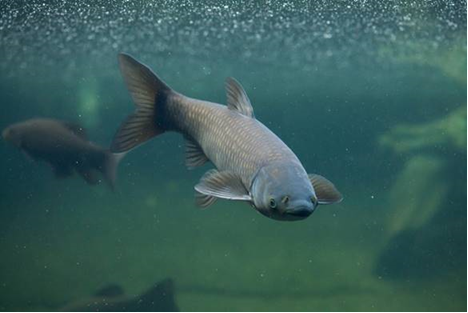
Lake Ontario Webinar Series - “Invasive Species: Lake Ontario’s Most Un-Wanted” |
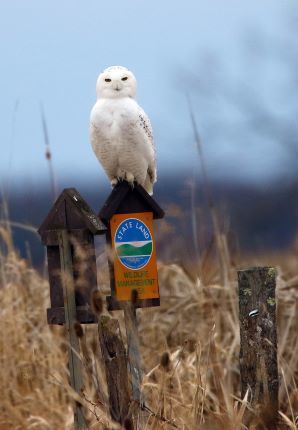 The Greater Niagara segment of the
 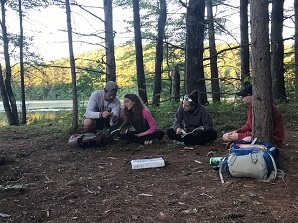 Camp counselor with campers sitting on the ground in the woodsThe start of registration for the 2022 DEC Summer Camp season is being postponed from Sunday, March 6, as previously announced, to Sunday, April 10, 2022 at 1 p.m.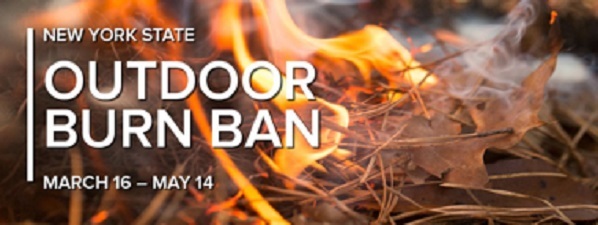
 On March 8 through 10,
|
The New York State Department of Environmental Conservation respects your right to privacy and welcomes your feedback | Update preferences or unsubscribe | Learn more about DEC Delivers |
|
Connect with DEC:    
|
|
| Basil Seggos, Commissioner | |