- Public & Stakeholder Participation Information
- From Algae to Eagles: The Effects of Acid Rain on the Food Web
- Spring Burn Ban Begins
- Dates to Remember
- AQI Alerts for Respiratory Health
- Connect with Us at Air Mail!
Public & Stakeholder Participation Information:
Air Mail! is the publication to announce public and stakeholder information about air quality topics. All NYS residents are environmental stakeholders – we welcome anyone to join the information sessions and other opportunities posted here.
From Algae to Eagles: The Effects of Acid Rain on the Food Web
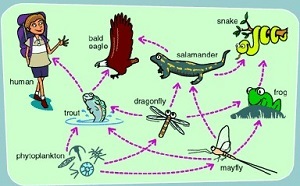 From the tiniest water flea up to the biggest black bear, each plant and animal in the food web plays a vital role within their ecosystem. When even one species is taken away, the entire food web and ecosystem can become unbalanced. In most aquatic environments, phytoplankton form the foundation of the food web. Many small fish, insects, and mollusks eat them to survive. Air pollution can enter bodies of water in the form of acid rain and kill off the phytoplankton. With much less food to eat, the fish, insect, and mollusk populations decrease and the entire food web is weakened. From the tiniest water flea up to the biggest black bear, each plant and animal in the food web plays a vital role within their ecosystem. When even one species is taken away, the entire food web and ecosystem can become unbalanced. In most aquatic environments, phytoplankton form the foundation of the food web. Many small fish, insects, and mollusks eat them to survive. Air pollution can enter bodies of water in the form of acid rain and kill off the phytoplankton. With much less food to eat, the fish, insect, and mollusk populations decrease and the entire food web is weakened.
Fortunately, because of NYS’ rigorous standards to reduce acid rain, the air, soil, lakes and rivers are much cleaner than they were in the past. As a result, fish populations in the Adirondacks that disappeared for decades due to acid rain have now recovered. There are also many things that people can do to prevent acid rain and clean our waterways even more. By conserving energy at home, like remembering to turn off lights and appliances when not needed, carpooling, and using renewable energy sources, you can help protect NYS' air, water, and wildlife from acid rain.
Graphic Caption: Eliminating any species from an ecosystem food web can affect the whole system. If the phytoplankton were removed, the populations of all the other species might decrease, even the top predators like bears, snakes, and bald eagles.
Graphic Credit: United States Environmental Protection Agency (Students Website)
Spring Burn Ban Begins
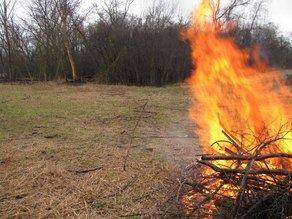 While the snow melts and people begin their spring yard clean-up routine, it is important to note that NYS’ annual spring burn ban has begun. From March 16 through May 14, the spring burn ban temporarily prohibits residential brush burning. Restricting burning during the spring helps to prevent wildfires and keep our air clean. The combination of warm spring temperatures, low relative humidity, and lack of snow cover creates dry fuel conditions and increases the risk of fires spreading and burning out of control. While the snow melts and people begin their spring yard clean-up routine, it is important to note that NYS’ annual spring burn ban has begun. From March 16 through May 14, the spring burn ban temporarily prohibits residential brush burning. Restricting burning during the spring helps to prevent wildfires and keep our air clean. The combination of warm spring temperatures, low relative humidity, and lack of snow cover creates dry fuel conditions and increases the risk of fires spreading and burning out of control.
The spring burn ban does not prohibit fires for cooking or camping if fueled by charcoal or untreated wood. You should always abide by State and local laws when building a fire and never leave it unattended. After enjoying a fire, be sure to extinguish it fully. Creating a safe camp fire takes a few extra steps, but it is worth it to prevent wildfires and safeguard your neighborhood's air. Remember that burning trash and leaves is illegal in NYS at any time of the year.
Since human activity is the cause of most wildfires, we should all help prevent them. From the start of NYS’ annual spring burn ban in 2009, wildfires have decreased by more than 40 percent because of everyday New Yorkers doing their part. By reducing the number of dangerous fires, we protect our homes, communities, and natural resources while also lowering the amount of harmful pollution released into the air.
Photo Caption: The spring burn ban runs from March 16 through May 14 each year and temporarily prohibits residential brush and yard debris burning.
Helpful Links:
-
DECinfo Locator – An interactive map that lets you access DEC documents and public data about the environmental quality of specific sites in NYS as well as outdoor recreation information.
-
DEC Delivers – Stay in-the-know by subscribing to the environmental topics that interest you. We will send you information, updates, and e-newsletters on the topics of your choosing. As an Air Mail! subscriber, you may be interested in subscribing to the Air Quality Alert topic so you know when air quality levels are a concern in your area.
-
AQI Forecasts – Check the daily ozone and particulate matter pollution forecast for your area of NYS.
-
NYSDEC YouTube – Keep up with what's going on with DEC staff by subscribing to our YouTube channel. Watch video clips of DEC public protection in action, learn about the Hudson River, or watch the latest episode of "On the Front Lines," DEC's video series.
-
Conservationist – NYS’ premiere outdoor magazine--bringing nature to your door! Published six times a year, Conservationist is a NYS-focused magazine that is packed with informative and entertaining articles, first-rate photography, and stunning artwork. Articles cover a broad range of environmental and natural history related topics. Subscribe today to get a piece of the outdoors in your mailbox.
Dates to Remember:
-
Now through May 14: Annual Spring Burn Ban – Temporarily outlaws burning of residential brush and yard debris. Burning trash is illegal year-round in NYS.
-
Now through May 15: DEC's annual Saratoga Tree Nursery native tree and shrub seedling sale – Dozens of native tree and shrub species will be available for purchase at a low cost.
-
Second Tuesday of the Month: Sustainability Lunchtime Learning Webinars – A monthly series covering numerous topics of interest, such as Sustainable Flooring, Sustainability for Kids, and Creating a Backyard Vegetable Garden. Pre-registration is required.
-
April 1: April Fool’s Day – Air pollution is no joke. Please do your part to keep our air clean. Remember to contact your local, state, and federal representatives so they know our air quality and environmental health is important to you and your family.
-
April 10: DEC Summer Camp registration opens – Mark your calendars and get the kids ready for some summer fun at one of four DEC Camps.
-
April 21: John Muir’s Birthday – Known as “The Father of our National Parks,” he inspired people to respect natural resources and explore America’s wilderness.
-
April 22: Earth Day – Remember that Earth Day is every day. Include activities that reduce air pollution, such as using less energy at home, walking, or biking instead of using a car, and ditching gas-powered lawnmowers. See our website for more tips.
-
April 26: National Arbor Day – Trees clean the air by absorbing odors and pollutants and trapping them in their leaves and bark. They also make the all-important oxygen that we all breathe.
-
April 25 to May 1: Water Week – Clean water is essential to everyone; just as clean air is. Learn about ways to keep water clean by preventing water pollution in the first place.
-
May 1 to 7: International Compost Awareness Week – The theme for 2022 in the United States is Recipe for Regeneration: Compost. The program's goal is to raise awareness of the benefits of using compost.
-
May 2 to 6: Air Quality Awareness Week – This year's theme is, Be Air Aware & Prepared! Air Quality Awareness Week's goal is to increase awareness of how important clean air is and inspire people to take steps to reduce their contribution to air pollution. Let’s take action together to keep our air clean.
Stay Informed about Your Air Quality
NYS' ozone season runs from April through September. DEC publishes ground-level ozone forecasts during ozone season and particulate matter pollution forecasts year-round using a scale called the Air Quality Index (AQI). DEC sends out an air quality alert when there is a high AQI value, which indicates polluted air. Individuals with pre-existing respiratory or cardiovascular conditions, and people who exercise outdoors should take caution during an air quality alert. Find out if an Air Quality Alert is in effect by calling the toll-free Ozone Hotline: 1-800-535-1345.
The AQI can be accessed in three ways:
Connect with us at Air Mail!
Did you enjoy reading this issue? Perhaps your friends and family would too. Share Air Mail! by using the “Share” button below. If you would like to receive Air Mail! in your own email box, sign up now!
We would also like to know what you think. Send your Air Mail! questions and comments to the team at DAR.web@dec.ny.gov.
|