Amphibian Migrations - Forecast for Tonight
The New York State Department of Environmental Conservation sent this bulletin on 03/07/2022 10:20 AM EST |
| DEC Delivers - Information to keep you connected and informed from the NYS Department of Environmental Conservation |
| Share or view as a web page || Update preferences or unsubscribe |
Amphibian Migrations and Road CrossingsA Project of the NYSDEC Hudson River Estuary Program and Cornell University |
Migration Forecast for March 7
So, while there's no certainty, tonight may be an opportunity to record early movement by amphibians on their way to vernal pools. Photo above: Spotted salamanders in Rhinebeck during 2021 migration by V. Poznack. Getting ReadyKeep an eye on your local conditions and please plan ahead to assemble what you'll need:
I encourage you to review the Volunteer Handbook and other training resources on the project web page. If you don't know of a location where amphibians encounter roads on their breeding journeys, watch our recorded presentation on this topic. And most importantly, keep yourselves safe and handle amphibians carefully with clean hands, for as little time as needed to move them safely across the road. When you're back to your own shelter, remember to upload your data to Survey 123 and if you share photos on social media, use the hashtag #amphibianmigrationHV so other volunteers can find your posts! Photo below: Four-toed salamander by L. Heady (Volunteers: it's good to learn how to distinguish four-toed salamander from redback salamander!)
Subscribe for AM&RC BulletinsDid someone forward this email to you? If you'd like to subscribe to receive AM&RC news and migration updates yourself, click here to sign up. "The storm starts, when the drops start dropping; Thanks everyone and be safe! Laura Heady Check out our website! Conservation Planning in the Hudson River Estuary Watershed |
 For the lower and mid-Hudson Valley, the predicted warm, rainy evening is looking promising for migration. Of course, there are a few caveats. If you want to nerd out on the finer details, read on!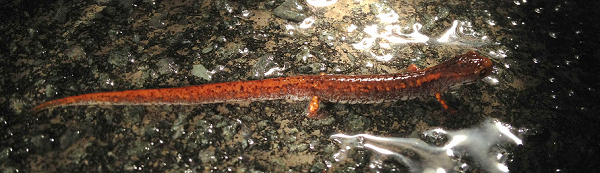
|
The New York State Department of Environmental Conservation respects your right to privacy and welcomes your feedback | Update preferences or unsubscribe | Learn more about DEC Delivers |
|
Connect with DEC:    
|
|
| Basil Seggos, Commissioner | |