
DEC Adirondack Outdoor Recreation Bulletin - January 20, 2022
The New York State Department of Environmental Conservation sent this bulletin on 01/20/2022 03:33 PM EST |
| DEC Delivers - Information to keep you connected and informed from the NYS Department of Environmental Conservation |
| Share or view as a web page || Update preferences or unsubscribe |
DEC Adirondack Outdoor Recreation BulletinJanuary 20, 2022 |
|
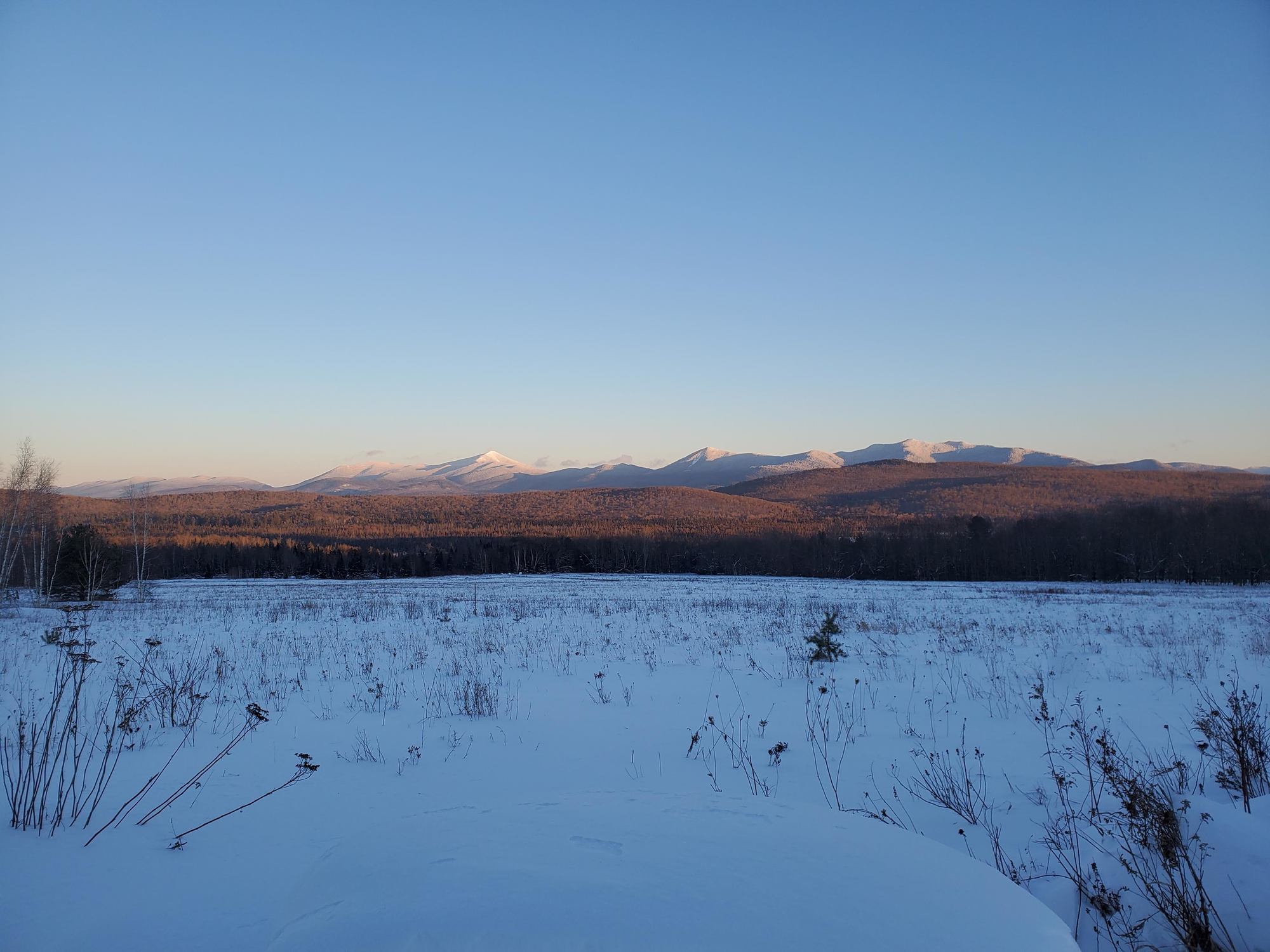
Emergency Situations: If you get lost or injured; keep calm and stay put. If you have cell service, call 911 or the DEC Forest Ranger Emergency Dispatch, 833-NYS-RANGERS. Welcome to the Adirondacks. The Welcome to the Adirondacks webpage is the place to go if you are interested in learning more about the Adirondacks. It provides information about the Forest Preserve, conservation easement lands, outdoor recreation, and Leave No Trace. Love Our NY Lands: All New Yorkers and visitors should be able to access, enjoy, and feel welcome on state lands. These lands belong to all of us, our families, and our neighbors. While enjoying these shared spaces, be respectful of other visitors. Share trails, treat people with kindness, and leave things as you found them for others to enjoy. All of us have a responsibility to protect State lands for future generations. Learn more about how you can Love Our NY Lands. Recreation Highlight: Look for Wildlife Tracks This Winter
Now is a great time to search for winter tracks (PDF) or other animal signs visible in the snow. It can be fun to be a detective and figure out what animals have been walking through your yard or across a trail. Here are a few tips to get you started:
Find out more in the Become a Winter Wildlife Detective (PDF) issue of Conservationist for Kids. Check out the video on winter wildlife tracks and scat identification on DEC’s Facebook page. Photo of ruffed grouse tracks by Sandy Van Vranken Recent NoticesThe following are the most recent notices pertaining to public lands in the Adirondacks. Please check the Adirondack Backcountry Information webpages for comprehensive and up-to-date information on seasonal road statuses, rock climbing closures, specific trail conditions, and other pertinent information. New: High Peaks Wilderness:
Grass River Wild Forest and Cranberry Lake Wild Forest: The recent snow event of January 16 resulted in enough snow to establish a base for grooming snowmobile trails in St. Lawrence County. Snow coverage is minimal in some areas and not all trails are suitable for riding at this point. Please check with the local snowmobile Clubs for the latest conditions and trail closures before heading out to ride. Franklin County: The C7B and C8 snowmobile trails are now open. Sargent Ponds Wild Forest: Snowmobile trail C7B through Grange Park is closed. Use Lake Eaton Campground/backside of Lake Eaton S86. Last Week: Sable Highlands Conservation Easement, Barnes Pond Tract: The gate is closed for the season to all vehicle traffic. Hiking, snowshoeing and skiing in are allowed. Silver Lake Wilderness: West River Road, which provides access to the Northville-Placid Trail in the Town of Wells, will remain unplowed and unmaintained for the duration of the winter. Seasonal access will re-open after spring mud season, typically late May. Ferris Lake Wild Forest: Powley Road is closed to all motor vehicles except snowmobiles for the duration of the winter. The road will re-open for motor vehicle access after spring mud season, typically late May. Saranac Lakes Wild Forest & Debar Mountain Wild Forest: The C7 snowmobile trail (known locally as the Pole Line) is open from Lake Clear to Mountain View. Moose River Plains Complex: Snowmobiling gates are open. Vanderwhacker Mountain Wild Forest:
General Notices
Visit the main Adirondack Backcountry Information page for more trip-planning resources, including travel information, weather resources, and seasonally-specific information about Adirondack recreation. Check the Weather: Check the forecast for your destination and pack and plan accordingly. Check the National Weather Service Northern Adirondacks and Southern Adirondacks Mountain Point Forecasts for select summit forecasts. Check both daytime and nighttime temperatures and remember that temperatures will drop as you gain elevation. Check wind chill temperatures and prepare for colder, windier summits. Winter Conditions: Be prepared for winter conditions. Snow and ice are present throughout the region. Be prepared with warm, waterproof layers, extra layers, and proper gear for snow and ice, including snowshoes, microspikes and crampons. In the High Peaks Wilderness, snowshoes or skis are now required to be worn as snow depths exceed 8 inches. Remember that conditions will change as you gain elevation and cold, wet weather poses a significant risk of hypothermia. Seasonal Roads: Although some seasonal access roads remain open, the use of four-wheel drive vehicles is strongly recommended and many seasonal access roads have transitioned to snowmobile use. Visitors are advised to plan ahead and check local club, county, and State webpages and resources, including the NYSSA Snowmobile web map, for up-to-date snowmobile trail information. Research Your Hike: Research a variety of hikes and pick one that is appropriate for the physical abilities and experience of every person in your group. Estimate how long the hike will take and make a realistic timeline. Remember that winter conditions will likely slow your travel. Using reliable sources, research the route. Share your plans with a reliable friend or family member who can report you missing if you do not return on time. Layer Up: Temperatures can change significantly depending on your location, the time of day and your elevation. Stay safe and warm by wearing non-cotton, moisture-wicking base layers, insulating layers, and waterproof/windproof outer layers. Wear a hat, mittens or gloves, and a buff. Gaiters can help keep your lower legs warm and prevent snow from getting in your boots. Bring additional layers. Wear sturdy waterproof boots that are already broken in. Learn more about layering for cold weather by watching DEC’s How To video. Manage your time wisely: Be mindful of sunrise and sunset times and plan accordingly. Start long hikes early to maximize sunlight hours and always bring a headlamp. Set a turnaround time and stick to it. Pack a Light: Bring a headlamp on every hike. Bring extra batteries and a back-up headlamp or alternate source of light. Even if you plan to be done before sunset, bring a headlamp in case of emergencies or unexpected delays. Don't rely on your phone's flashlight. Using your phone's flashlight will drain the battery quickly. Share the Trails: Many multi-use trails are enjoyed by a variety of users in the winter. Be respectful of everyone’s experience by following winter trail etiquette. Wear snowshoes to prevent postholing and keep ski and snowshoe tracks separate when possible. Let faster users pass and yield to downhill skiers as they have built up momentum. Move to the side of the trail to let snowmobiles pass, and snowmobilers slow down when passing skiers and snowshoers. Please pick up after yourself and pets. Safety & Education
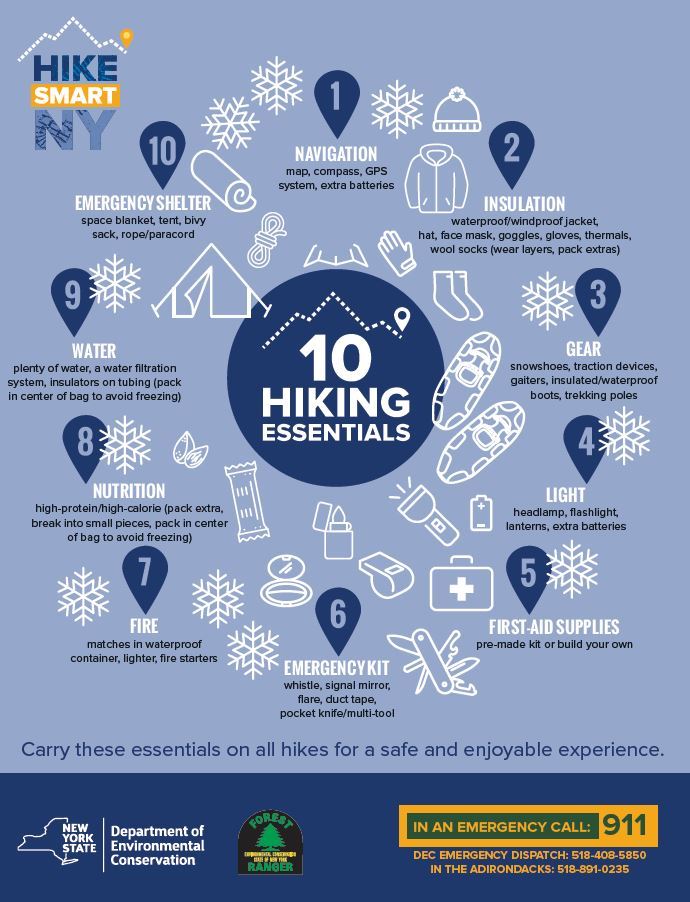
Winter recreation is fun and exciting. It can also be challenging and dangerous. Whether you’re going for a hike, a bike, a paddle, or fishing, Hike Smart NY can help you prepare with a list of 10 essentials, guidance on what to wear, and tips for planning your trip with safety and sustainability in mind. What to Bring in an Emergency Kit When we head outdoors we always hope for the best case scenario – perfect weather, no injuries, and a hike that goes exactly to plan. While it would be great if every hike went this way, the unexpected can happen so its important to be prepared. A well-packed emergency kit will help you manage any circumstance the outdoors throws your way. Include the following items in your emergency kit:
Leave No Trace
Follow the Seven Principles of Leave No Trace to maintain minimal impact on the environment and the natural resources of the Adirondacks. Use proper trail etiquette to ensure an enjoyable experience for yourself and others and tread lightly! Become a Citizen Scientist Citizen science (otherwise known as community science) is a popular movement that allows people from all walks of life to help advance scientific research and land management efforts by collecting and sharing data gathered in natural areas. Leave No Trace’s citizen science program helps protect the natural world by building a community of people working together to monitor impacts caused by recreation. Learn how you can get involved and contribute or create projects in your area! Be a citizen scientist for DEC by sharing wildlife observations and finding and reporting invasive species. |
 This bulletin provides only the most recent notices. Check the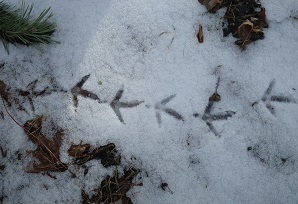
|
The New York State Department of Environmental Conservation respects your right to privacy and welcomes your feedback | Update preferences or unsubscribe | Learn more about DEC Delivers |
|
Connect with DEC:    
|
|
| Basil Seggos, Commissioner | |