Wildlife, Fish, and Marine Life Newsletter
The New York State Department of Environmental Conservation sent this bulletin on 01/19/2022 11:01 AM EST |
| DEC Delivers - Information to keep you connected and informed from the NYS Department of Environmental Conservation |
| Share or view as a web page || Update preferences or unsubscribe |
Wildlife, Fish & Marine Life Newsletter |
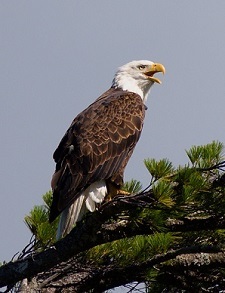
Bald Eagle Viewing in Winter
Warning: Harassing, disturbing, or injuring a bald eagle is illegal. Photo of bald eagle by Marjorie Correll Look for Wildlife Tracks this Winter
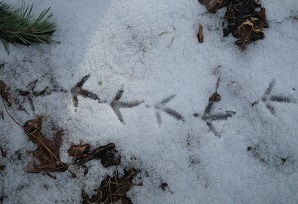
Find out more in the Become a Winter Wildlife Detective (PDF) issue of Conservationist for Kids. Check out the video on winter wildlife tracks and scat identification on DEC’s Facebook page. Photo of ruffed grouse tracks by Sandy Van Vranken. Construction Starts on New Fish Passage Through Woodhull Dam
The Woodhull Dam fish passage will restore access to 90 acres of high-quality habitat for river herring and American eel in the Cranberry Bog Preserve and Wildwood Lake, more than doubling the amount of spawning and maturation habitat currently available for river herring on the Peconic River. DEC, Suffolk County, town of Southampton, and PEP worked collaboratively to secure nearly $1 million for the design and construction of the fish passage. Funding was provided by DEC’s Water Quality Improvement Project Program, U.S. Fish and Wildlife Service’s National Fish Passage Funds, Suffolk County’s Water Quality Protection and Restoration Program, Suffolk County Capital Funds, and town of Southampton’s Community Preservation Fund Water Quality Improvement Project Plan. Learn more about the work DEC and partners are doing to restore diadromous (migrating between salt and freshwater) fish passages on DEC's website. Photo of alewife by Byron Young |
 Winter is a great time to
  Now is a great time to search for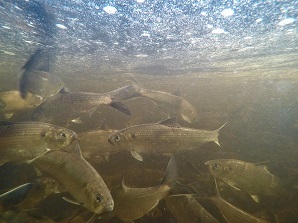
|
The New York State Department of Environmental Conservation respects your right to privacy and welcomes your feedback | Update preferences or unsubscribe | Learn more about DEC Delivers |
|
Connect with DEC:    
|
|
| Basil Seggos, Commissioner | |