
January Outdoor Discovery
The New York State Department of Environmental Conservation sent this bulletin on 01/03/2022 10:37 AM EST |
| DEC Delivers - Information to keep you connected and informed from the NYS Department of Environmental Conservation |
| Share or view as a web page || Update preferences or unsubscribe |
January 2022 Outdoor Discovery |
Watchable Wildlife: Mongaup Valley Wildlife Management AreaSullivan and Orange Counties
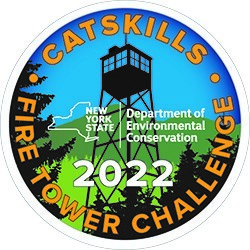
Take the 2022 Catskills Fire Tower Challenge
To participate in the 2022 challenge, hikers must hike to all six DEC-owned fire towers in the Catskills between January 1, 2022 and December 31, 2022:
Once completed, participants submit a log of their hikes, along with a favorite photo to: CatskillsChallenge@dec.ny.gov. or via regular mail. Entries must be postmarked by January 7, 2023. Finishers will receive a letter, commemorative patch designed with the 2022 completion year, and a one-year subscription to DEC’s Conservationist magazine. Upon completion, finishers will also be able to download a customizable certificate and will be eligible to win hiking accessories after the challenge period is closed. New Recreation Management Plan for Flatrock Mountain Conservation Easement
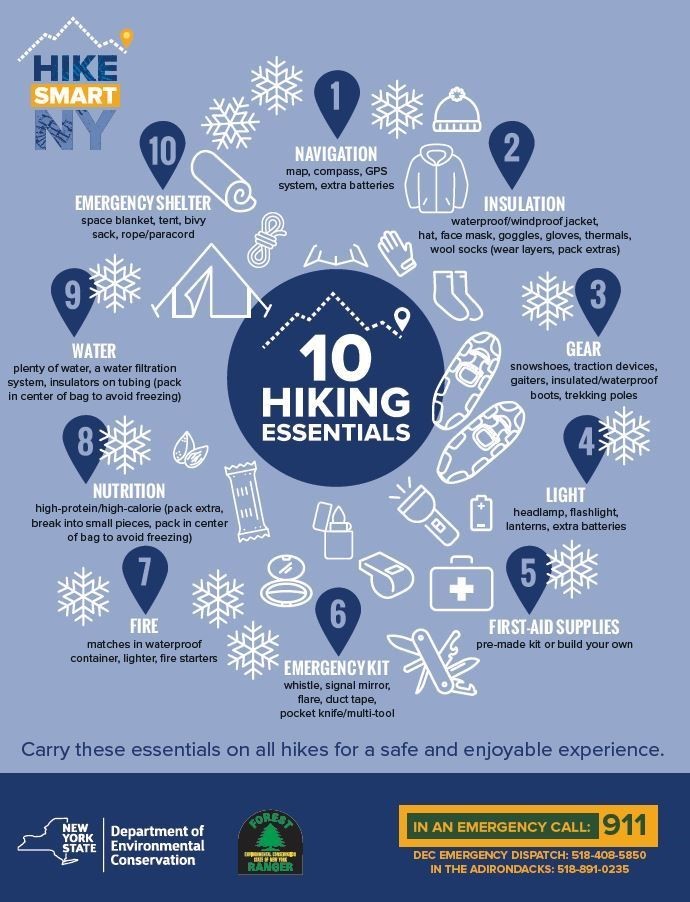
DEC and the property owner, the Northeastern Loggers’ Association, collaborated on the RMP for the conservation easement, which will increase opportunities for recreation in Herkimer County. Visit DEC’s website for information about the Flatrock Mountain Conservation Easement, nearby DEC-managed lands, and the RMP. Recreation Highlight - @NYSDECAlertsPlanning an outdoor adventure this weekend? Follow @NYSDECAlerts on Twitter for real-time updates to help you prepare. @NYSDECAlerts provides updates for DEC-managed lands throughout New York State. Discover what parking areas are full before you arrive so you can move straight to your back-up location and get on the trail sooner. You can also check for special advisories or links to alternate hikes. We encourage you to Love our NY Lands by hiking responsibly and planning ahead with the help of the most up-to-date information. Hike Smart & Be PreparedBefore you hit the trail, check out DEC’s Hike Smart NY webpage to learn about safety, best practices, preparedness, and the Hiker Responsibility Code. Discover trails less traveled and visit sites when trails may not be as busy. Check the Weather: Check the National Weather Service for current conditions and forecasts for the locations where you plan to recreate. Check both daytime and nighttime temperatures. Expect conditions to be cooler and more exposed on mountain summits. Manage your time wisely: Keep in mind that it gets dark early. Be mindful of sunrise and sunset times, and plan accordingly. Start long hikes early to maximize sunlight hours, and always bring a headlamp in case you are out longer than expected. Essentials for Winter Hikes
Visit DEC's website for more information on Winter Hiking Safety. Love Our NY LandsAll New Yorkers and visitors should be able to access, enjoy, and feel welcome on State lands. These lands belong to all of us, our families, and our neighbors. While enjoying these shared spaces, be respectful of other visitors. Share trails, treat people with kindness, and leave things as you found them for others to enjoy. All of us have a responsibility to protect State lands for future generations. Learn more about how you can Love Our NY Lands. Safety & Education
Avoid Hypothermia Hypothermia is a well-known risk during extremely cold weather, but it is also a danger during cool, wet weather. With variable weather in the forecast, keep in mind that hypothermia can occur at almost any temperature if you fail to keep yourself warm and dry. Hypothermia is the result of your body losing heat faster than it can produce it. To prevent hypothermia, dress in layers that will keep you warm and dry, and change into dry layers if you sweat through clothes or get wet. Drink plenty of water and eat high-calorie, high-protein foods to maintain your energy. Being tired, hungry, or dehydrated makes you more susceptible to hypothermia. Know the warning signs of hypothermia:
Hypothermia is a serious medical condition. If someone in your party begins to show signs of hypothermia in the backcountry, act immediately. Warm the person by getting them to shelter, lighting a fire, or wrapping them in a space blanket or bivy sack. Remove any wet clothing and replace it with warm, dry clothing. Warm the center of their body – skin-to-skin contact can help. Warm drinks will also raise core temperature, but do not give the person alcohol. Seek proper medical attention as soon as possible. Nature NotesDid you Know... Feeding wildlife can change their natural behaviors. This is even true of inadvertent food sources like garbage or unsecured food items. Gulls, for example, can become "food-conditioned" and may look for food near snack bars or garbage cans. Food-conditioning can lead to undesirable and potentially unsafe human-wildlife interactions. For example, wild animals that visit a food source in groups are at greater risk of predation and disease. Food-conditioned wildlife may also be more likely to become entangled in fencing, approach humans, or be struck by a vehicle when in search of food. Upcoming EventsBe sure to check out DEC's wide selection of outdoor activities on our events calendar. View activities for the upcoming month or all the planned events available, including public hearings and meetings. For specific information about upcoming events at DEC’s Environmental Education Centers, see the following links: Five Rivers Environmental Education Center (Albany County) Reinstein Woods Nature Preserve & Environmental Education Center (Erie County) Rogers Environmental Education Center (Chenango County) Stony Kill Farm Environmental Education Center (Dutchess County) Check Out Our Facebook Live EventsAs always, be sure to visit our Facebook page for updates and to view our Facebook Live offerings. From adventures at fish hatcheries and nighttime hiking, to Q&As about black bears, there is always something to see and learn. Conservationist
Best wishes for a happy New Year!
|
 Our national symbol, the bald eagle, is the star of this wilderness about 75 miles northwest of New York City.
  The
The 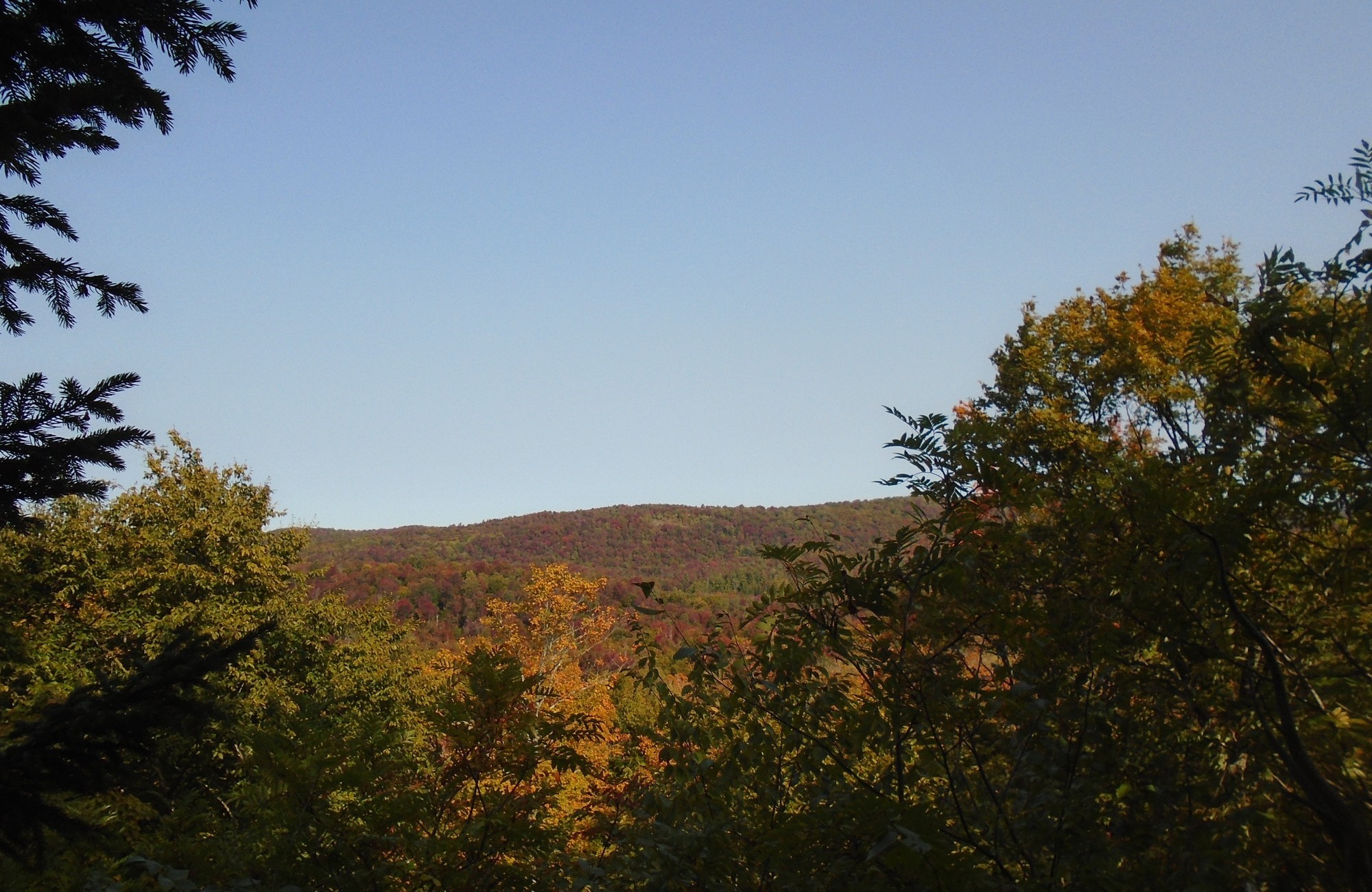 A new Recreation Management Plan (RMP) for the Flatrock Mountain Conservation Easement has been released. The Flatrock Mountain Conservation Easement encompasses approximately 511 acres southwest of Old Forge in the Town of Webb, Herkimer County.
 Waterproof hiking boots with wool socks;
 Winter recreation is fun and exciting. It can also be challenging and dangerous. Whether you’re going for a hike, a bike, a paddle, or fishing,
 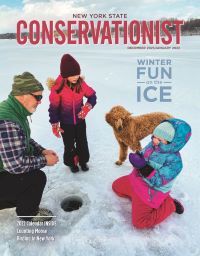 A new year is a time to explore great opportunities in nature. In the December/January Conservationist you can learn about fishing from an ice shanty, and how (and why) DEC tracks moose. You’ll also learn about the New York State Birding Trail, and how one man became “hooked” on birding, specifically a bird known as a glossy ibis. And we hope you’ll enjoy our annual calendar, which illustrates the beauty and diversity we can enjoy in New York.
|
The New York State Department of Environmental Conservation respects your right to privacy and welcomes your feedback | Update preferences or unsubscribe | Learn more about DEC Delivers |
|
Connect with DEC:    
|
|
| Basil Seggos, Commissioner | |