|
This bulletin provides only the most recent notices. Check the Adirondack Backcountry Information webpages for more detailed information on access, outdoor recreation infrastructure, and conditions.
Emergency Situations: If you get lost or injured; keep calm and stay put. If you have cell service, call 911 or the DEC Forest Ranger Emergency Dispatch, 833-NYS-RANGERS.
Welcome to the Adirondacks. The Welcome to the Adirondacks webpage is the place to go if you are interested in learning more about the Adirondacks. It provides information about the Forest Preserve, conservation easement lands, outdoor recreation, and Leave No Trace.
Love Our NY Lands: All New Yorkers and visitors should be able to access, enjoy, and feel welcome on state lands. These lands belong to all of us, our families, and our neighbors. While enjoying these shared spaces, be respectful of other visitors. Share trails, treat people with kindness, and leave things as you found them for others to enjoy. All of us have a responsibility to protect State lands for future generations. Learn more about how you can Love Our NY Lands.
@NYSDECAlerts: Planning an outdoor adventure this weekend? Follow @NYSDECAlerts on Twitter for real-time updates to help you prepare. @NYSDECAlerts provides updates for DEC-managed lands throughout New York State, including the Adirondacks.
Hiker Information Stations
DEC’s Adirondack Hiker Information Stations provide education and information to hikers and other recreationists during the busy summer and fall seasons. Stop by a station ahead of your weekend trip for information about parking, alternative hiking locations, local land use rules and regulations, safety and preparedness, and Leave No Trace.
Information stations will be closed this weekend, Sept. 24-26. We will return next weekend.
New York Fall Foliage Report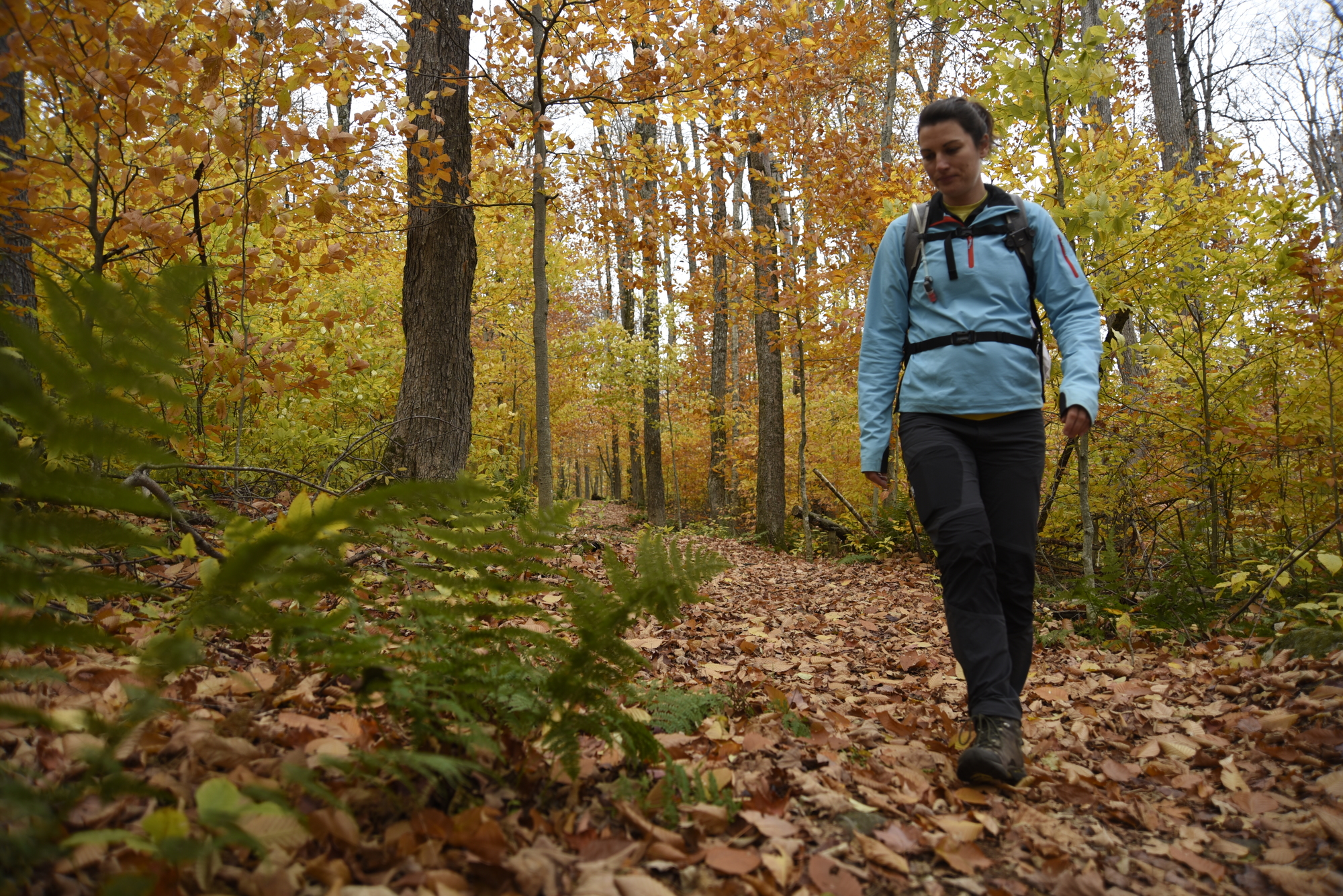
Fall is officially here, which means fall foliage is starting to pop in the Adirondacks. Check the I Love NY Fall Foliage report for the most recent updates. The report is updated every Wednesday afternoon with the latest color conditions across the state.
Autumn leaves change color due to the days growing shorter and colder. Plants slow down and eventually stop producing the food necessary to produce chlorophyll, the pigment responsible for that leafy green color. As the levels of chlorophyll are depleted, other pigments such as carotenoids cause those classic fall colors. Watch for the differences in colors in maples, oaks, or dogwoods near you. Check out our previous Facebook Live to learn more about fall foliage, and enjoy nature’s brightest colors.
Recreation Highlight: Free Fishing Day This Saturday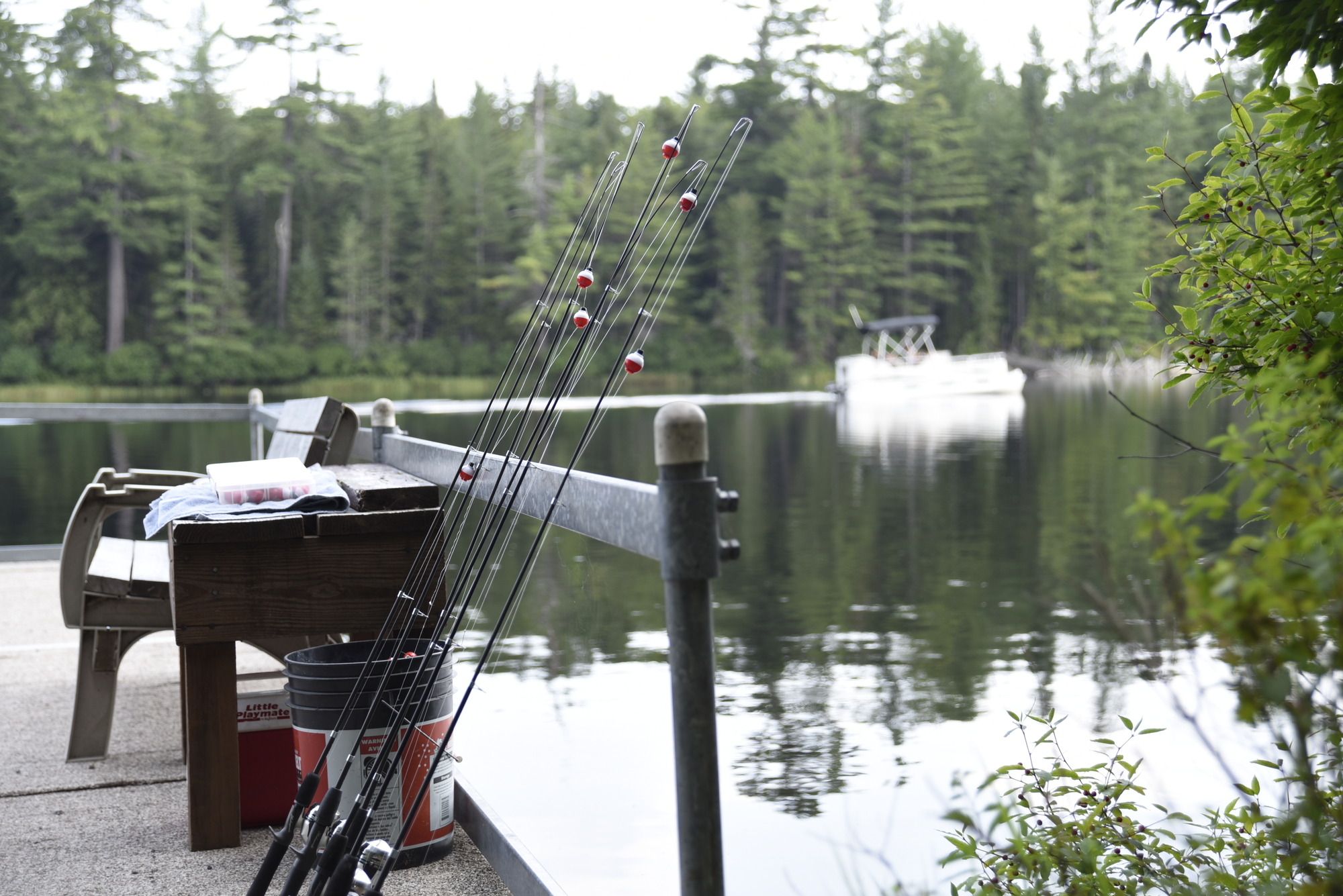
New York's fifth Free Fishing Day of the year is this Saturday, Sept. 25. This coincides with National Hunting and Fishing Day, which is celebrated annually to promote outdoor activities like hunting, fishing, and target shooting. On Free Fishing Days, New York residents and non-residents may fish for free without a fishing license. All other fishing regulations remain in effect.
DEC's Places to Fish webpages are a reliable source for those ready to plan their next fishing trip. For beginning anglers interested in getting started, the I FISH NY Beginners' Guide to Freshwater Fishing provides information on everything from rigging up a fishing rod to identifying catch and understanding fishing regulations.
The sixth, and final, Free Fishing Day in 2021 is on Veterans Day, Nov. 11. When not participating in Free Fishing Days, anglers 16 years of age and older must have a current New York State fishing license to fish.
Recent Notices
The following are the most recent notices pertaining to public lands in the Adirondacks. Please check the Adirondack Backcountry Information webpages for comprehensive and up-to-date information on seasonal road statuses, rock climbing closures, specific trail conditions, and other pertinent information.
NEW:
High Peaks Wilderness:
- The trail from Lake Arnold to Feldspar Brook is experiencing extensive flooding. Crossing flooded areas on floating logs and old pieces of bridging is dangerous and should be avoided when possible. Seek alternate routes. If you must cross, be prepared to wade through deep water.
- The ladder on the Basin Mountain trail has a damaged top rung. DEC staff are working to repair the ladder, but hikers should use caution in the interim.
- Per the conservation easement agreement with Elk Lake Lodge, the Gate at Clear Pond will be closed to Public Motor Vehicles as of Oct. 12 and will not open until after mud season in May of 2022. Hikers will need to park at the Upper Elk Lake Road Parking Lot on the west side of the Elk Lake Road approximately 2.3 miles south of the Elk Lake Parking Lot and Trailhead. From the evening of Oct. 22 until the morning of Dec. 6, no hikers may enter the Elk Lake Conservation Easement.
Boreas Ponds Tract: Gulf Brook Road will temporarily close to pedestrians starting Friday, Sept. 24, while culvert repair work is underway. The road is expected to reopen to pedestrians only by the end of Nov. 2021. The road has been closed to motor vehicles since the 2019 Halloween Storm, which damaged culverts and caused washouts on the road. DEC has repaired several ditches and culverts to date. Additional roadwork is anticipated to ensure the road is resilient to damage from future storms.
Grass River Wild Forest:
- There is an active logging operation on the Long Pond Conservation Easement. Recreationists should use caution.
- The St. Lawrence County Multi-use Trail, which crosses the Grass River, Long Pond, and Tooley Pond Conservation Easements, closed for the season on Sept. 15.
LAST WEEK:
Lake George Wild Forest: Pole Hill Pond parking area in Bolton will be closed Oct. 4-5 for repairs.
Climate Week Updates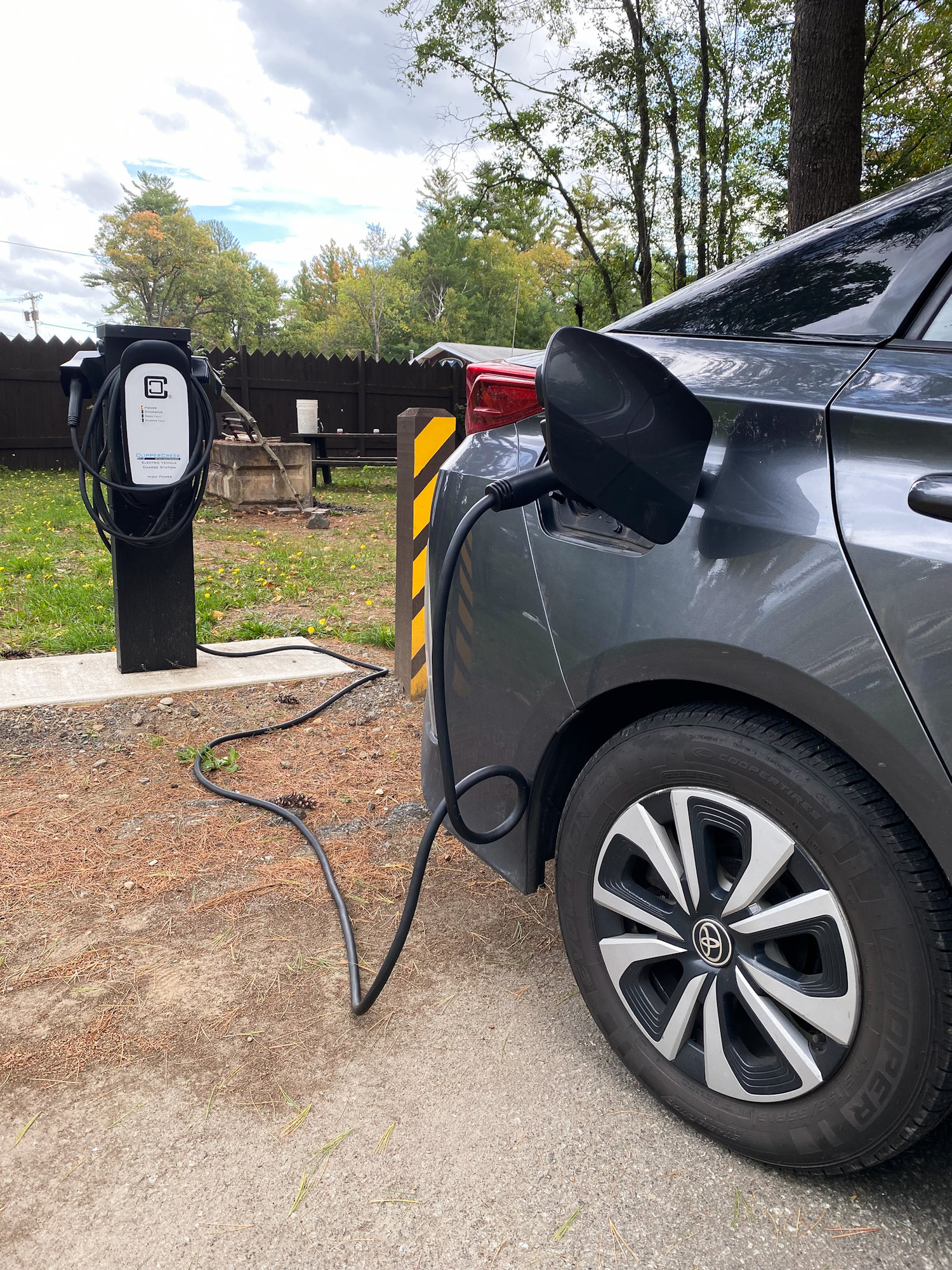
For 2021 Climate Week, Sept. 20-26, DEC is highlighting two green initiatives in the Adirondack Region.
Solar Installation on Lake George Island
A new solar installation on Lake George Island now powers the caretaker cabin. The solar installation replaces an underwater power line that is used to provide electricity to the cabin. Not only is this green energy solution better for our climate, it is also more resilient.
Electric Car Chargers at DEC Campgrounds
Electric car chargers have been installed at Meadowbrook Campground in Ray Brook on Frontier Town Campground, Equestrian, and Day Use Area in North Hudson. Meadowbrook has one dual charging station with a solar-powered streetlight. Frontier Town has four single-car chargers. These stations are used by both visitors and campground staff. There are plans for more chargers to be installed at additional facilities in the region.
General Notices
Visit the main Adirondack Backcountry Information page for more trip-planning resources, including travel information, weather resources, and seasonally-specific information about Adirondack recreation.
Fire Danger:
- Adirondack Park - Low
- Champlain Region - Low
- Check the fire rating map for daily updates.
Water Conditions: Water levels throughout the Adirondack region range from below average to average. Check the USGS Current Water Data for New York for stream flow of selected waters. Personal Flotation Devices (PFDs aka lifejackets) are strongly recommended to be worn by all anglers, boaters, and paddlers. Where bridges are not available, do not attempt stream crossings during periods of high, fast moving water.
Wet and Muddy Trails: Following rain and storms, trails are likely to be muddy. Wear waterproof shoes and walk through mud, not around it, to help protect fragile trail edges. Gaiters help keep feet dry and trekking poles provide added stability. Mountain bikers are encouraged to avoid riding in muddy and wet conditions as biking on wet trails can significantly contribute to erosion and trail widening. As with hiking, ride through the center of the trail to avoid impacting trailside soils and plants.
Route 73 Hiker Shuttle: A pilot Route 73 Hiker Shuttle system is now operating, providing safe, sustainable visitation along the busy Route 73 corridor in the High Peaks region. The free shuttle system operates from 7 a.m. to 7 p.m. on weekends and holidays through Monday, Oct. 11. Park at Marcy Field and ride to the Rooster Comb, Giant Mountain/Ridge Trail, and Roaring Brook Falls trailheads. Parking is still available at the trailheads themselves. Masks are required. Pets are not permitted. View a map of the route (PDF), the shuttle schedule (PDF), and browse a comprehensive list of frequently asked questions (PDF).
NYSDEC & AMR Pilot Reservation System: A no-cost pilot reservation system is now in effect at the Adirondack Mountain Reserve (AMR). No-cost reservations are required through Oct. 31, 2021, for parking, daily access, and overnight access to trails through the AMR gate and the Noonmark and Round Mountain trailheads accessed through the AMR property. Reservations are available for dates a maximum of two weeks out. Walk-in users without a reservation will not be permitted. For a complete FAQ list, and to make a reservation, please visit hikeamr.org.
Sharing the Woods During Hunting Season: Hunting and trapping seasons are beginning to open throughout New York State. These activities are enjoyed by many as forms of recreation and a means of providing for their families. They can also benefit forest ecosystems and are critically important for wildlife management. Recreationists and hunters alike have a responsibility to keep each other safe during hunting seasons. Dress in bright colors such as hunter orange, put bright colors and bells on pets and equipment, and keep pets leashed to discourage roaming. Avoid interfering with hunters and trappers, and never harass hunters or trappers. Not only is it disrespectful, it is illegal. Visit DEC’s website for more safety tips before heading into the woods this hunting and trapping season.
Trap Dike on Mount Colden: The Trap Dike route up Mount Colden in the High Peaks Region is not an official trail. It is classified as a rock-climbing route and should be avoided by those who do not have rock climbing experience and equipment, like a climbing rope and helmet. Without the proper equipment, this route can be life-threatening. Portions of the Trap Dike are “no fall zones” meaning that an accidental fall could result in serious physical injury or death. Consider utilizing an experienced licensed guide to safely assist in enjoying the Trap Dike and only climb when the route is dry.
No Overnight Camping at Trailheads: Please note that overnight camping is not permitted at trailheads or other roadside locations where a camping disc is not present. This includes individuals sleeping in cars, vans, and campers. Campers should seek out designated roadside campsites marked with a camp here disc or campgrounds.
Bear Canisters Required: NYSDEC requires the use of bear-resistant canisters by overnight users in the Eastern High Peaks Wilderness between April 1 and Nov. 30. NYSDEC encourages campers to use bear-resistant canisters throughout the Adirondack backcountry. Bear canisters should be used to store all food, food garbage, toiletries, and other items with a scent. Canisters should be stored a minimum of 100ft from tents, lean-tos, and cooking sites and kept closed whenever they are not being accessed. Learn more about bear canisters and avoiding human-bear conflicts.
Ticks: Wear light-colored clothing with a tight weave to spot ticks easily. Wear enclosed shoes, long pants, and a long-sleeved shirt. Tuck pant legs into socks or boots and shirt into pants. Check clothes and any exposed skin frequently for ticks while outdoors. Consider using insect repellent. Stay on cleared, well-traveled trails and walk in the center of trails. Avoid dense woods and bushy areas. Additional tips for tick prevention.
Safety & Education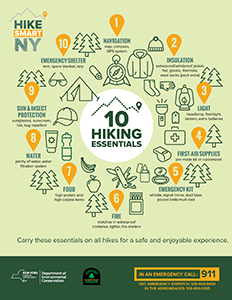
Fall recreation is fun and exciting. It can also be challenging and dangerous. Whether you’re going for a hike, a bike, a paddle, or fishing, Hike Smart NY can help you prepare with a list of 10 essentials, guidance on what to wear, and tips for planning your trip with safety and sustainability in mind.
Layer Up
Fall is here, which means it's time to layer up. It's getting colder in the mountains, and temperatures fluctuate depending on the time of day and your elevation. Stay safe and warm by wearing and bringing the right clothes.
Start with non-cotton, moisture-wicking base layers. Wear or pack additional warm, waterproof, and windproof layers, a hat, and mittens. Bring extra base layers and socks. Add or remove layers as needed. Avoid sweating through your clothes - as sweaty clothes cool they create ideal conditions for hypothermia.
Leave No Trace
Follow the Seven Principles of Leave No Trace to maintain minimal impact on the environment and the natural resources of the Adirondacks. Use proper trail etiquette to ensure an enjoyable experience for yourself and others and tread lightly!
Respect Wildlife
Fall is a critical time for wildlife as they prepare for the long cold months ahead. Animals spend this time gathering food, putting on pounds, and preparing their home for the winter. All this work means they are extra active. Respect wildlife while recreating by following these tips:
-
Give wildlife space. Getting too close to an animal might scare it away from its hard-earned food stash, a much-needed resource, or its home. By giving animals space we allow them to carry on with their normal behavior.
-
Don’t feed animals. Feeding animals might seem like a harmless and even helpful gesture, but it can threaten an animal’s long-term survival. Human food can be harmful to wildlife and feeding them creates an unnatural dependency on humans that reduces their chances of surviving on their own. An animal fed all summer and fall by frequent visitors won’t know how to fend for itself when handouts are scarce.
-
Take home your waste. Avoid accidentally feeding wildlife by taking all garbage and food scraps home and disposing of them there. Perishable food scraps can ruin a critter’s entire winter food store. When animals put them in their stash, the rotting scraps can cause the rest of their food to spoil as well, leaving them with nothing to eat.
-
Keep dogs leashed. Most dogs are eager to chase a chipmunk, rabbit, porcupine, or deer, which can have negative consequences for wildlife and your pet. A dog in the woods might seem natural, but domesticated pets are very different from their wild counterparts and can disturb the natural order of the forest when allowed to run free.
|