
DEC Adirondack Outdoor Recreation Bulletin - August 26, 2021
The New York State Department of Environmental Conservation sent this bulletin on 08/26/2021 04:22 PM EDT |
| DEC Delivers - Information to keep you connected and informed from the NYS Department of Environmental Conservation |
| Share or view as a web page || Update preferences or unsubscribe |
DEC Adirondack Outdoor Recreation BulletinAugust 26, 2021 |
|
This bulletin provides only the most recent notices. Check the Adirondack Backcountry Information webpages for more detailed information on access, outdoor recreation infrastructure, and conditions. Emergency Situations: If you get lost or injured; keep calm and stay put. If you have cell service, call 911 or the DEC Forest Ranger Emergency Dispatch, 833-NYS-RANGERS. Welcome to the Adirondacks. The Welcome to the Adirondacks webpage is the place to go if you are interested in learning more about the Adirondacks. It provides information about the Forest Preserve, conservation easement lands, outdoor recreation, and Leave No Trace. Love Our NY Lands: All New Yorkers and visitors should be able to access, enjoy, and feel welcome on state lands. These lands belong to all of us, our families, and our neighbors. While enjoying these shared spaces, be respectful of other visitors. Share trails, treat people with kindness, and leave things as you found them for others to enjoy. All of us have a responsibility to protect State lands for future generations. Learn more about how you can Love Our NY Lands. @NYSDECAlerts: Planning an outdoor adventure this weekend? Follow @NYSDECAlerts on Twitter for real-time updates to help you prepare. @NYSDECAlerts provides updates for DEC-managed lands throughout New York State, including the Adirondacks. Hiker Information Stations
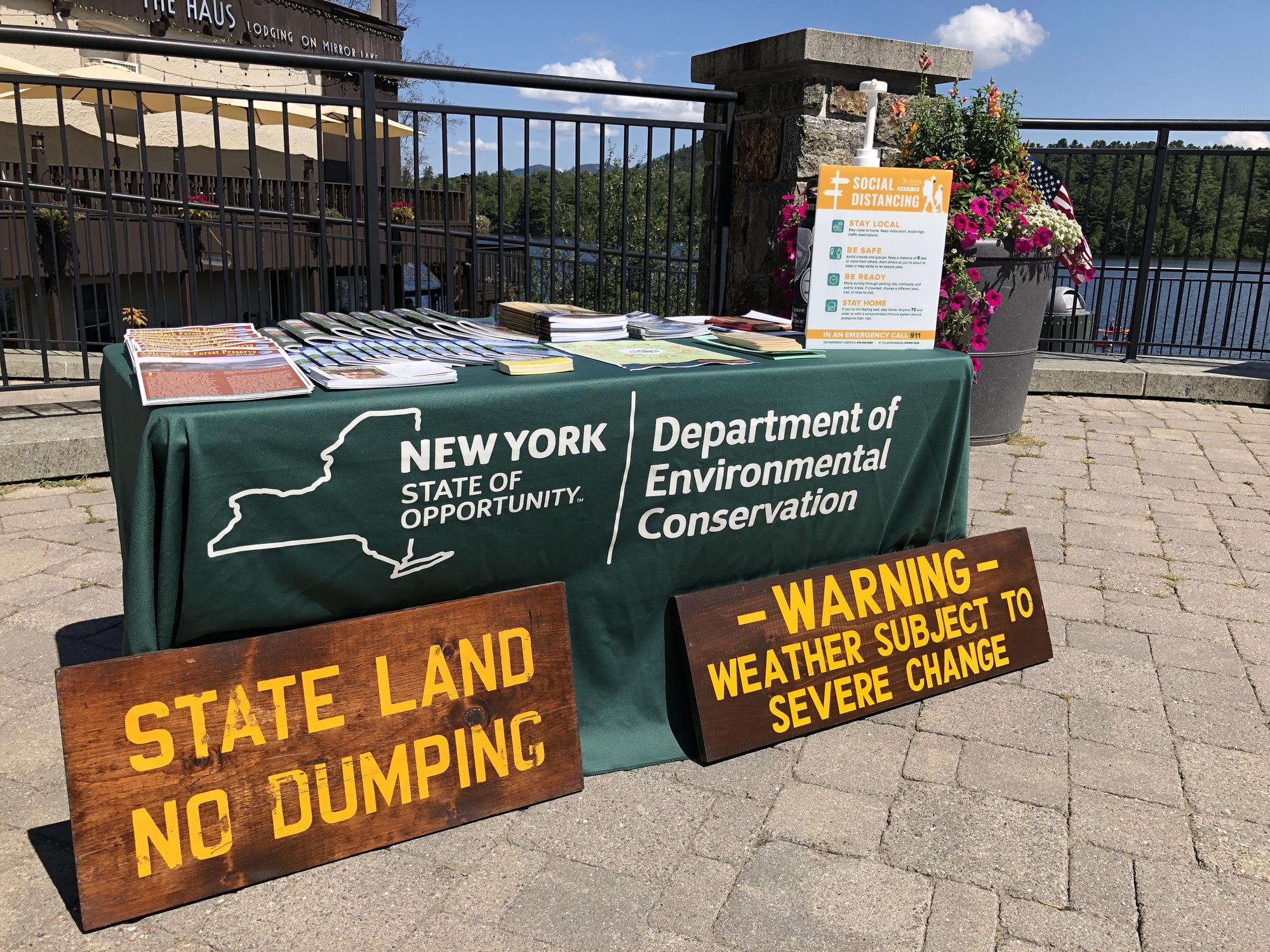
DEC’s Adirondack Hiker Information Stations provide education and information to hikers and other recreationists during the busy summer and fall seasons. Stop by a station ahead of your weekend trip for information about parking, alternative hiking locations, local land use rules and regulations, safety and preparedness, and Leave No Trace. Find us at the following locations:
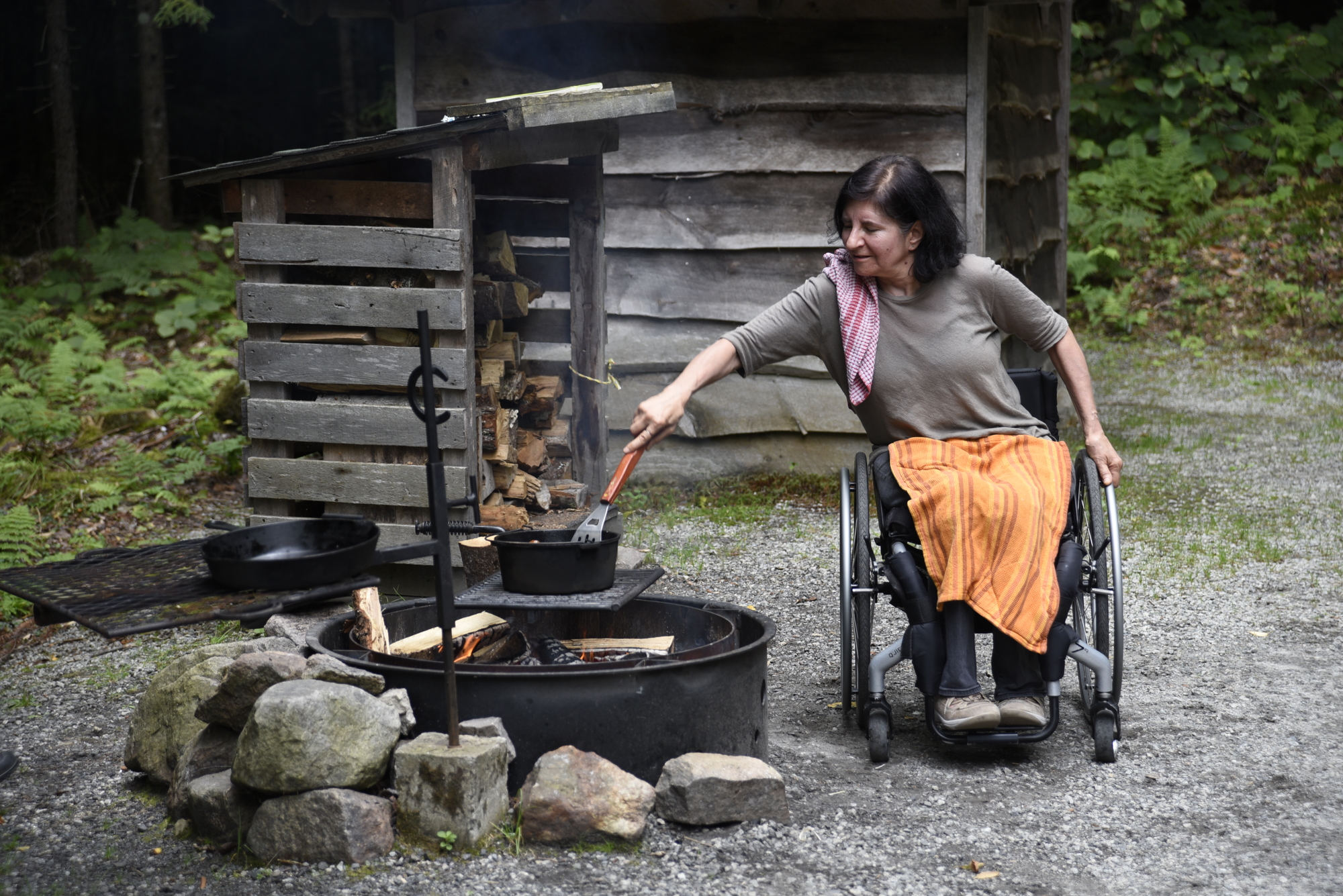
Recreation Highlight: Accessible Fall Camping at John Dillon Park
John Dillon Park is kicking off a fall season of accessible camping on August 27. Open Friday to Monday through October 31, visitors can enjoy the park for a day or stay overnight in one of nine accessible lean-tos. Built to ADA standards in 2005, John Dillon Park offers an experience like no other. Each lean-to is complete with ramps, wheel-chair accessible sleeping platforms, accessible toilets, picnic tables, ADA compliant fire pits with swing away grills, and even portable charging stations for a power chair or a CPAP device. Additional services include transporting gear to your campsite, delivering free firewood, trash removal and help with other camp activities like pitching a tent. Staff are on call 24 hours a day. Make your reservation and start planning your camping trip today!
Recent NoticesThe following are the most recent notices pertaining to public lands in the Adirondacks. Please check the Adirondack Backcountry Information webpages for comprehensive and up-to-date information on seasonal road statuses, rock climbing closures, specific trail conditions, and other pertinent information. Last Week: Tropical Storm Fred: Trail systems within the Adirondacks have received varying amounts of rain due to Tropical Storm Fred and trail conditions may be impacted. Expect high water and muddy trails for the upcoming weekend. Weekend forecasts predict thunderstorms, which could produce heavy rain, compounding poor trail conditions. Brown Tract Trail Closure: The southern end of the Brown Tract Trail providing access to Middle Settlement Lake and the western Ha-De-Ron-Dah Wilderness will be closed for forest management beginning Aug. 30. The closure is expected to last one week. Siamese Ponds Wilderness: 13th Lake Road is closed below the turn off for Barton Mines. Recreation areas reached from 13th Lake Road can still be accessed from Harvey Road. The closure is expected to last until mid-September. General Notices
Visit the main Adirondack Backcountry Information page for more trip-planning resources, including travel information, weather resources, and seasonally-specific information about Adirondack recreation. Wet and Muddy Trails: Following recent rain, trails are likely to be muddy. Wear waterproof shoes and walk through mud, not around it, to help protect fragile trail edges. Gaiters help keep feet dry and trekking poles provide added stability. Use caution at stream crossings where water is high and fast-moving. If water levels are too high, do not attempt a crossing. Mountain bikers are encouraged to avoid riding in muddy and wet conditions as biking on wet trails can significantly contribute to erosion and trail widening. As with hiking, ride through the center of the trail to avoid impacting trailside soils and plants. Be aware that additional rains may cause waterways to swell rapidly. Fire Danger:
Water Conditions: Water levels throughout the Adirondack region range from average to significantly above average. Check the USGS Current Water Data for New York for stream flow of selected waters. Water temperatures are still cold in many places. Personal Flotation Devices (PFDs aka lifejackets) are strongly recommended to be worn by all anglers, boaters, and paddlers. Where bridges are not available, do not attempt stream crossings during periods of high, fast moving water. Ticks: Wear light-colored clothing with a tight weave to spot ticks easily. Wear enclosed shoes, long pants and a long-sleeved shirt. Tuck pant legs into socks or boots and shirt into pants. Check clothes and any exposed skin frequently for ticks while outdoors. Consider using insect repellent. Stay on cleared, well-traveled trails and walk in the center of trails. Avoid dense woods and bushy areas. Additional tips for tick prevention. Bear Canisters Required: NYSDEC requires the use of bear-resistant canisters by overnight users in the Eastern High Peaks Wilderness between April 1 and November 30. NYSDEC encourages campers to use bear-resistant canisters throughout the Adirondack backcountry. Bear canisters should be used to store all food, food garbage, toiletries, and other items with a scent. Canisters should be stored a minimum of 100ft from tents, lean-tos and cooking sites and kept closed whenever they are not being accessed. Learn more about bear canisters and avoiding human-bear conflicts. Trap Dike on Mount Colden: DEC has seen an increased number of rescues in the Trap Dike over the past decade or so. The Trap Dike route up Mount Colden in the High Peaks Region is not an official trail. It is classified as a rock-climbing route and should be avoided by those who do not have rock climbing experience and equipment like a climbing rope and helmet. Without the proper equipment, this route can be life threatening. Portions of the Trap Dike are “no fall zones” meaning that an accidental fall could result in serious physical injury or death. Consider utilizing an experienced licensed guide to safely assist in enjoying the Trap Dike and only climb when the route is dry. There are numerous trails that lead to the summit of Mount Colden that provide enjoyable, yet still challenging experiences for hikers. Prospect Mountain Veterans Memorial Highway is open for the 2021 season. Please note the shuttle to the summit of Prospect Mountain is not available at this time. Until shuttles become available, admission fees will not be charged to access the highway. The accessible parking at the summit is currently under construction. Limited accessible parking spots will continue to be available during construction, but temporary closures of some areas may occur. Call (518) 668-5198 for current accessibility information. Route 73 Hiker Shuttle: A pilot Route 73 Hiker Shuttle system is now operating, providing safe, sustainable visitation along the busy Route 73 corridor in the High Peaks region. The free shuttle system operates 7 a.m. to 7 p.m. on weekends and holidays through Monday, October 11. Park at Marcy Field and ride to the Rooster Comb, Giant Mountain/Ridge Trail, and Roaring Brook Falls trailheads. Parking is still available at the trailheads themselves. Masks are required. Pets are not permitted. View a map of the route, the shuttle schedule, and browse a comprehensive list of frequently asked questions. Upper Works Trailhead: Visitor parking at the Upper Works trailhead transitioned to a new lot on Friday, June 18. The new lot is adjacent to MacNaughton cottage approximately one tenth of a mile before the old lot on Upper Works Road. The lot is located on land owned by the Open Space Institute. Parking at the old lot is no longer permitted. Essex County Road Work: The New York State Department of Transportation has advised that portions of State Route 73 in the Town of Keene, Essex County, will be reduced to a single lane with alternating flows of traffic controlled by flaggers on weekdays between the hours of 6 a.m. and 5 p.m. to facilitate a paving project. The lane reduction will start approximately two miles north of the intersection with U.S. Route 9 and continue to the northern intersection with Airport Road. Work is scheduled to be completed by the end of August, weather permitting. NYSDEC & AMR Pilot Reservation System: A no-cost pilot reservation system is now in effect at the Adirondack Mountain Reserve (AMR). The pilot program addresses public safety at a heavily traveled stretch on Route 73 in the town of Keene. AMR is a privately owned 7,000-acre land parcel that allows for limited public access through a conservation easement agreement with DEC. The pilot reservation system does not apply to other areas in the Adirondack Park. No-cost reservations are required May 1 through Oct. 31, 2021 for parking, daily access, and overnight access to trails through the AMR gate and the Noonmark and Round Mountain trailheads accessed through the AMR property. Reservations are available for dates a maximum of two weeks out. Walk-in users without a reservation will not be permitted. For a complete FAQ list, and to make a reservation, please visit hikeamr.org. No Overnight Camping at Trailheads: DEC is receiving increased reports of people camping at trailheads in the Adirondacks. Please note that overnight camping is not permitted at trailheads or other roadside locations where a camping disc is not present. This includes individuals sleeping in cars, vans and campers. Campers should seek out designated roadside campsites marked with a camp here disc or campgrounds. When camping, always carry out what you carry in and dispose of trash properly. Use designated bathroom facilities, pack out human and pet waste, or dig a cat hole. Safety & Education
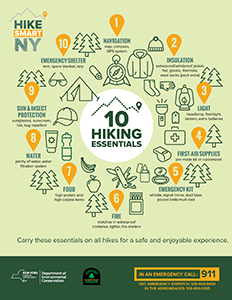
Summer recreation is fun and exciting. It can also be challenging and dangerous. Whether you’re going for a hike, a bike, a paddle, or fishing, Hike Smart NY can help you prepare with a list of 10 essentials, guidance on what to wear, and tips for planning your trip with safety and sustainability in mind. Timing is Everything It’s easy to lose track of time in the outdoors. There is a lot to think about and plenty of opportunity for your mind to wander. Becoming fully immersed in your outdoor experience is great but timing is everything when it comes to outdoor safety. Consider the following time markers when planning your trip.
Leave No Trace
Follow the Seven Principles of Leave No Trace to maintain minimal impact on the environment and the natural resources of the Adirondacks. Use proper trail etiquette to ensure an enjoyable experience for yourself and others and tread lightly! Stick to Designated Trails It can be tempting to go your own way in the wilderness but sticking to designated trails has many benefits. Not only does it minimize your risk of getting lost or running into unexpected hazards, it helps maintain the local ecosystem too. By concentrating impacts to designated trails, vegetation and local wildlife are left to flourish. This can be especially important in areas of rare or fragile vegetation, like some of the alpine plant zones in the Adirondack High Peaks region. On rocky summits, look for directional rock cairns or paint blazes to help you find your way. If you encounter mud on the trail, walk directly through it instead of around it to help maintain the integrity of trail edges and minimize trail widening. |


|
The New York State Department of Environmental Conservation respects your right to privacy and welcomes your feedback | Update preferences or unsubscribe | Learn more about DEC Delivers |
|
Connect with DEC:    
|
|
| Basil Seggos, Commissioner | |