New Clear Lake WMA Offers Recreational Opportunities in Western New York
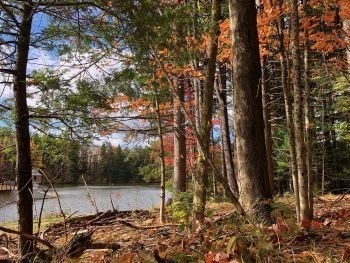 DEC recently acquired 525 acres in the town of North Collins, Erie County, to create the Clear Lake Wildlife Management Area (WMA). The land offers hunting, fishing, trapping, wildlife viewing, hiking, kayaking, and canoeing. DEC also recently installed two parking areas to improve public access to the site. The parking area located on the lake's east side is designated for use by visitors’ hand-launching small boats, kayaks, or canoes. Please note that use of trailers is not allowed. Learn more about other WMAs near you. DEC recently acquired 525 acres in the town of North Collins, Erie County, to create the Clear Lake Wildlife Management Area (WMA). The land offers hunting, fishing, trapping, wildlife viewing, hiking, kayaking, and canoeing. DEC also recently installed two parking areas to improve public access to the site. The parking area located on the lake's east side is designated for use by visitors’ hand-launching small boats, kayaks, or canoes. Please note that use of trailers is not allowed. Learn more about other WMAs near you.
Free Outdoor Erie Canal Excursions this Summer
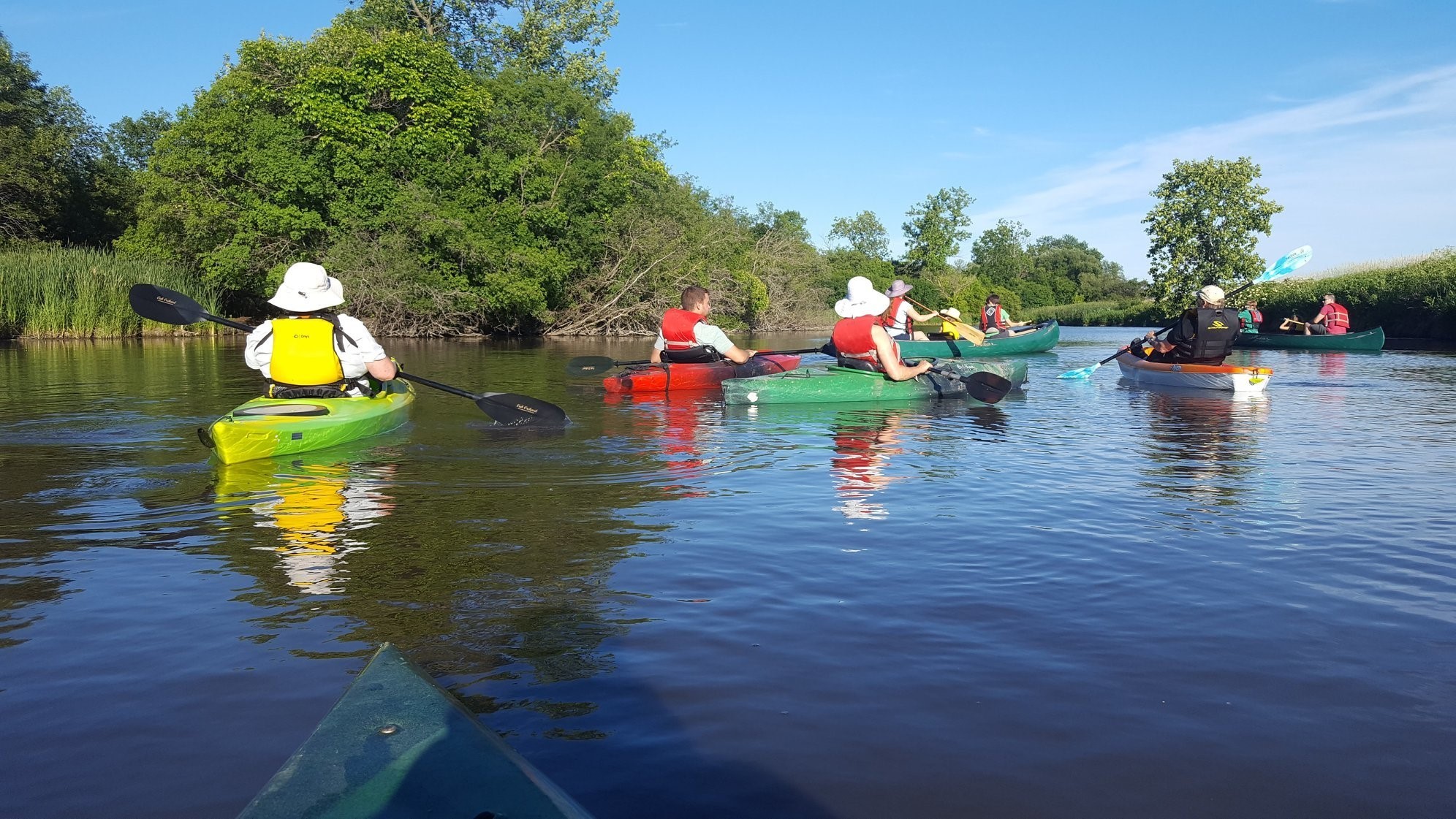 From kayaking, biking, and boating, to fishing and birding—experience the great outdoors On the Canals this summer while enjoying the natural beauty and local history of New York State for free! As part of Governor Cuomo’s Reimagine the Canals initiative, the New York Power Authority and the New York State Canal Corporation are offering free excursions at canalside hubs to promote recreation, local businesses, and new camping destinations. Take a two-hour bird watching and wildlife tour via kayak on the Erie Canal and Clyde River, adjacent to the Montezuma National Wildlife Refuge. Registration is required for most events, and space is limited. Sign up today! From kayaking, biking, and boating, to fishing and birding—experience the great outdoors On the Canals this summer while enjoying the natural beauty and local history of New York State for free! As part of Governor Cuomo’s Reimagine the Canals initiative, the New York Power Authority and the New York State Canal Corporation are offering free excursions at canalside hubs to promote recreation, local businesses, and new camping destinations. Take a two-hour bird watching and wildlife tour via kayak on the Erie Canal and Clyde River, adjacent to the Montezuma National Wildlife Refuge. Registration is required for most events, and space is limited. Sign up today!
Follow @NYSDECAlerts for Real Time Updates
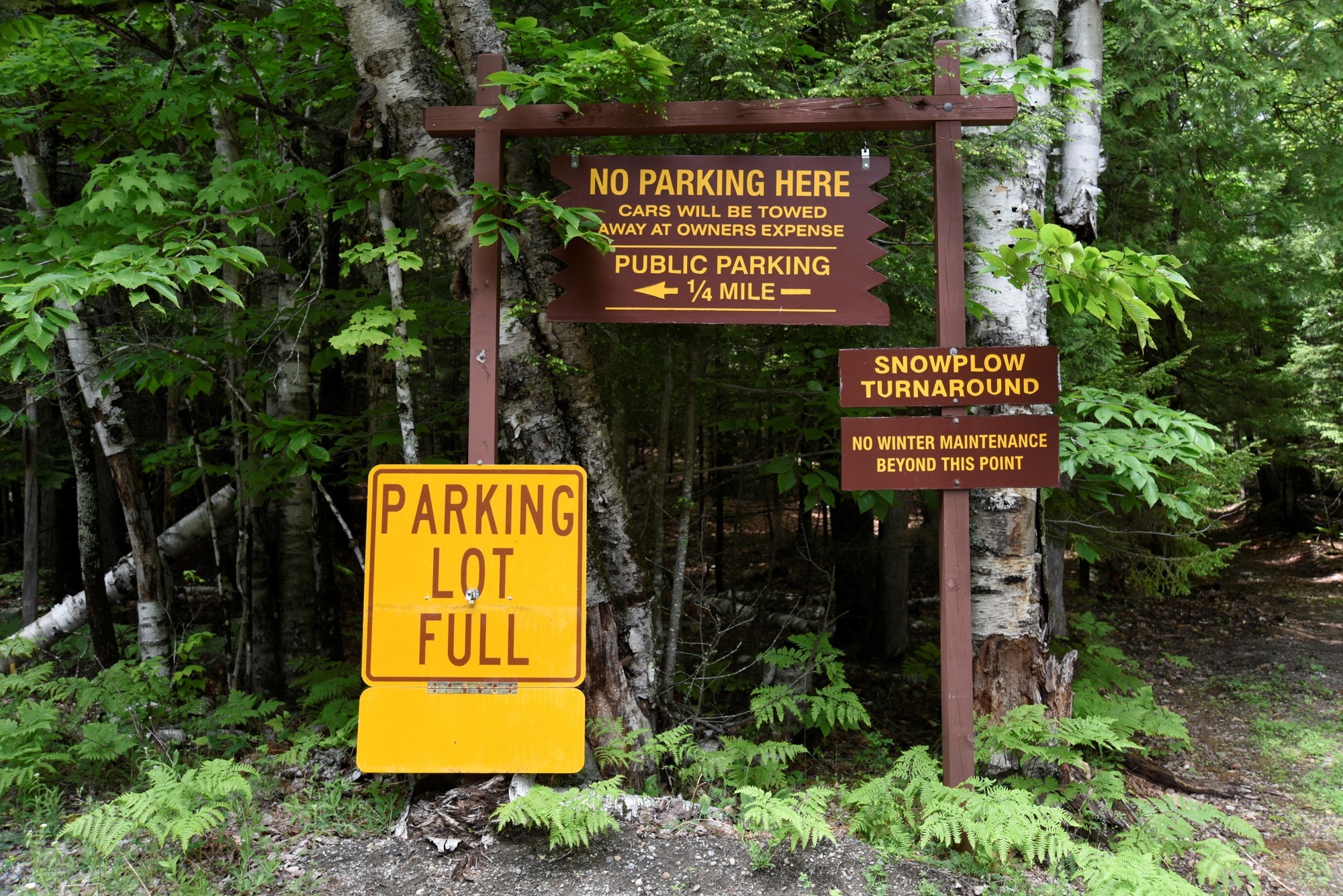 Planning an outdoor adventure this summer? Follow @NYSDECAlerts on Twitter for real-time updates to help you prepare. @NYSDECAlerts provides updates for DEC-managed lands throughout New York State, including the Adirondack High Peaks Region. Planning an outdoor adventure this summer? Follow @NYSDECAlerts on Twitter for real-time updates to help you prepare. @NYSDECAlerts provides updates for DEC-managed lands throughout New York State, including the Adirondack High Peaks Region.
Discover what parking areas are full before you arrive so you can move straight to your backup location and get on the trail sooner. Check for special advisories or links to alternate hikes. And always Love our NY Lands by hiking responsibly and planning ahead with the help of the most up-to-date information.
Harmful Algal Bloom Notifications
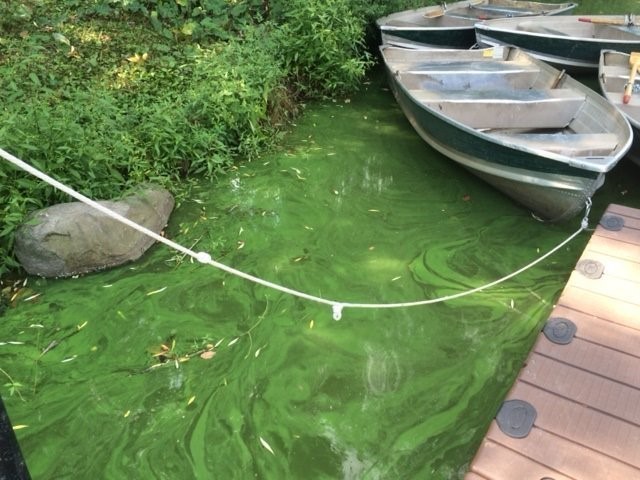 DEC’s harmful algal bloom (HABs) notification season has begun. HABs notifications will be updated through the fall using an online reporting and notification system dubbed NYHABS. DEC’s harmful algal bloom (HABs) notification season has begun. HABs notifications will be updated through the fall using an online reporting and notification system dubbed NYHABS.
The system includes an interactive map that shows reports of freshwater HABs, as well as a public reporting system. Instructions on how to use NYHABS are on DEC's HABs notification page.
Know it: If you see a HAB, please use the reporting form to submit a report to NYHABS.
Avoid it: Because waterbodies may have HABs that have not been reported to DEC, we recommend avoiding contact with floating mats, scums, and discolored water.
Report it: If you, your family, or pet have been in contact with a HAB, use clean water to rinse off, and report any symptoms you may have to your local health department.
Camp Sustainably This Summer
 DEC's 56 campgrounds and Day Use areas are open to the public. Reservations for the 2021 camping season are at an all-time high, as more New Yorkers and visitors from out of state prepare to head outdoors to take advantage of recreational opportunities. DEC's 56 campgrounds and Day Use areas are open to the public. Reservations for the 2021 camping season are at an all-time high, as more New Yorkers and visitors from out of state prepare to head outdoors to take advantage of recreational opportunities.
Camping is a great way to enjoy some relaxing time in nature and is a perfect time to think about how we can lessen our impact on the planet. Below are some simple tips you can use to ensure your next camping trip is a sustainable one (and may make packing and cleanup easier, a great bonus!). Whether you are new to camping or an old pro, there are always ways to improve your sustainability efforts and help preserve our beautiful places for years to come!
-
Use Reusable Plates, Utensils, and Bottles: Cut down on waste and save money with reusable products. Single-use plates, utensils, and bottles take up extra space in your bags and in our landfills. Most of our facilities now have sinks for washing dishes, as well as potable water for refilling reusable bottles.
-
Rent or Borrow: Find used gear instead of buying new items. Done using your camping gear? If it’s still usable, ask if the facility collects it, or drop it off at a donation center on your way home.
-
Bring Solar Power: Using solar-powered lights, radios, and chargers is an easy, renewable energy source that reduces your need for extra batteries and keeps you connected while camping.
-
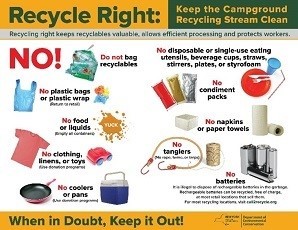
Recycle: When you arrive at the camping site, check what materials are recyclable at the facility and separate recyclables during your trip. Some items should never be put in the recycling bins.
-
Buy Local Firewood: Help stop the spread of invasive pests--and save trees--by following the New York State Firewood Regulation. Check out DEC's website for more information on where to buy local firewood.
-
Don’t Burn Trash: Don’t throw plastic cups, food wrappers, or other trash into a campfire. Plastics release toxic smoke and could pollute the ground and nearby waters.
-
Carpool: Travel with your friends and family in one vehicle instead of taking separate vehicles to decrease carbon emissions. Also, check out New York’s expanding network of electric vehicle (EV) chargers, which are making camping with an EV more practical than ever before.
Want more tips? Check out our sustainable camping video on DEC’s YouTube page. You can also learn more on DEC's website about how to camp and pack sustainably (PDF).
Protect Yourself From Ticks This Summer
It's hard to avoid ticks this time of year if you enjoy being outdoors, but there are steps you can take to protect yourself or find ticks quickly before they can embed in you or your pets. When spending time outside:
- Wear light-colored clothing with a tight weave to spot ticks easily;
- Wear enclosed shoes, long pants, and a long-sleeved shirt. Tuck pant legs into socks or boots, and your shirt into pants;
- Check clothes and any exposed skin frequently for ticks while you are outdoors;
- Consider using insect repellent on your clothing;
- Stay on cleared, well-traveled trails. Walk in the center of trails. Avoid dense woods and bushy areas;
- Keep long hair tied back;
- Bathe or shower as soon as possible after going indoors (preferably within two hours) to wash off and more easily find ticks that may be on you;
- Do a final, full-body tick check at the end of the day (also check children and pets), and remove ticks promptly; and
- Follow your vet's suggestion for regular flea and tick prevention treatment.
Check out DEC's "Be Tick Free" webpage for more information.
While you’re enjoying the outdoors, also keep an eye out for poison ivy. Educate yourself on what this pesky plant looks like, and do your best to avoid coming in contact with it, as it can cause an itchy rash. Visit DEC's website for identification tips and additional information.
Safety & Education
Summer recreation is fun and exciting, but it can also be challenging and dangerous. Whether you’re going for a hike, a bike ride, a paddle, or fishing, Hike Smart NY can help you prepare with a list of 10 essentials, guidance on what to wear, and tips for planning your trip with safety and sustainability in mind.
Pop-up Thunderstorms
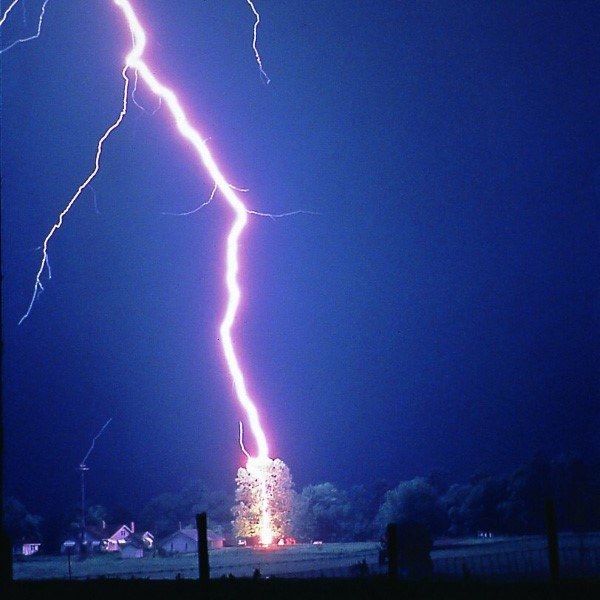 Before every hike you should check the weather for the location you will be visiting. If there are thunderstorms in the forecast for that day or night, change or delay your plans. Do not risk getting caught in a thunderstorm on a mountain trail or a waterbody. Before every hike you should check the weather for the location you will be visiting. If there are thunderstorms in the forecast for that day or night, change or delay your plans. Do not risk getting caught in a thunderstorm on a mountain trail or a waterbody.
Thunderstorms can bring heavy rain, decreased temperatures, strong winds, and lightning. These dangerous conditions are best avoided. That said, sometimes thunderstorms can develop unexpectedly and appear despite a clear forecast. Keep the following in mind to help you avoid pop-up thunderstorms, and stay safe if you do get caught in one:
- Watch for darkening skies, increased winds, lightning flashes, and listen for thunder.
- As soon as you are first aware of an approaching thunderstorm, move to lower elevations or get off the water, and seek shelter.
- Avoid summits and other open areas during thunderstorms.
- If you cannot take shelter indoors, find a low spot away from tall trees. Seek an area of shorter trees and crouch down away from tree trunks.
- Make yourself as short as possible by sitting on your backpack or sleeping pad with your knees flexed. Hug your knees and keep your feet together to minimize the ground effect of a near-by lightning strike.
Nature Notes
Did you Know...
Because light travels through the air roughly a million times faster than sound does, you can use thunder to estimate the distance to lightning. Just count the number of seconds from the time you see a flash until you hear lightning. Sound travels approximately one fifth of a mile per second, so dividing the number of seconds by five gives the number of miles to the flash.
Upcoming Events
Be sure to check out DEC's wide selection of outdoor activities on our events calendar. View the upcoming month or all the planned events available, including public hearings and meetings.
For specific information about upcoming events at DEC’s Environmental Education Centers, see the following links:
Five Rivers Environmental Education Center (Albany County)
Reinstein Woods Nature Preserve & Environmental Education Center (Erie County)
Rogers Environmental Education Center (Chenango County)
Stony Kill Farm Environmental Education Center (Dutchess County)
Check Out Our Facebook Live Events
As always, be sure to visit our Facebook page for updates and to view our Facebook Live offerings. From adventures at fish hatcheries, nighttime hiking, and Q&As about black bears, there is always something to see and learn.
Conservationist
 Can you imagine having to count the fish in the Hudson River? Find out how that’s done – and why – in the June/July Conservationist. You can also read about the 750-mile Empire State Trail that crosses New York State, how DEC Division of Lands and Forests helps manage and protect nearly 19 million acres of New York forests, and some interesting information about beavers. This and more in the latest issue of the Conservationist. Can you imagine having to count the fish in the Hudson River? Find out how that’s done – and why – in the June/July Conservationist. You can also read about the 750-mile Empire State Trail that crosses New York State, how DEC Division of Lands and Forests helps manage and protect nearly 19 million acres of New York forests, and some interesting information about beavers. This and more in the latest issue of the Conservationist.
Subscribe today by visiting DEC's website or calling 1-800-678-6399.
|