Saltwater Fishing & Boating Newsletter
The New York State Department of Environmental Conservation sent this bulletin on 04/29/2021 04:01 PM EDT |
| DEC Delivers - Information to keep you connected and informed from the NYS Department of Environmental Conservation |
| Share or view as a web page || Update preferences or unsubscribe |
Saltwater Fishing & Boating Newsletter |
In This Issue:
Governor Cuomo Announces CARES Act Marine Fisheries Relief
The New York State Marine Fisheries Relief Program assists marine fishing industries and provides critical support for COVID-19 economic recovery. Eligible New York State applicants from seafood, commercial fishing, and marine recreational for-hire fishing businesses have been awarded relief based on reported economic loss experienced in 2020 compared to the previous five years. New York State will be awarded an additional $5.7 million in the coming months, for a total of $12.4 million, distributed through the Marine Fisheries Relief Program, which administers federal funding provided by the Coronavirus Aid, Relief and Economic Security (CARES) Act and the Consolidated Appropriations Act. For more information, visit DEC's website. New Circle Hook Requirement for Striped Bass FishingEffective April 21, 2021, DEC requires anglers to use circle hooks when recreationally fishing for striped bass with bait. This new regulation is a requirement of the Atlantic States Marine Fisheries Commission (ASMFC) Addendum VI to Amendment 6 (PDF) of the Interstate Fishery Management Plan for Atlantic Striped Bass to increase the survival rate of striped bass in the recreational fishery. Check DEC's Recreational Saltwater Fishing Regulations for the current size limits, possession limits, and season dates in effect. 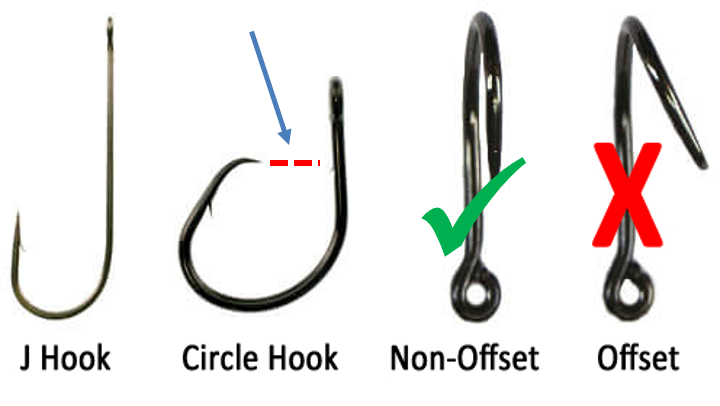
Visit Best Practices for Saltwater Fishing for more information on circle hooks and fish handling tips that help improve survivability. Anglers who fish for striped bass are encouraged to join DEC's Striped Bass Cooperative Anglers Program to provide additional fishing data to help better understand New York's striped bass fishery. (Photo credit: Maryland Department of Natural Resources Circle Hook Example) Report Observations of Marine Fish Kills to DECMortality events, or fish kills, are not unusual for some marine fish species, and there are various naturally occurring causes that are typically responsible for these events, including low dissolved oxygen, changing environmental conditions, and pathogens. 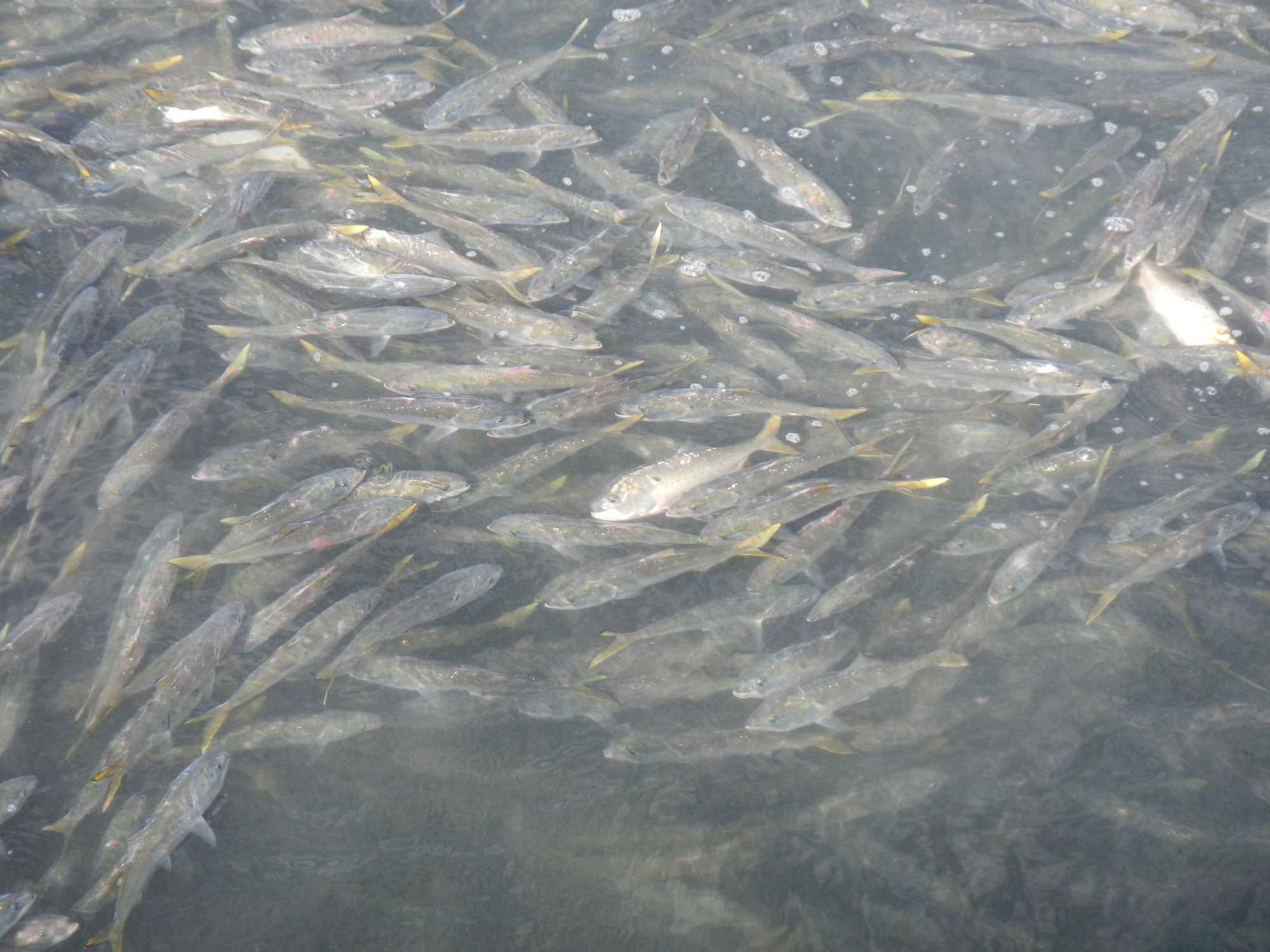
Recently, DEC is receiving and responded to an increased number of reports of Atlantic menhaden (Brevoortia tyrannus) dead or swimming irregularly throughout New York's marine waters, including the Hudson River and around Long Island. DEC and neighboring state agencies have been investigating, monitoring, and tracking this event since Fall of 2020. Investigations of affected fish by NJDEP found internal signs of disease associated with the presence of a Vibrio bacteria in most samples. DEC collected samples of fish found in New York and this week confirmed the presence of the same Vibrio bacteria species in the tissues of the fish. This bacterium is naturally occurring in coastal waters and is attributed as a possible cause of the mortality event. The specific bacterium identified by the DEC and NJDEP is not typically known to be harmful to humans. DEC encourages the public to report observations of a fish kill by sending detailed location information and photos to fishkillmarine@dec.ny.gov. Reports can also be made by calling 631-444-0714 for marine waters or 845-256-3199 on the Hudson River. We continue to work with state and regional partners to further investigate this mortality event. Visit DEC's Marine Life webpage for more information on fish kill events. Commercial Scup Weekly Harvest Program Starts May 1The weekly scup harvest program will run May 1, 2021 through June 15, 2021. The weekly trip limit for scup is set at 4,000 pounds. Eligible applicants must complete and submit the Weekly Scup Registration Form (PDF) to commercial.fisheries@dec.ny.gov by May 31, 2021 to participate in the program. Visit DEC's Special Harvest Programs webpage for additional information and requirements for participating in the Scup Weekly Harvest Program. Proposed Changes to Whelk Harvesting
The proposed regulations and additional information are available on DEC's website. The proposal is available for public comment through June 21, 2021. Written comments on the proposed regulations can be sent to: Kim McKown Suffolk County Commercial Fishing SurveySuffolk County announced the launch of the Long Island Commercial Fishing Survey in partnership with the Suffolk County Department of Economic Development and Planning, New York Sea Grant, Cornell Cooperative Extension Marine Program, and the Long Island Commercial Fishing Association. The survey will help the County develop an up-to-date profile of Long Island commercial fishing, which has been especially hard-hit by the COVID-19 pandemic. The information and data collected through the survey will highlight the needs of local fishermen and women and will guide and assist agencies in providing the resources necessary to continue to support a viable and sustainable fishing industry. The survey will differ from years prior by including targeted questions about how the COVID-19 pandemic has affected commercial fishermen and women on Long Island. The survey will include questions on the profitability of the industry over the last year and moving forward, questions on revenues over the last year, and changes to the business model over the last year, among others. To Complete the survey now. Protect Diamondback Terrapins with Excluder Devices
To help protect terrapins, Terrapin Excluder Devices (TEDs) measuring 4-3/4" x 1-3/4", are required on non-collapsible commercial and recreational crab pots set in near-shore harbors, creeks, coves, rivers, and tributaries in New York's Marine and Coastal District. TEDs work by stopping most terrapins from entering crab pots while still allowing crabs through. Watch The Nature Conservancy’s video to learn how TEDs work. An interactive map of water bodies that require TEDs is available for your reference. A small number of TEDs are available to crab pot anglers on a first-come/first-served basis at no cost. Please contact us at 631-444-0444 or NYBlueCrab@dec.ny.gov for more information. Visit Crabbing in New York for more information about recreational and commercial crabbing. Upcoming MeetingsASMFC Spring Meeting Webinar
|
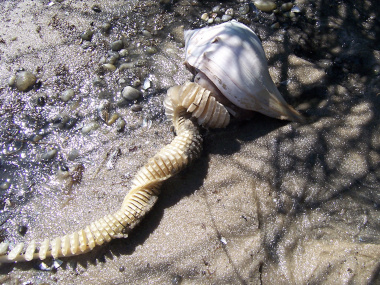 DEC announced
 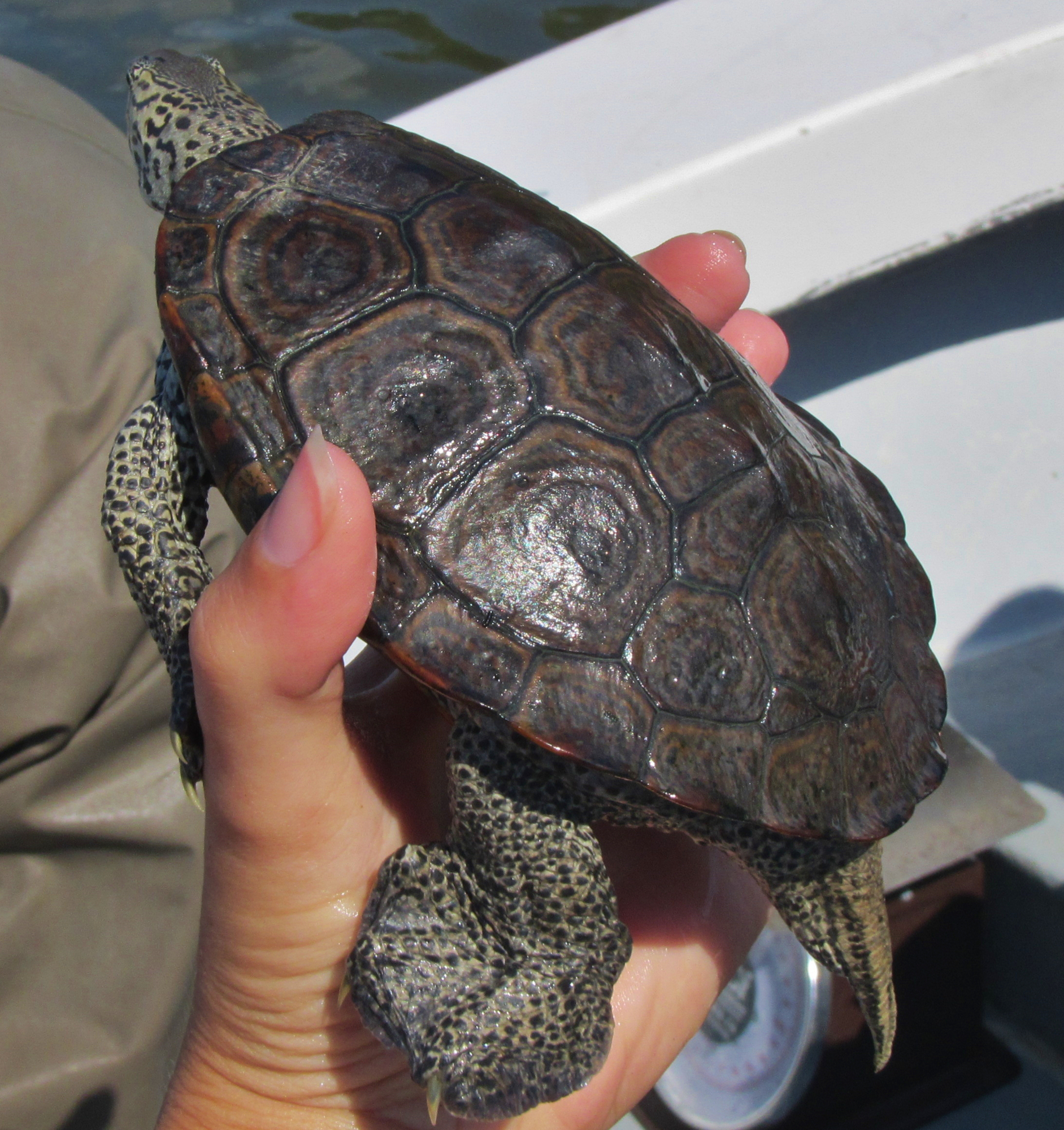 Diamondback terrapins (Malaclemys terrapin) are found in bays and estuaries of the marine district. Terrapins, like all turtles, breathe air. Like crabs, they are enticed by bait used in crab pots and enter the trap in the same way. Unfortunately, unlike crabs, when terrapins can’t escape a trap, they can’t return to the surface for oxygen and will ultimately drown.
|
The New York State Department of Environmental Conservation respects your right to privacy and welcomes your feedback | Update preferences or unsubscribe | Learn more about DEC Delivers |
|
Connect with DEC:    
|
|
| Basil Seggos, Commissioner | |