Earth Day is Every Day - Air Mail!
The New York State Department of Environmental Conservation sent this bulletin on 04/16/2021 10:10 AM EDT |
| DEC Delivers - Information to keep you connected and informed from the NYS Department of Environmental Conservation |
| Share or view as a web page || Update preferences or unsubscribe |
This Month's Topics: |
Public & Stakeholder Participation Information:
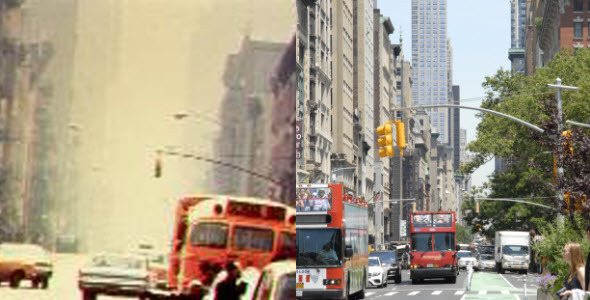
Additional information and access to past announcements are on our Public & Stakeholder Participation Information page. Air Mail! is the publication to announce public and stakeholder information about air quality topics. All NYS residents are environmental stakeholders – we welcome anyone to join the information sessions and other opportunities posted here. Pledge to Reduce Pollution this Earth DayEvery year on April 22, New Yorkers everywhere celebrate Earth Day to raise awareness about the importance of environmental protection. Since its inception in 1970, there have been many positive actions taken as a result, including improved air quality. The first Earth Day encouraged Congress to pass the landmark Clean Air Act the same year, which over decades has led to enormous reductions in all categories of air pollutants. Vehicles in the US today are almost 99 percent cleaner than those from the 1970s, with reduced carbon monoxide, nitrogen oxide, and particulate emissions. Vehicle fuels are also much cleaner after the elimination of lead in gasoline and reductions of sulfur levels in fuel, resulting in clearer skies and healthier children.
This Earth Day, pledge to improve your neighborhood's air quality for the health of your loved ones and protect the environment from harmful pollution. Here are some tips to help you:
Visit DEC's website for more ideas on how you can keep our air clean. Earth Day can be every day. Photo Captions: Left: A view of a busy NYC street corridor with buildings blotted out by heavy pollution, circa early 1970. Right: A view of a bustling NYC street corridor on a clear, sunny mid-summer day in 2017. Nitrogen Pollution: Too Much of a Good ThingWhen air and water meet, such as when it rains, air pollution can easily turn into water pollution. Our waterways can receive a lot of pollution this way from both rain and run-off. Air pollution can damage fragile aquatic ecosystems, with one of the most harmful pollutants being nitrogen. Although nitrogen is a vital nutrient for all living things, including aquatic plants, too much of it does more harm than good. Emissions from burning fossil fuels in vehicles and power plants are sources of atmospheric nitrogen that can end up in our water. An overabundance of nutrients, such as phosphorus and nitrogen, in marine and freshwater ecosystems can lead to an increase in harmful algal blooms (HABs). In addition to air pollution, other potential sources of nutrients to waterbodies may come from stormwater runoff, agricultural runoff, urban land runoff, point sources, streambank erosion, road ditches, and septic systems. Most algae are harmless and are an essential part of the food web, but some species of algae can produce toxins that can be harmful to people and animals. Warm temperatures, with high levels of nutrients in the water, and sunny, calm days are some of the conditions that may lead to an overgrowth of algae. When it comes to HABs, DEC encourages New Yorkers to "KNOW IT, AVOID IT, REPORT IT."
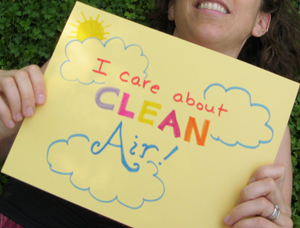
Photo Captions: Top; Harmful algal blooms (HABs) are caused by an overabundance of nutrients such as nitrogen, causing toxic algal to grow out of control. This HAB occurred in NYC’s Central Park Lake in Manhattan. Bottom; When buying fertilizer look for the “zero” to prevent water pollution. We Care About Clean AirDEC is once again celebrating Air Quality Awareness Week from May 3 to 7, 2021. This year’s theme is “Healthy Air - Important for Everyone.” Connect with us on Twitter, Facebook, and Instagram to learn more about ways to protect our air and environment. You can also check out our interactive map to check the air quality in your area. As the warm summer weather invites us outdoors more, remember to check the AQI forecast and recognize the importance of air quality on your health. Helpful Links:
Dates to Remember
Stay Informed about Your Air QualityNYS' ozone season runs from April through September. DEC publishes ground-level ozone forecasts during ozone season and particulate matter pollution forecasts year-round using a scale called the Air Quality Index (AQI). DEC sends out an air quality alert when there is a high AQI value, which indicates polluted air. Individuals with pre-existing respiratory or cardiovascular conditions, and people who exercise outdoors should take caution during an air quality alert. Find out if an Air Quality Alert is in effect by calling the toll-free Ozone Hotline: 1-800-535-1345. The AQI can be accessed in three ways:
We would like to know what you think. Please send your Air Mail! questions or comments to us at DAR.web@dec.ny.gov. |
 KNOW IT - HABs vary in appearance in the water from scattered green dots to long, linear green streaks, pea soup, or spilled green paint, to blue-green or white coloration.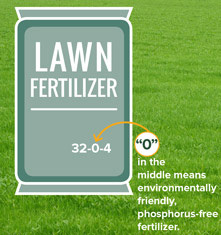
 Celebrate with others across the country by learning more about air quality and its impacts on you, your family, and the environment. Take steps to
|
The New York State Department of Environmental Conservation respects your right to privacy and welcomes your feedback | Update preferences or unsubscribe | Learn more about DEC Delivers |
|
Connect with DEC:    
|
|
| Basil Seggos, Commissioner | |