|
This bulletin provides only the most recent notices. Check the Adirondack Backcountry Information webpages for more detailed information on access, outdoor recreation infrastructure, and conditions.
Emergency Situations: If you get lost or injured; keep calm and stay put. If you have cell service, call 911 or the DEC Forest Ranger Emergency Dispatch, 518-891-0235.
Welcome to the Adirondacks. The Welcome to the Adirondacks webpage is the place to go if you are interested in learning more about the Adirondacks. It provides information about the Forest Preserve, conservation easement lands, outdoor recreation, and Leave No Trace.
Recreation Highlight: Early Season Muddy Trails Advisory for Adirondacks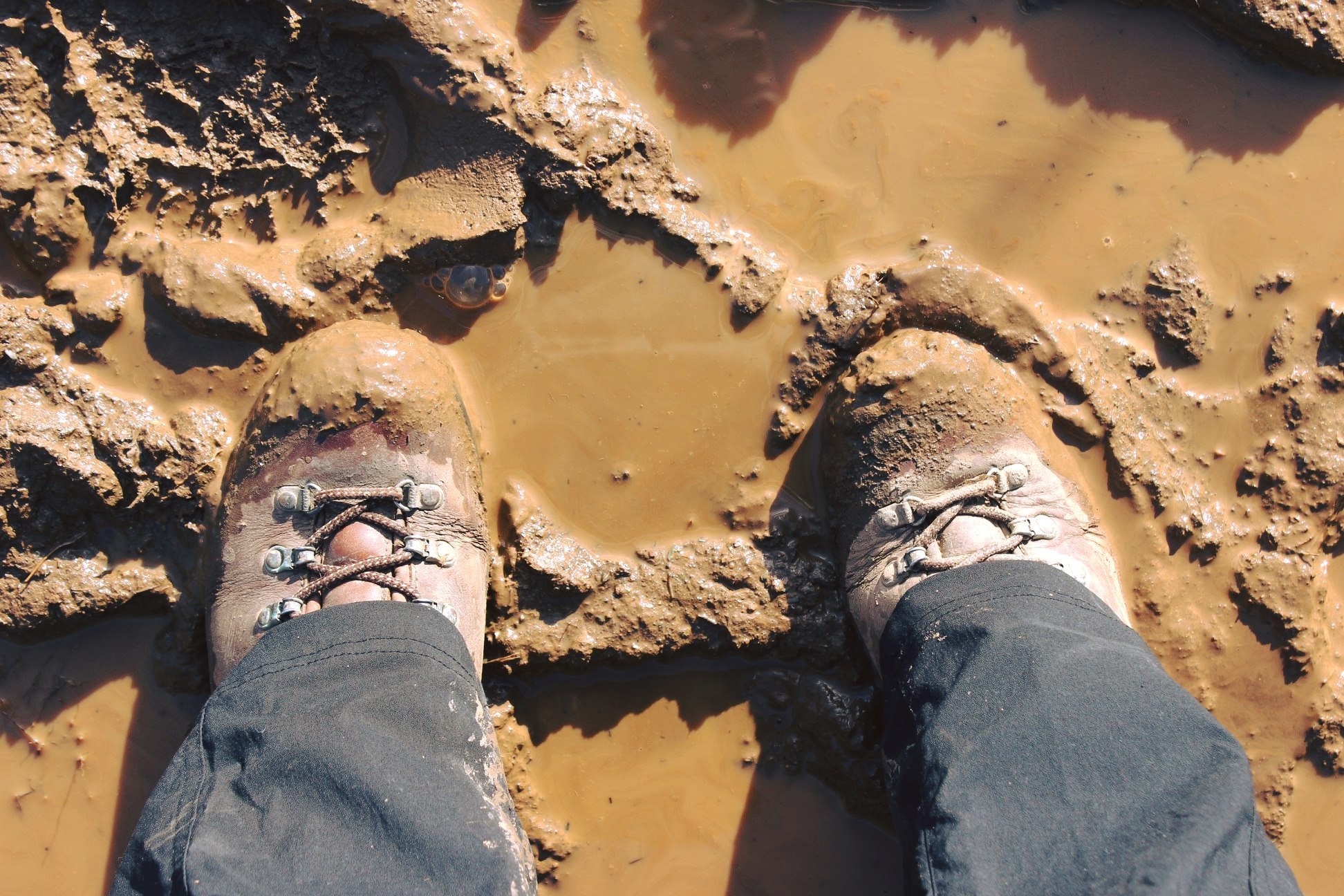
DEC has released an early season muddy trails advisory urging hikers to postpone hikes on trails above 2,500 feet until high elevation trails have dried and hardened. As snow and ice continue to melt at high elevations, steep trails can pose a danger due to thick ice and deep, rotten snow. Thin soils are susceptible to erosion and sensitive alpine vegetation can be easily damaged.
Despite recent warm weather, high elevation trails are still covered in slowly melting ice and snow. The remaining compacted ice and snow on trails is rotten, slippery, and will not reliably support weight. These conditions, known as "monorails," are difficult to hike and the adjacent rotten snow is particularly prone to postholing.
Take extreme caution on low elevation trails and expect variable conditions including thick mud, flooded areas, and deep slushy snow. Backcountry streams are prone to high waters and flooding due to melting snow from high elevations mixing with spring rainfall. Do not attempt stream crossings during periods of high, fast moving water. The stream water is very cold and falling in can lead to immediate hypothermia.
Avoiding high elevation trails during the Muddy Trail Advisory helps to alleviate impacts to the trail tread due to erosion and protects alpine vegetation. When encountering mud on low elevation trails, walk through the mud instead of around it to help reduce trail widening and minimize damage to trailside vegetation. Until conditions improve, explore lower elevation trails close to home and enjoy other forms of recreation. Visit the DEC website for a list of hikes in the Adirondacks below 2,500 feet.
NYSDEC & AMR Pilot Reservation System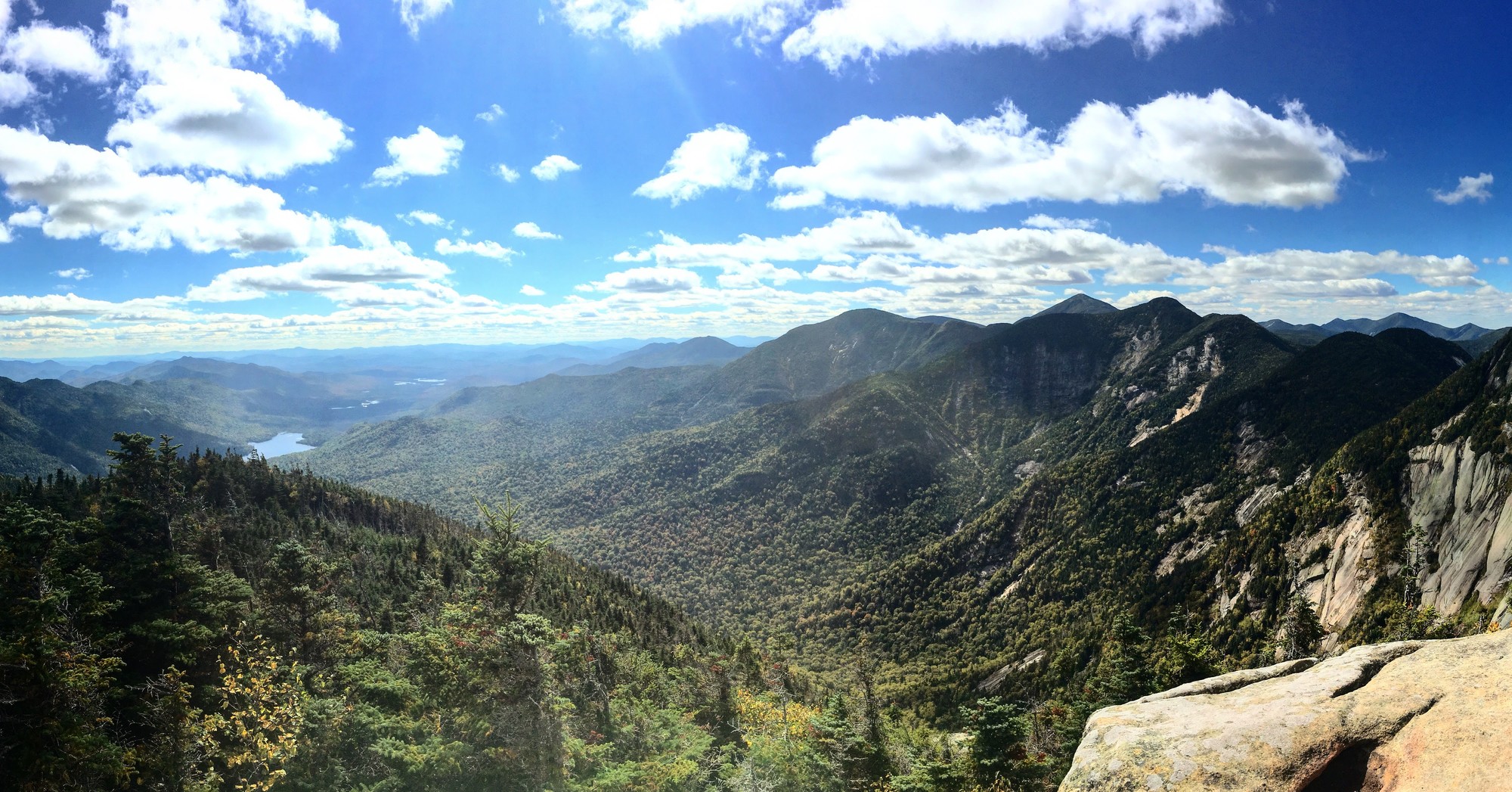
DEC and the Adirondack Mountain Reserve (AMR) have launched a no-cost pilot reservation system to address public safety at a heavily traveled stretch on Route 73 in the town of Keene in the Adirondack High Peaks.
The Adirondack Mountain Reserve is a privately owned 7,000-acre land parcel located in the Town of Keene Valley that allows for limited public access through a conservation easement agreement with DEC.
The pilot reservation system does not apply to other areas in the Adirondack Park. The reservation system, operated by AMR, will facilitate safer public access to trailheads through the AMR gate and for Noonmark and Round mountains and improve visitors' trip planning and preparation by ensuring they have guaranteed parking upon arrival. In recent years pedestrian traffic, illegal parking, and roadside stopping along Route 73 have created a dangerous environment for hikers and motorists alike.
These no-cost reservations will be required May 1 through Oct. 1, 2021. Reservations will be required for parking, daily access, and overnight access to these specific trails. Visitors can make reservations beginning April 15 at www.hikeamr.org. Walk-in users without a reservation will not be permitted.
- There is no cost associated with making a reservation.
- Those arriving to Keene Valley via Greyhound or Trailways bus lines may present a valid bus ticket from within 24 hours of arrival to the AMR parking lot attendant in lieu of a reservation.
- Those being dropped off or arriving by bicycle must check in at the AMR Hiker Parking Lot and produce a valid reservation.
- The AMR parking lot is only accessible between the hours of 5 a.m. and 7 p.m. daily, except for overnight parking.
- Walk or bike in users with a reservation who arrive before 5 am will be asked to provide their reservation upon exit of the AMR gate.
- Bike racks and portable restrooms are available at the parking lot.
- Residents of Keene and Keene Valley will retain the same local privileges as in years past. Please contact AMR directly for more information.
The pilot reservation system complements the comprehensive state and local efforts underway to reduce dangerous and illegal parking in the vicinity of AMR, including variable electronic message boards and signage, outreach and education, and increased law enforcement presence and parking enforcement.
For a list of frequently asked questions and answers, please visit hikeamr.org.
Recent Notices
The following are the most recent notices pertaining to public lands in the Adirondacks. Please check the Adirondack Backcountry Information webpages for comprehensive and up-to-date information on seasonal road statuses, rock climbing closures, specific trail conditions, and other pertinent information.
NEW:
High Peaks Wilderness:
-
Colden Caretaker Report 03/31/21: Approximately 2 feet of snow remains at the Colden Caretaker cabin and 3-4 feet of snow remains on summits. Snowshoes are still required. Lakes, including Avalanche Lake and Lake Colden, are no longer safe to cross.
Lake George Wild Forest:
-
Shelving Rock Road has re-opened. Dacy Clearing Road will be closed for the remainder of the spring mud season.
- The gate for Jabe Pond Road in Hague is closed for mud season.
- The gate for Lily Pond Road in Horicon is closed for mud season.
- The gate for Palmer Pond is closed for mud season.
Ferris Lake Wild Forest: The Mud Pond trail gate off Billy Hamlin Rd is closed.
John Brown Tract Conservation Easement: The snowmobile trail gate near the Gull Lake Trailhead is closed for mud season.
LAST WEEK:
Northern Adirondacks: Heavy rainfall last week combined with continued snowmelt swelling rivers and waterways. Use extreme caution when driving or walking near waterways and at water crossings.
Saranac Lakes Wild Forest: All snowmobile trail gates in the unit will be closed this week.
Debar Mountain Wild Forest: All snowmobile trail gates in the unit will be closed this week.
Sable Highlands CE/Chateaugay Woodlands:
- The gates at both ends of Liberty Road are closed for mud season.
- The gate on Cobble Hill Road is closed for mud season.
Kings Bay Wildlife Management Area: The gate that provides winter access for ice fishing on Catfish Bay has been closed for the season.
Perkins Clearing Conservation Easement: The gates on Perkins Clearing Road and Jessup River Road are now locked for mud season. These gates typically re-open in late May.
Essex Chain Lakes Complex: Snowmobile trail C8A is now closed for the season.
Independence River Wild Forest: All snowmobile trail gates in the unit will be closed this week, including those on the Three Lakes Conservation Easement.
Watson’s East Triangle Wild Forest: All snowmobile trail gates in the unit will be closed this week, including those on the Croghan and Oswegatchie Conservation Easements.
Black River Wild Forest: Gates providing access to the following roads and trails have been closed for the spring mud season:
- Bisby Road, Nicks Lake Trail
- Wolf Landing Road, McKeever Trail Head
- Wolf Landing Road and Big Woodhull Trail intersection
- Otter Lake connector (two gates)
- Brandy Lake trailheads (two gates)
- Bear Creek Rd trailhead
- Chub Pond trailhead
- Mill Creek Rd/Big Woodhull Trail intersection
General Notices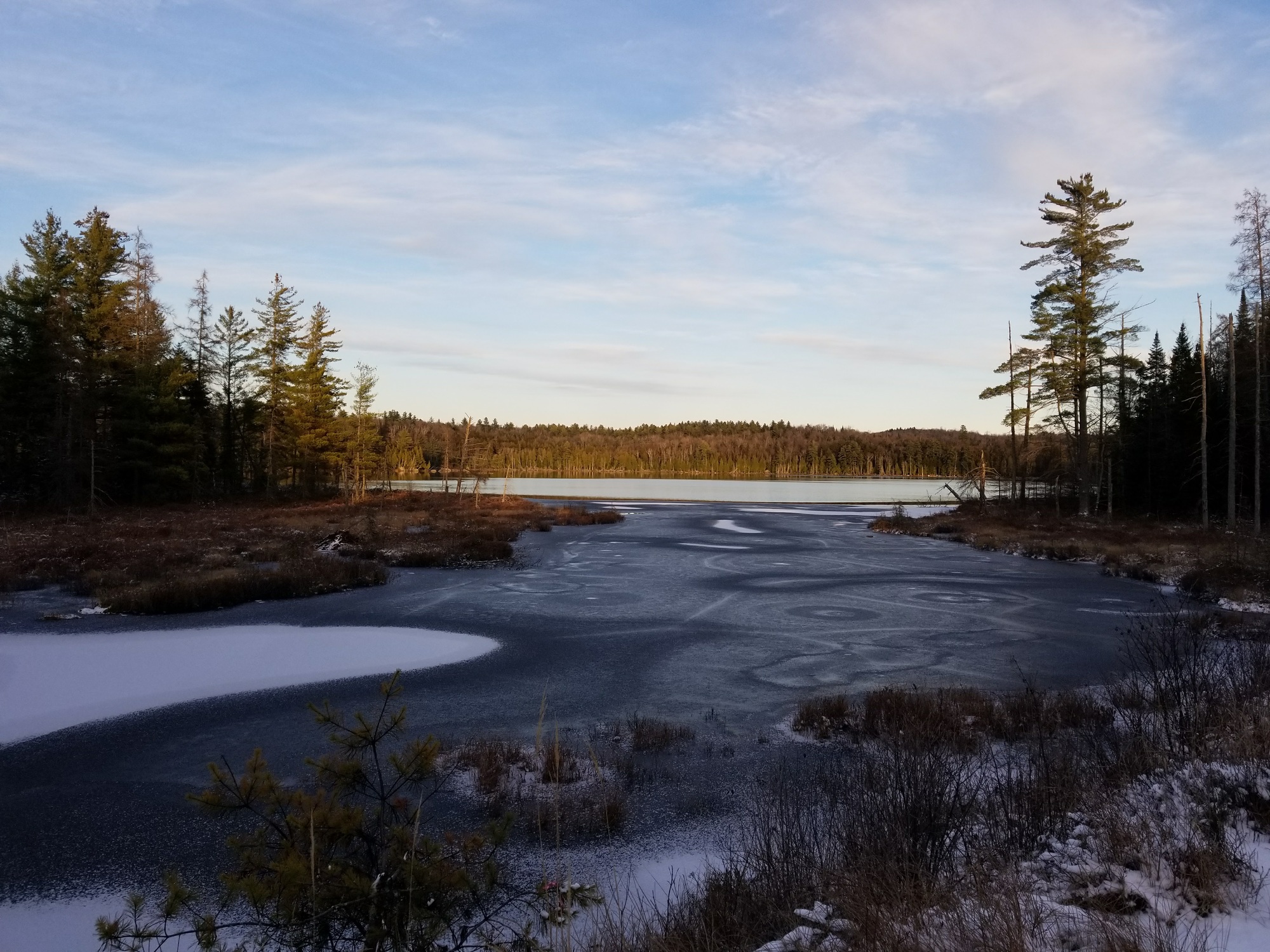
Visit the main Adirondack Backcountry Information page for more trip-planning resources, including travel information, weather resources, and seasonally-specific information about Adirondack recreation.
Winter Conditions: Check the forecast for your destination and pack and plan accordingly. Conditions will be more severe on summits, with freezing temperatures, snow, ice, and strong winds. Take wind chill into consideration when preparing for temperatures. Check the National Weather Service Northern Adirondacks and Southern Adirondacks Mountain Point Forecasts for selected summits.
Prepare for Variable Conditions: Warm, wet conditions at base elevations will give way to freezing temperatures, deep snow, and thick ice at higher elevations. Be prepared for all conditions with appropriate gear and extra clothing. Change out of wet clothes to prevent hypothermia. Temperatures will fluctuate throughout the day. Freezing temperatures at night will create more ice and form a hard crust on deep snow.
Water Levels: Streams and rivers are open and running high. Use caution at crossings and on trails along fast-flowing brooks and rivers. Where bridges are not available, do not attempt stream crossings during periods of high, fast moving water. The stream water is very cold and falling in can lead to immediate hypothermia.
Ice Safety: Ice is thin on most water bodies and should no longer be considered safe. As temperatures warm and ice continues to melt, use extreme caution, especially at outlets. Learn more about ice safety.
Seasonal Access Roads: Many seasonal access roads that have been closed for the winter season will remain closed until the end of spring mud season. Check the Adirondack Backcountry Information pages for updates on specific road closures and openings.
Prevent the Spread of COVID-19: COVID-19 continues to spread throughout New York State, including in the Adirondacks. Help prevent the spread and keep yourself safe by continuing to Play Smart, Play Safe, Play Local.
Safety & Education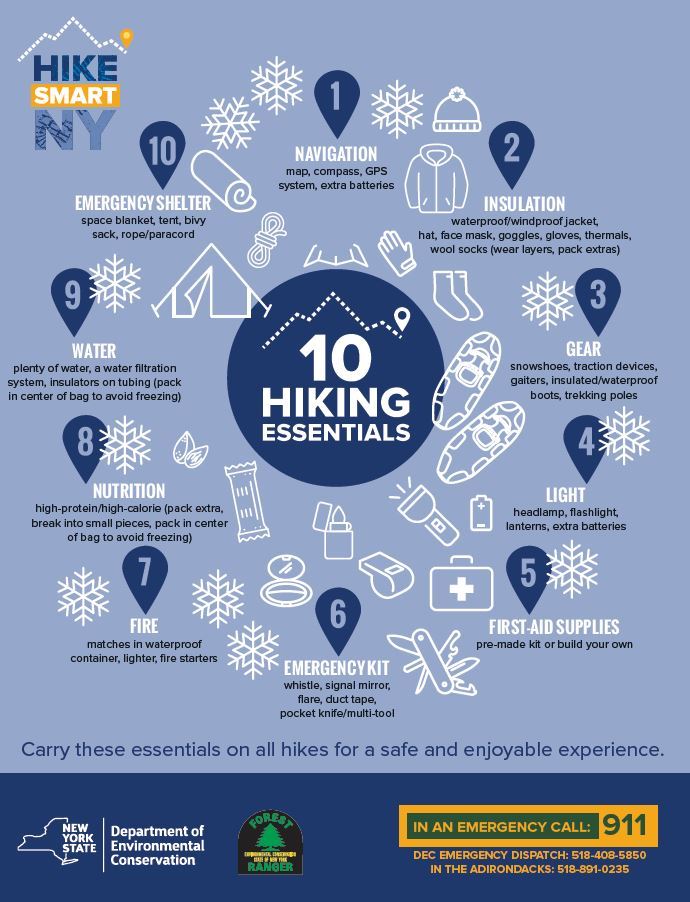
Spring recreation is fun and exciting. It can also be challenging and dangerous. Whether you’re going for a hike, a ski, snowmobiling or ice fishing, Hike Smart NY can help you prepare with a list of 10 essentials, guidance on what to wear, and tips for planning your trip with safety and sustainability in mind.
Safety Tips for Spring Hikes
Spring is in full swing, and so are the challenging conditions that come with the changing of the seasons. Before you head out for a springtime adventure, check out these seasonally-specific safety tips:
-
Stay Low: Stick to flatter, low elevation trails. As snow and ice continue to melt at high elevations, steep trails can pose a danger due to thick ice and deep, rotten snow. The remaining compacted ice and snow on trails is slippery and will not reliably support weight. These conditions, known as "monorails," are difficult to hike and the adjacent rotten snow is particularly prone to postholing.
-
Avoid Water Crossings: Backcountry streams are prone to high waters and flooding due to melting snow from high elevations mixing with spring rainfall. Do not attempt stream crossings during periods of high, fast moving water. Be careful walking beside waterways. The stream water is very cold and falling in can lead to immediate hypothermia.
-
Be Prepared for Variable Conditions: Even on low elevation trails, expect and prepare for variable conditions including thick mud, flooded areas, and deep slushy snow. Wear waterproof boots, wool socks, and bring several extra pairs of socks so you can change and keep your feet warm and dry. Wear gaiters to help keep your lower legs and feet dry. If you get wet, change into dry clothes to avoid hypothermia.
Leave No Trace
Follow the Seven Principles of Leave No Trace to maintain minimal impact on the environment and the natural resources of the Adirondacks. Use proper trail etiquette to ensure an enjoyable experience for yourself and others and tread lightly!
Leave No Trace Tech Tips
Leave No Trace education doesn’t need to be long-winded – sometimes all you need is a quick tech tip! Now through July we will be featuring a weekly Leave No Trace Tech Tip. These bite-sized bits of Leave No Trace knowledge provide handy reminders and easy-to-digest new information to help you leave even less trace this upcoming recreation season.
Tech Tip #1 – Refuse the Makeover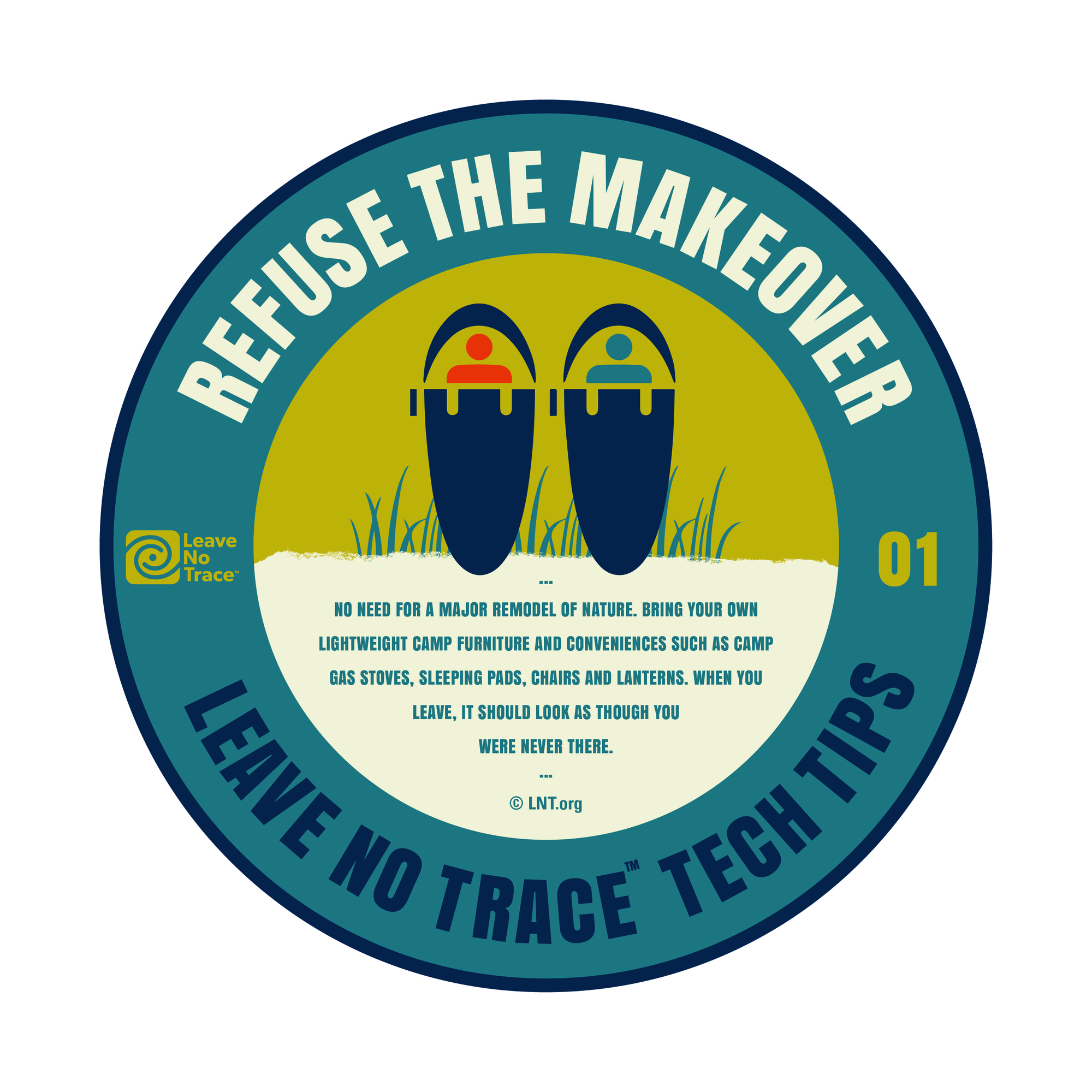
There is no need for a major remodel of nature. When you go camping, bring your own lightweight camp furniture and conveniences such as camp gas stoves, sleeping pads, chairs and lanterns. By bringing your own you can avoid repurposing natural materials for your personal use. When you leave, take everything you brought with you – it should look as though you were never there.
|