Saltwater Fishing & Boating Newsletter
The New York State Department of Environmental Conservation sent this bulletin on 03/11/2021 12:50 PM EST |
| DEC Delivers - Information to keep you connected and informed from the NYS Department of Environmental Conservation |
| Share or view as a web page || Update preferences or unsubscribe |
Saltwater Fishing & Boating Newsletter |
In This Issue:
Commercial Striped Bass Permit Holder Deadline April 15New York State commercial striped bass permit holders must apply for their Food Fish License and Striped Bass Permit by April 15. Permit holders who don't apply before this deadline will not receive their Striped Bass permit or any tags for 2021. If you have questions, contact the Marine Permit Office (MPO) by calling 631-444-0470 or send an email to MPO@dec.ny.gov. Register for New York's Recreational Marine Fishing Registry
Also, be sure to check New York's Recreational Saltwater Fishing Regulations for the current open size and regulations before you head out for your next fishing trip. Visit DEC's website for more information on Saltwater Fishing. Volunteer to Become a Striped Bass Cooperative AnglerDEC is seeking participants to join the Striped Bass Cooperative Angler (SBCA) Program to help biologists understand and maintain a healthy striped bass population. Atlantic States Marine Fisheries Commission (ASMFC) requires New York State to provide catch information from its recreational fishery to manage this species. Volunteer anglers play a crucial role in helping DEC satisfy this requirement, and all anglers who fish for striped bass are invited to participate.
Anglers who fish for striped bass in New York's marine waters south of the George Washington Bridge should contact the Diadromous Fish Unit at sbcaprogram@dec.ny.gov or visit DEC's Striped Bass Cooperative Anglers. In marine waters, the recreational slot limit is 28 - 35 inches (not less than 28 inches nor greater than 35 inches) and the season is open April 15 through Dec. 15. Get Involved in Marine Resources Citizen Science ProjectsDEC offers a variety of citizen science opportunities for community members to participate in marine science research and conservation efforts. Participating in citizen science programs offers hands-on experiences in data collection and research methods while providing DEC biologists with essential data to better conserve New York's marine life. Learn more about the various opportunities below and how to participate! Flipper Files: A Marine Mammal and Sea Turtle Sighting Survey 
Dolphins, whales, seals, and sea turtles are some of the most exciting marine life to observe along New York's coasts. Report your sightings of these animals using DEC's Flipper Files digital survey from a smartphone or computer. The details provided from your sightings help DEC better understand marine protected species and human interactions in New York and further expands data of local marine mammal and sea turtle habitat use and behavior. River Herring and American Eel Monitoring DEC works with Peconic Estuary Partnership (PEP), Seatuck Environmental Association, Long Island Sound Study (LISS), and volunteers to monitor local waterways for river herring and American eels. Long Island’s rivers & streams provide vital habitat for river herring and juvenile American eels, but habitat loss due to the construction of dams, bycatch, overfishing, and declining water quality have impacted their numbers. Visit Seatuck's website to learn more about the online survey and how you can help volunteer.
The Artificial Reef Program is looking for volunteer anglers and divers to record and share their catches and marine life observations while visiting New York's artificial reefs. This data is used to enhance fishing and diving opportunities in New York's marine waters by creating more effective reefs in the future. If you visit one of New York's artificial reefs, submit your observations using the Artificial Reef Volunteer Fishing & Diving Survey. Before visiting a reef, be sure to check out DEC's Artificial Reef Guide (PDF) and Artificial Reef Interactive Map. Atlantic Sturgeon Salvage Program Atlantic sturgeon are anadromous, meaning they're born in freshwater and spend the majority of their lives in the ocean but return to freshwater regions to spawn. Sturgeons are particularly vulnerable to being caught as bycatch in commercial fisheries or vessel strikes. Sturgeon may wash up on Long Island beaches or in the Hudson River region, and DEC asks individuals to report any sturgeon they may come across.
Upcoming Marine Fishery MeetingsASMFC Atlantic Striped Bass Management Board Webinar (PDF)
Marine Resources Advisory Council Meeting
ASMFC New York Public Hearings on Atlantic Striped Bass Draft Amendment 7 Public Information Document (PDF)
MAFMC and ASMFC to Hold Public Hearings for Bluefish Allocation and Rebuilding Amendment
MAFMC Virtual Summer Flounder Management Strategy Evaluation (MSE) Workshops Wednesday, March 31, 2021; 5:30 P.M. – 8:00 P.M
|
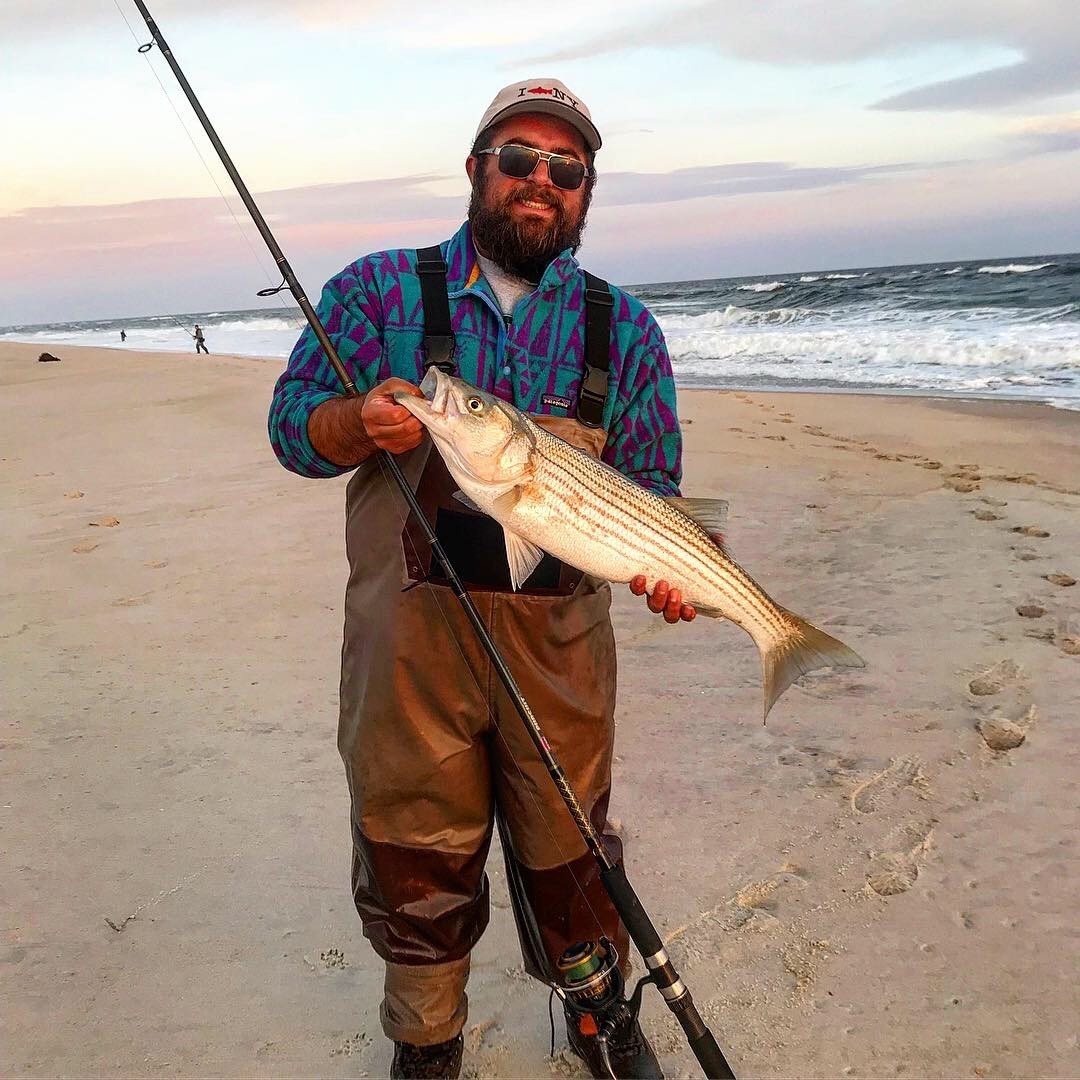 Before going fishing in New York's marine waters, anglers 16 years and older must enroll in the no-fee
  Anglers who fish for striped bass north of the George Washington Bridge in the tidal Hudson River should email
|
The New York State Department of Environmental Conservation respects your right to privacy and welcomes your feedback | Update preferences or unsubscribe | Learn more about DEC Delivers |
|
Connect with DEC:    
|
|
| Basil Seggos, Commissioner | |