New Climate Smart Videos; Women in Science Webinar; Critical Environmental Areas Webinar
The New York State Department of Environmental Conservation sent this bulletin on 03/09/2021 09:58 AM EST |
| DEC Delivers - Information to keep you connected and informed from the NYS Department of Environmental Conservation |
| Share or view as a web page || Update preferences or unsubscribe |
Hudson RiverNet
|
In This Issue
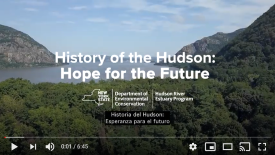
Develop A Climate Resilience VisionWaterfront communities on the tidal Hudson face rising sea-levels and flood-risk for important infrastructure, homes, and businesses. While it may seem daunting to plan for, or even imagine a future that adapts to these climate threats, history teaches that big change is possible. Watch two short videos on the history and future of the Hudson. The videos promote a key Climate Smart Communities step in developing a climate adaptation plan: Create a community-developed climate adaptation and resilience vision. The videos are available with both English and Spanish subtitles. History of the Hudson: Hope for the Future
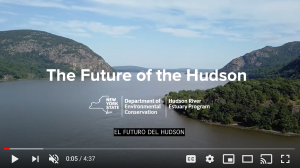
Future of the Hudson: Develop A Climate Resilience Vision
The Climate Resilience videos are designed to show communities how they can adapt to climate change while prioritizing ecological and social resiliency. Watch other videos in the series on DEC's website, Climate-Adapted Communities in the Hudson River Estuary. The Billion Oyster Project: Join the Women in Science Webinar March 10
Critical Environmental Areas Webinar March 23
This webinar will provide an overview of what CEAs are, what kinds of places might merit CEA designation, how they are used in land-use planning and decision-making, and how to establish them. Guest speakers from the towns of Bedford and Hyde Park will share their experiences with CEA establishment and application in project reviews. The webinar takes place Tuesday, March 23, 1:00 - 2:15 p.m. Register now. Webinar attendees will receive an email confirming attendance, which may be submitted locally for 1.25 hours of municipal planning or zoning board credit. Learn more about the Conservation and Land Use Webinar Series. (Photo by Laura Heady) |
 Join Ann Fraioli as she shares her journey to her job as education director at the
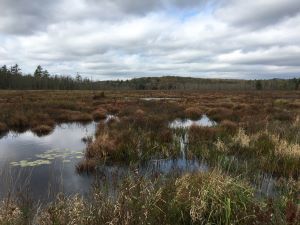 New York communities may designate geographic areas with exceptional or unique environmental characteristics as Critical Environmental Areas (CEAs) under State Environmental Quality Review (SEQR) regulations. Once a CEA is formally established, lead agencies in environmental reviews must consider potential impacts of proposed development on the special qualities of the CEA, bringing attention to important local features that might otherwise be overlooked. Hudson Valley communities have designated CEAs to recognize important aquifers and drinking water reservoirs, stream corridors and watersheds, significant habitats, wetland complexes, ridgelines, parks and preserves, and scenic areas.
|
The New York State Department of Environmental Conservation respects your right to privacy and welcomes your feedback | Update preferences or unsubscribe | Learn more about DEC Delivers |
|
Connect with DEC:    
|
|
| Basil Seggos, Commissioner | |