
DEC Adirondack Outdoor Recreation Bulletin
The New York State Department of Environmental Conservation sent this bulletin on 01/21/2021 04:41 PM EST |
| DEC Delivers - Information to keep you connected and informed from the NYS Department of Environmental Conservation |
| Share or view as a web page || Update preferences or unsubscribe |
DEC Adirondack Outdoor Recreation BulletinJanuary 21, 2021 |
|
This bulletin provides only the most recent notices. Check the Adirondack Backcountry Information webpages for more detailed information on access, outdoor recreation infrastructure, and conditions. Emergency Situations: If you get lost or injured; keep calm and stay put. If you have cell service, call 911 or the DEC Forest Ranger Emergency Dispatch, 518-891-0235. Welcome to the Adirondacks. The Welcome to the Adirondacks webpage is the place to go if you are interested in learning more about the Adirondacks. It provides information about the Forest Preserve, conservation easement lands, outdoor recreation, and Leave No Trace. Recreation Highlight: Winter Tracking
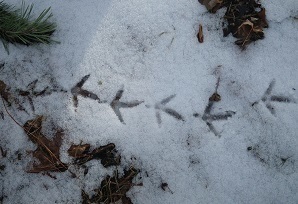
Now is a great time to search for winter tracks (PDF) or other animal signs visible in the snow. It can be fun to be a detective and figure out what animals have been walking through your yard or across a trail. Here are a few tips to get you started:
Find out more in the Become a Winter Wildlife Detective (PDF) issue of Conservationist for Kids. In case you missed it, check out the recent Winter Wildlife Tracks and Scat Identification Video on DEC’s Facebook page. Photo by Sandy Van Vranken. Recent NoticesThe following are the most recent notices pertaining to public lands in the Adirondacks. Please check the Adirondack Backcountry Information webpages for comprehensive and up-to-date information on seasonal road statuses, rock climbing closures, specific trail conditions, and other pertinent information. New High Peaks Wilderness:
Debar Mountain Wild Forest and Madawaska Flow/Quebec Brook Primitive Area: The gates on Snowmobile Trail C8 are now open. The Madawaska trails, including Blue Mt. Road gates and trails, are open and groomed. The Meacham Lake to Debar Meadow/Hatch Brook gate on County Route 26 is also open and the trail groomed. Last Week Perkins Clearing/Speculator Tree Farm Easement:
Saranac Lakes Wild Forest:
Vanderwhacker Wild Forest: Snowmobile Trail C8A is open from the gate at Lake Harris through to Indian Lake. Snowpack is inconsistent and thin but rideable. General Notices
Visit the main Adirondack Backcountry Information page for more trip-planning resources, including travel information, weather resources, and seasonally-specific information about Adirondack recreation. Winter Conditions: Check the forecast for your destination and pack and plan accordingly. Conditions will be more severe on summits, with below freezing temperatures, snow, ice, and strong winds possible. Take wind chill into consideration when preparing for temperatures. Check the National Weather Service Northern Adirondacks and Southern Adirondacks Mountain Point Forecasts for selected summits. Snow Accumulation: The following provides current snowpack depths in inches as of 01/19/21 at a selection of Adirondack locations. Snow accumulation data is collected every other week. Additional data and interactive maps are available on the National Weather Service website.
Ice Safety: A minimum of three to four inches of solid ice is the general rule for safety. Ice thickness, however, is not uniform on any body of water. Learn more about ice safety. Snowmobiling: Check local club, county, and state webpages and resources, including the NYSSA Snowmobile Webmap, for up-to-date snowmobile trail information. Seasonal Access Roads: Most seasonal access roads have closed for the winter season. Check the Adirondack Backcountry Information pages for updates on specific road closures. Some roads may remain open if conditions allow. Prevent the Spread of COVID-19: New cases of COVID-19 are on the rise throughout New York State, including in the Adirondacks. Help prevent the spread and keep yourself safe by continuing to Play Smart, Play Safe, Play Local. Safety & Education
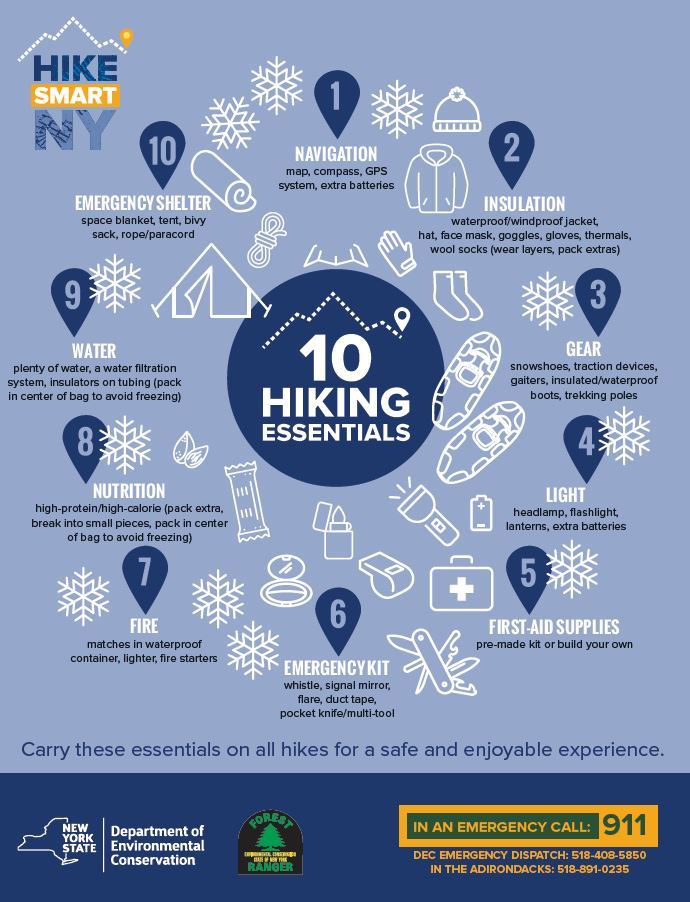
Winter recreation is fun and exciting. It can also be challenging and dangerous. Whether you’re going for a hike, a ski, snowmobiling or ice fishing, Hike Smart NY can help you prepare with a list of 10 essentials, guidance on what to wear, and tips for planning your trip with safety and sustainability in mind. Decoding Traction Devices Bringing and wearing proper foot traction is key to a safe and successful winter hike. But with so many options out there, knowing which traction is right for what conditions can be difficult. To help you prepare for your next winter adventure, here’s a quick guide to foot traction devices:
One of the most important things to know when it comes to foot traction is that practice makes perfect. Getting snowshoes, microspikes and crampons on can be difficult. Walking with metal spikes on your feet might not feel natural. Practice putting on your gear and using it in a safe, controlled, and familiar environment before you need to rely on it for safety in the backcountry. It’s also important to remember that even the best gear does you no good in your bag. Stop as many times as is necessary along the trail to put on or change gear to ensure you are wearing the right traction for the conditions at all times. Leave No Trace
Follow the Seven Principles of Leave No Trace to maintain minimal impact on the environment and the natural resources of the Adirondacks. Use proper trail etiquette to ensure an enjoyable experience for yourself and others, and tread lightly! Leave What You Find – Including Trail Signs Trail signs look cool, and it might seem like a marker is a sweet souvenir, but it’s important to leave all signage where you find it. Backcountry signs might seem like a nice art piece for your wall at home, but they have a critical job to do on the trail. Especially in winter, moving, removing, or tampering with trail signs can have devastating impacts on other users. It can lead to people getting lost, which is dangerous in any season and especially deadly in the winter. Instead of taking trail signs or markers, consider the following ways of collecting adventure memorabilia:
|

|
The New York State Department of Environmental Conservation respects your right to privacy and welcomes your feedback | Update preferences or unsubscribe | Learn more about DEC Delivers |
|
Connect with DEC:    
|
|
| Basil Seggos, Commissioner | |