
Catskill Outdoor Recreation Bulletin
The New York State Department of Environmental Conservation sent this bulletin on 01/22/2021 04:16 PM EST |
| DEC Delivers - Information to keep you connected and informed from the NYS Department of Environmental Conservation |
| Share or view as a web page || Update preferences or unsubscribe |
Catskill Outdoor Recreation Bulletin |
January 2021This bulletin provides only the most recent notices within the Catskills. Check the Catskill Backcountry Information web pages for more detailed information on access, outdoor recreation infrastructure, and conditions. Emergency Situations: If you get lost or injured; keep calm and stay put. If you have cell service, call 911 or the DEC Forest Ranger Emergency Dispatch, 518-891-5850. Hike Smart by packing the proper gear. See our recommended packing list and safety tips. Welcome to the CatskillsThe Welcome to the Catskills webpage is the place to go if you are interested in learning more about the Catskills. It provides information about the Forest Preserve and conservation easement lands, outdoor recreation opportunities, and Leave No Trace. Be sure to check out the links to additional information and tips for recreating safely and minimizing your impacts on natural resources, recreational infrastructure, and other backcountry users in the Catskill Mountains. Catskills Visitor Center
Due to the COVID-19 pandemic, the Catskills Visitor Center building is temporarily closed to the public. A walk-up window has been installed for visitor information and map sales. Staff is on-site to answer questions in person, via phone or email Monday - Saturday from 10 a.m. - 3 p.m. Stop by on your way to the trails for the latest park news, local maps, information, and more! Contact the Catskills Visitor Center for more information: 845.688.3369 or info@catskillcenter.org. Recent NoticesAttention Catskill Hikers Doubletop and Graham mountains, located in the town of Hardenburg, Ulster County are no longer available for public use. This also includes the surrounding private lands. Local landowners have graciously allowed public access to these mountains and private lands for many years, however, they are no longer allowing access. If hiking from the Seager Trailhead on Dry Brook Road in the Big Indian Wilderness or the Drybrook Trailhead on Millbrook Road in the Balsam Lake Mountain Wild Forest, only the parking areas and marked trails that traverse private property are accessible to the public until you reach the larger expanse of State Forest Preserve Lands. Please respect private property and stay on the marked trails in these areas until you reach the larger expanse of Forest Preserve Land.
Balsam Lake Mountain Wild Forest
Snowmobile trails and seasonal access gates will be opened for use once trails are covered in ice and snow for the following forests:
The following are seasonal roads and are not maintained during the winter months. Please be aware of snowy conditions: Platte Clove Road – Indian Head Wilderness (Town of Hunter) Closed through April 15 General Conditions: Be Prepared, It’s Winter & It's ColdWinter Conditions: Check the forecast for your destination and pack and plan accordingly. Conditions will be more severe on summits with below freezing temperatures, snow, ice, and strong winds. Take wind chill into consideration when preparing for temperatures. Check the National Weather Service for Mountain Point Forecasts on selected summits. 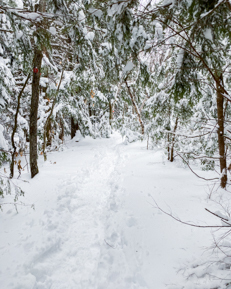
Snow Accumulation: As of 1/20/21, summits of Catskills peaks have anywhere from 1' to 2’ of snow. For your safety, be prepared with micro spikes and snowshoes. They will prove to be most useful. Always remember to practice Leave No Trace. You can start with the 1st principle, Plan Ahead, and Prepare. Bring Winter Gear: With the latest storm, winter conditions are present at all elevations, with snow potentially deeper than a foot at higher elevations. Be prepared with traction devices, such as microspikes or crampons, on all hikes. When the mountains are thoroughly covered in snow, snowshoes are the best way to avoid post-holing. See the following gear to pack with you to stay safe and warm on your winter hike: Essentials for Winter Hikes:
For more information, check out DEC’s Winter Hiking Safety Tips Before you hit the trail, check out DEC’s Hike Smart NY page to learn about safety, best practices, and preparedness. While recreating in the Catskills, please follow the Hiker Responsibility Code, and avoid busy trailheads. Discover trails less traveled, and visit when trails may not be as busy. Always remember your headlamp: Hiking in the dark can be dangerous when you are unable to see where you are going. There is a greater chance of getting lost or potentially injured while hiking without a headlamp. Even if you do not plan to hike after sunset, it is important to bring a headlamp in case you encounter unexpected delays. Avoid relying on phones for flashlights, as the batteries quickly die. Bring extra batteries and a back-up source of light as well to be safe. Trust us, it’s worth it. Check the Weather: Check the National Weather Service for current conditions and forecasts for the locations where you plan to recreate. Check both daytime and nighttime temperatures. Expect conditions to be much harsher on mountain summits. Exposed summits will most likely be windy. If conditions become unfavorable, turn around. You can always complete your hike another day. Catskill Region Daytime Highs ~ Low to mid 30s
Prevent Hypothermia: Hypothermia occurs when your body loses heat faster than it can produce heat, causing a dangerously low body temperature. Stay safe and warm by wearing non-cotton, moisture-wicking base layers and wearing or bringing additional warm, waterproof, and windproof layers, a hat, mittens, and extra socks. Wear sturdy waterproof boots that are already broken in. Add or remove layers as needed to keep you warm without sweating through clothes. As sweaty clothes cool, they create ideal conditions for hypothermia.
Manage your time wisely: Be mindful of sunrise and sunset times, and plan accordingly. Start long hikes early to maximize sunlight hours, and always bring a headlamp. Approximate Time of Sunrise: 7:20 a.m. Research your planned route ahead of time, and bring a map with you. Newly accumulated snow will cover the trails making them more difficult to follow. Keep your head up while hiking to remain aware of trail markers, and be sure to know where trail junctions are along your route. Mountain Summits: Check the National Weather Service to prepare for the summit weather conditions. The weather is colder as the days are shorter. Be sure to pack appropriate layers to keep warm, especially on mountain peaks. Ice Safety & Ice Fishing: A minimum of three to four inches of solid ice is the general rule for safety. Ice thickness, however, is not uniform on any body of water. Learn more about ice safety. Snowmobiling: Some seasonal access roads will transition to snowmobile use once sufficient snowpack accumulates. Check local club, county, and state webpages and resources, for up-to-date snowmobile trail information. Trash in the Backcountry: DEC is receiving increased reports of visitors leaving trash behind after trips to state lands, waters, and facilities in the Catskills. DEC reminds outdoor adventurers to follow the principles of Leave No Trace and keep New York's environment clean by properly disposing of waste. See the Leave No Trace section below for more information. Prevent the Spread of COVID-19: New cases of COVID-19 are on the rise throughout New York State, including in the Adirondacks. Help prevent the spread and keep yourself safe by continuing to Play Smart, Play Safe, Play Local. Leave No Trace
Manage Your Pet & Say No to Yellow Snow Do your best to keep your dog under control at all times. Not only will it protect your furry friend but also other visitors and their pets, and local wildlife especially in the more vulnerable times like winter. Remember, we all enjoy the outdoors in different ways and others may not appreciate your dog’s company; always ask before allowing your dog to approach them. If leashes are required, use them. Respect private property by not allowing your dog to wander from designated trails or off-leash areas. If your furry friend goes number two, use a bag to pick up their waste and throw it out at home or in a designated trash can. It might seem like poop just disappears beneath the powder, but solid waste can remain frozen in the snow for months. When snow melts in the spring, that waste remains, and it can have negative effects on the quality of soil and nearby waterbodies and the health of local wildlife. Poop traps are also an unpleasant find for those who hike the trail in the spring. Urine is harder to pick up, but it can still be covered up. If your dog creates yellow snow, consider keeping trailsides white by covering your dog’s pee or shoveling the affected snow further off the trail – just be sure you don’t push it closer to water sources! |
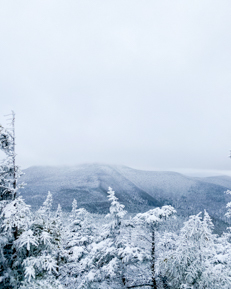 Layer Up: Temperatures can change significantly depending on your location, the time of day, and the elevation.
  Follow the
|
The New York State Department of Environmental Conservation respects your right to privacy and welcomes your feedback | Update preferences or unsubscribe | Learn more about DEC Delivers |
|
Connect with DEC:    
|
|
| Basil Seggos, Commissioner | |