Wildlife, Fish & Marine Life Newsletter
The New York State Department of Environmental Conservation sent this bulletin on 01/20/2021 05:36 PM EST |
| DEC Delivers - Information to keep you connected and informed from the NYS Department of Environmental Conservation |
| Share or view as a web page || Update preferences or unsubscribe |
Wildlife, Fish, and Marine Life Newsletter |
Look for Wildlife Tracks this Winter
Find out more in the Become a Winter Wildlife Detective (PDF) issue of Conservationist for Kids. In case you missed it, check out the recent Winter Wildlife Tracks and Scat Identification Video on DEC’s Facebook page. Photo by Sandy Van Vranken. DEC to Discuss Managing Wildlife at Erwin Wildlife Management Area
The event will feature a 60-minute presentation that discusses the WMA’s history, habitat goals, and planned habitat management actions, followed by a question-and-answer period. This presentation will also be recorded and made available to the public afterward. View the habitat management plan and see what activities you can do at Erwin WMA by clicking on the link above. Photo by Michael Palermo. Deadline Approaching for "Why I Hunt" and "Why I Trap" Photo Essay ContestDEC’s "Why I Hunt" and "Why I Trap" photo contest is still open! The contest is for hunters and trappers to share stories about why they hunt or trap in New York State. Participating hunters and trappers may submit photos and essays in one of the following categories:
Each contestant may submit up to two photos with their essay entry. DEC staff will select the best photo/essay in each category. Winners' essays and photos will appear in the 2021-2022 New York Hunting and Trapping Regulations Guide, which is read by more than half a million people each year. Contest specifications:
For more information about the "Why I Hunt" and "Why I Trap" contest, call (518) 402-8963, e-mail us, or write to: Hunter Education Program, 625 Broadway, 5th Floor, Albany, NY 12233-4754. Submissions should be made online. The deadline for contest entries is January 31, 2021. Final 2020 Deployment of Rail Cars to New York's Artificial Reefs
The first 16 of the 75 rail cars donated by Wells Fargo Corporation, as well as a steel turbine and the 70-foot tugboat "Jane", were placed on Hempstead Reef. In October 2020, another 16 rail cars were deployed on the Atlantic Beach Reef. In November, 16 additional rail cars were deployed on the Fire Island Reef, and 16 more rail cars were placed on the Twelve Mile Reef. Lastly in December, seven rail cars were added to Shinnecock Reef and the final four rail cars were deployed to Moriches Reef. In the 2020 State of the State address, Governor Cuomo committed to doubling New York's existing reef acreage by 2022. In December 2020, DEC released the Notice of Complete Application (PDF) to expand seven of the State's existing 12 artificial reef sites and create four new sites for public review and comment. Currently, New York’s existing artificial reefs cover approximately 3,389 acres and this proposal would expand New York’s reefs by an additional 3,423 acres for a total of 6,812 acres. |
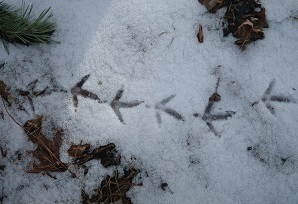 Now is a great time to search for
 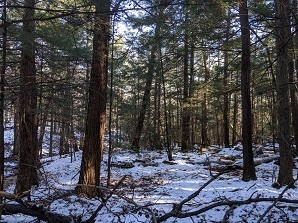 DEC will host a virtual public presentation to share details about a recently completed habitat management plan for
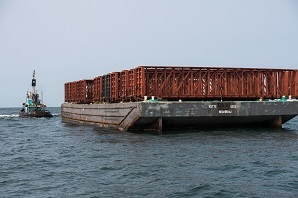 Governor Andrew M. Cuomo
|
The New York State Department of Environmental Conservation respects your right to privacy and welcomes your feedback | Update preferences or unsubscribe | Learn more about DEC Delivers |
|
Connect with DEC:    
|
|
| Basil Seggos, Commissioner | |