
DEC Adirondack Outdoor Recreation Bulletin - November 19, 2020
The New York State Department of Environmental Conservation sent this bulletin on 11/19/2020 02:26 PM EST |
| DEC Delivers - Information to keep you connected and informed from the NYS Department of Environmental Conservation |
| Share or view as a web page || Update preferences or unsubscribe |
DEC Adirondack Outdoor Recreation BulletinNovember, 19, 2020 |
|
This bulletin provides only the most recent notices. Check the Adirondack Backcountry Information webpages for more detailed information on access, outdoor recreation infrastructure, and conditions. Emergency Situations: If you get lost or injured; keep calm and stay put. If you have cell service, call 911 or the DEC Forest Ranger Emergency Dispatch, 518-891-0235. Hike Smart by packing the proper gear. See our recommended packing list and safety tips. Welcome to the Adirondacks. The Welcome to the Adirondacks webpage is the place to go if you are interested in learning more about the Adirondacks. It provides information about the Forest Preserve, conservation easement lands, outdoor recreation, and Leave No Trace. Recent NoticesThe following are the most recent notices pertaining to public lands in the Adirondacks. Please check the Adirondack Backcountry Information webpages for comprehensive and up-to-date information on seasonal road statuses, rock climbing closures, specific trail conditions, and other pertinent information. Lake George Wild Forest: The Hague Brook Trail off Route 8 in the Town of Hague is currently closed to public use due to unsafe trail conditions along the riverbank. Hiking Resources
Be prepared, bring the right gear, and wear the right clothes and shoes to ensure a safe and enjoyable hike. Review Hike Smart NY’s list of 10 essentials, and bring those items on every hike. Visit the main Adirondack Backcountry Information page for more information on planning ahead and preparing. Special Information for This Week Bring Winter Gear: Colder temperatures have returned and this time of year you are likely to encounter winter conditions, including ice and snow, at higher elevations. Bring traction devices, such as microspikes or crampons, and other winter gear on all hikes. Sunrise/Sunset:
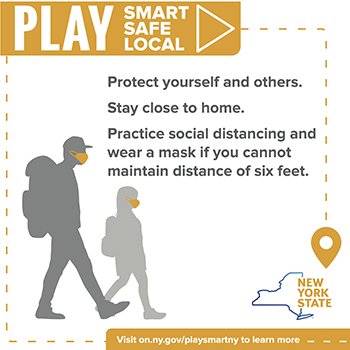
Prevent the Spread of COVID-19: New cases of COVID-19 are on the rise throughout much of New York State, including the Adirondacks. Help prevent the spread, and keep yourself safe by continuing to Play Smart, Play Safe, Play Local. COVID-19 can spread outdoors. Choose hikes in your local area to minimize travel, and discover trails less traveled. Stay home if you are feeling ill or if you have been exposed. Follow social distancing guidelines, and wear a mask in busy parking lots, on crowded summits, when passing others on the trail, and whenever you are unable to maintain a minimum distance of six feet. Learn more about safe and responsible outdoor recreation during the COVID-19 pandemic below. Keep Our Environment Clean: Help preserve the beauty of the Adirondacks and protect our local wildlife by putting garbage in designated trash cans or taking it home with you. Please do not leave trash, gear, or food scraps behind. Use designated toilets when available, and visit www.lnt.org to learn how you can Leave No Trace when going to the bathroom in the woods. Do not graffiti or carve rocks, trees, or backcountry structures like lean-tos or fire towers. General Notices
Travel: Check 511NY for road closures and travel conditions, and status of parking lots along the busy Route 73 corridor. Have back-up plans in place and, if the parking lot at your desired destination is full, move on to your back-up plan. Weather: Check the National Weather Service or NY Mesonow for current conditions and forecasts for the locations where you plan to recreate. Check the National Weather Service Northern Adirondacks and Southern Adirondacks Mountain Point Forecasts for selected summits. Fire Danger: Never leave campfires unattended. Fully extinguish your campfire before leaving your campsite. Ashes should be cool to the touch. Learn more about campfire safety. Water Conditions: Water temperatures are very cool. Water levels are average throughout most of the Adirondacks but below average in the northwestern corner of the region. Check the USGS Current Water Data for New York for stream flow of selected waters. Hunting Seasons: Be seen, stay safe, and show respect during fall and winter hunting seasons. Many small game and big game hunting seasons are open. Hikers should be aware that they may meet hunters bearing firearms or archery equipment while hiking on trails. Please recognize that these are fellow outdoor recreationists with the legal right to participate in these activities on the Forest Preserve. Hunting accidents involving non-hunters are extremely rare. Hikers may wear bright colors as an extra precaution if it makes them feel more comfortable. Seasonal Access Roads: Seasonal access roads typically remain open to public motor vehicle traffic through the end of the regular Northern Zone big game hunting season unless weather conditions require an earlier closing. In the winter, many of these roads are snowmobile trails. Leave No Trace
Follow the Seven Principles of Leave No Trace to maintain minimal impact on the environment and the natural resources of the Adirondacks. Use proper trail etiquette to ensure an enjoyable experience for yourself and others, and tread lightly! Practice Leave No Trace at Home Most of our conversations about Leave No Trace focus on how the 7 Principles can guide our experiences on hikes through the woods, while camping in pristine wilderness, or when visiting protected areas. But what about at home? Whether its in your own back yard, at a local park, on city streets, or even inside your house or workplace, there are little things we can do every day to Leave No Trace. Practicing these habits in our everyday lives will also prepare us to have a lesser impact when we do visit backcountry places. See how many of the following Leave No Trace tips you can incorporate into your daily routine:
Play Smart * Play Safe * Play Local
New York State’s PLAY SMART * PLAY SAFE * PLAY LOCAL campaign encourages residents to engage in responsible recreation during the ongoing COVID-19 public health crisis. This guidance urges New Yorkers to recreate locally in their region, practice physical distancing, show respect for all outdoor adventurers, and use common sense to protect themselves and others. Use DECinfo Locator to find a DEC-managed resource near you and visit the State Parks website for information about parks and park closures. Use the hashtags #PlaySmartPlaySafePlayLocal, #RecreateResponsibly, and #RecreateLocal on Facebook, Twitter, and Instagram to share how you get outside safely, responsibly, and locally. Pack A Mask: When recreating in New York State, hikers and others are required to wear masks in public when appropriate social distancing cannot be maintained, including on trails, on summits, in parking lots, and in the backcountry. Limit Parking: Please avoid visiting crowded areas. For visitor safety and the safety of others, do not park on roadsides and only park in designated parking areas. If parking lots are full, please choose a different area to visit, or return another time or day when parking is available. COVID-19 Travel Restrictions: New York State residents and visitors from other states should check New York's most recent COVID-19 travel advisory before making plans. Hike within the Limits of Your Physical Abilities and Experience |

|
The New York State Department of Environmental Conservation respects your right to privacy and welcomes your feedback | Update preferences or unsubscribe | Learn more about DEC Delivers |
|
Connect with DEC:    
|
|
| Basil Seggos, Commissioner | |