Wildlife, Fish & Marine Life Newsletter
The New York State Department of Environmental Conservation sent this bulletin on 11/23/2020 12:53 PM EST |
| DEC Delivers - Information to keep you connected and informed from the NYS Department of Environmental Conservation |
| Share or view as a web page || Update preferences or unsubscribe |
Wildlife, Fish, and Marine Life Newsletter |
#AdventureAtHome: Sea Turtles of NY
If you view Marine Wildlife of New York (PDF) in their natural habitat, it can be a surreal experience, but it’s always best to view them from a safe and respectful distance for their safety and yours. Learn more about wildlife watching close to home. Learn more about what the New York Marine Rescue Center (NYMRC) and Atlantic Marine Conservation Society do to help sea turtles. Check out NYMRC’s recent Facebook Live event from November 19. For a tour of their sea turtle rehab facility, stay tuned for another Facebook Live event on Tuesday, November 24 at 1 p.m. Feed Wild Birds Safely and Responsibly
Peanut butter may be used if it’s cold out; otherwise the fats go rancid and are a health risk to birds. To provide a source of water, try installing a birdbath heater or bubbler and regularly refreshing the water. If you are drawing wild birds into your yard with feeders, it’s important to cultivate bird-friendly habitat by:
Photo of evening grosbeaks in Otsego County by Katherine Yard. Watch Out for Whales in New York Waters
Effective from November 1 through April 30, NOAA Fisheries requires all vessels 65 feet or longer to travel at 10 knots or less in certain locations identified as Seasonal Management Areas (SMAs). The purpose of these regulations is to reduce the likelihood of deaths and serious injuries to whales resulting from collisions with vessels. Vessels of all sizes are encouraged to help protect right whales by slowing to 10 knots of less within active SMAs as well. Report all sightings of marine mammals or sea turtles to DEC by using our Flipper Files digital survey. If you suspect a marine mammal or sea turtle is sick or injured, please call the New York Stranding Hotline at 631-369-9829 to report the animal. You Can Help Feed the Hungry!
There are many ways a hunter can help feed those less fortunate. You can donate your deer or part of it at a cooperating processor, support your regional food bank monetarily, or make a cash donation to the Venison Donation Coalition when you purchase your hunting license to help offset the cost of processing donated venison. If you'd like to learn how you can support these programs or donate venison to help feed local families, visit the Venison Donation Coalition or Feeding New York State. |
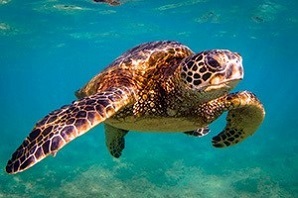 Did you know that you do not need to travel to a tropical climate to see sea turtles? You can find several species as water temperatures begin to rise in late spring and early summer. During these months, the waters of New York become more suitable for sea turtles, and you can find four species of
 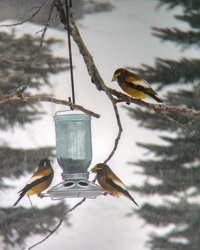 For many birdwatchers in New York, November 30th is an important date: the day that backyard bird feeders can go back up. To avoid conflicts with bears, DEC highly recommends
 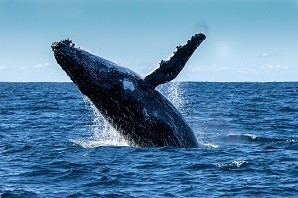 New York’s marine waters are home to various marine life, including large whales. Whales are protected under the Marine Mammal Protection Act, and boaters must stay at least 500 yards (1,500 feet) away from North Atlantic right whales and at least 100 yards from all other whales. If a whale approaches you, remember to idle your engine and not to re-engage power until the whale has cleared your path. Attempting to leave the area may interrupt natural behaviors such as feeding, nursing, resting, and traveling, or could result in a vessel strike causing harm to the whale and/or boat. For more information visit,
  Each year, DEC partners with the Venison Donation Coalition and Feeding New York State to help provide food for those in need. Through a cooperative relationship involving the New York State Department of Health, non-profit organizations like Feeding New York State's regional food banks, and deer processors, hunters contribute nearly 40 tons of venison each year to needy families across the state!
|
The New York State Department of Environmental Conservation respects your right to privacy and welcomes your feedback | Update preferences or unsubscribe | Learn more about DEC Delivers |
|
Connect with DEC:    
|
|
| Basil Seggos, Commissioner | |