Wildlife, Fish & Marine Life Newsletter
The New York State Department of Environmental Conservation sent this bulletin on 11/09/2020 04:54 PM EST |
| DEC Delivers - Information to keep you connected and informed from the NYS Department of Environmental Conservation |
| Share or view as a web page || Update preferences or unsubscribe |
Wildlife, Fish, and Marine Life Newsletter |
Fall for Nest Boxes
If you already have a box or two, fall is a good time for maintenance. The nesting season has ended, so check your boxes to make sure they are clean and in good repair for next year. If you’re thinking about building and installing a new box, now is actually the perfect time to get started. A box put up in the fall or winter will be ready to go as soon as nesting season begins in the spring. Visit the Cornell Lab of Ornithology’s NestWatch for expert nest box tips. Photo of a tree swallow nesting in a backyard in Otsego County by Katherine Yard. Habitat Management for Young Forest Wildlife at Tug Hill Wildlife Management Area
DEC staff wrote a habitat management plan for Tug Hill WMA, which included the creation of 455 acres of young forest habitat over a 10-year period. One way to create this type of habitat is with small patch clearcuts. We began harvesting these patch clearcuts in 2018 and concluded in 2020. The average patch size is 4.8 acres, and the total area of the patch cuts is 54 acres. Species that will benefit from young forest management on this property include ruffed grouse, American woodcock, and snowshoe hare. Wildlife have already moved into these newly managed areas. When DEC staff conducted American woodcock surveys in 2015, they did not observe any woodcock. However, during the 2020 survey, staff observed three woodcock using the new open areas! We have also consistently observed ruffed grouse in these areas along with snowshoe hare. Several other noteworthy species have been using the recently cut areas, including white-tail deer, black bear, coyotes, and many species of birds. As of this fall, 114 total acres have been harvested on the WMA using several habitat management practices, with another 331 acres to be harvested over the next six years. Arial photo of patch cuts at Tug Hill WMA by Tim Pyszczynski. 86 Acres Added to High Tor Wildlife Management Area
The newly acquired parcel contains extensive trail networks running through forestland and meadows and past ponds, streams, and wetlands. DEC previously identified the land as a regional conservation priority. The new parcel will be incorporated into management plans for the WMA to ensure that activities are in compliance with regulations pertaining to the use of state wildlife management areas. Free Fishing Day - November 11
The Free Fishing Days program is administered by DEC as part of Governor Cuomo's NY Open for Fishing and Hunting Initiative. The free fishing days program began in 1991, to give people who might not fish a chance to try the sport at no cost, introduce people to a new hobby, and encourage people to support the sport by purchasing a New York State fishing license. Free Fishing Day participants are reminded that although the requirement for a fishing license is waived during free fishing days, all other fishing regulations remain in effect. When not participating in Free Fishing Days, anyone 16 years of age and older must have a current State fishing license to fish in New York. Fishing licenses are valid for 365 days from the date of purchase. You can find more information on purchasing a fishing license on DEC's website. Anglers fishing from a boat should make sure it's large enough so persons on board are at least six feet apart from one another. For more information on boating guidelines and safety, go to State Parks website and for more information about how to PLAY SMART * PLAY SAFE * PLAY LOCAL, visit DEC's website. |
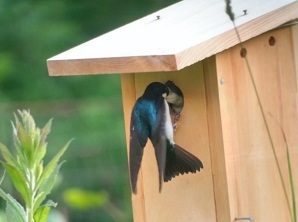 Birdhouses are a simple addition to your yard that can provide nesting places for many kinds of birds and weeks of wildlife watching opportunities. Cavity-nesters, like tree swallows, house wrens, blackcapped chickadees,
 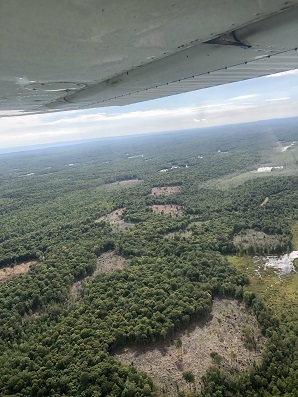 In 2015, DEC launched the
 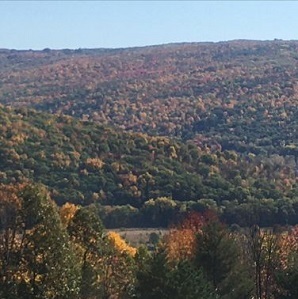 DEC and the Finger Lakes Land Trust recently announced the
 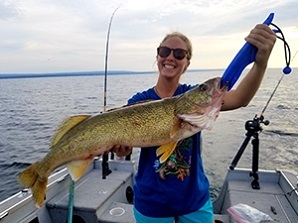 New York residents and non-residents can
|
The New York State Department of Environmental Conservation respects your right to privacy and welcomes your feedback | Update preferences or unsubscribe | Learn more about DEC Delivers |
|
Connect with DEC:    
|
|
| Basil Seggos, Commissioner | |