
DEC Adirondack Outdoor Recreation Bulletin - September 3, 2020
The New York State Department of Environmental Conservation sent this bulletin on 09/03/2020 05:32 PM EDT |
| DEC Delivers - Information to keep you connected and informed from the NYS Department of Environmental Conservation |
| Share or view as a web page || Update preferences or unsubscribe |
DEC Adirondack Outdoor Recreation BulletinSeptember 3, 2020 |
|
This bulletin provides only the most recent notices. Check the Adirondack Backcountry Information webpages for more detailed information on access, outdoor recreation infrastructure, and conditions. Emergency Situations: If you get lost or injured; keep calm and stay put. If you have cell service, call 911 or the DEC Forest Ranger Emergency Dispatch, 518-891-0235. Hike Smart by packing the proper gear. See our recommended packing list and safety tips. Welcome to the Adirondacks. The Welcome to the Adirondacks webpage is the place to go if you are interested in learning more about the Adirondacks. It provides information about the Forest Preserve, conservation easement lands, outdoor recreation, and Leave No Trace. Hiker Information Stations
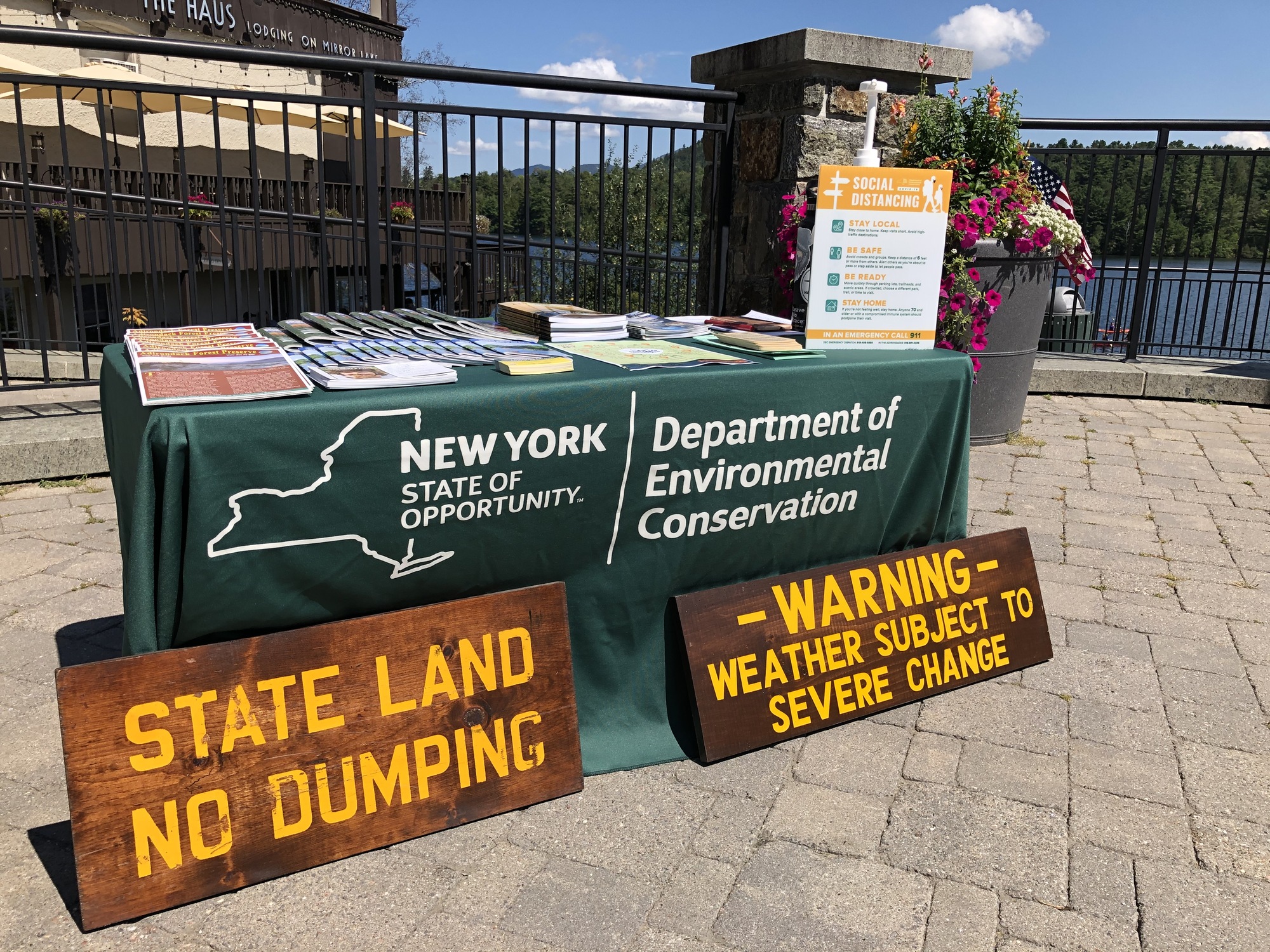
DEC encourages visitors to stop by a Hiker Information Station ahead of their weekend hiking trip. These stations, staffed by DEC and Town of Keene stewards, provide information about parking, alternative hiking locations, local land use rules and regulations, safety and preparedness, and Leave No Trace. Please visit us at the following locations:
*This station will move inside the Lake Placid Visitors Bureau during inclement weather. Review High Peaks Wilderness Rules & RegulationsDEC reminds visitors to the High Peaks Wilderness of the rules and recommendations in place that include but are not limited to:
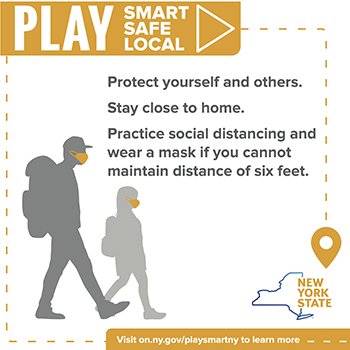
Play Smart * Play Safe * Play LocalNew York State’s PLAY SMART * PLAY SAFE * PLAY LOCAL campaign encourages residents to engage in responsible recreation during the ongoing COVID-19 public health crisis. New York State DEC and State Parks recommendations for getting outside safely incorporate guidance from the Centers for Disease Control and Prevention and the New York State Department of Health for reducing the spread of infectious diseases. This guidance urges New Yorkers to recreate locally, practice physical distancing, show respect for all outdoor adventurers, and use common sense to protect themselves and others. Take the Pledge to PLAY SMART * PLAY SAFE * PLAY LOCAL: Enjoy the Outdoors Safely
Use the hashtags #PlaySmartPlaySafePlayLocal, #RecreateResponsibly, and #RecreateLocal on Facebook, Twitter, and Instagram to share how you get outside safely, responsibly, and locally. What’s Local? Consistent with the NYForward phased reopening plan, DEC and State Parks are encouraging New Yorkers to recreate locally in their region. Use DECinfo Locator to find a DEC-managed resource near you and visit the State Parks website for information about parks and park closures. Social Distancing Guidelines: Follow DEC’s guidelines for social distancing while recreating outdoors. Pack A Mask: New Yorkers are required to wear masks in public when appropriate social distancing cannot be maintained, including on trails, on summits, in parking lots and in the backcountry. COVID-19 Travel Restrictions: Pursuant to the Governor’s Executive Order 205, visitors coming from travel restricted states will not be issued camping permits and will not be allowed to stay on state lands until they have completed a mandatory 14-day quarantine. Quarantining on state land is not permitted. Limit Parking: Please avoid visiting crowded areas. For visitor safety and the safety of others, do not park on roadsides and only park in designated parking areas. If parking lots are full, please choose a different area to visit, or return another time or day when parking is available. If you’re headed to the High Peaks, check 511NY for parking lot statuses along the Route 73 corridor. Keep it Clean: A new DEC Public Service Announcement reminds outdoor adventurers to Play Smart * Play Safe * Play Local while keeping natural areas litter-free. Hike within the Limits of Your Physical Abilities and Experience General ConditionsTravel: Check 511NY for road closures and travel conditions. If you plan on hiking in the High Peaks, use 511NY to check the status of parking lots along the busy Route 73 corridor. Have back-up plans in place and, if the parking lot at your desired destination is full, move on to your back-up plan. Status of parking lots is being updated throughout the day by patrolling DEC Forest Rangers and Forest Ranger Assistants. Weather: Check the National Weather Service or NY Mesonow for current conditions and forecasts for the locations where you plan to recreate. Fire Danger: Low. Check the DEC Fire Danger Map for updated conditions. Campfires: Never leave campfires unattended. Fully extinguish your campfire before leaving your campsite. Stirring water or dirt into the remains of the fire can help. Learn more about campfire safety. Water Conditions: Water levels throughout most of the Adirondacks are at or above average, except in the southern Adirondacks where they remain low. Check the USGS Current Water Data for New York for stream flow of selected waters. Nuisance Bears: Nuisance bear activity is high in the front country and the backcountry. Please take steps to prevent attracting bears in the backcountry. The use of bear resistant canisters by overnight campers is required in the Eastern Zone of the High Peaks Wilderness and recommended throughout the Adirondacks. Biting Insects & Ticks: Mosquitoes, no-see-ums (biting gnats), and ticks are present. Wear light-colored, long sleeve shirts and long pants. Tuck shirts into pants, button or rubber band sleeves at the wrist, and tuck the bottom of pant legs into your socks. Pack a head net to wear when insects are plentiful and use an insect repellant – follow label directions. Additional tips for tick prevention. Clean, Drain, and Dry - Prevent the spread of aquatic invasive species and have your boat and trailer inspected and cleaned at one of the many boat inspection and wash stations across the Adirondacks, including the Adirondack Welcome Center's boat wash, located between Exits 17 and 18 on the Northway, before entering the Adirondacks. Hiking
Before you hit the trail, check out DEC’s Hike Smart NY page to learn about safety, best practices, and preparedness. While recreating in the Adirondacks, please follow the Hiker Responsibility Code and avoid busy trailheads. Discover trails less traveled and visit when trails may not be as busy. Be Prepared. Trails will be wet and muddy due to recent rains. Wear waterproof shoes and walk through mud, not around it, to protect trail edges. Temperatures will be lower on high summits, and many exposed summits will be windy. Pack extra layers of clothing. Check the National Weather Service Northern Adirondacks and Southern Adirondacks Mountain Point Forecasts for selected summits. If conditions become unfavorable, turn around. You can always complete your hike another day. Manage your time wisely. As daylight hours shorten, be mindful of sunrise and sunset times and plan accordingly. Start long hikes early to ensure you will have enough sunlight to finish before dark, and always bring a headlamp in case your hike takes longer than anticipated. Use Caution. Many Adirondack trails encounter water crossings and not all of them have bridges. Use caution at crossings and on trails along fast flowing brooks and rivers. Recent NoticesIncluded here are notices reported in the past week. Please check the Adirondack Backcountry Information webpages for comprehensive and up-to-date information on seasonal road statuses, rock climbing closures, specific trail conditions, and other pertinent information. Trash in the Backcountry: DEC is receiving increased reports of visitors leaving trash behind after trips to State lands, waters, and facilities in the Adirondacks. Outdoor adventurers are reminded to follow the principles of Leave No Trace and keep New York's environment clean by properly disposing of waste. See the Leave No Trace section below for more information. Saranac Lake Wild Forest: The Lake Flower Boat Launch is once again open to trailered boats. Construction of the bathroom is complete, but the bathroom is temporarily closed due to COVID-19 restrictions. Fulton Chain Wild Forest: The Safford Pond Trail is passable all the way through as a bridge that washed out during the 2019 Halloween Storm was reconstructed last December. Black River Wild Forest
Split Rock Wild Forest: The DEC Westport Boat Launch on Lake Champlain will be temporarily closed beginning September 8 to remove sediments accumulated in front of the ramp. The contractor will begin staging equipment and materials the week before Labor Day and occupy two parking sites at the boat launch. Removing sediments, which should be completed by the end of October, will improve access for boaters who launch and retrieve boats during low-water periods. Essex Chain Lakes Complex: There is an active logging operation on Cornell Road. This road, and the land adjacent to it, is privately-owned working forest conservation easement land. It also provides public access to the Essex Chain Lakes Complex Forest Preserve - specifically the Deer Pond Parking Lot. Please be alert for log trucks using the Cornell Road, and safely pull off the side of the road to allow them to pass. West Canada Lake Wilderness: A 400-foot section of the Northville-Placid Trail about 0.5 mile north of the Carry Lean-to is flooded due to recent beaver activity. DEC staff were able to lower the water level to 7"- 8” and are continuing efforts to remove dams farther downstream. The trail is passable, but hikers should anticipate wet feet while passing through this area. Boreas Ponds Tract: Gulf Brook Road, which provides access to the Boreas Ponds, remains closed to public motor vehicle use at this time due to washouts caused by the 2019 Halloween storm. Hikers, off-road bikers, and horse riders may still use the road to access ponds. DEC is working to repair the storm damage. Repairs to ditches and replacement of small culverts is underway. Additional work includes installing large culverts and bridges to ensure the road is resilient to damage from future storms. DEC is working to have the road open as early as possible, but likely not until the 2021 season. Leave No Trace
Follow the Seven Principles of Leave No Trace to maintain minimal impact on the environment and the natural resources of the Adirondacks. Use proper trail etiquette to ensure an enjoyable experience for yourself and others and tread lightly! Leave No Trace this Labor Day Weekend In many ways Labor Day weekend marks the end of the summer season. The weather is starting to change, school is starting back up, and hiking season is beginning to wind down. This opportunity for a final hurrah means many people will be headed to the Adirondacks this weekend. To help you Leave No Trace while you say so long to summer, check out these seven tips for a sustainable Labor Day adventure.
|
 and Responsibly

|
The New York State Department of Environmental Conservation respects your right to privacy and welcomes your feedback | Update preferences or unsubscribe | Learn more about DEC Delivers. |
|
Connect with DEC:     2020 Census: New York counts on you |
|
| Basil Seggos, Commissioner | |