|
This bulletin provides only the most recent notices. Check the Adirondack Backcountry Information webpages for more detailed information on access, outdoor recreation infrastructure, and conditions.
Emergency Situations: If you get lost or injured; keep calm and stay put. If you have cell service, call 911 or the DEC Forest Ranger Emergency Dispatch, 518-891-0235.
Hike Smart by packing the proper gear. See our recommended packing list and safety tips.
Welcome to the Adirondacks. The Welcome to the Adirondacks webpage is the place to go if you are interested in learning more about the Adirondacks. It provides information about the Forest Preserve, conservation easement lands, outdoor recreation, and Leave No Trace.
Protecting the Uniqueness of the High Peaks
The Adirondacks contain some of New York's rarest plants. They are found in tundra-like habitats resembling those of the Arctic. This condition is encountered on the State's highest peaks and the total area covered by alpine vegetation approximates 40 acres on 19 peaks, 18 of which are in DEC’s High Peaks Wilderness. To protect this ecosystem, DEC reminds visitors to the High Peaks Wilderness of the rules and recommendations in place that include but are not limited to:
-
No campfires in the Eastern Zone of the High Peaks Wilderness
-
Group Size Maximums: Day Trip maximums are 15 people. Overnight maximums are 8 people. Permits for oversized groups are not available in the High Peaks Wilderness
-
No camping on summits
-
No camping above 3,500 feet (except at lean-to)
-
No camping in areas with “No Camping” signs present
- Whenever possible, camp in designated sites. If necessary, at-large camping is permitted as long as campsites are at least 150 feet from any road, trail, water body, or waterway. Place your tent on a durable surface, such as hardened soil, leaf litter, or pine duff. Do not place your tent on vegetation.
-
Bear canisters are required for all overnight campers in the Eastern Zone of the High Peaks Wilderness
-
Carry out what you carry in. Properly dispose of waste and pack out all gear and garbage. Do not leave waste at trailheads.
-
Dogs must be leashed at all times in the Eastern Zone of the High Peaks Wilderness and at trailheads, campsites and above 4,000 feet everywhere else. If accessing the High Peaks from the Adirondack Mountain Reserve (AMR) trailheads, dogs are not allowed on AMR property.
- Bikes are prohibited
- Drones are prohibited
- ATVs are prohibited
-
No fixed anchors for climbing on Forest Preserve at this time
-
Adirondack Mountain Reserve (AMR)-specific rules for this property include no camping, no dogs, no drones, and no off-trail travel.
Play Smart * Play Safe * Play Local
New York State’s PLAY SMART * PLAY SAFE * PLAY LOCAL campaign encourages residents to engage in responsible recreation during the ongoing COVID-19 public health crisis. New York State DEC and State Parks recommendations for getting outside safely incorporate guidance from the Centers for Disease Control and Prevention and the New York State Department of Health for reducing the spread of infectious diseases. This guidance urges New Yorkers to recreate locally, practice physical distancing, show respect for all outdoor adventurers, and use common sense to protect themselves and others. 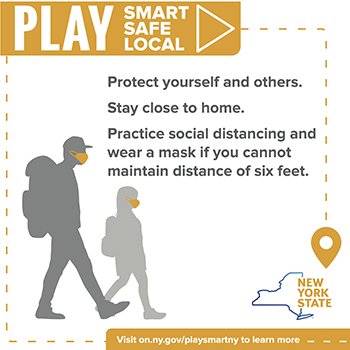
Take the Pledge to PLAY SMART * PLAY SAFE * PLAY LOCAL: Enjoy the Outdoors Safely and Responsibly
- I pledge to respect the rules and do my part to keep parks, beaches, trails, boat launches, and other public spaces safe for everyone.
- I will stay local and close to home.
- I will maintain a safe distance from others outside of my household.
- I will wear a mask when I cannot maintain social distancing.
- I accept that this summer, I may have to adjust how I enjoy the outdoors to help keep myself and others healthy and safe, even if it means changing my plans to visit a public space.
- I will be respectful of others by letting them pass by me if needed on a trail and keeping my blanket ten feet apart from others on the beach.
- I will move quickly through shared areas like parking lots, trailheads, and scenic areas to avoid crowding.
- If I'm not feeling well, I will stay home.
Use the hashtags #PlaySmartPlaySafePlayLocal, #RecreateResponsibly, and #RecreateLocal on Facebook, Twitter, and Instagram to share how you get outside safely, responsibly, and locally.
What’s Local? Consistent with the NYForward phased reopening plan, DEC and State Parks are encouraging New Yorkers to recreate locally in their region. Use DECinfo Locator to find a DEC-managed resource near you and visit the State Parks website for information about parks and park closures.
Social Distancing Guidelines: Follow DEC’s guidelines for social distancing while recreating outdoors.
Pack A Mask: New Yorkers are required to wear masks in public when appropriate social distancing cannot be maintained, including on trails, on summits, in parking lots and in the backcountry.
Keep it Clean: A new DEC Public Service Announcement reminds outdoor adventurers to Play Smart * Play Safe * Play Local while keeping natural areas litter-free.
COVID-19 Travel Restrictions: Pursuant to the Governor’s Executive Order 205, visitors coming from travel restricted states will not be issued camping permits and will not be allowed to stay on state lands until they have completed a mandatory 14-day quarantine. Quarantining on state land is not permitted.
Limit Parking: Please avoid visiting crowded areas. For visitor safety and the safety of others, do not park on roadsides and only park in designated parking areas. If parking lots are full, please choose a different area to visit, or return another time or day when parking is available. If you’re headed to the High Peaks, check 511NY for parking lot statuses along the Route 73 corridor.
Hike within the Limits of Your Physical Abilities and Experience
Adirondack lands and forests are patrolled by Forest Rangers and Environmental Conservation Police Officers (ECOs) and other staff. These officers and staff respond to, and assist, local agencies with search and rescue missions, wildfire suppression, and more. Following this guidance will prevent unnecessary burdens on, and dangers to, state resources and frontline emergency first responders during the ongoing COVID-19 response.
General Conditions
Travel: Check 511NY for road closures and travel conditions. If you plan on hiking in the High Peaks, use 511NY to check the status of parking lots along the busy Route 73 corridor. Have back-up plans in place and, if the parking lot at your desired destination is full, move on to your back-up plan. Status of parking lots is being updated throughout the day by patrolling DEC Forest Rangers and Forest Ranger Assistants.
Weather: Check the National Weather Service or NY Mesonow for current conditions and forecasts for the locations where you plan to recreate.
Warm Weather: Take precautions to prevent heat distress and dehydration. Carry plenty of water; stay in the shade as much as possible; drink and rest often. Eat high protein, high nutrient foods and make sure you are replacing salt output from sweat.
Thunderstorms: Thunderstorms can pop up even if they are not forecast. Watch for darkening skies, increased winds, lightning flashes, and the rumble of thunder. Avoid summits and other open areas during thunderstorms. As soon as you are first aware of an approaching thunderstorm move to lower elevations and seek shelter (when boating or paddling get to shore). If caught outside in a thunderstorm find a low spot away from tall trees. Seek an area of shorter trees and crouch down away from tree trunks. Make yourself as short as possible by sitting on your pack or sleeping pad with your knees flexed. Hug your knees and keep your feet together to minimize the ground effect of a nearby lightning strike.
Fire Danger: Low. Check the DEC Fire Danger Map for updated conditions.
Campfires: Never leave campfires unattended. Fully extinguish your campfire before leaving your campsite. Stirring water or dirt into the remains of the fire can help. Learn more about campfire safety.
Water Conditions: Due to recent rains, water levels in most streams and rivers are above the seasonal average range or high. Check the USGS Current Water Data for New York for stream flow of selected waters.
Nuisance Bears: Due to dry conditions, nuisance bear activity is high in the front country and the backcountry. Please take steps to prevent attracting bears in the backcountry. The use of bear resistant canisters by overnight campers is required in the Eastern Zone of the High Peaks Wilderness and recommended throughout the Adirondacks.
Biting Insects: Mosquitoes, deer flies, and ticks are present. Wear light colored long sleeve shirts and long pants. Tuck shirts into pants, button or rubber band sleeves at the wrist, and tuck the bottom of pant legs into your socks. Pack a head net to wear when insects are plentiful and use an insect repellant – follow label directions. Additional tips for tick prevention.
Clean, Drain, and Dry - Prevent the spread of aquatic invasive species and have your boat and trailer inspected and cleaned at one of the many boat inspection and wash stations across the Adirondacks, including the Adirondack Welcome Center's boat wash, located between Exits 17 and 18 on the Northway, before entering the Adirondacks.
Hiking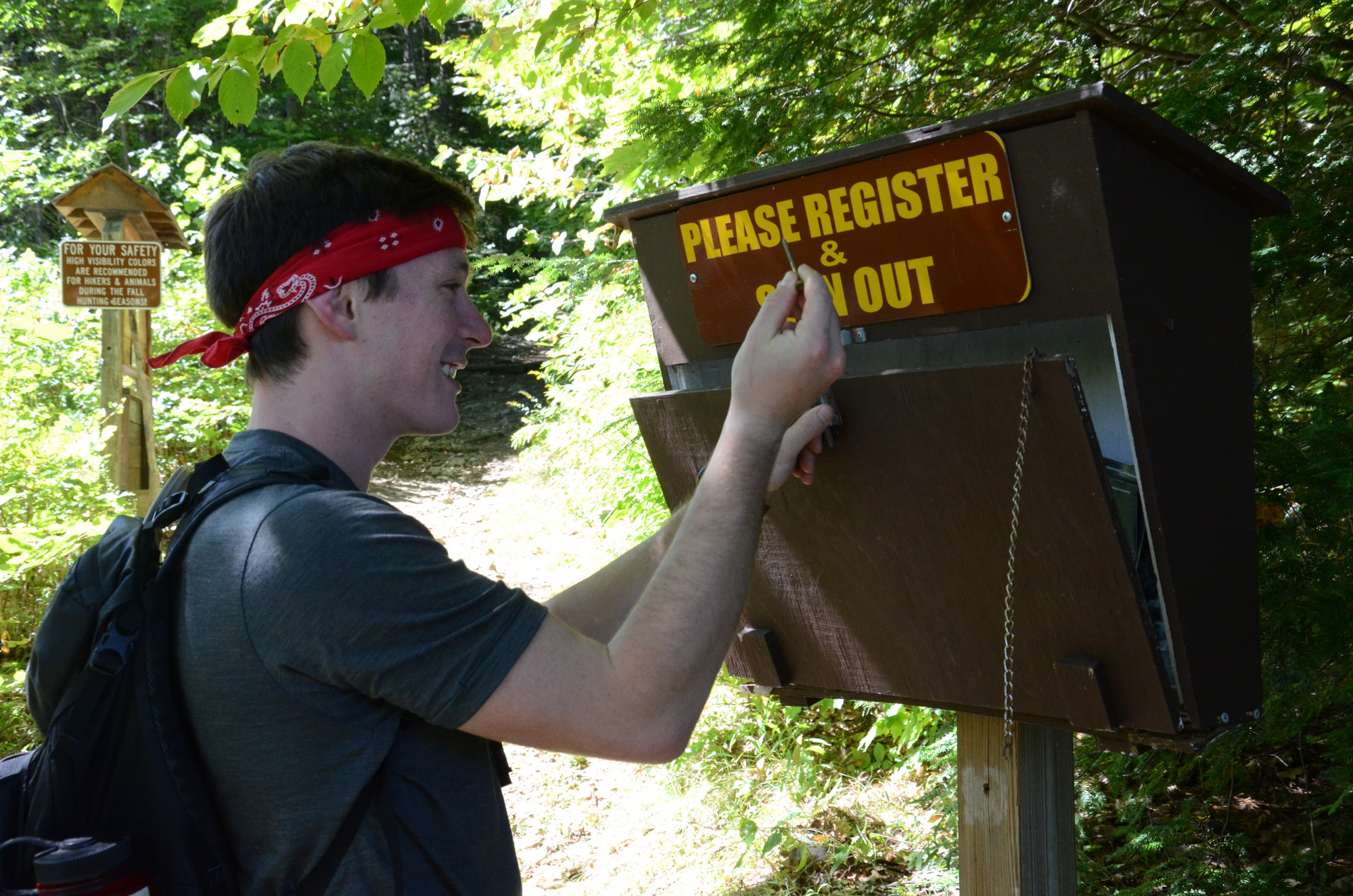
Before you hit the trail, check out DEC’s Hike Smart NY page to learn about safety, best practices, and preparedness. While recreating in the Adirondacks, please follow the Hiker Responsibility Code and avoid busy trailheads. Discover trails less traveled and visit when trails may not be as busy.
Be Prepared. Due to recent rains, trails will be wet and muddy. Wear waterproof shoes and walk through mud, not around it, to protect trail edges. Temperatures will be lower on high summits, and many exposed summits will be windy. Pack extra layers of clothing. Check the National Weather Service Northern Adirondacks and Southern Adirondacks Mountain Point Forecasts for selected summits. If conditions become unfavorable, turn around. You can always complete your hike another day.
Use Caution. Many Adirondack trails encounter water crossings and not all of them have bridges. Use caution at crossings and on trails along fast flowing brooks and rivers.
Hiking with Dogs: DEC warns against bringing dogs hiking in the summer, especially in warm to hot temperatures and on bright sunny days. If you do bring your dog hiking, bring lots of water for them, give them frequent opportunities to rest and hydrate, monitor them closely, and turn around if they start to show signs of distress.
Recent Notices
Included here are notices reported in the past week. Please check the Adirondack Backcountry Information web pages for comprehensive and up-to-date information on seasonal road statuses, rock climbing closures, specific trail conditions, and other pertinent information.
Trash in the Backcountry: DEC is receiving increased reports of visitors leaving trash behind after trips to State lands, waters, and facilities in the Adirondacks. Outdoor adventurers are reminded to follow the principles of Leave No Trace and keep New York's environment clean by properly disposing of waste. See the Leave No Trace section below for more information.
Road Closure: Both lanes of state Route 73 will be closed between Route 9N and the southern end of Hulls Falls Road on Tuesday, Wednesday, and Thursday (8/11-13) while DOT replaces a culvert. Motorists coming up I-87 (Northway) seeking to access Keene, Lake Placid and beyond will need take Route 9 to Elizabethtown and then Route 9N back to Route 73.
High Peaks Wilderness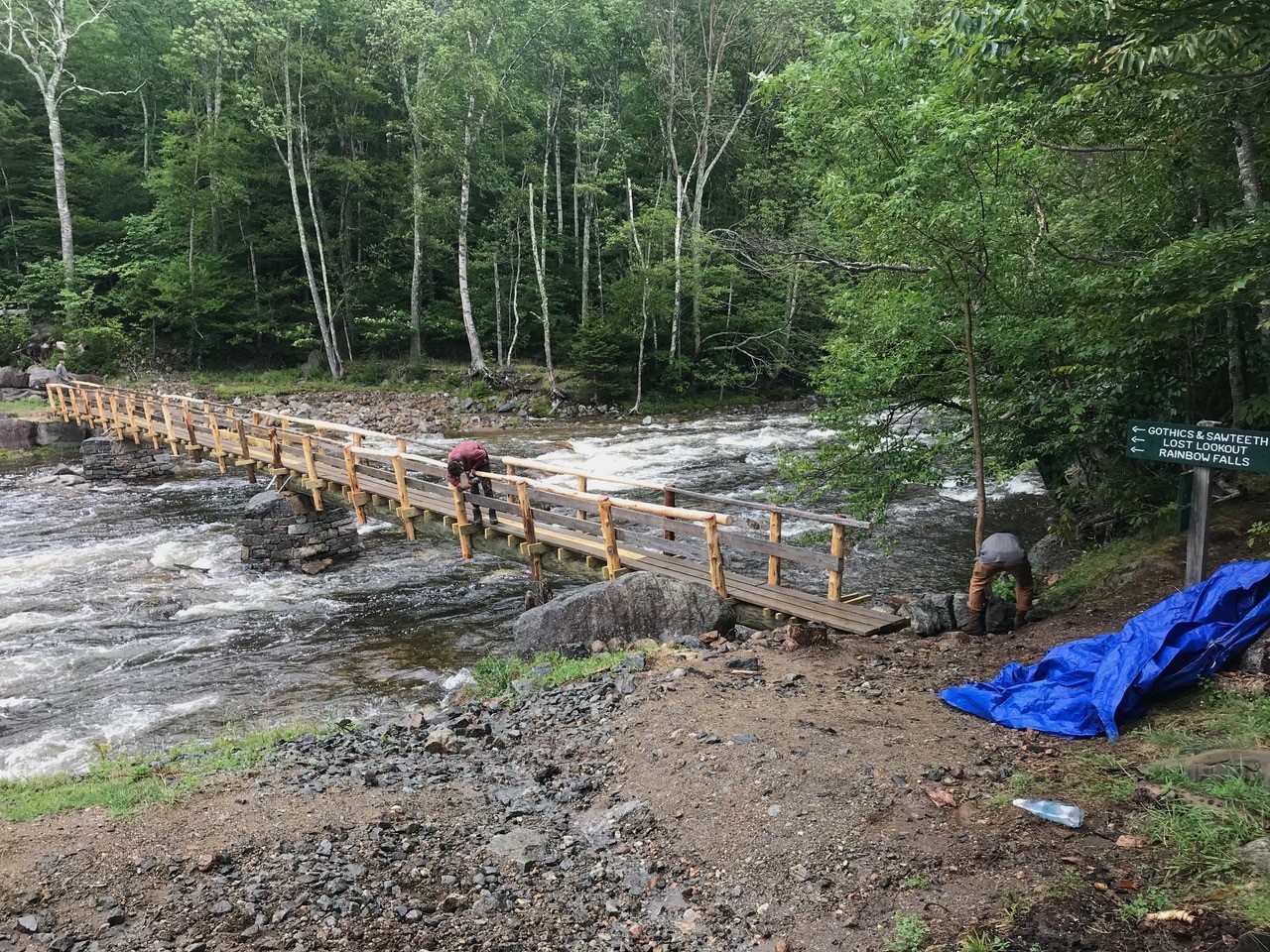
- ATIS has completed rebuilding Leach Bridge - the foot bridge below the Lower Ausable Lake dam - and it can once again be used by hikers.
- The Trap Dike route up Mount Colden is not a trail, it is rock climbing route. DEC Forest Rangers have had to rescue numerous people in recent weeks that have become stuck on the climb.
Speculator Tree Farm Conservation Easement Tract: Repairs on the Long Level Bridge are complete and public motor vehicles may use it to travel between Long Level Road and Pine Lake Road.
Madawaska Pond/Quebec Brook Primitive Area: Only four-wheel drive pickups and SUVs or other high clearance vehicles should use the Madawaska Pond Road due to a significant washout. Pickups and SUVs should use caution when crossing the washout.
McKenzie Mountain Wilderness: A portion of the Jackrabbit Trail on private land between Whiteface Inn Lane and the intersection with the McKenzie Mountain Trail will be closed through August 20. The Placid Lean-to will still be accessible via the McKenzie Mountain Trail.
Leave No Trace
Follow the Seven Principles of Leave No Trace to maintain minimal impact on the environment and the natural resources of the Adirondacks. Use proper trail etiquette to ensure an enjoyable experience for yourself and others and tread lightly!
The Seven Principles of Leave No Trace
It has been a busy summer for our outdoor spaces. As people seek relief from the stresses of the coronavirus pandemic, more people than ever are turning to the outdoors. While many come and go without leaving an impression, some people are having major impacts on our wild places, whether intentionally or unintentionally. As such, now seems like the perfect time for a Leave No Trace review.
The Seven Principles of Leave No Trace are a set of guiding principles used to inform responsible recreation and use of public lands. These principles are designed to help minimize human impacts on natural resources, wildlife, and the wilderness experience of others. These principles exist on a spectrum and can be interpreted in many different ways to fit every kind of nature experience.
1. Plan Ahead and Prepare
Proper planning and preparation will keep you safe and help minimize your impacts on the environment. Study maps, learn the rules and regulations for the area you will be visiting, check the weather for the time of your trip, create a detailed itinerary, and leave that itinerary with someone trustworthy. Pack the right gear for the place, the time of year, the weather, the length of your trip, and the kind of experience. Bring plenty of food and water, proper clothing and footwear, and the appropriate safety gear. Make sure you are in good health and that you are recreating within your abilities.
2. Travel and Camp on Durable Surfaces
Travel on durable surfaces by sticking to designated trails. If you must step off trail, walk on bare dirt, leaf litter, rocks, or pine duff. When trails are muddy, walk through mud, not around it, to protect the sides of trails and prevent trail widening. Avoid walking on plants, especially at high elevations. Summits may be home to fragile alpine vegetation, which can take hundreds of years to grow and only a few footsteps to destroy. Camp in designated sites on cleared, hardened earth. When designated sites are not available and at-large camping is permitted, make sure you set up camp at least 150 feet from any road, trail, waterbody or waterway.
3. Dispose of Waste Properly
Be prepared to carry your garbage and food scraps home with you so you can throw them away in a designated receptacle. Never leave trash or food scraps in the woods or in fireplaces. When possible, human waste should go in designated toilet facilities. When toilets are not available, go to the bathroom at least 70 large steps away from trails, summits, waterbodies and waterways. Use a reusable cloth for wiping urine or pack out your toilet paper with you. If you are disposing of solid waste, dig a 6-inch-deep cat hole, go to the bathroom in the hole, put your toilet paper in the hole, and then cover the hole before you leave.
4. Leave What You Find
Leave nature where you find it and as you find it. Do not move or stack rocks – this eliminates wildlife habitat and rock piles can be mistaken for direction cairns, confusing hikers and leading to people getting lost. Leaving what you find also means not altering the landscape. Never graffiti rocks or trees, and do not carve anything into rocks or trees.
5. Minimize Campfire Impacts
Many wildfires are accidentally started by mis-managed campfires. Make sure you are allowed to have a campfire where you are before lighting one. Keep fires small. Use only dead, already downed, and small wood. Never cut trees for firewood, even if they appear dead. Be aware of your surroundings and do not build fires near other flammable material. Never leave fires unattended and make sure they are completely extinguished (cold to the touch) before going to bed or leaving the site.
6. Respect Wildlife
Give wildlife plenty of space and keep quiet. Do not approach wildlife or attempt to startle them. Never feed wildlife. Human food is not healthy for wildlife and fed animals develop an unnatural dependency on humans that can result in the animals not being able to survive on their own. Feeding wildlife also leads to potentially dangerous human-animal interactions.
7. Be Considerate of Other Visitors
Public lands are for everyone to visit and enjoy, but that means it is also everyone’s responsibility to protect them. Help preserve the wilderness experience of others by following the Seven Principles of Leave No Trace, keeping quiet so others can hear nature sounds, and cleaning up after yourself. Be polite, share trails and summits, and give other users space to enjoy on their own. While all our public land visitors are different, everyone has something in common – they value wilderness for the nature experience it provides them.
|