Solid Waste & Recycling Newsletter
The New York State Department of Environmental Conservation sent this bulletin on 08/13/2020 08:00 AM EDT |
| DEC Delivers - Information to keep you connected and informed from the NYS Department of Environmental Conservation |
| Share or view as a web page || Update preferences or unsubscribe |
Solid Waste & Recycling Newsletter |
Guidance for Managing Recalled Alcohol-Based Hand SanitizerIn July 2020, the Federal Food and Drug Administration issued a warning about a sharp increase in hand sanitizer products that are labeled to contain ethanol (also known as ethyl alcohol) but that have tested positive for methanol contamination. Methanol, or wood alcohol, is a substance that can be toxic when absorbed through the skin or ingested and can be life-threatening when ingested. The FDA is working with manufacturers to recall products. This guidance addresses actions you can take to dispose of recalled hand sanitizer.
Recycle Right on your Summer "Stay-cation!"Traveling across county lines this summer for a “staycation” in NYS? When traveling by car this summer, here are a few tips to recycle right and reduce waste:
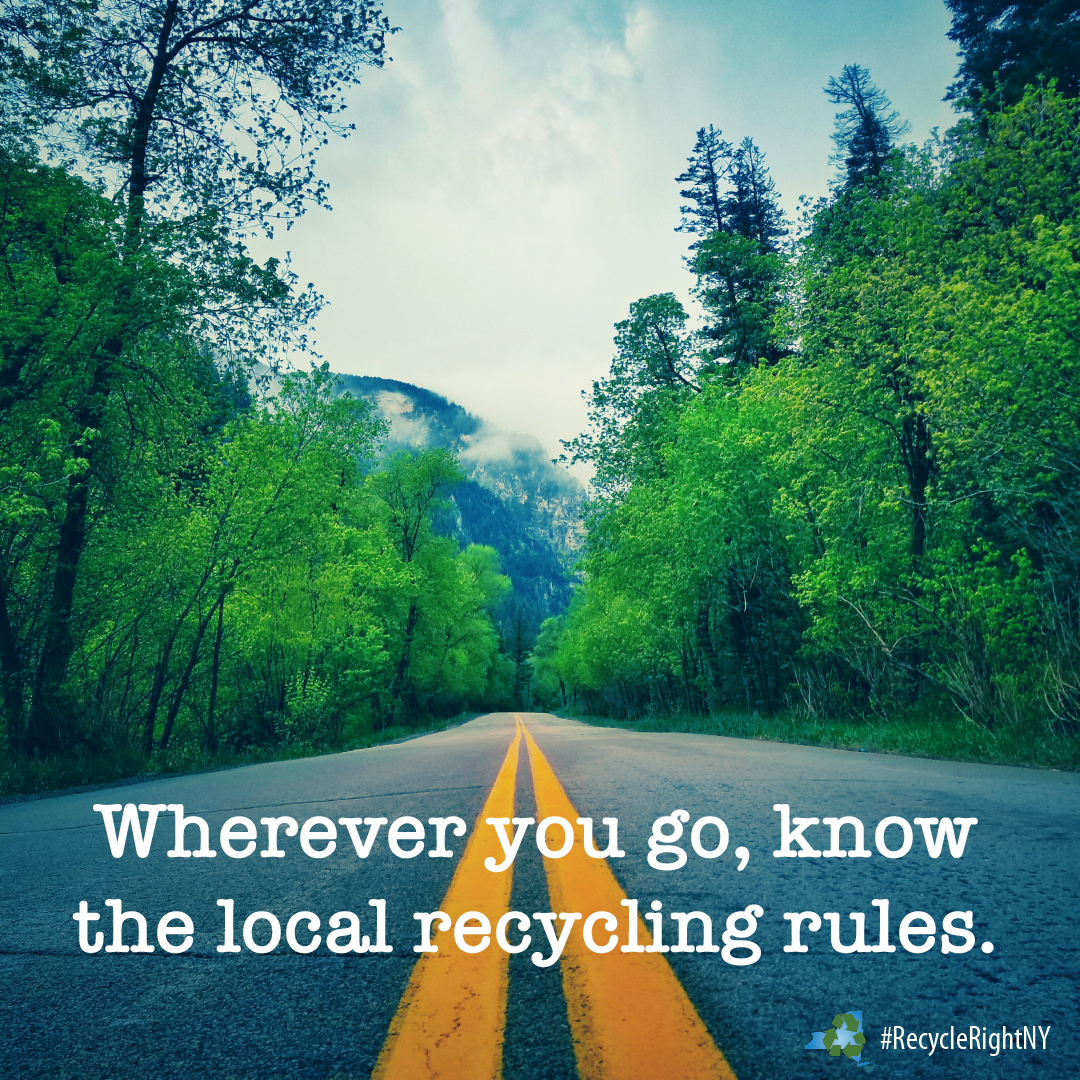
Recycle Right. In addition to remembering to Play Smart, Play Safe, and Play Local, be sure to look up the local recycling guidelines for your destination and know what items are acceptable for recycling. Recycling programs vary from place to place and items accepted in your hometown recycling program might not be accepted in another municipality. Contacting the local recycling coordinator, transfer station, or searching the municipality’s website to find out what can be recycled at the location you plan to visit will help you when faced with a recycling question on the road.
Pack It In, Pack It Out. Whether you are going camping in the mountains, hiking along one of New York’s scenic waterfall trails, relaxing on a lake or ocean beach, or firing up the BBQ at a local park, you can help prevent pollution by packing out whatever you carry in. Everyone is responsible for keeping our public lands safe, clean and enjoyable for generations to come! Thrift for the Planet! National Thrift Store Day August 17thIf you’re in search of ways to live a more sustainable lifestyle, one effective way to reduce waste and conserve natural resources is through buying gently used items and supporting second hand shopping. Thrifting and second hand shopping has environmental, social, and economic benefits such as:
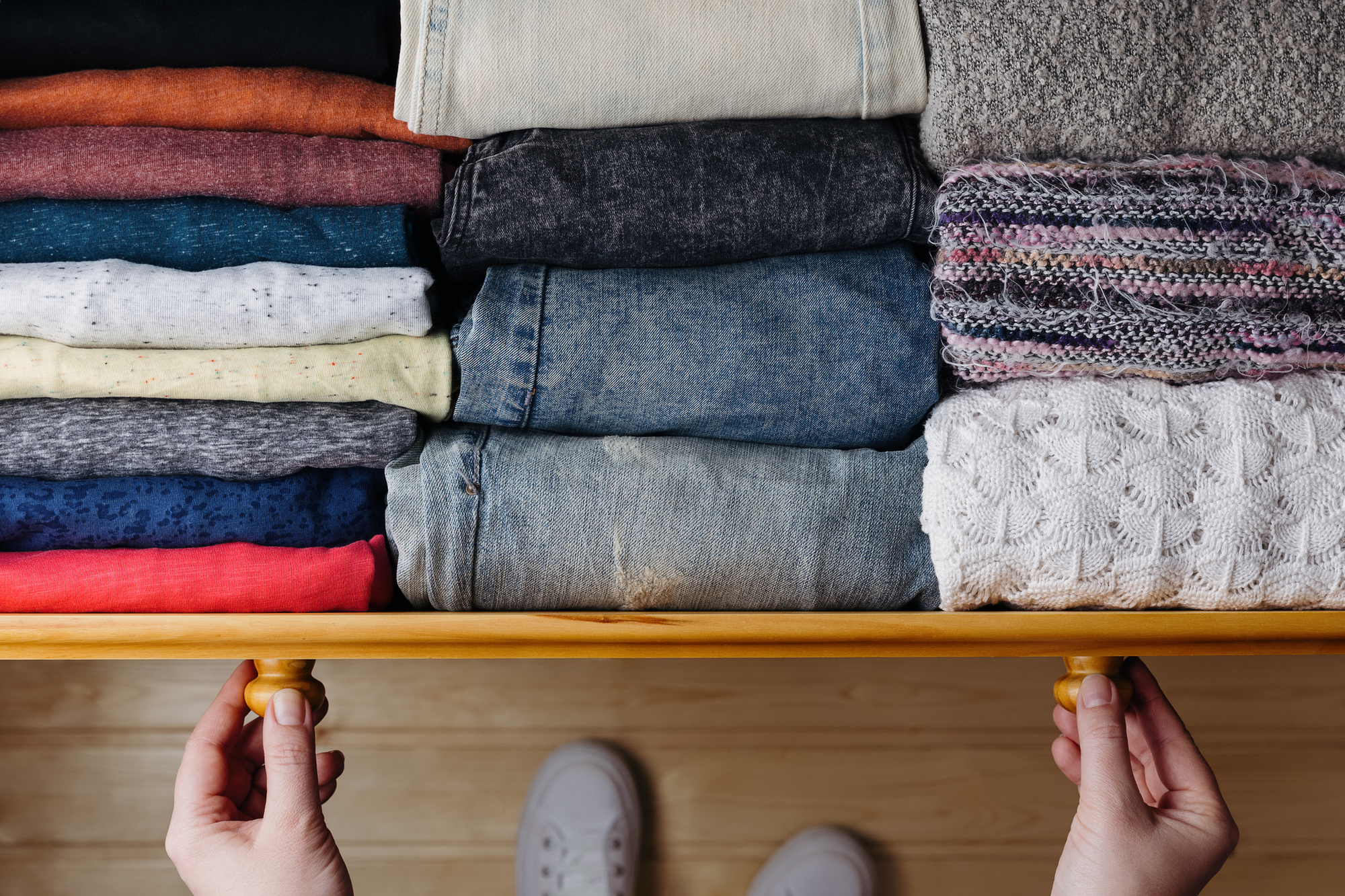
If you're going out to a thrift store on August 17th, remember to follow guidelines, practice social distancing, and other safety precautions. Prefer to thrift while staying in on National Thrift Store Day? There are many clothing companies and outdoor gear shops that offer gently used clothing, gear, and other items online at a discounted price.
Looking to donate or recycle used clothing? Conference, Workshops & Webinars:
Funding/RFP Opportunities - Application Deadlines
Award Deadlines
We Want To Hear From You!Is there a topic you'd like to learn more about or a public event or workshop related to recycling (organics, textiles, traditional recyclables, etc.) you'd like the greater community to know more about? E-mail us at organicrecycling@dec.ny.gov and it could be featured in an upcoming Solid Waste & Recycling Newsletter. Was This Newsletter Forwarded To You?Sign up for DEC Delivers Solid Waste and Recycling topic to stay up to date with news, regulatory requirements and changes, funding opportunities and upcoming events in the materials management industry. |
|
The New York State Department of Environmental Conservation respects your right to privacy and welcomes your feedback | Update preferences or unsubscribe | Learn more about DEC Delivers. |
|
Connect with DEC:     2020 Census: New York counts on you |
|
| Basil Seggos, Commissioner | |