Shellfishing Newsletter: Temporary Shellfish Closures, Properly Pump Out Your Boat, Keep Shellfish Cool, Recreational Shellfishing
The New York State Department of Environmental Conservation sent this bulletin on 07/02/2020 04:21 PM EDT |
| DEC Delivers - Information to keep you connected and informed from the NYS Department of Environmental Conservation |
| Share or view as a web page || Update preferences or unsubscribe |
Shellfishing Newsletter |
In This Issue:
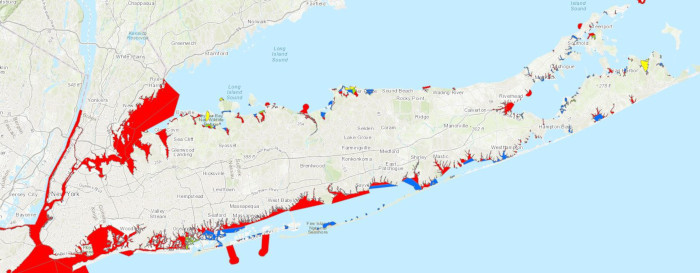
Annual Fourth of July Temporary Shellfishing Area ClosuresThree shellfishing areas on the North Shore of Long Island are temporarily closed to harvest beginning at sunrise on Friday, July 3 through Wednesday, July 8. DEC imposes annual temporary closures during busy holidays to protect public health from potentially contaminated shellfish associated with increased boating activity in shellfishing waters.
Information and maps showing the affected areas are available on DEC’s website. A recorded message advising the public about temporary closures of any shellfishing areas in New York State is accessible 24 hours a day by calling (631) 444-0480. Protect Our Waters – Properly Pump Out Your BoatBoaters are reminded to use pump-out facilities to help protect New York’s waters. Most of New York's marine waters are designated as no-discharge zones, where the discharge of treated or untreated boat sewage is prohibited. See a full list of New York waterbodies that are designated as no-discharge zones. When boating, DEC encourages New Yorkers to get outside safely, locally, and responsibly during the State’s response to COVID-19, and to avoid busy waters. Boaters in the above temporary shellfish closure areas should utilize the following pump-out facilities:
During the Summer Heat, Keep Your Shellfish Cool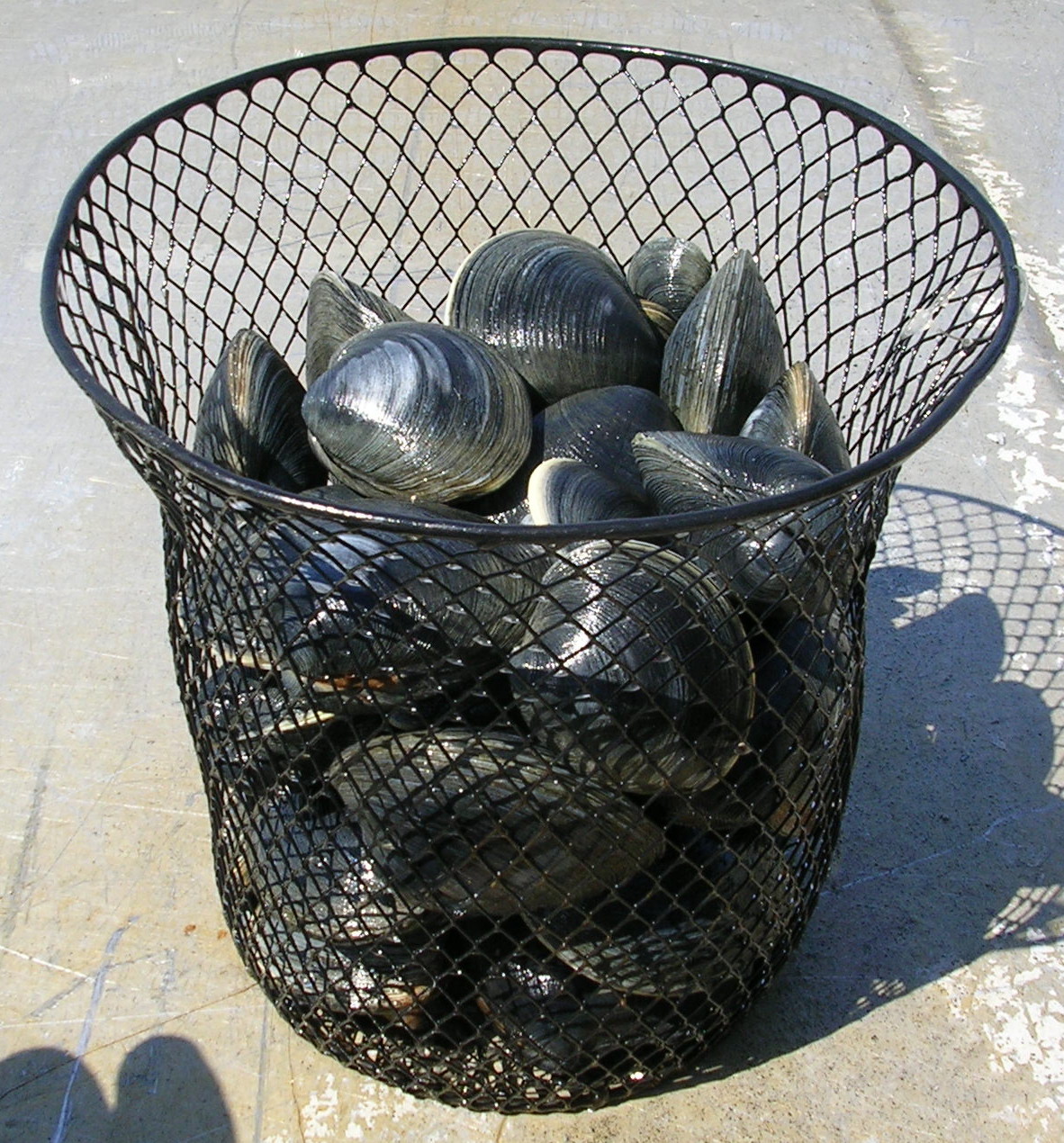
Clams, oysters and other bivalve shellfish are ‘filter feeders’, which means they feed on plankton strained from the water, and will generally ingest particulate matter and contaminants present in the water. As temperatures rise, naturally occurring bacteria found in New York’s marine waters can potentially grow to unsafe levels in shellfish. Vibrio, or Vibrio parahaemolyticus (Vp), is a common bacteria that is found in our coastal waters and thrives during warm water conditions and can rapidly increase in shellfish during warm air temperatures. DEC's Vibrio Control Plan promotes proper postharvest handling of shellfish, especially during the warm weather months between May 1 through October 31 to ensure shellfish are kept cool after harvesting to protect the public health of shellfish consumers. To ensure the safety of shellfish for consumers, please follow the guidance below:
Visit Shellfish Safety to learn more about safe shellfish consumption and handling. Public Shellfish MapperBefore going shellfishing, use DEC’s Public Shellfish Mapper for an interactive map of harvest areas in New York. This map shows regulatory closures, temporary closures, conditional harvesting programs, shellfish harvest zones, aquaculture lease sites, and water sampling stations. When viewing from a mobile device, make sure to have your location services turned on to see your location in relation to harvest areas.
This map is for reference only, view our official regulations for the legal descriptions of the closures. Recreational Shellfish Harvest LimitsClams, oysters, mussels, and scallops may only be taken from areas certified as open for the harvest of shellfish. Check with the local town for information on acquiring shellfishing permits in your area. Below is a summary of the recreational shellfish minimum size and daily harvest limits. Visit DEC's website for a complete list and for instructions on how to measure your shellfish:
*The total daily harvest of clams, blue mussels, and oysters may not exceed one bushel (combined total volume) for recreational purposes. To commercially harvest shellfish in New York, you must apply for a Shellfish Digger Permit and/or additional permits depending on the method and species harvested. Marine Permit Office UpdateDEC’s Marine Permit Office continues to operate with reduced staffing levels. We encourage customers to submit applications by mail, send us an email with questions, or call to make an appointment for curbside service. For permit information and electronic applications, visit Marine Permits and Licenses or contact the Marine Permit Office at MPO@dec.ny.gov or by calling (631) 444-0470.
|
|
The New York State Department of Environmental Conservation respects your right to privacy and welcomes your feedback | Update preferences or unsubscribe | Learn more about DEC Delivers. | |
Connect with DEC:     2020 Census: New York counts on you | |
| Basil Seggos, Commissioner | |