
DEC Adirondack Outdoor Recreation Bulletin - June 18, 2020
The New York State Department of Environmental Conservation sent this bulletin on 06/18/2020 05:31 PM EDT |
| DEC Delivers - Information to keep you connected and informed from the NYS Department of Environmental Conservation |
| Share or view as a web page || Update preferences or unsubscribe |
DEC Adirondack Outdoor Recreation BulletinJune 18, 2020 |
|
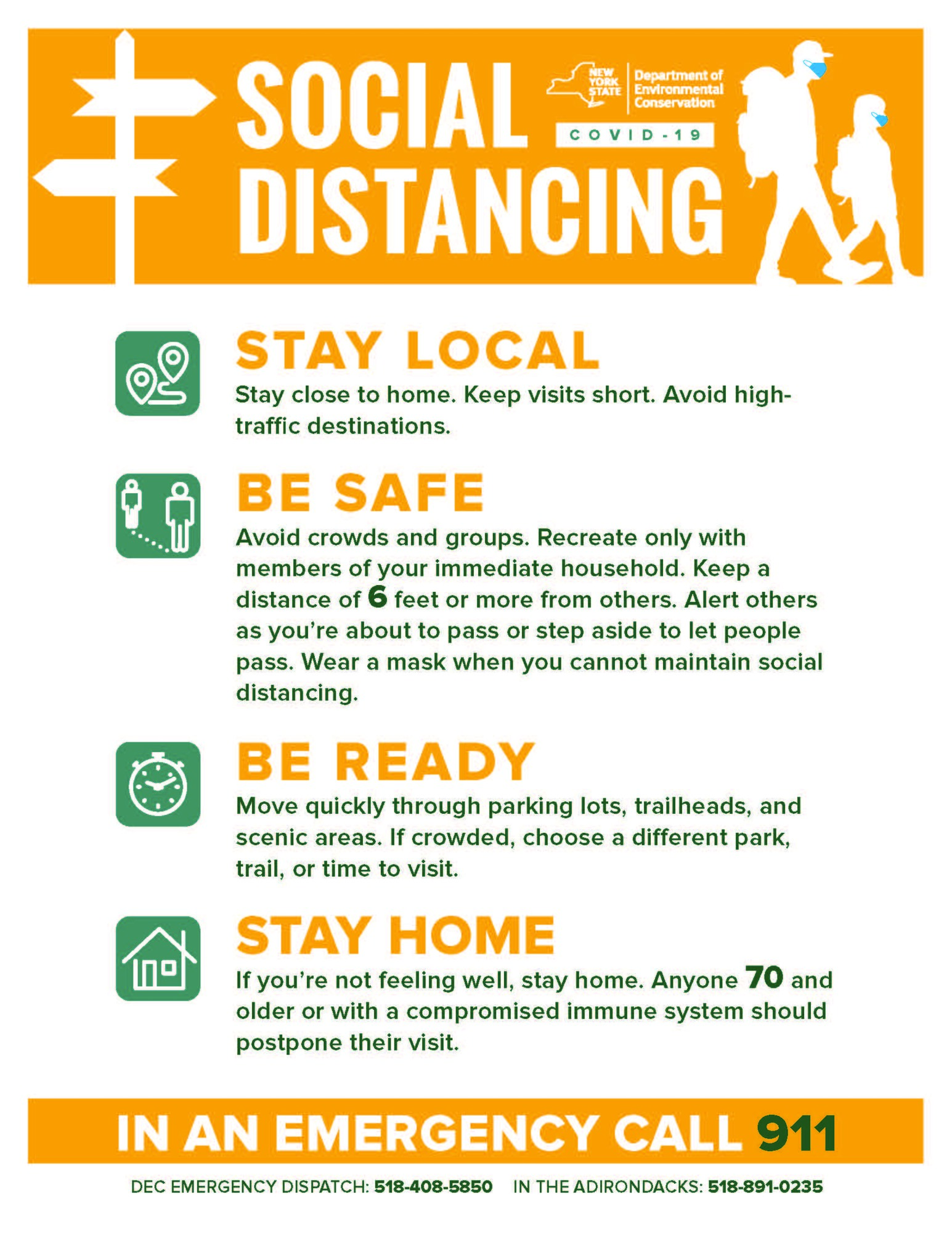
This bulletin provides only the most recent notices. Check the Adirondack Backcountry Information webpages for more detailed information on access, outdoor recreation infrastructure, and conditions. Emergency Situations: If you get lost or injured; keep calm and stay put. If you have cell service, call 911 or the DEC Forest Ranger Emergency Dispatch, 518-891-0235. Hike Smart by packing the proper gear. See our recommended packing list and safety tips. Welcome to the AdirondacksThe Welcome to the Adirondacks webpage is the place to go if you are interested in learning more about the Adirondacks. It provides information about the Forest Preserve, conservation easement lands, outdoor recreation, and Leave No Trace. Recreate Local – Safely and ResponsiblyGet outside safely, responsibly, and locally. New York State is encouraging people to engage in responsible recreation during the ongoing COVID-19 public health crisis. New York State DEC and State Parks recommendations for getting outside safely incorporate guidance from the Centers for Disease Control and Prevention and the New York State Department of Health for reducing the spread of infectious diseases. Use DECinfo Locator to find DEC-managed lands near you and use the hashtags #RecreateResponsibly and #RecreateLocal on Facebook, Twitter, and Instagram to share your outdoor experiences in open spaces and parks close to home. What’s Local? New York is focused on getting people back to work and easing social isolation without triggering the further spread of COVID-19. Responsible, respectful, local recreation is a crucial part of continuing to help New Yorkers stay active, spend time with immediate household and family members, and reduce stress and anxiety. Consistent with the NYForward phased reopening plan, DEC and State Parks are encouraging New Yorkers to recreate locally in their region. Each of the state's 10 REDC regions have a wide variety of recreational opportunities available within them for the public to explore and enjoy. New Yorkers getting outdoors should use common sense in planning outdoor activities and remember that public facilities like restrooms or other amenities may not be available. Social Distancing Guidelines
Additional Guidance is available for boating/paddling, anglers, and hunters. Pack A Mask Camping To maintain social distancing and reduce the density of facilities and protect visitors, DEC is not accepting additional reservations or walk-in camping for the 2020 season at this time. Only existing reservations will be honored for the DEC campgrounds listed below. Campgrounds to open June 19:
Campgrounds to Open June 26:
Check the current status and link to other information about DEC Campgrounds and Day Use Areas Water-access campsites at DEC campgrounds remain closed to overnight camping until the campgrounds reopen. This includes, but is not limited to:
Primitive camping: DEC has resumed issuing permits for groups of fewer than 10 people who would like to stay for more than three nights at one location on state lands. DEC has temporarily stopped issuing permits for backcountry camping for groups of 10 or more. Use of lean-tos should be restricted to members of a single household at a time to prevent the spread of COVID-19. Campsites along seasonal access roads that remain closed will not be accessible by motor vehicle. DEC Boat Launches
Boaters and other day users should continue to social distance on the water and on shore, and avoid crowded sites. Boaters and day use visitors should use mainland bathroom facilities before going out on the water, as outhouse facilities at DEC day use sites and campsites are not currently maintained or sanitized. The Adirondack Watershed Institute Stewardship Program is underway. Stewards will be present at public boat launches throughout the Adirondacks to check for invasive species on water vessels and educate users about proper clean, drain, and dry techniques and other methods of preventing the spread of aquatic invasive species. Boaters are encouraged to have their boats inspected and cleaned at the Adirondack Welcome Center's boat wash, located between Exits 17 and 18 on the Northway, before entering the Adirondacks. Trailhead Registers
Fire Towers Limit Parking Hike within the Limits of Your Physical Abilities and Experience General ConditionsTravel: Check 511NY for road closures and travel conditions. New: If you plan on hiking in the High Peaks, use 511NY to check the status of parking lots along the busy Route 73 corridor. Have back-up plans in place and, if the parking lot at your desired destination is full, move on to your back-up plan. Status of parking lots is being updated throughout the day on weekend days by patrolling DEC forest rangers and forest ranger assistants. Weather: Check the National Weather Service or NY Mesonow for current conditions and forecasts for the locations where you plan to recreate. Seasonal Access Roads: Most seasonal roads are now open. Seasonal access roads are dirt and gravel which can be rough. Four-wheel drive SUVs, pick-up trucks, and other high clearance vehicles are recommended for driving on these roads. Roads may be narrow – use caution, drive slowly, and watch for oncoming vehicles. Water Conditions: Water levels remain lower than is typical for this time of year. Recent rains may bring water levels up this weekend, especially in the northern Adirondacks. Check the USGS Current Water Data for New York for stream flow of selected waters. Biting Insects: Black flies, mosquitoes, deer flies, biting gnats (no-see-ums) and ticks are present. Wear light-colored, long sleeve shirts and long pants. Tuck shirts into pants, button or rubber band sleeves at the wrist, and tuck the bottom of pant legs into your socks. Pack a head net to wear when insects are plentiful and use an insect repellant – follow label directions. Additional tips for tick prevention. Fire Danger: Moderate in the Northeastern, Eastern, and Southeastern Adirondacks and Low throughout the rest of the Adirondacks. Check the DEC Fire Danger Map for updated conditions. Be careful with campfires. HikingBefore you hit the trail, check out DEC’s Hike Smart NY page to learn about safety, best practices, and preparedness. While recreating in the Adirondacks, please follow the Hiker Responsibility Code and avoid busy trailheads. Discover trails less traveled and visit when trails may not be as busy. Muddy Trails Advisory: The Muddy Trails Advisory remains in effect for trails above 2,500 feet in the Adirondacks. Trails are a mixture of mud and ice as late season ice and snow melt and frost leave the ground. Trails are particularly dangerous to hikers and susceptible to damage at this time. Help protect high elevation trails by choosing hikes under 2,500 feet until conditions improve. Be Prepared. Due to recent rains, trails in the lower and middle elevations will be wet and muddy. Wear waterproof shoes and walk through mud, not around it, to protect trail edges. Dress in layers and be prepared for conditions to change. Temperatures will be lower on high summits, and many exposed summits will be windy. Check the National Weather Service Northern Adirondacks and Southern Adirondacks Mountain Point Forecasts for selected summits. If conditions become unfavorable, turn around. You can always complete your hike another day. Use Caution. Many Adirondack trails encounter water crossings and not all of them have bridges. Use caution at crossings and on trails along fast flowing brooks and rivers. Water levels in the northern Adirondacks may be high due to recent rains. Rock ClimbersDEC has opened several rock climbing routes and closed some routes that were previously opened. Check the status of rock climbing routes in the Adirondacks. AnglersJune 27-28 is a "Free Fishing Weekend" in New York State. All New Yorkers are encouraged to explore local fishing opportunities. Recent NoticesIncluded here are notices reported in the past week. Please check the Adirondack Backcountry Information webpages for comprehensive and up-to-date information on seasonal road statuses, rock climbing closures, specific trail conditions, and other pertinent information. Rockwood State Forest: The road north of Cemetery Road leading to the parking and camping area on the state forest is very rough due to significant washouts. Several cars have become stuck. Only high clearance 4-wheel drive vehicles should use the road. Saranac Lake Wild Forest: Construction of the restrooms at the Lake Flower Boat Launch resumed Monday, June 15, and is expected to be completed in the fall. The boat launch remains closed to trailered boats until the project is finished, as the size of the construction site restricts the maneuvering space and safe passage for vehicles with trailers. Trailered boats will need to be launched at the Second Pond Boat Launch to access Kiwassa Lake, Oseetah Lake, Lake Flower, and portions of the Saranac River. Car-top boats such as canoes, kayaks, row boats, and small motorboats can use the boat launch. Siamese Pond Wilderness
Lake George Wild Forest: Palmer Pond Road is closed due to a structurally unsound large culvert in danger of failing and causing the road embankment to collapse. Pharaoh Lake Wilderness: Hikers on the Blue Hill/Long Swing Trail report being dive-bombed by a nesting pair of an unknown species of hawk. Hikers should keep facing the birds if possible, as hawks predominantly attack from behind. The behavior will cease in a month or two when the young have fledged and left the nesting area. Sable Highlands Conservation Easement Tract: Barnes Pond Road is now open to motor vehicle access for people with a permit through the Motorized Access Program for People With Disabilities (MAPPWD) to access the six accessible campsites along the road. The campsites are open to all, but those without MAPPWD permits must access them by foot, non-motorized watercraft (where applicable) or mountain bike. Leave No Trace
Follow the Seven Principles of Leave No Trace to maintain minimal impact on the environment and the natural resources of the Adirondacks. Use proper trail etiquette to ensure an enjoyable experience for yourself and others, and tread lightly! Principle 7: Be Considerate of Other Visitors
#AdventureAtHomeAdventure At Home Week 3: Discover Nature Nearby
Watch our Discover Nature playlist for how-tos and inspiration. If you are looking for a mobile or digital way to record your findings, check out Merlin Bird ID for identifying birds in your area, iNaturalist to contribute your encounters and become a citizen scientist, and BugGuide for insect identification. Play Discover Nature Bingo this week to inspire you to take a closer look at what is around. Share what you find with us by tagging us on social media and using #AdventureAtHome. You can also download Discover Nature Bingo in Spanish or in Mandarin. |

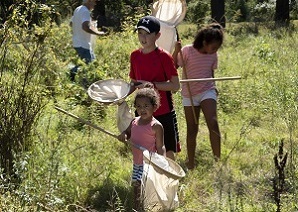 Nature is all around us. From the changes in weather throughout the day, to the sounds of birds and other critters out your window and close to home, there are so many ways to enjoy the sights and sounds of our natural environment. You can enjoy ordinary wonders of the natural world everywhere across New York.
|
The New York State Department of Environmental Conservation respects your right to privacy and welcomes your feedback | Update preferences or unsubscribe | Learn more about DEC Delivers. |
|
Connect with DEC:     2020 Census: New York counts on you |
|
| Basil Seggos, Commissioner | |